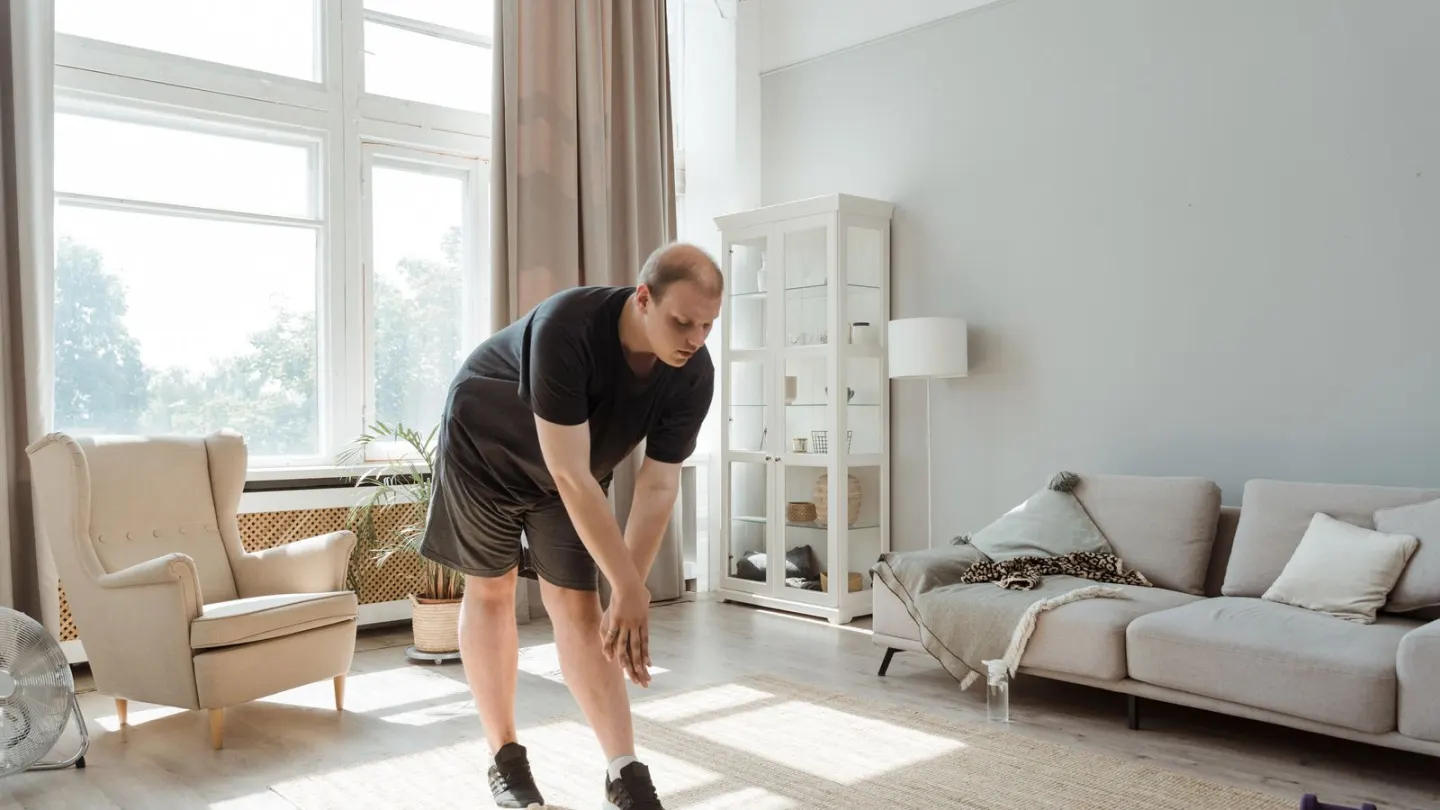
Anger and exercise can sit together in NHS self-help lists. A hard session is not always the safest way to come down. Talking-pace movement is the better first dose.
Most people feel angry sometimes. Trouble starts when the feeling runs your day, your driving, or someone else’s safety. NHS pages include walking, running, swimming, and yoga as ways some people unwind. They also tell you to pause before you act. This guide is about that pause. It is not a licence to train through rage.
How anger and exercise can help or harm
Anger and exercise meet in ordinary places. A fast walk after a bad meeting. A swim after a row. Sit-to-stands while the kettle boils. Those bouts can lower tension for a stretch. They do not erase the cause. They do not replace talking, or care, when anger is stuck.
NHS anger advice includes spotting the rise early, counting to ten, and talking to someone not in the fight. Exercise sits on that list beside breath work. The examples are running, walking, swimming, and yoga. Notice what is missing. There is no instruction to smash a bag until you drop. There is no praise for driving faster.
High effort while you are already flooded can raise injury risk. You grip harder. You skip the warm-up. You miss the kerb. A talking-pace walk asks less of joints and judgement. You can still feel your feet. You can still change direction if a cyclist passes.
Think of a Thursday at 18:10. You have eaten a cheese sandwich at 13:15 and nothing since. You feel hot in the face. Put the keys down. Drink water. Eat a banana. Then walk 12 minutes around the block. That order is the plan. The gym can wait until you can talk in full sentences.
A safer session on a hot day
Start with time, not with personal bests. Ten minutes is a complete bout. Twenty is plenty. If you still want more after a glass of water, add five minutes. Do not add a second sport the same evening.
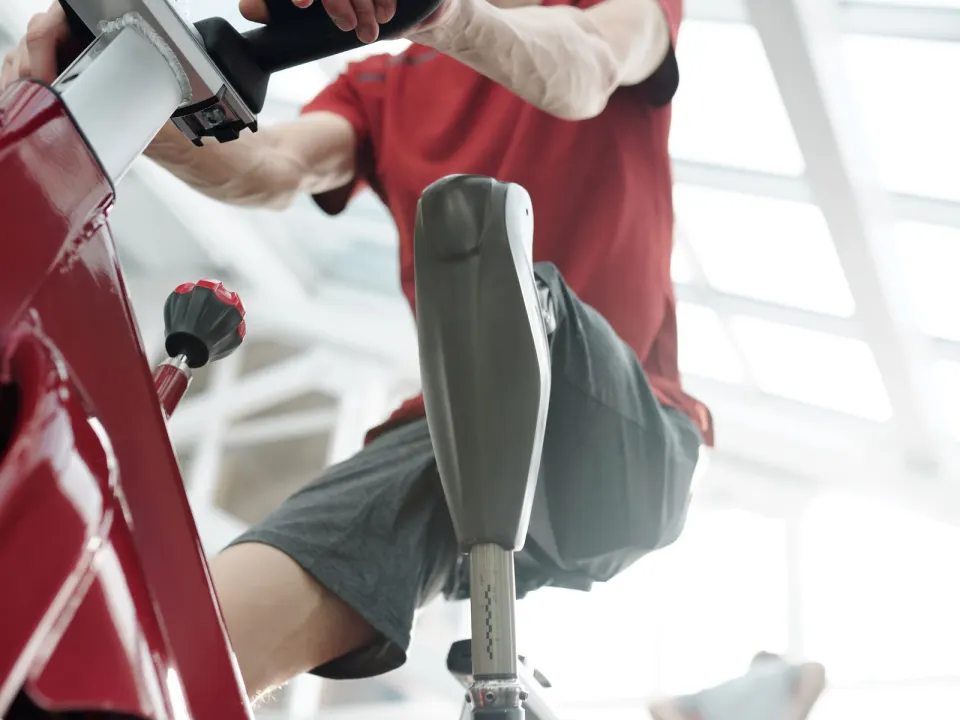
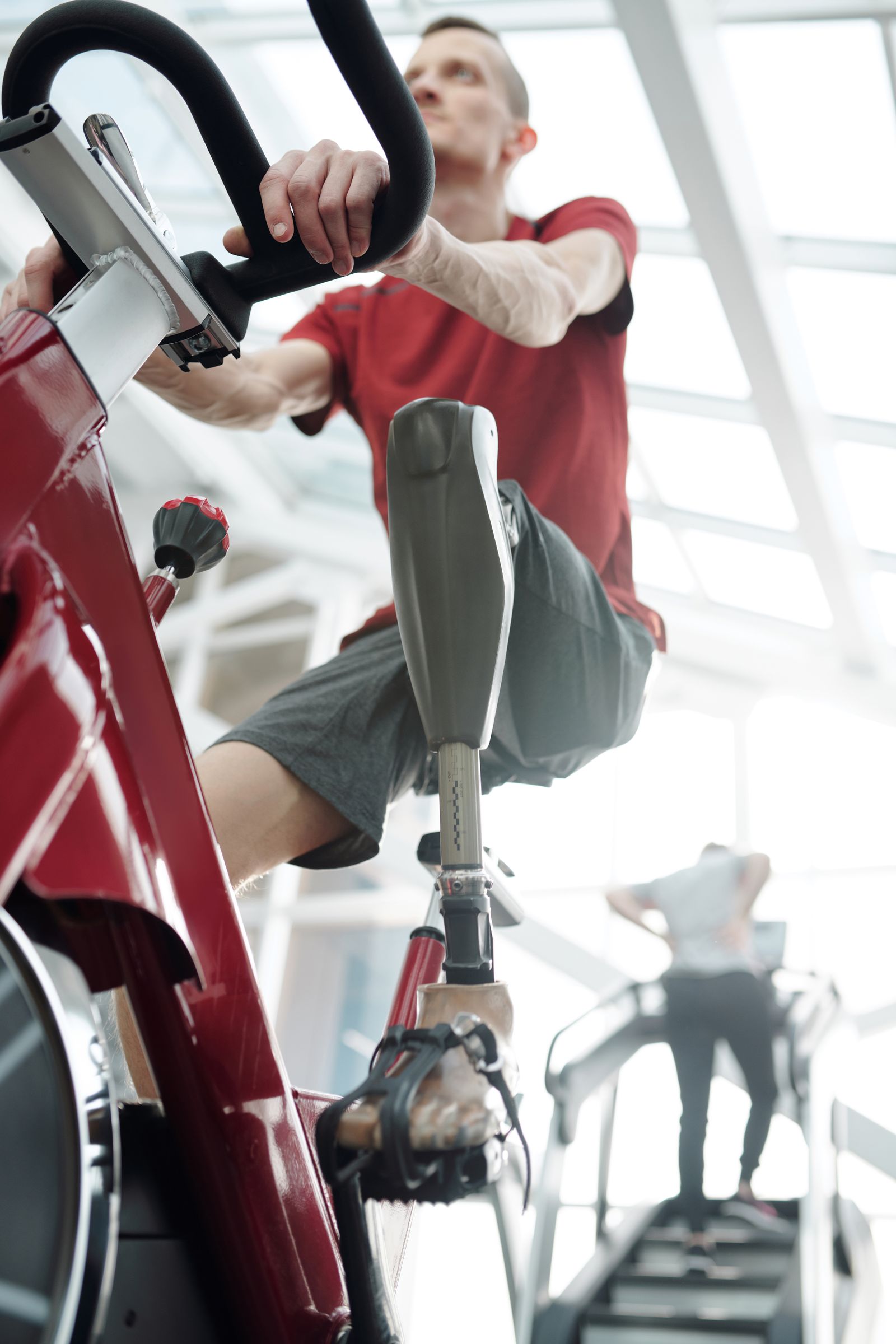
Pick a format you already know. A street loop. Easy cycling on a quiet path. Slow lengths in a pool. A short yoga video with a jumper on. New combat classes can wait. Skill errors rise when you are angry.
Keep the effort at a talking pace unless a clinician has already cleared harder training. NHS moderate effort means you can talk but not sing. That is enough to count toward the week. NHS and CDC adult guides both use 150 moderate minutes, or 75 vigorous minutes, plus muscle work on two days. A 15-minute walk is a slice. It is not a wasted day.
Leave the phone in a pocket. If you must listen to something, pick music, not a replay of the row. Come home. Then eat.
Company is optional. Some people cool faster alone. Some need a quiet walk with one trusted person who will not poke the story. Our nature walking guide keeps that loop short. A tree-lined street still counts.
| Choice | Time | Use when |
|---|---|---|
| Pause, water, snack | 5–10 minutes first | Hands are shaking, or you have not eaten for hours |
| Talking-pace walk | 10–20 minutes | Default first dose on a hot day |
| Easy swim or cycle | 15–25 minutes | You already know the venue and can stop early |
| Hard intervals or combat class | Skip until you can talk in full sentences | Judgement and warm-up are poor while flooded |
| Weekly adult target | At least 150 moderate minutes, muscle work on 2 days | NHS, CDC, and WHO population guides |
Sources: NHS Get help with anger; NHS physical activity guidelines for adults aged 19 to 64; CDC Adult Activity; WHO physical activity fact sheet.
Food, sleep and the hour after you stop
Hunger makes anger louder. Keep a banana or yoghurt in the bag. Eat within an hour of the walk. A baked potato with beans is enough.
Alcohol is a poor closer. NHS mental health pages warn that drink can feed worse mood. A late pint after a row is not recovery. Tea, water, or a shower is cleaner. If you live with other people, say you need 20 quiet minutes. Then keep that promise.
Sleep still matters. CDC advice for most adults aged 18 to 60 is 7 or more hours. NHS Every Mind Matters asks people to finish harder movement well before bed. A 21:30 HIIT class can leave you wired at midnight. Place the walk in daylight if you can. Dim the last hour at home.
If your body is still buzzing, use a slow breath pattern from a trusted guide. Our stress response body guide explains the body side of a spike. Our habit guide for low-energy days treats putting trainers by the door as a win. Our exercise for mental wellbeing guide keeps weekly minutes ordinary.
When movement is the wrong tool
Do not use exercise to punish yourself. Extra miles as a fine teach the wrong lesson. Stop at the planned time even if you still feel hot. The feeling can pass on the sofa with water. It does not have to be run off.
Do not train if you have chest pain, a new severe headache, faintness, or an injury that is swelling. Sit. Get urgent help if symptoms are severe or new. A faster pulse from a hill is not the same as those warning signs, but the body can mix them. Slow down so you can talk.
If anger includes threats, hitting, or breaking things, movement is not the plan. Leave the situation if you can do so safely. NHS pages say to see a GP if you act in an abusive or violent way. Respect and other UK services exist if you are worried about your own behaviour. In the US, local crisis lines and 988 can help you find next steps. Safety for other people comes first.
When to speak with a professional
See a GP in the UK, or a primary care clinician in the US, if you cannot cope, if self-help fails, or if anger is harming work, sleep, or relationships. NHS talking therapies are an option for many adults. Some areas run anger management groups that use CBT.
Get help early if you have a low mood for more than two weeks, or if you use alcohol or drugs to get through the day. If you may act on thoughts of self-harm, or you cannot stay safe, call 999 or 911. In the US, 988 is the Suicide and Crisis Lifeline.
Tell the clinician the pattern in minutes. “I walked 15 minutes after rows on four days. I still shouted in the car.” That is more useful than a claim that sport did not work.
Practical coping steps you can use the same day
Supportive practices around anger and exercise work best when they are specific and short enough to use on a difficult afternoon — not only on a calm Sunday. Start with a body-first step (slow breathing, a brief walk, water, food if you have skipped meals), then a thought-labelling step (name the worry in one sentence), then one tiny action that moves life forward by five minutes. The order matters: high arousal makes clever planning harder.
- 90-second settle: Longer exhale than inhale (for example breathe in for 4, out for 6) while feeling your feet on the floor. Stop if you feel dizzy and return to normal breathing.
- Name and narrow: Write one line — “I am worried about X before Friday” — then ask whether the next useful step is information, a conversation, or rest.
- Move for mood, not punishment: Ten minutes of easy walking or gentle mobility often softens stress physiology without demanding a full workout.
- Contact cue: Send one message to a person who usually responds kindly, or sit in a shared space if silence is feeding rumination.
These steps are coping skills and habit supports. They are not a diagnosis, not exposure therapy on their own, and not a replacement for treatment when anxiety, depression, trauma symptoms, or substance use are disrupting work, relationships, sleep or safety.
Help-seeking: when self-help should hand over
Decide your hand-over rules in advance, while you are relatively steady:
- Mood, worry or sleep problems lasting more than a couple of weeks and limiting daily life
- Panic-like symptoms that keep recurring, or fear of exercise sensations that stops you moving
- Thoughts of self-harm, feeling unsafe, or using alcohol/drugs to get through the day
- Grief, burnout or body-image distress that is getting heavier despite routines
UK: start with a GP, NHS talking therapies referral routes where available, NHS 111 for urgent advice, or 999 if there is immediate danger. US: primary care, employee assistance programmes where offered, the 988 Suicide & Crisis Lifeline for crisis support, or 911 for emergencies. Local crisis lines and trusted people remain part of a safety plan.
When you book help about anger and exercise, bring three concrete examples from the last fortnight (what happened, how long it lasted, what you tried). That helps a clinician faster than a vague “I feel stressed.” Ask about options: watchful waiting, guided self-help, therapy, medicine review, or combined approaches — and about expected follow-up.
Movement and connection as supports — with clear limits
Activity linked to anger and exercise can lift mood for many people through routine, daylight, social contact and a sense of agency. Choose intensities you can repeat after a poor night’s sleep. Pair movement with low-pressure connection when loneliness is part of the picture: a walking message to a friend, a community class, or volunteering with a defined end time.
Do not use harder training to punish yourself for how you feel. If anger is high, prefer steady cardio or technical skill work over maximal lifts until you feel in control. Leave sessions if chest pain, severe dizziness or panic feels medical — get checked rather than “pushing through.” Exercise supports mental wellbeing; it does not cure clinical depression or anxiety on its own.
A calm review after seven days
Once a week, ask only:
- Which coping step did I actually use when stress rose?
- Did I avoid something important (work, people, movement) because of how I felt?
- Is it time to contact a professional based on my pre-agreed hand-over rules?
Keep notes factual and brief. Share them in appointments. If someone you trust notices withdrawal, irritability or exhaustion you are minimising, take that observation seriously.
Medical note. This article is general information, not a diagnosis or a personal treatment plan. It does not replace advice from a GP, pharmacist, registered dietitian, physiotherapist, or other qualified clinician. Seek urgent help for severe, sudden, or rapidly worsening symptoms. UK readers can use NHS 111 for urgent advice; US readers can use local urgent care or emergency services when needed.
Frequently asked questions
Does punching a bag get the anger out?
How soon after a row should I train?
Can exercise replace anger management?
What weekly activity range should adults aim for?
Sources
- 1. Get help with anger
- 2. Be active for your mental health
- 3. Adult physical activity
- 4. Physical activity fact sheet
Guidance changes. Figures were checked against the sources above at the time of review; always confirm current advice with your GP, pharmacist or clinician.
Image credits
- Photo: Photo by MART PRODUCTION on Pexels / Openverse
- Photo: Photo by Ketut Subiyanto on Pexels / Openverse
- Photo: Photo by ThisIsEngineering on Pexels / Openverse
Was this useful?
Anyone can react — no account needed.



Discussion
0 comments · Name and email only · Email is never shown