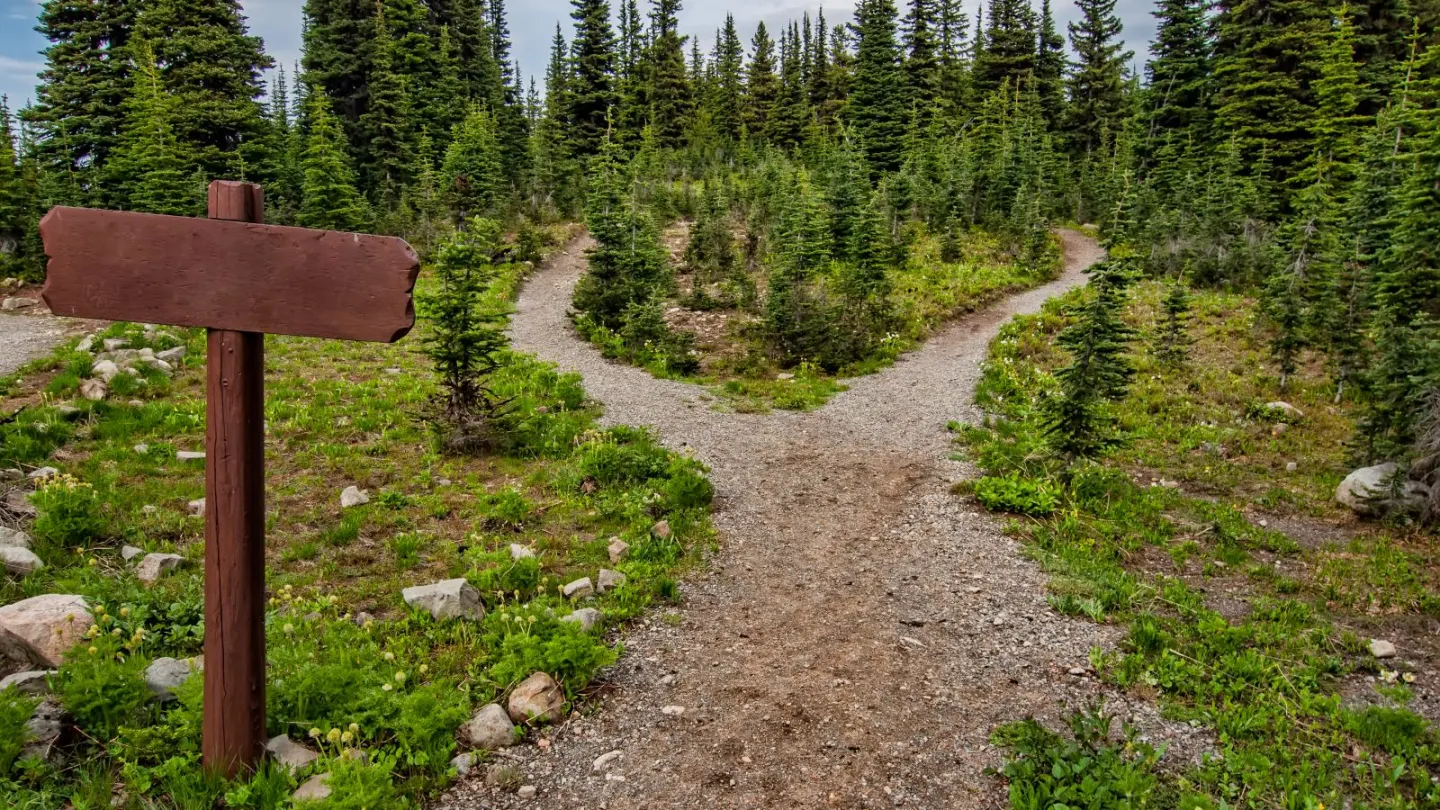
A nature for mood plan is a short, repeatable dose of outdoor time, not a wilderness holiday. Parks, tree-lined streets, and a rain coat beat a perfect trail you never use.
NHS five steps include being active and taking notice. Both can happen on a 12-minute loop. You do not need a forest. A pocket park, a canal path, or a street with a few trees can be enough. This how-to sets a default route, a weather swap, and a stop time so nature for mood does not become another undone task.
What a nature for mood dose actually is
Mind, the UK mental health charity, notes that time in green space can support wellbeing for many people. It also says it is not a cure. NHS walking pages treat a brisk walk as moderate activity if you can talk but not sing. That is the effort band, not a scenic rating.
WHO and CDC ask adults to move most weeks toward 150 minutes of moderate activity, plus muscle work. A park loop can supply some of those minutes. A still sit on a bench can still help you notice the day. Both are valid. Do not turn the bench into a two-hour scroll.
Green social prescribing exists in parts of the NHS. That is a referred activity, not a requirement. You can start without a referral. Shoes, a coat, and a clock are enough. If mood is already very low, eight minutes to the end of the street still counts. Pair that with a short breathing drill on the doorstep if the first step feels large.
Set the route before you need it
Walk your loop once at a calm time. Note the surface, lighting, and toilets. Write the door-to-door time. If it exceeds 25 minutes, shrink it. The route you will use on a grey Tuesday is the one that matters.
- Choose a start cue. After lunch. After the school run. After you close the laptop lid.
- Fix the path. One park circuit, or two blocks out and back on a tree street.
- Set a stop time. 12 minutes is enough on a hard day. 20 minutes is a standard dose.
- Name five things. A red door. A dog. A bus. A puddle. A bird. That is noticing.
- Eat after if you went out hungry. A banana in the pocket prevents a shaky return.
Keep the phone in a pocket, not in your hand, unless you need it for safety. Headphones are fine at a volume that still lets you hear bikes and people. If a park feels unsafe at dusk, use the street loop while shops are open.
Noticing is the NHS “take notice” step in motion. You can go further with a short sit when you get home. Our mindfulness for beginners guide keeps that sit modest. The walk already did part of the job.
| Condition | Default dose | Swap |
|---|---|---|
| Dry, low energy | 12-minute park or street loop | Walk to the shop and carry milk back |
| Rain | Same loop in a coat and waterproof shoes | Covered market, arcade, or greenhouse; still 10 minutes |
| Heat | Early or late loop in shade | Shorter dose; water bottle; skip midday sun |
| Dark evening | Lit street with other people about | Lunchtime loop instead; do not force a dark park |
| Ice or high wind | Skip outdoor if you may fall | Indoor march by a window; indoor plants are a backup, not a forest |
NHS walking pages describe brisk walking as moderate if you can talk but not sing. NHS activity guidelines and CDC pages use a 150-minute weekly band for adults. Mind’s nature pages treat outdoor time as a wellbeing support, not a treatment. CDC sleep pages still want 7 or more hours for most adults aged 18 to 60.
Parks, streets, and indoor backups
A named park is useful because it ends. You go in, you loop, you leave. A street with trees is the everyday version when the park is far. Skip isolated paths at night. Indoor plants can lift a room. They are not a nature for mood dose on their own. Use them as a cue to look out of the window, then go outside if you can.
Weekends can host a longer walk. That is extra, not the habit. The habit is the weekday loop. Pack water and an apple if you go farther. Do not wait to “feel like a hiker”.
Sleep, meals, and the rest of the day
Outdoor time in daylight can support a more regular body clock for some people. It does not replace a wind-down. CDC sleep pages still set 7 or more hours for most adults aged 18 to 60. A dawn walk that forces a 5:30 alarm may not be a win. Choose a lunch loop if mornings are already short. Our sleep hygiene guide is the better first read than a heroic sunrise plan.
Eat before a longer walk if you get shaky. Toast with peanut butter is enough. Drink water. Skip a large extra coffee late if you want to sleep by 23:00. Track the habit with a one-line note: date, minutes, rain or dry. If a week goes missing, restart with 10 minutes.
When outdoor time is not the right tool
Nature for mood cannot treat depression or an anxiety disorder on its own. If leaving the house feels impossible, shrink the plan to the doorstep, then ask for care. Contact a GP in the UK or a US clinician if low mood lasts more than two weeks. Our UK and US help routes cover routine and urgent options.
People with heart, lung, joint, or balance conditions should follow personal medical advice about walking. In heat, cold, or poor air quality, shorten or skip the outdoor dose. Call 999 or 911 for chest pain, collapse, or trouble breathing. A park is not an emergency department.
Practical coping steps you can use the same day
Supportive practices around nature for mood work best when they are specific and short enough to use on a difficult afternoon — not only on a calm Sunday. Start with a body-first step (slow breathing, a brief walk, water, food if you have skipped meals), then a thought-labelling step (name the worry in one sentence), then one tiny action that moves life forward by five minutes. The order matters: high arousal makes clever planning harder.
- 90-second settle: Longer exhale than inhale (for example breathe in for 4, out for 6) while feeling your feet on the floor. Stop if you feel dizzy and return to normal breathing.
- Name and narrow: Write one line — “I am worried about X before Friday” — then ask whether the next useful step is information, a conversation, or rest.
- Move for mood, not punishment: Ten minutes of easy walking or gentle mobility often softens stress physiology without demanding a full workout.
- Contact cue: Send one message to a person who usually responds kindly, or sit in a shared space if silence is feeding rumination.
These steps are coping skills and habit supports. They are not a diagnosis, not exposure therapy on their own, and not a replacement for treatment when anxiety, depression, trauma symptoms, or substance use are disrupting work, relationships, sleep or safety.
Help-seeking: when self-help should hand over
Decide your hand-over rules in advance, while you are relatively steady:
- Mood, worry or sleep problems lasting more than a couple of weeks and limiting daily life
- Panic-like symptoms that keep recurring, or fear of exercise sensations that stops you moving
- Thoughts of self-harm, feeling unsafe, or using alcohol/drugs to get through the day
- Grief, burnout or body-image distress that is getting heavier despite routines
UK: start with a GP, NHS talking therapies referral routes where available, NHS 111 for urgent advice, or 999 if there is immediate danger. US: primary care, employee assistance programmes where offered, the 988 Suicide & Crisis Lifeline for crisis support, or 911 for emergencies. Local crisis lines and trusted people remain part of a safety plan.
When you book help about nature for mood, bring three concrete examples from the last fortnight (what happened, how long it lasted, what you tried). That helps a clinician faster than a vague “I feel stressed.” Ask about options: watchful waiting, guided self-help, therapy, medicine review, or combined approaches — and about expected follow-up.
Movement and connection as supports — with clear limits
Activity linked to nature for mood can lift mood for many people through routine, daylight, social contact and a sense of agency. Choose intensities you can repeat after a poor night’s sleep. Pair movement with low-pressure connection when loneliness is part of the picture: a walking message to a friend, a community class, or volunteering with a defined end time.
Do not use harder training to punish yourself for how you feel. If anger is high, prefer steady cardio or technical skill work over maximal lifts until you feel in control. Leave sessions if chest pain, severe dizziness or panic feels medical — get checked rather than “pushing through.” Exercise supports mental wellbeing; it does not cure clinical depression or anxiety on its own.
A calm review after seven days
Once a week, ask only:
- Which coping step did I actually use when stress rose?
- Did I avoid something important (work, people, movement) because of how I felt?
- Is it time to contact a professional based on my pre-agreed hand-over rules?
Keep notes factual and brief. Share them in appointments. If someone you trust notices withdrawal, irritability or exhaustion you are minimising, take that observation seriously.
Medical note. This article is general information, not a diagnosis or a personal treatment plan. It does not replace advice from a GP, pharmacist, registered dietitian, physiotherapist, or other qualified clinician. Seek urgent help for severe, sudden, or rapidly worsening symptoms. UK readers can use NHS 111 for urgent advice; US readers can use local urgent care or emergency services when needed.
Frequently asked questions
Do I need a park, or will a street do?
How long should the first week be?
Does a slow stroll count as my 150 minutes?
What if rain always cancels me?
Can this replace therapy?
Sources
- 1. NHS: 5 steps to mental wellbeing
- 2. NHS: Walking for health
- 3. NHS: Physical activity guidelines for adults aged 19 to 64
- 4. Mind: Nature and mental health
- 5. CDC: Physical activity guidelines
- 6. CDC: About sleep
Guidance changes. Figures were checked against the sources above at the time of review; always confirm current advice with your GP, pharmacist or clinician.
Image credits
- Photo: Photo by James Wheeler on Pexels / Openverse
- Photo: Photo by Pixabay on Pexels / Openverse
Was this useful?
Anyone can react — no account needed.


Discussion
0 comments · Name and email only · Email is never shown