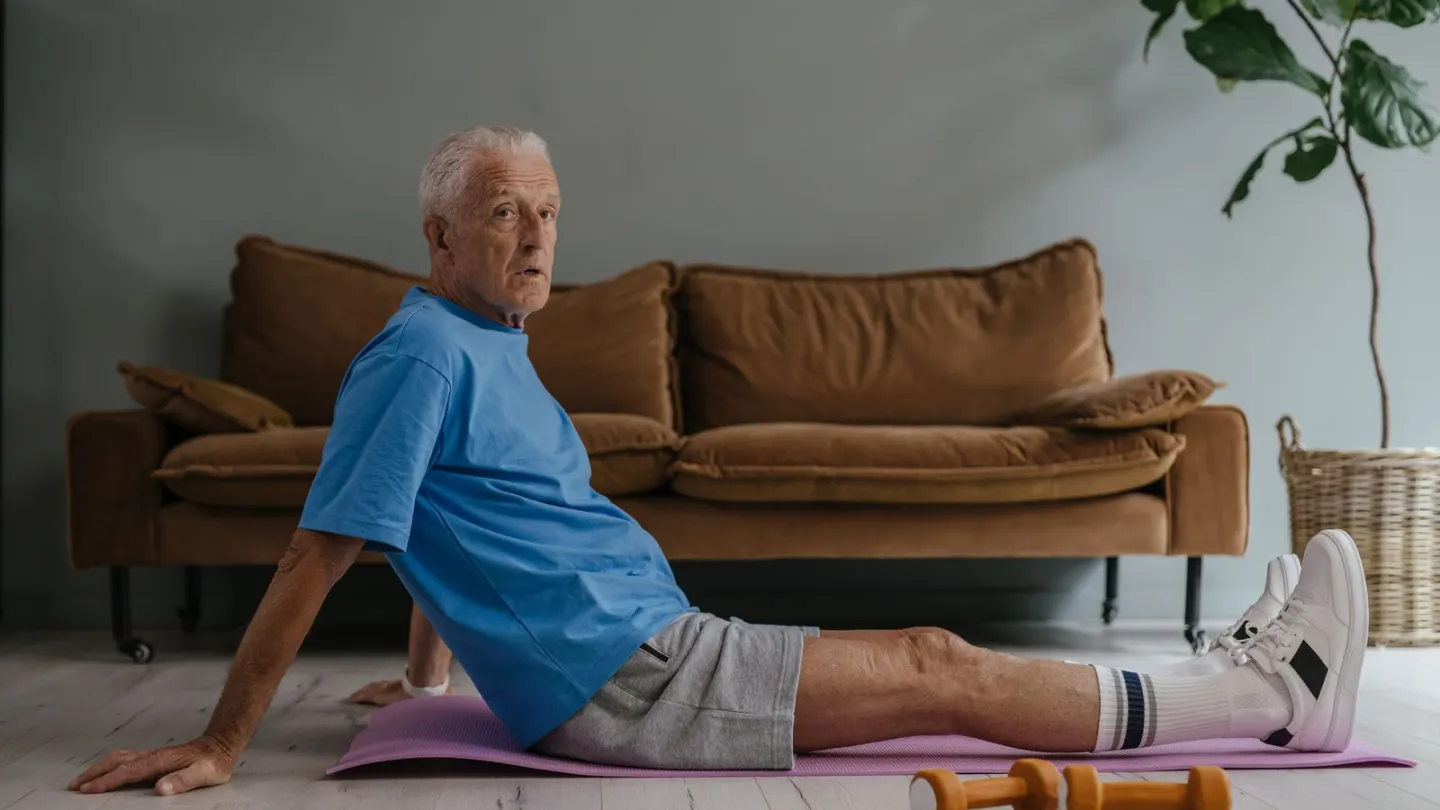
Core training beyond sit ups is a still trunk while you lift, carry or resist a twist. Sit-ups can be one option. They are not the whole job.
The midriff has to keep the ribs stacked when you pick up a bag, press a bar, or walk with a suitcase. That is bracing. It is not a race to 100 crunches. NHS adult guidance already lists sit-ups as one muscle-strengthening example. It also lists carrying heavy shopping. Both count. Neither is a cure for back pain.
CDC and WHO adult guides still want muscle work on at least two days a week, plus at least 150 minutes of moderate activity. A short brace, a loaded walk, and a press-out can fill the trunk slot. They sit beside a squat, a push and a pull. This guide is education, not a rehab plan.
Why a crunch is not the whole trunk
A sit-up curls the ribs toward the pelvis. That can train the front wall. Daily life often asks the opposite skill. You keep the trunk still while the arms and legs move. You pick up a child. You hold a shopping bag. You press a bar without folding in the middle.
NHS strength pages treat the abdomen as one of the major muscle groups. They do not name a single magic move. BHF notes that stronger muscles make tasks such as carrying shopping easier. That is the spirit of a carry. You train the errand, not a show.
MedlinePlus treats regular muscle work as part of healthy ageing. A crunch circuit is optional. If sit-ups tug the neck, skip them. Use a brace, a walk with a load, and a slow press-out instead. Those still count as trunk work.
Adults over 50 who want a calmer gym start can use the strength training over 50 guide. Keep the same ideas. Shorten the walk. Use a lighter bag. Hold a rack for balance if you need it.
Brace before you lift, not after
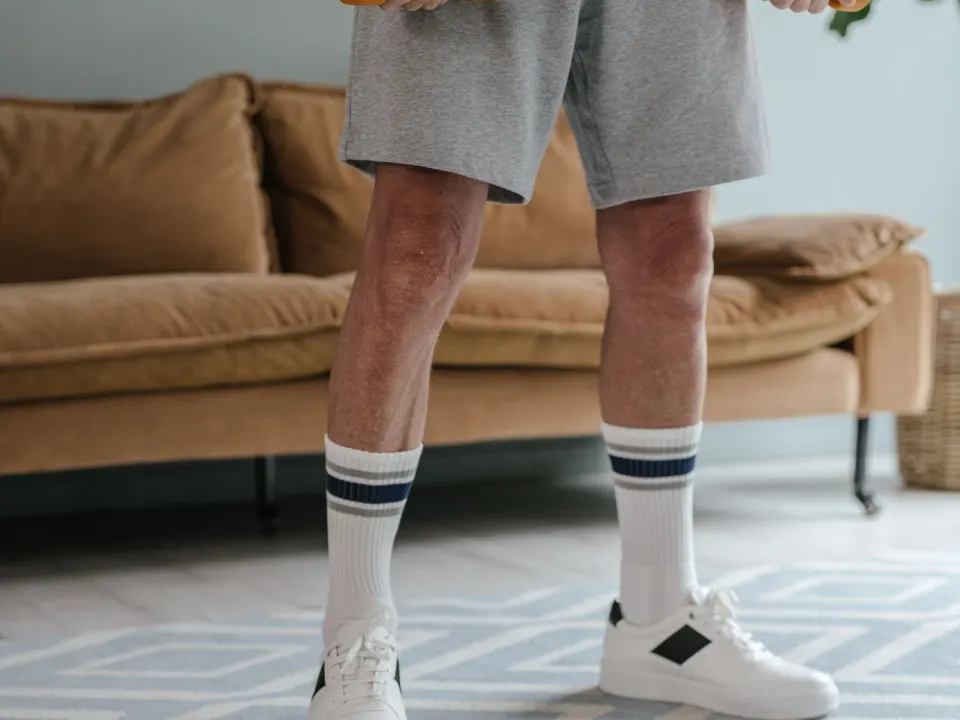
Bracing is a light, even tension around the waist. Think of a belt you tighten one notch, not a breath you trap. Soften the knees. Stand tall. Exhale a little. Then tense the midriff as if someone might tap your side. You should still be able to talk.
Use that set-up before a squat, a hinge, a press or a row. The trunk is part of the lift. A late squeeze after the bar has left the floor is too late. If you cannot keep the brace, the load is too heavy today.
Leave a few reps in reserve. Our RPE and RIR guide explains that buffer in plain language. A grind that turns the lift into a twist is not extra core work. It is a messy lift.
Set the bar in a rack you can walk into and out of. Do not fight a stuck lift in a low spot. The gym safety, racks and spotting guide covers that set-up. A safe rack is core training kit as much as a mat.
Carries that train a quiet trunk
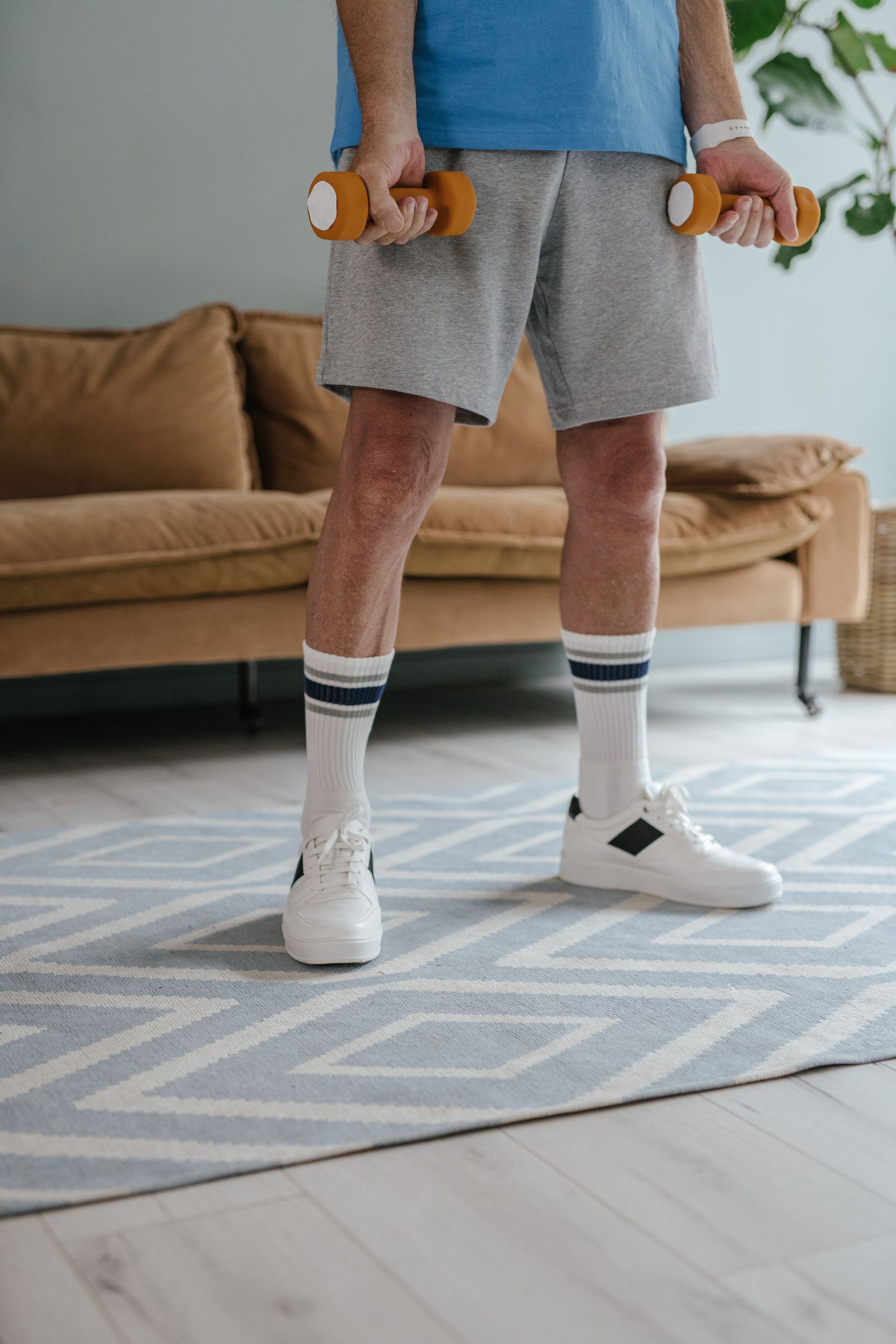
A farmer carry is a walk with a load in each hand. A suitcase carry uses one hand. The one-sided version asks more of the sides of the trunk. Both train grip and a tall walk. You do not need a strongman show. A clear 10-metre path is enough.
Pick loads you can set down without a drop. Stand tall. Let the shoulders sit down, not up by the ears. Walk. Count even steps. At the end, park the weights with a long back. Switch sides if you used one hand.
Start with two walks of 20 to 30 seconds each side. Rest until the grip settles. When the walk is smooth, add 10 seconds, then a little load. That is a small step, not a sprint. Shopping bags at home can copy the same pattern.
Anti-rotation without a circus move
Anti-rotation means you refuse a twist. A band or cable at chest height is the usual gym tool. Stand side-on. Hold the handle at the breastbone. Press it a short way in front of you. Do not let the cable turn your ribs. Pause. Return. That is a Pallof-style press-out.
The useful test is a still pelvis, not a long arm path. If the hips spin, shorten the press. If you cannot breathe, you clamped too hard. A floor dead bug or a bird-dog reach trains the same idea with no cable. Opposite arm and leg move. The low back stays quiet.
Skip wild Russian twists with a heavy plate if the aim is a still trunk. A twist can have a place in sport. It is a different skill. For general gym health, a short press-out twice a week is enough.
A sample week of core training beyond sit ups
Place trunk work after the main lifts, or as a short finisher. A tired midriff makes a squat sloppy if you exhaust it first. Two non-consecutive days fit NHS and CDC muscle-work advice. Pair the days with a walk so you still hit the 150-minute aerobic floor.
ACSM treats regular resistance work as the useful health habit. Sets you can repeat beat a once-a-year crunch challenge. Our hybrid strength and cardio weekly plan can host these slots beside easy cardio.
| Item | First weeks | Once the trunk stays quiet |
|---|---|---|
| Brace rehearsal | 3 breaths before each main lift | Same, still before the bar moves |
| Carry | 2 walks of 20 to 30 seconds each side | 3 walks of 30 to 40 seconds |
| Anti-rotation press-out | 2 sets of 6 slow reps each side | 3 sets of 8, with a 2-second pause |
| Rest between sets | 45 to 60 seconds | 30 to 60 seconds |
| Days each week | 2, not back to back | 2, still not back to back |
| If the back arches or twists | Shorten the walk or the press | Keep the shorter range; add a pause, not a bigger move |
Write the bag, the seconds, and which side felt messier. Progress means more control. When 40 seconds feels dull, add a tin or a small plate. Do not add a twist for drama.
Keep the rest of the hour simple. A squat, a press and a row already ask the trunk to stay still. Extra crunch work on the same day is optional. If the low back feels tired, skip the press-out and keep the brace on the big lifts. That is still useful practice.
| Label | Value | Unit |
|---|---|---|
| Carry | 20–40 | seconds |
| Anti-rotation reps | 6–8 | each side |
| Days each week | 2 | sessions |
When to stop, skip or get help
NHS back-pain pages still ask most people to stay active in ways they can tolerate. They do not ask you to crunch through sharp pain. Stop a set if pain shoots down a leg, if the back folds, or if you feel faint.
Chest pain, sudden breathlessness, collapse, or a seizure is an emergency. Call 999 in the UK or 911 in the US. Online cues cannot replace an exam.
After recent abdominal or spinal surgery, during late pregnancy, or if a clinician has limited lifting, skip loaded carries until you have personal advice. A quiet brace on a chair sit-to-stand can wait as a stand-in. Core training beyond sit ups is not a treatment. It is one way to fill a strength slot.
An anti-movement core menu that transfers
The core’s daily job is often to resist motion while the limbs work: anti-extension, anti-rotation and anti-lateral flexion. Sit-ups train a narrow slice of that. A balanced menu includes planks or dead bugs, Pallof presses or short cable holds, and suitcase carries or side planks.
Programme core work after the main lifts or on easier days, two to four times a week. Think twenty to forty seconds of hard, clean holds rather than two-minute sagging planks. Breathe: a brace that stops you from exhaling is a temporary trick, not a skill.
Sample six-minute core finisher
Dead bug for six slow repetitions each side, side plank for twenty seconds each side, and a suitcase carry for thirty seconds each hand. Rest as needed so positions stay crisp. Progress by adding a second round, not by swinging the limbs faster.
People with back pain flare-ups should favour dead bugs, bird dogs and short carries before loaded spinal flexion. Get personalised advice if pain radiates, numbness appears, or symptoms worsen after simple holds.
Where core training beyond sit-ups fits in a normal week
Schedule core training beyond sit-ups on days you can protect, not on the most chaotic evenings. Two quality exposures usually beat five rushed ones. If you miss a day, continue the plan rather than doubling up and irritating tissues.
Review every fourth week: keep what improved technique or comfort, drop what only produced fatigue. Share the log with a coach or clinician if progress stalls or pain becomes the main story.
Frequently asked questions
Do I still need sit-ups if I brace and carry?
How heavy should a farmer carry be?
Is a plank better than a sit-up?
Can I do this trunk work every day?
Will this fix my back pain?
Sources
- 1. Physical activity guidelines for adults aged 19 to 64
- 2. Strength exercises
- 3. Back pain
- 4. Adult Activity: An Overview
- 5. Physical activity fact sheet
- 6. Physical Activity Guidelines
- 7. Why you should do strength training
- 8. Exercise for older adults
Guidance changes. Figures were checked against the sources above at the time of review; always confirm current advice with your GP, pharmacist or clinician.
Image credits
- Photo: Photo by SHVETS production on Pexels / Openverse
- Photo: Photo by MART PRODUCTION on Pexels / Openverse
Was this useful?
Anyone can react — no account needed.




Discussion
0 comments · Name and email only · Email is never shown