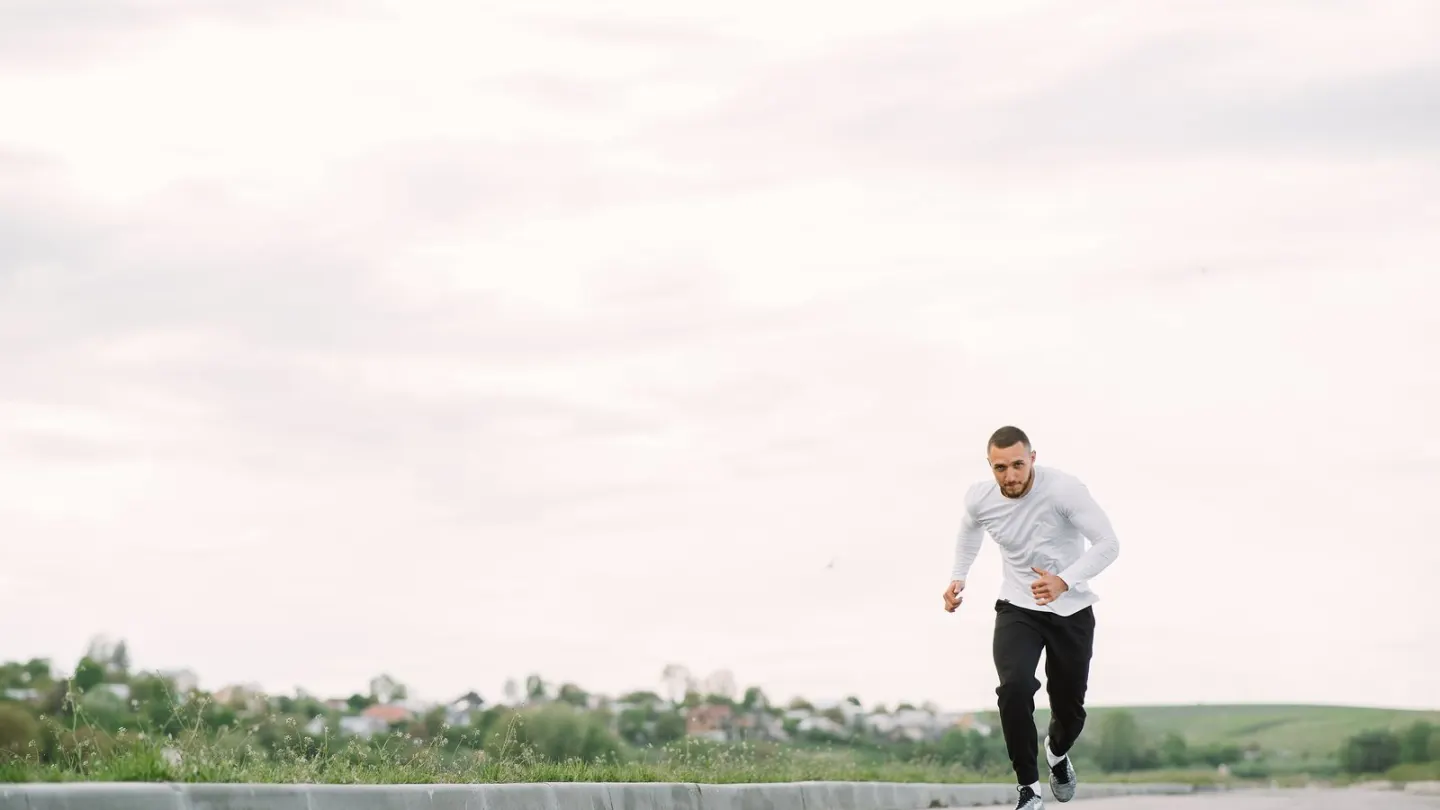
Exercise hyponatraemia is low blood sodium after you drink more fluid than you lose. It is uncommon. It is also serious. A long event plus a “drink as much as you can” plan raises the risk.
Most training days do not need a race bladder. A 40-minute jog is not a desert crossing. NHS everyday fluid advice is about six to eight drinks across a whole day. That is tea, water, and milk, not a two-litre bottle in two hours. Sports drinks do not make overdrinking safe. They are still mostly water.
This guide is for adults on long walks, runs, cycles, or hikes. It is not a treatment plan. If you feel confused after a long session, stop extra water and get urgent help.
What exercise hyponatraemia actually is
NICE describes hyponatraemia as a water-balance problem. Blood sodium sits below 135 mmol/L. Mild cases can sit near that line. Severe cases sit much lower. Symptoms often track how fast the drop happens, not only the number.
During long exercise the same idea applies. You sweat salt and water. If you replace more water than you lost, the blood can dilute. Fluid then moves into cells. The brain does not have spare room. That is why confusion can follow a day that “only” involved drinking.
A trainers’ fluid statement notes that low sodium has shown up in 10% to 20% of distance athletes after some events. Many findings are mild. Severe cases are rare. They can still kill a healthy adult.
Short gym sessions rarely cause this. The classic setting is a marathon, ultra, long hike, or all-day charity walk. Heat and a slow pace add hours to keep sipping.

How overdrinking on a long effort starts
The old race slogan was “drink before you are thirsty.” On a hot, slow course that became a litre every hour for some people. Kidneys can only clear so much free water. Extra fluid then stays.
Thirst is a useful brake for most adults in ordinary weather. Reviews of exercise-associated low sodium treat “drink to thirst” as the main prevention step for events that are not extreme. You still need fluid in heat. You do not need to beat thirst by a huge margin.
A flavoured bottle can help you sip when water tastes dull. It does not grant a free pass to drink past fullness. If race weight is up at a checkpoint, you have taken in more than you lost. Salt tablets are not a DIY fix. Extra salt does not cancel a flood of water.
| Cue | Safer reading | Worrying reading |
|---|---|---|
| Thirst | Sip, then wait. Drink again if thirst returns | Finishing a large bottle on a timer with no thirst |
| Body weight on a long event | A small drop is common with sweat | Weight up on the course means extra fluid on board |
| Stomach | Comfortable, you can talk and eat a little | Sloshing, bloating, or repeated nausea |
| Hands and face | Usual ring fit and usual facial shape | Tight rings, puffy fingers, or a puffy face |
| Mind | You can follow a simple plan and chat | Confusion, odd behaviour, or a seizure — call 999 or 911 |
| Lab sodium (clinic, not DIY) | NICE: 130 to 135 mmol/L is a mild band | NICE: under 125 mmol/L is a severe band |
A simple drinking plan for real sessions
Match the bottle to the session. A 30-minute walk needs no special drink. A one-hour easy run in mild weather often needs a few sips. Save a larger bottle for sessions over about 90 minutes, or for heavy sweat in heat.
Start the day with usual drinks, not a chug. Pale yellow urine is a fair clue. Crystal-clear urine all day, plus a race bladder, is the other extreme. On the course, drink when you are thirsty. If an aid station hands you a cup, you do not have to finish it.
Weigh yourself before and after a long loop if you want data. A small drop is common with sweat. A gain means you drank past loss. Shrink the next bottle. Do not add salt pills on your own. The UK and US activity guidelines count a long walk. They do not ask you to flood yourself to earn the minutes.

Warning signs that mean stop sipping
Early clues can look like a bad patch: headache, nausea, a sloshing gut, tight rings, or feeling washed out while you keep taking cups. Those signs overlap with heat illness. If you have been forcing fluid for hours, more water is the wrong next step.
Later clues are neurological. Confusion. Clumsy speech. Vomiting that will not settle. A seizure. Collapse. Those need emergency care. Do not hand the person another bottle.
The exercise warning signs guide covers chest pain, faintness, and sudden breathlessness too. Low sodium is one more reason to stop rather than to push through. If you take diuretics or have heart or kidney disease, ask a clinician before a first marathon. A health check or preventive visit is a better place to raise medicines than a start line.
Heat, heart numbers and who needs a personal plan
Hot days raise sweat loss. They also raise the urge to keep drinking. You can still under-drink. You can also over-drink on a slow hot walk. Heat illness and low sodium can sit in the same aid tent. Cooling a confused person is urgent. Forcing water into a confused person is not.
If you take blood-pressure pills, fluid shifts can feel sharper. Keep the blood pressure numbers guide in mind. Do not skip prescribed tablets to race better unless a clinician set that plan. After you finish, sip with a meal. Stop when you are no longer thirsty.
Medical note. This article is general information, not a diagnosis or a personal treatment plan. It does not replace advice from a GP, pharmacist, registered dietitian, physiotherapist, or other qualified clinician. Seek urgent help for severe, sudden, or rapidly worsening symptoms. UK readers can use NHS 111 for urgent advice; US readers can use local urgent care or emergency services when needed.
Frequently asked questions
Is exercise hyponatraemia the same as dehydration?
Do sports drinks prevent low sodium on a long run?
Should I take salt tablets in a marathon?
How much should I drink in a typical gym hour?
When should I go to A&E or the ER after a long event?
Sources
- 1. Hyponatraemia
- 2. Exercise-associated hyponatremia: 2017 update
- 3. NATA position statement: fluid replacement for the physically active
- 4. Water, drinks and your health
- 5. Low blood sodium (hyponatremia)
- 6. Physical activity guidelines
Guidance changes. Figures were checked against the sources above at the time of review; always confirm current advice with your GP, pharmacist or clinician.
Image credits
- Photo: Photo by Gustavo Fring on Pexels / Openverse
- Photo: Photo by Pixabay on Pexels / Openverse
- Photo: Photo by fauxels on Pexels / Openverse
Was this useful?
Anyone can react — no account needed.



Discussion
0 comments · Name and email only · Email is never shown