
Online fitness programme red flags are often loud promises, hidden prices, and a coach who cannot show proof. A good remote plan is slower, clearer, and willing to send you to a clinician.
A laptop can teach a squat. It cannot catch your knee in the room. That gap is the whole job. Online fitness programme red flags show up in the sales page before they show up in your joints. Look there first.
This guide is for adults buying a video plan, an app, or a remote coach. It is not a brand ranking. It will not promise a new body. It helps you spend money without ignoring NHS or CDC activity advice.
Understanding online fitness programmes red without the hype
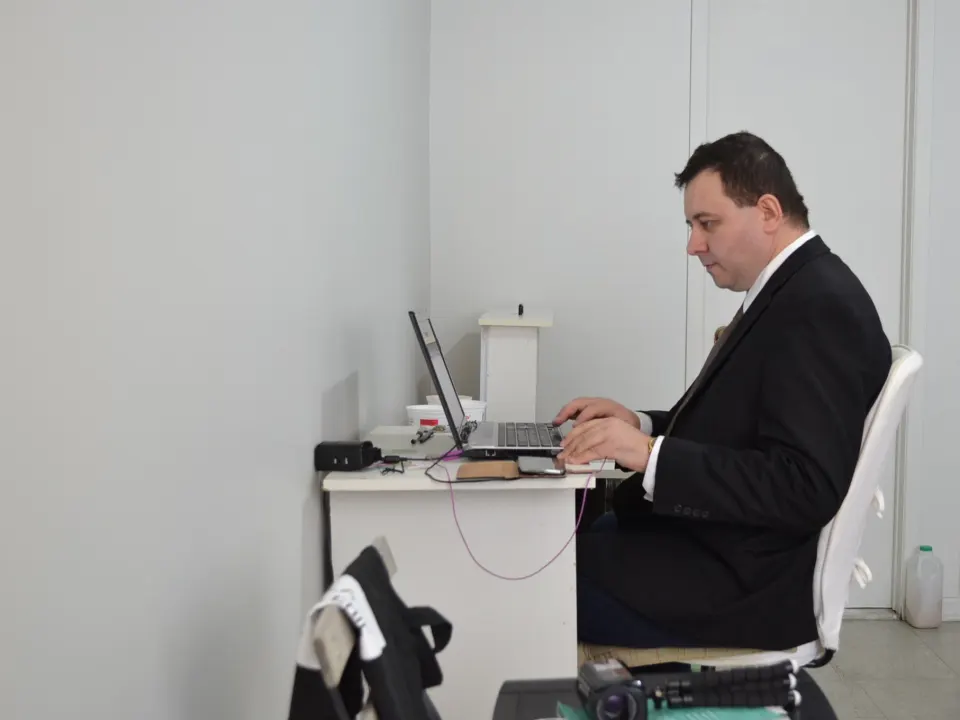
Online fitness programme red flags you can spot in five minutes
Open the sales page. Count the promises. “Shred in 21 days” and “reset your hormones” are marketing, not care. ACSM hiring advice still applies online. The title “coach” is not a US licence. If they will not name an exam, treat that as a stop.
Look for a health screen. A live coach should ask about chest pain, dizziness, joints, and medicines. A pre-recorded grid that starts on day one with jumps is a poor fit after years of sitting. Pair this with our guide to starting exercise after years inactive if that is your real starting line.
Watch how they talk about food. Extreme cut-outs, public weigh-ins, and shame as motivation are warning signs, not discipline. If eating talk starts to feel unsafe, step away. NHS, Beat, and NEDA pages exist for that help. This article will not teach those behaviours.
Hidden auto-renewals are a money flag. UK consumer pages explain that you have rights when a digital service is not as described. Read the small print. A plan that is hard to cancel is designed that way.
What a safer remote plan actually includes
NHS adult activity pages still want about 150 minutes of moderate work a week, or 75 minutes of hard work, plus muscle work on two days. CDC adult pages use the same floor. WHO adult pages sit in the same range. A remote plan should show how its minutes map to that week. Our UK and US physical activity guidelines make that maths ordinary.
Form checks matter more on a screen. Ask whether a coach watches live, reviews a short video, or only posts a grid. Live is better for load. A recorded library can still help if the moves stay simple and you can skip jumps.
You should get a stop list. Our exercise warning signs guide is a fair shared list: chest pain, fainting, sudden hard breathing, or a joint that gives way. Agree that those signs end the session. A coach who says “push through” has failed the job.
| Signal | Safer pattern | Warning signs on the sales page |
|---|---|---|
| Proof | Named exam, first aid, and a way to contact a human | Only a nickname, filters, and no card |
| Health screen | Written questions and a path to a clinician | Start today, no questions, max effort |
| Minutes | A week that can meet 150 moderate minutes if you are able | Daily max classes with no rest day |
| Money | Clear price, cancel route, and no extra powder | Hidden renewals and unlicensed pills |
| Form | Live or video review of your squat and hinge | A grid you copy with no eyes on you |
How to test a free week without getting hooked
Use a trial like a lab, not a dare. Do two easy sessions. Film one squat from the side if a coach will review it. Write how your joints felt the next morning. Sharp pain is a stop. Dull tiredness after new work is common. It should settle.
Keep the rest of life in view. Sleep, meals, and a walk still count. A plan that needs two hours a night will fail on a normal Tuesday. Swap one video for a 20-minute walk if that is what you will repeat.
Bring health numbers to the test if you have them. Our blood pressure numbers guide helps you read a home cuff. A coach who shrugs at high readings is not a safe remote hire. A clinician visit may be the better first step. Our NHS Health Check versus US preventive visit guide explains those routes.
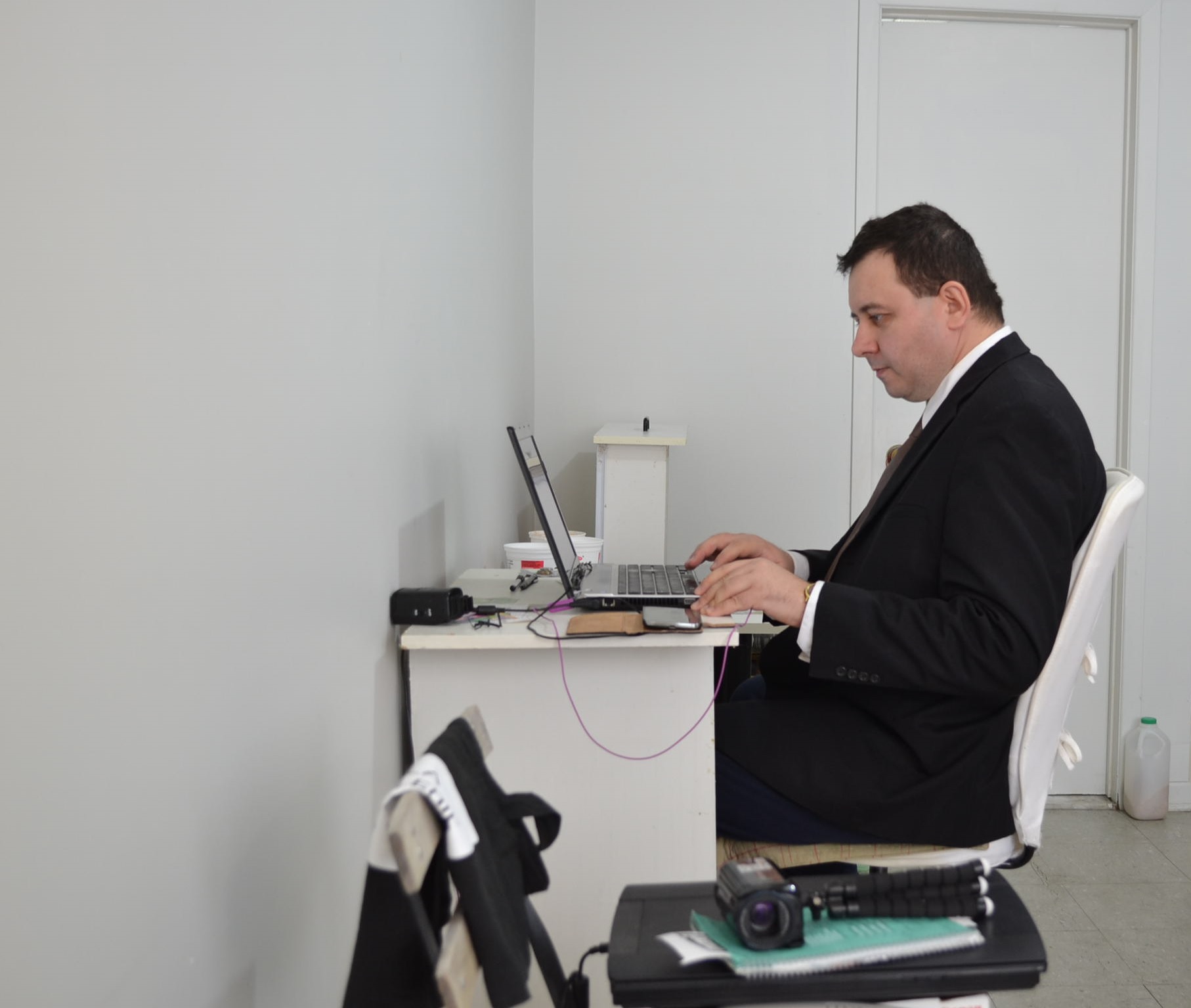
When remote training is the wrong tool
If you are recovering from a heart event, a recent operation, or a fall, you need a person in the room or a clinical service. ACSM exam outlines treat emergency plans as core knowledge for in-person coaches. A live stream cannot run that plan in your kitchen.
People with chest symptoms, unexplained breathlessness, or fainting should not start a hard online block. NHS pages ask you to speak to a GP first after long inactivity or with a medical condition. CDC pages give the same caution for long-term illness.
Money pressure is also a stop. If a sales chat keeps you on the phone until you pay, hang up. Urgency that leaves no time to read a contract is a sales tactic. Sleep on it. A good plan will still be there in the morning.
Medical note. This article is general information, not a diagnosis or a personal treatment plan. It does not replace advice from a GP, pharmacist, registered dietitian, physiotherapist, or other qualified clinician. Seek urgent help for severe, sudden, or rapidly worsening symptoms. UK readers can use NHS 111 for urgent advice; US readers can use local urgent care or emergency services when needed.
Frequently asked questions
Can a recorded class still be safe?
Is a cheap app a warning sign by itself?
What proof should a remote coach show?
How do I cancel a rolling digital plan in the UK?
When should I stop a live online class?
Sources
- 1. Investing in a Personal Trainer
- 2. Physical activity guidelines for adults aged 19 to 64
- 3. Adult activity guidelines
- 4. Physical activity fact sheet
- 5. Consumer protection rights
- 6. How to warm up before exercising
Guidance changes. Figures were checked against the sources above at the time of review; always confirm current advice with your GP, pharmacist or clinician.
Image credits
- Photo: Photo by Ketut Subiyanto on Pexels / Openverse
- Photo: Photo by Karolina Grabowska on Pexels / Openverse
- Photo: Photo by Islaava on Wikimedia Commons / Openverse
Was this useful?
Anyone can react — no account needed.



Discussion
0 comments · Name and email only · Email is never shown