
Sun protection exercise is a kit habit, not a reason to cancel the walk. CDC still wants people outside, with shade, clothes and cream. NHS pages ask for at least SPF 30, and shade between 11am and 3pm in the UK from March to October.
A park loop does not need a beach holiday kit. It needs a hat, a shirt that covers the shoulders, and cream on the bits that stay bare. WHO says sun care when the UV index is 3 or above. That can be a bright UK Tuesday, not only a Spanish seafront.
This guide keeps training in the week. It does not promise a tan-free life. It translates NHS, CDC and WHO advice into minutes, teaspoons and shade stops.
Sun protection exercise without dropping the walk
You do not have to pick skin or steps. CDC is plain on this. Time outside can support activity and mood. Too much UV still raises skin cancer risk. The fix is cover, not the sofa.
Move the clock if you can. NHS shade hours in the UK are 11am to 3pm from March to October. A 7.30am walk or a 6pm loop still counts. CDC travel pages flag 10am to 4pm as a hotter UV window, plus snow, sand and water glare.
If you are returning after years off, start with even ground and talk-pace. Our starting exercise after years inactive guide is the slow ladder. Add sun care on day one. Do not wait for a “real” race.
Pick routes with trees or a building wall. A 20-minute shaded pavement is still a workout. A noon canal path with no cover is a cream-and-hat job, not a badge of toughness.
| Step | NHS (UK) | CDC / WHO |
|---|---|---|
| Peak hours | Seek shade 11am to 3pm, March to October | CDC travel pages flag about 10am to 4pm; WHO uses UV index 3 or above |
| Cream | SPF 30 or more, 4-star UVA; about 6 to 8 teaspoons for a full body | Broad-spectrum SPF 15 or higher; thick layer; again at least every 2 hours |
| Clothes | Cover up; wide-brim hat better than a cap for ears and neck | WHO: clothes first; cream on skin you cannot cover |
| Eyes | Sunglasses that meet UK or EU marks | WHO: wraparound glasses with 99 to 100 percent UVA and UVB block |
| Reapply | Often; about every 2 hours; after heavy sweat | At least every 2 hours, and after swimming or heavy sweat |
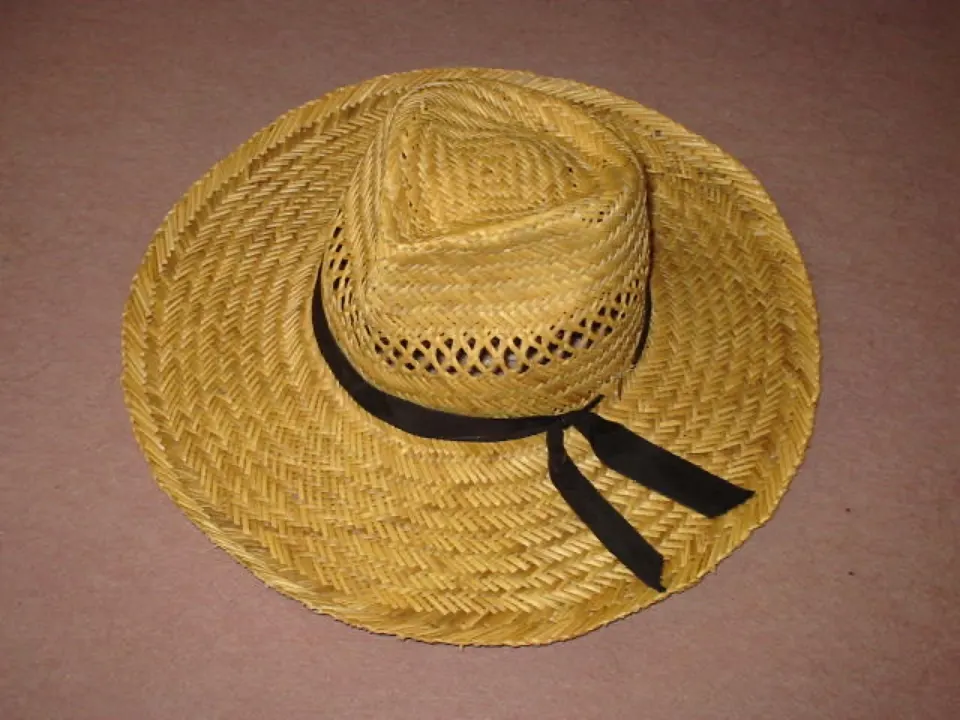
Shade, clothes and cream, in that order
WHO is blunt. Shade and clothes do more than cream. Cream is not a licence to stay out longer. NHS says the same: do not treat SPF as extra sun time.
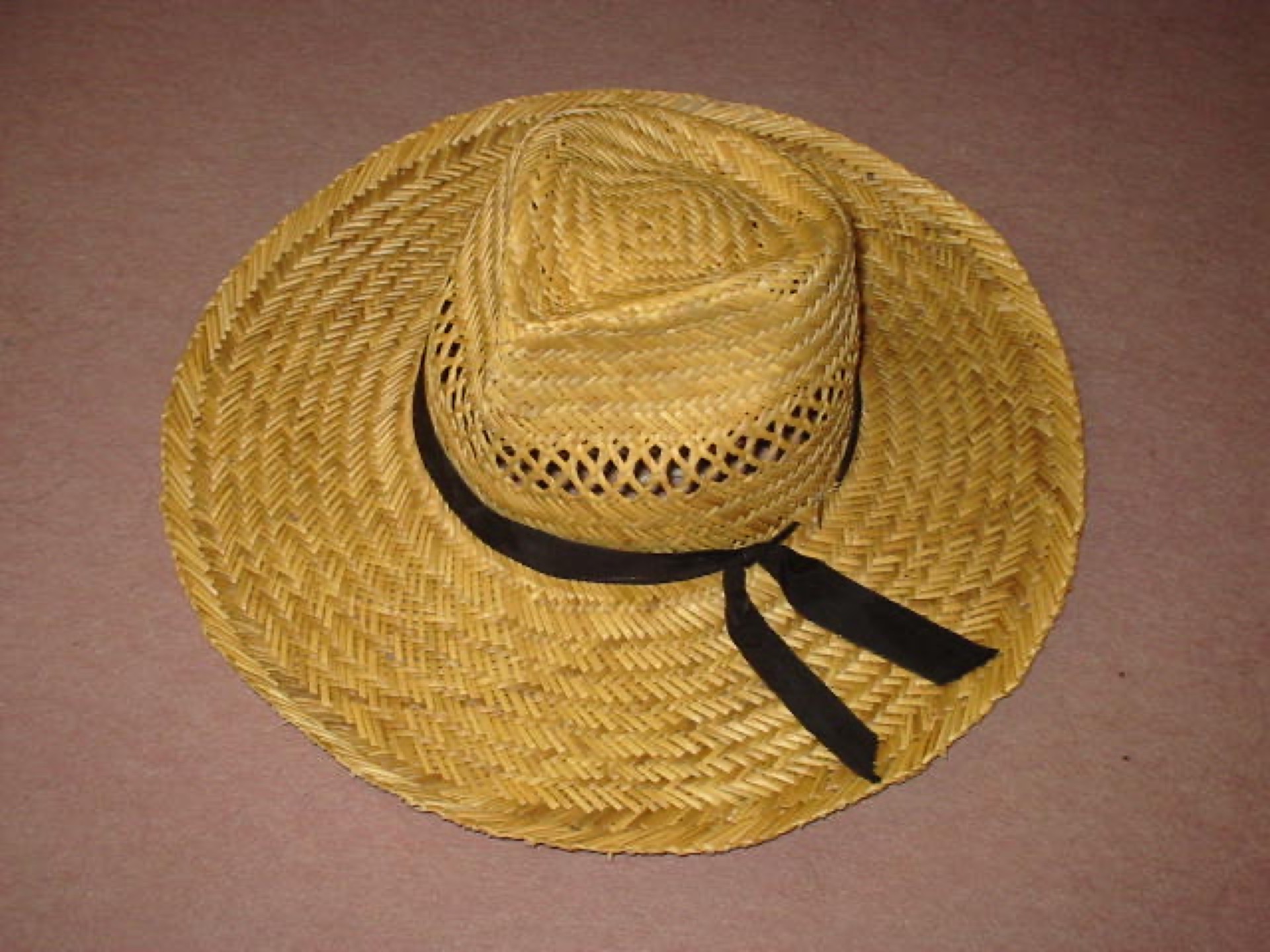
Wear a long-sleeve shirt you can walk in. Tight weave beats a thin white vest. A wide hat shades ears, nose and neck. A baseball cap leaves those bits open. WHO likes wraparound glasses. Cheap lenses without UV block are a fashion item, not eye care.
Then cream. NHS wants SPF 30 or more and at least 4-star UVA. CDC’s floor is SPF 15, broad spectrum. If you shop in the UK, SPF 30 is the simple NHS line. “Water resistant” still needs a fresh coat after a sweaty hill.
Put cream on 30 minutes before you leave, then again at the door. NHS asks for that double coat when burn is a risk. Ears, neck, bald scalp, hands and the V of a collar are the usual misses.
How much cream is a teaspoon, not a smear
Most people use too little. NHS says adults covering the whole body should aim for about 6 to 8 teaspoons. For a walk in shorts and a T-shirt, think two teaspoons for head, neck and arms as a rough NHS-style cue, then more if more skin is out.
Reapply about every 2 hours. Sweat wipes cream off. So does a towel. Keep a small tube in the same pocket as your keys. That is easier than a full beach bottle.
Insect spray, if you need it, goes on after cream. CDC travel sun pages say sunscreen first, then repellent. Follow both labels. Do not mix them in one palm “to save time”.
A Health Check or US preventive visit can include a skin chat. See our NHS Health Check versus US preventive visit guide. It does not replace a dermatology referral if a mole changes.
Heat, water and when to stop
Sunburn is one risk. Heat is another. NHS heatwave pages ask you to drink water, rest in the cool, and avoid the hottest part of the day if you can. A racing heart, confusion, or skin that feels very hot needs urgent care, not “one more kilometre”.
Carry water. Stop in shade to drink. Some blood pressure and heart medicines change heat risk. Know your numbers if you measure at home. Our blood pressure numbers UK US page helps you read a cuff.
Stop for the warning signs in our exercise warning signs guide. Chest pain, unusual breathlessness, or a faint are 999 or 911, not a cooler route home.
Vitamin D is not a reason to burn
Skin can make vitamin D from some sun. CDC says that process has a cap. More time after that cap still raises cancer risk. It does not keep raising vitamin D.
NHS vitamin D pages still advise a daily 10 microgram supplement through autumn and winter for most people in the UK. Some groups need it all year. A short burst of everyday sun on forearms is not a tanning plan. It is also not a substitute for the tablet if your clinician has advised one.
Skip sunbeds. NHS and WHO treat them as extra UV, not a “base tan”. If a patch of skin changes, bleeds, or will not heal, book a GP. Keep the walk. Change the kit.
Medical note. This article is general information, not a diagnosis or a personal treatment plan. It does not replace advice from a GP, pharmacist, registered dietitian, physiotherapist, or other qualified clinician. Seek urgent help for severe, sudden, or rapidly worsening symptoms. UK readers can use NHS 111 for urgent advice; US readers can use local urgent care or emergency services when needed.
Frequently asked questions
Can I skip cream if I only walk for 20 minutes?
Is CDC’s SPF 15 enough if NHS wants 30?
Does sun protection exercise mean I should train only indoors?
Should I brush off sweat and then cream again?
Can I use last year’s bottle?
Sources
- 1. Sunscreen and sun safety
- 2. Sun safety facts
- 3. Ultraviolet radiation
- 4. Vitamin D
- 5. Heatwave: how to cope in hot weather
- 6. Sunlight
Guidance changes. Figures were checked against the sources above at the time of review; always confirm current advice with your GP, pharmacist or clinician.
Image credits
- Photo: Photo by Josh Willink on Pexels / Openverse
- Photo: Photo by Ketut Subiyanto on Pexels / Openverse
- Photo: Photo by Green on Wikimedia Commons / Openverse
Was this useful?
Anyone can react — no account needed.




Discussion
0 comments · Name and email only · Email is never shown