
Eating after oral surgery is a short, soft phase. Yogurt, mashed potato and lukewarm soup protect the clot. Hard crusts, nuts and straws can wait. The aim is comfort while the socket heals, not a new long-term diet.
Dentists and oral surgeons send people home with the same basic food rule. Chew less. Keep the wound clean. Do not pull on a straw. NHS wisdom-tooth pages ask for soft or liquid food until chewing feels easier. MedlinePlus names yogurt, mashed potatoes, soup, avocado and banana as typical early choices.
This guide translates those aftercare lists into meals you can actually make. It does not replace the sheet in your discharge pack. It does not promise faster bone healing from a smoothie brand.
What eating after oral surgery should look like
A tooth socket needs a blood clot. That clot is a dressing. Eating after oral surgery should not scrape it, scald it, or suck it out. Soft food is the practical way to keep calories up while you barely chew.
NHS recovery notes are blunt. Pain and swelling usually ease after one or two days. Chewing can stay awkward for longer. Full socket healing often takes one to two weeks, according to MedlinePlus. Bone underneath can take longer. Food texture should follow comfort, not a calendar app.
If you had a general anaesthetic, rest and follow the fasting and driving rules you were given. NHS advice is not to drive for 48 hours after a general anaesthetic, or for 24 hours after a sedative injection. Food still matters. So does not walking into traffic while groggy.
This is a temporary plate. It is not a cleanse. It is not a weight plan. When the wound allows, return to your usual pattern. The Mediterranean diet evidence guide can wait until you can chew fish and vegetables again.
Soft meals that still give protein and fluid
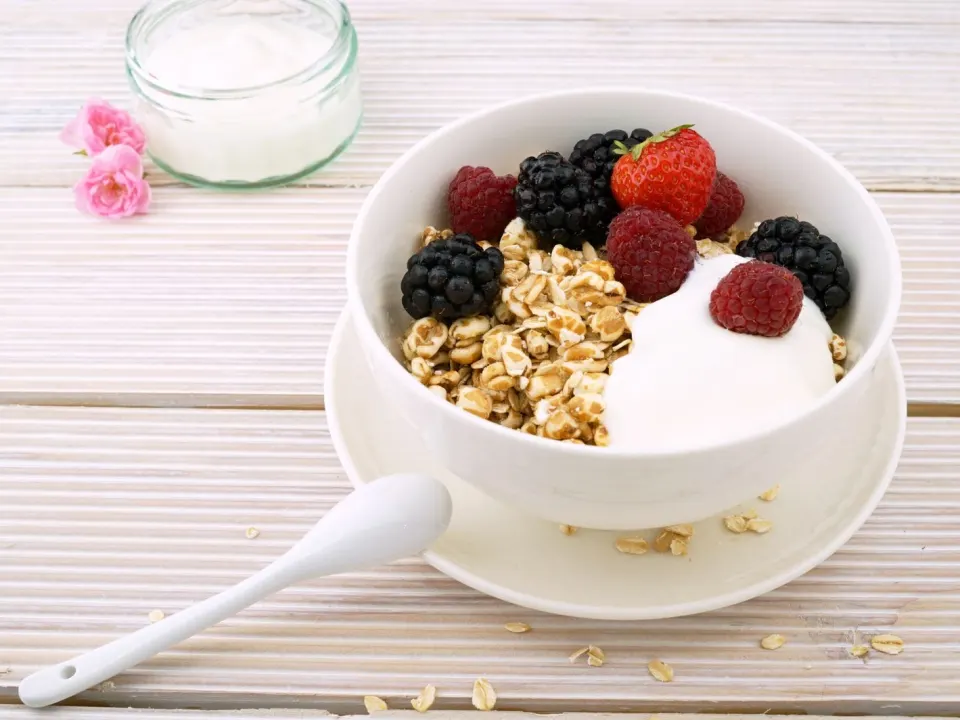
Eating after oral surgery still needs protein for repair. You do not need a steak on day one. Scrambled eggs, smooth yogurt, mashed beans, cottage cheese, and blended soup with red lentils are kinder. Our everyday protein guide lists portions you can mash or stir into a bowl.
Cool or lukewarm is safer than piping hot. NHS pages warn against very hot drinks because they can encourage bleeding or scald a numb mouth. Let tea stand. Let soup sit. Test on your lip first.
Avocado mashed with a fork is a MedlinePlus example. Banana is another. Smooth mashed potato without crispy bits works. Ice cream is fine for some people if it is not a sugar-only meal and if cold does not ache. Skip cones, flakes and nuts on top.
Ready meals can be soft and still ultra-processed. A pouch of bland mash is useful for one night. A week of reconstituted snacks is a poorer pattern. Our ultra-processed foods guide explains the difference. Use packets as a bridge, then cook simple mash and eggs when you can stand at the hob.
Drinks, straws and dry socket risk
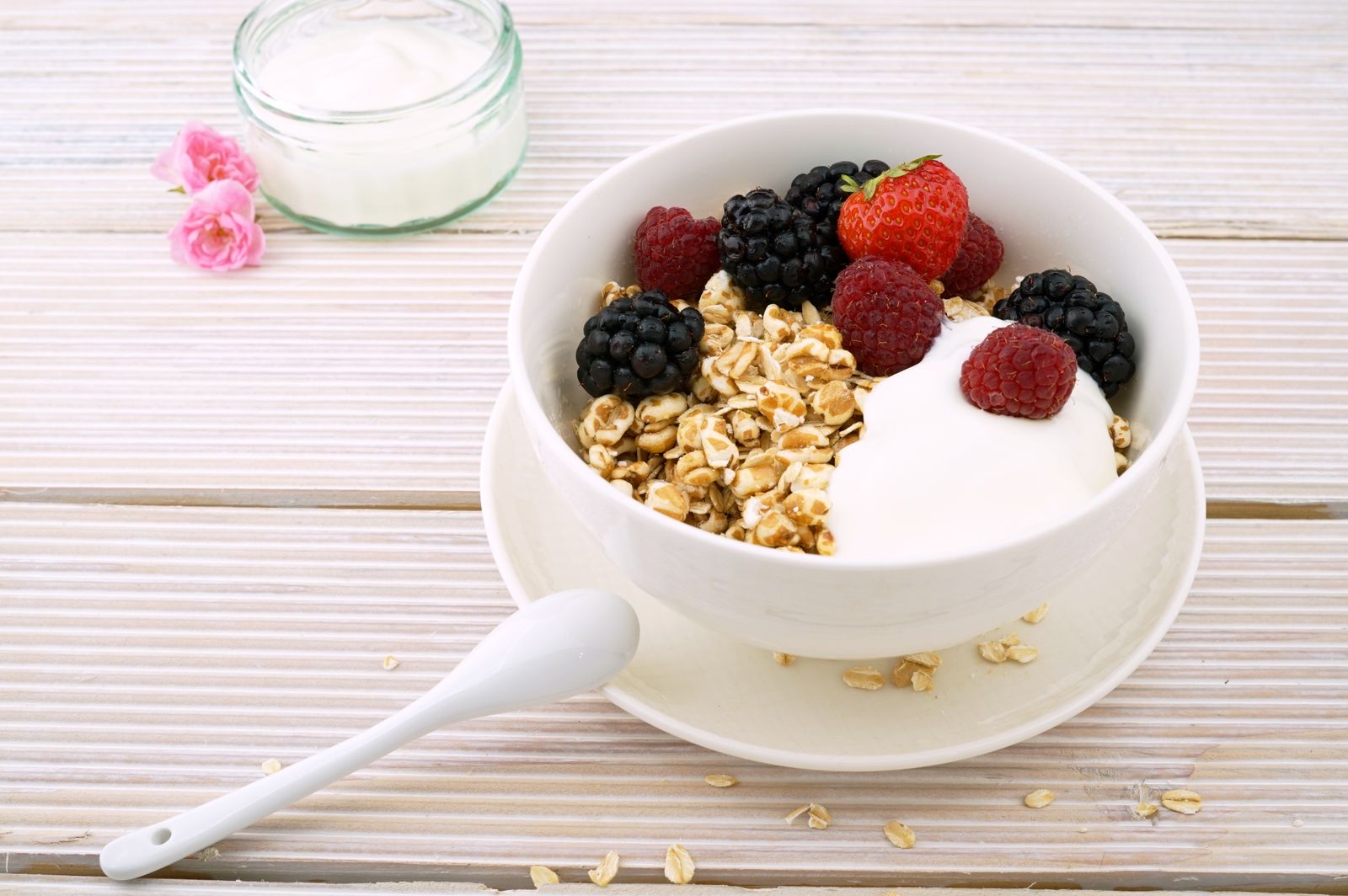
Dry socket is a painful gap where the clot failed or was pulled out. MedlinePlus flags straws for at least the first 24 hours. The suction is the problem, not the plastic. Sip from a cup. Do not use a sports bottle that needs a hard pull.
Eating after oral surgery also means sipping enough fluid. Thirst is common if you were nil by mouth. Small sips beat a huge gulp that makes you rinse the wound. The everyday hydration guide is still useful here: pale urine, not a forced litre count.
NHS lists alcohol as a “don’t” in the first days. It can raise bleeding risk and mix badly with painkillers. Very hot drinks sit on the same list. Smoking also raises infection risk. Nicotine patches are a conversation with your dentist or GP, not a food tip.
Salt-water rinses start when your dentist says, not the minute you get home. NHS wisdom-tooth advice is to keep the wound clean with a gentle mouthwash or warm salt water, and to clean other teeth carefully. Do not poke the socket with your tongue on purpose.
| Phase | Usually OK | Usually wait |
|---|---|---|
| First 24 hours | Yogurt, lukewarm soup, mashed banana, water from a cup | Straws, alcohol, very hot drinks, hard chewing |
| Next few days | Mashed potato, scrambled egg, avocado, smoothies sipped from a glass | Nuts, seeds, crusty bread, crunchy snacks |
| About one week | Soft fish, tender pasta, well-cooked vegetables if chewing is easy | Anything that still hurts or lodges in the socket |
| Through two weeks | A slow return to your usual meals as the socket settles | Smoking, and any food your dentist still forbids |
How to chew, rinse and time pain relief with meals
Chew on the other side if you still have teeth there. Small forkfuls. Sit up. Gravity helps more than a reclining sofa. If both sides are sore, stay with spoons and bowls.
Numb lips burn easily. Do not test heat with a numb tongue. Wait until feeling returns before a hot mug. MedlinePlus suggests a cold pack on the cheek for 10 to 20 minutes at a time, wrapped in a cloth, to ease swelling. That is a cheek pack, not an ice cube in the socket.
Eat something before painkillers if the label or your dentist says so. Empty-stomach ibuprofen can irritate. Follow the dose you were given. Do not add extra tablets from a drawer.
Avoid heavy gym sessions for the first couple of days, as MedlinePlus advises. A short walk around the house is different from a max-effort lift that raises blood pressure in the wound.
When eating after oral surgery needs urgent help
Most people improve after a day or two. Seek urgent dental care or NHS 111 if bleeding will not stop, if pain and swelling get worse, or if you have a bad taste, fever, or feel unwell. MedlinePlus also flags a clot that falls out days later, trouble swallowing, rash, or chest symptoms.
Nerve tingling in the lip, tongue or chin can happen after some wisdom-tooth removals. NHS pages say this often settles, but it can last weeks. Report it rather than waiting in silence.
Allergy to antibiotics or painkillers is a medical emergency if breathing is hard or the face swells fast. Call 999 in the UK or 911 in the US.
People with diabetes, a bleeding disorder, or a jaw that will not open should follow personal advice first. This article cannot set a texture ladder for those conditions.
Practical plates for this life stage
Translate eating after oral surgery into plates: a protein food, a fibre-rich carbohydrate, vegetables or fruit, and fluid. Soft or safer textures may be needed after dental work; smaller more frequent meals may suit pregnancy nausea or older adults with low appetite.
Keep ultraprocessed salty meats and sugary drinks from becoming the default “easy” option in stressed seasons.
Worked examples that make sense of eating after oral surgery
Start from the article’s own emphasis on eating after oral surgery. Translate it into one breakfast, one lunch and one dinner you could eat this week without speciality shops. If a tip only works with unlimited time or expensive powders, rewrite it until it fits a normal weekday.
Key ideas already flagged in this piece include: Eating after oral surgery stays soft and lukewarm until chewing is comfortable. NHS advice is liquid or soft food first, then a slow return. MedlinePlus lists yogurt, mashed potato, soup, avocado and banana. Avoid hard and crunchy food for about a week. Skip straws for at least 24 hours. Suction can dislodge the blood clot and cause a dry socket.. Keep those ideas visible on a note on the fridge or in your phone groceries list.
UK and US readers may see different units on packs (kJ vs kcal, salt vs sodium, ml vs fl oz). Convert once for the products you buy often, then stop redoing arithmetic at every meal while you practise eating after oral surgery.
Safety rules that matter more than perfection
Food safety (thorough cooking, fridge times, avoiding high-risk foods in pregnancy) often matters more than perfect micronutrient spreadsheets. Follow NHS/CDC-style lists for cheeses, meats, fish species and caffeine limits when they apply to eating after oral surgery.
When to seek tailored advice
Persistent vomiting, fainting, chest pain, suicidal thoughts, rapid unintended weight change or blood in stools need urgent clinical pathways—not another article. Use GP, NHS 111, or local emergency services as appropriate while you adjust everyday eating after oral surgery habits.
Extra practical checks worth doing once
Translate eating after oral surgery into plates: a protein food, a fibre-rich carbohydrate, vegetables or fruit, and fluid. Soft or safer textures may be needed after dental work; smaller more frequent meals may suit pregnancy nausea or older adults with low appetite.
Keep ultraprocessed salty meats and sugary drinks from becoming the default “easy” option in stressed seasons.
A follow-up detail for busy weeks
Food safety (thorough cooking, fridge times, avoiding high-risk foods in pregnancy) often matters more than perfect micronutrient spreadsheets. Follow NHS/CDC-style lists for cheeses, meats, fish species and caffeine limits when they apply to eating after oral surgery.
Frequently asked questions
How long does eating after oral surgery stay this soft?
Can I drink a smoothie through a straw after day one?
Is ice cream a good first meal?
When can I eat toast or salad again?
Do I need meal-replacement shakes?
Sources
- 1. Wisdom tooth removal
- 2. Tooth extraction
- 3. Take care of your teeth and gums
- 4. About oral health
- 5. Wisdom teeth
- 6. The Eatwell Guide
Guidance changes. Figures were checked against the sources above at the time of review; always confirm current advice with your GP, pharmacist or clinician.
Image credits
- Photo: Photo by Klaus Nielsen on Pexels / Openverse
- Photo: Photo by Tom Eversley on Pexels / Openverse
- Photo: Photo by Daria Shevtsova on Pexels / Openverse
Was this useful?
Anyone can react — no account needed.




Discussion
0 comments · Name and email only · Email is never shown