
Zinc foods are ordinary items on a UK or US plate, not a clinic powder. Meat, shellfish, cheese, beans and seeds all count. How well you absorb the mineral depends on the rest of the meal.
Most adults can cover zinc from daily meals. NHS pages say you should be able to get what you need from a varied diet. The US Office of Dietary Supplements lists the same idea: food first, then a supplement only if a clinician has a reason.
This guide names zinc foods in kitchen portions. It explains who absorbs zinc less well. It does not diagnose a deficiency. It does not promise immune “boosts” or faster healing from a snack.
What zinc foods actually do in a normal diet
Zinc helps the body make new cells and enzymes. It helps process carbohydrate, fat and protein from food. It also supports wound healing. That is the NHS list. It is not a licence to treat a cut with oysters.
MedlinePlus adds taste, smell and immune defences to the same picture. A shortfall can show up as slow healing, hair shedding, or food that tastes dull. Those signs have many causes. Only a clinician can sort them.
You do not need a specialist aisle. A palm-sized piece of beef, a tin of crab, a pot of yogurt, or a small handful of pumpkin seeds can all move the day’s total. Fortified breakfast cereal can help if the label lists zinc. Our food label guide shows where that line sits on UK and US packs.
Zinc foods work inside a meal pattern, not as a hero ingredient. The Mediterranean diet evidence guide is a useful frame: fish, pulses, dairy and modest meat, not a single “super” shellfish night.
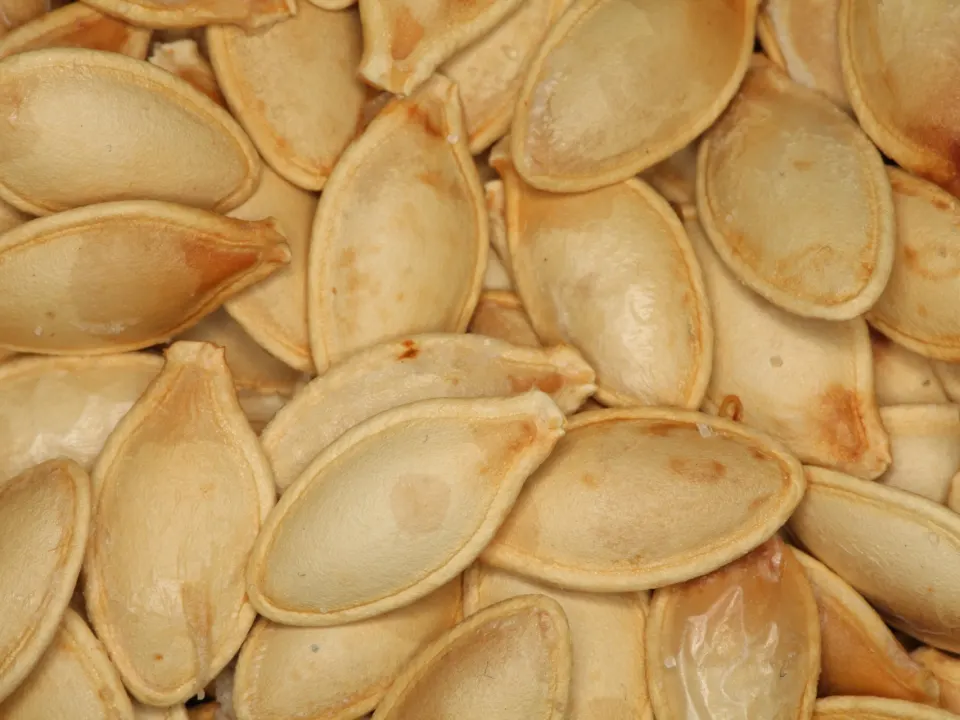
How zinc foods and absorption change with the plate
Absorption means how much zinc from the gut reaches the rest of you. Animal protein helps. Phytates in whole grains, bran and many beans bind zinc and hold some of it back. That is why MedlinePlus says plant zinc is less available than zinc from meat.
The NIH Office of Dietary Supplements is specific for vegetarians. People who eat no meat may need as much as 50 percent more zinc from food because of those plant blockers. That is not a command to swallow 40 mg tablets. It is a cue to eat beans, seeds, dairy if you use it, and zinc-fortified cereal more often.
Soaking, fermenting and leavening can lower phytates a little. Sourdough bread is a familiar example. A bowl of raw bran on yogurt is a poor zinc strategy. Cheese on the side of a bean stew is a better kitchen habit than a megadose lozenge.
High-dose iron tablets can also compete with zinc. If you take iron for a clinical reason, ask the prescriber about timing. Do not add extra zinc on top without advice. More is not a safer hedge.
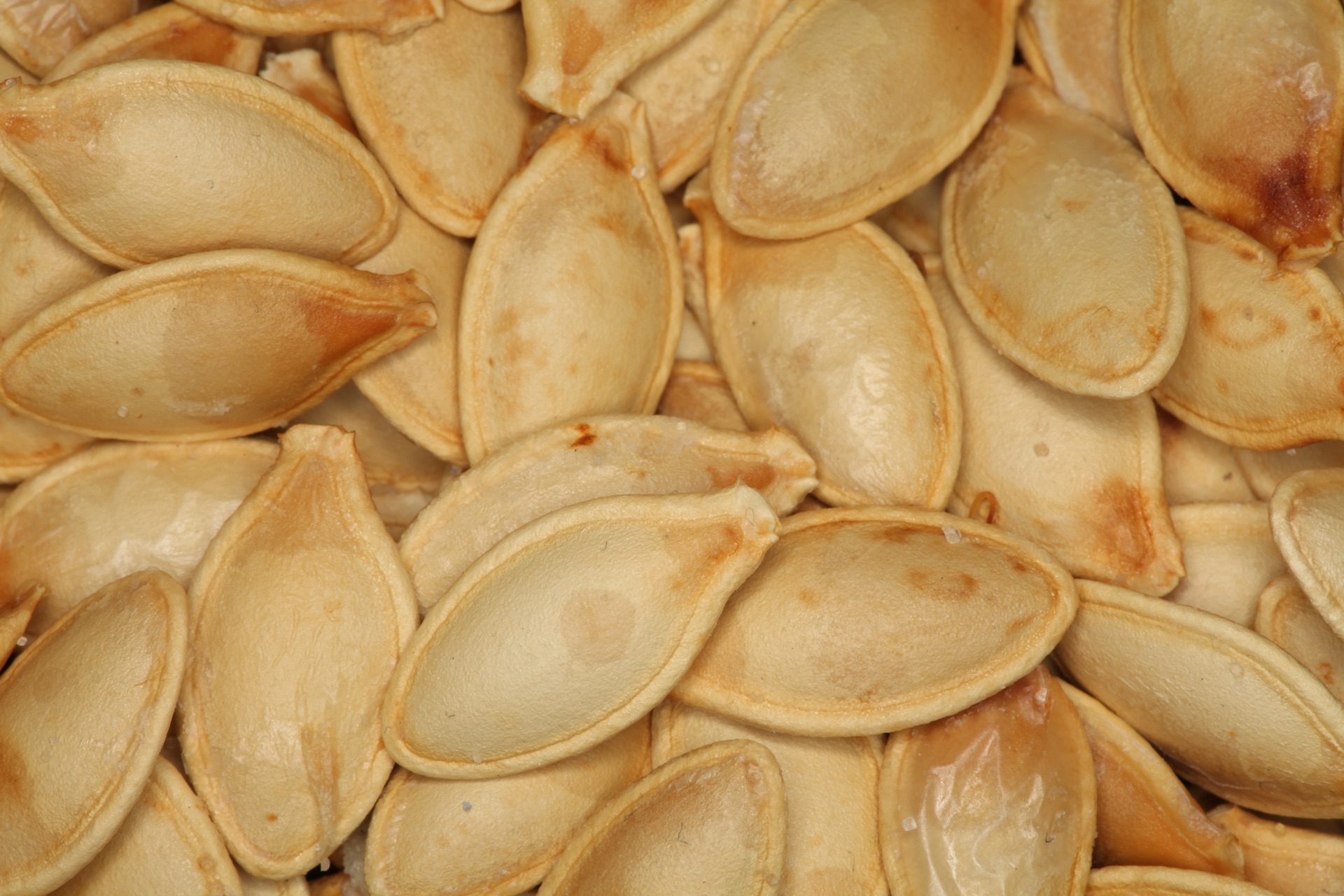
Everyday zinc foods in kitchen portions
US adult Daily Values use 11 mg of zinc as 100 percent. The NIH food table is built on that number. UK plates can still use the same portions. You are matching food to a small milligram target, not chasing a percentage on a US pack.
Oysters sit at the top of almost every chart. A 3-ounce serving of cooked eastern oysters can provide about 74 mg. That is far above a day’s need. You do not need oysters every week. A smaller serve of beef, crab or cheese covers a normal Tuesday.
Think in meals you already cook. A card-sized piece of braised beef is about 7 mg. Alaska king crab of the same cooked weight is about 6.5 mg. An ounce of roasted pumpkin seeds is about 2.2 mg. A standard 8-ounce fruit yogurt is about 1.7 mg. Half a cup of chickpeas is about 1.3 mg.
| Food and portion | Zinc (mg) | Kitchen cue |
|---|---|---|
| Oysters, cooked, 3 oz (85 g) | 74 | A small plate of shellfish, not a daily habit |
| Beef chuck roast, 3 oz (85 g) | 7.0 | About a deck-of-cards piece |
| Alaska king crab, 3 oz (85 g) | 6.5 | A modest seafood serving |
| Pumpkin seeds, 1 oz (28 g) | 2.2 | A small handful |
| Fruit yogurt, 8 oz (245 g) | 1.7 | A standard pot |
| Chickpeas, cooked, 1/2 cup | 1.3 | A side of beans |
Breakfast cereal numbers vary. Some flakes add about 2.8 mg per labelled serving. That only helps if you actually eat that serving with milk. Ultra-processed cereals can still be high in sugar. Our ultra-processed foods guide is the place to weigh that trade-off. Fortification is a tool, not a free pass for a giant bowl.
Drink water with meals as you usually would. Zinc is not a reason to force extra litres. The everyday hydration guide covers thirst, tea and urine colour without turning dinner into a fluid protocol.
Who should pay extra attention to zinc foods
Most mixed diets in the UK and US meet zinc without a spreadsheet. Some groups have less margin. People who eat little meat or fish. People with Crohn’s disease, coeliac disease, or other gut conditions that a clinician already follows. People with alcohol dependence. Older adults who eat very little protein. Pregnant and breastfeeding people have higher US targets (11 mg and 12 mg).
Breastfeeding and pregnancy needs belong with maternity care, not with a sports-shop zinc bottle. NHS pregnancy pages still put food first unless a midwife or doctor adds a product.
If you are vegan, plan zinc foods on purpose. Beans, lentils, tofu, nuts, seeds, whole grains and fortified cereal can add up. Pair them across the day. Do not rely on fruit. MedlinePlus is blunt: fruit and vegetables are poor zinc sources.
Wound clinics sometimes check zinc. That is a medical decision. Extra tablets during healing can still cause nausea or copper problems. Follow the team that is treating the wound.
Supplements, high doses and when to get help
NHS advice is clear on pills. Do not take more than 25 mg of zinc from supplements each day unless a doctor advises it. High doses cut copper absorption. That can lead to anaemia and weaker bones over time.
The US tolerable upper intake for adults is 40 mg a day from food and supplements combined. Cold lozenges and some “immune” sprays can push you over that line without looking like a vitamin. Nasal zinc gels have been linked to loss of smell. Food is the safer default.
Seek care for unexplained hair loss, ongoing diarrhoea, wounds that will not close, or a diet you cannot keep down. Call 999 in the UK or 911 in the US for severe allergic swelling, trouble breathing, or collapse after shellfish. Online charts cannot examine you.
This article cannot set a personal milligram target for kidney disease, chelation therapy, or a prescribed mineral plan. A dietitian or GP (US: physician) can.
Food-first portions before you consider a supplement
List the ordinary foods that supply zinc foods before buying pills: dairy or fortified alternatives for calcium; meat, beans and vitamin C–paired plants for iron; fish, eggs or fortified foods for B12 and iodine depending on the nutrient; colourful plants for folate; nuts and seeds for magnesium and zinc.
Build one “anchor” meal daily that includes a strong source, then fill gaps across the week rather than micromanaging every bite.
Worked examples that make sense of zinc foods
Start from the article’s own emphasis on zinc foods. Translate it into one breakfast, one lunch and one dinner you could eat this week without speciality shops. If a tip only works with unlimited time or expensive powders, rewrite it until it fits a normal weekday.
Key ideas already flagged in this piece include: Zinc foods include meat, shellfish, dairy, bread, beans, nuts and seeds. Fruit and salad barely add any. UK advice is about 9.5 mg a day for men aged 19 to 64, and 7 mg a day for women. US adult targets are 11 mg and 8 mg. Animal zinc foods are absorbed more readily than zinc from whole grains and pulses, because plant phytates bind the mineral.. Keep those ideas visible on a note on the fridge or in your phone groceries list.
UK and US readers may see different units on packs (kJ vs kcal, salt vs sodium, ml vs fl oz). Convert once for the products you buy often, then stop redoing arithmetic at every meal while you practise zinc foods.
When a supplement is—and is not—justified
Supplements for zinc foods make more sense when intake is reliably low (for example vitamin D in winter UK guidance, or B12 on vegan diets) or when a clinician documents deficiency. Multivitamins are not a shortcut past fruit, vegetables and protein foods. More than 100% of a daily value is not automatically better.
Interactions, upper limits and testing
Check upper limits, medicine interactions and pregnancy rules on the label and with a pharmacist. Excess fat-soluble vitamins and high-dose minerals can harm. Home testing kits vary in quality—interpret results with a professional when decisions about zinc foods hinge on a number.
Frequently asked questions
Do I need zinc foods every day if I eat meat twice a week?
Are oysters the only zinc foods worth eating?
Should vegetarians take a zinc supplement by default?
Can I use a cold lozenge as my zinc foods stand-in?
How do I read a cereal box for zinc?
Sources
- 1. Vitamins and minerals: others (zinc)
- 2. Zinc: fact sheet for consumers
- 3. Zinc: fact sheet for health professionals
- 4. Zinc in diet
- 5. Food sources of zinc
- 6. Healthy diet
Guidance changes. Figures were checked against the sources above at the time of review; always confirm current advice with your GP, pharmacist or clinician.
Image credits
- Photo: Photo by Klaus Nielsen on Pexels / Openverse
- Photo: Photo by Jud McCranie on Wikimedia Commons / Openverse
- Photo: Photo by Daniel Schwen on Wikimedia Commons / Openverse
Was this useful?
Anyone can react — no account needed.




Discussion
0 comments · Name and email only · Email is never shown