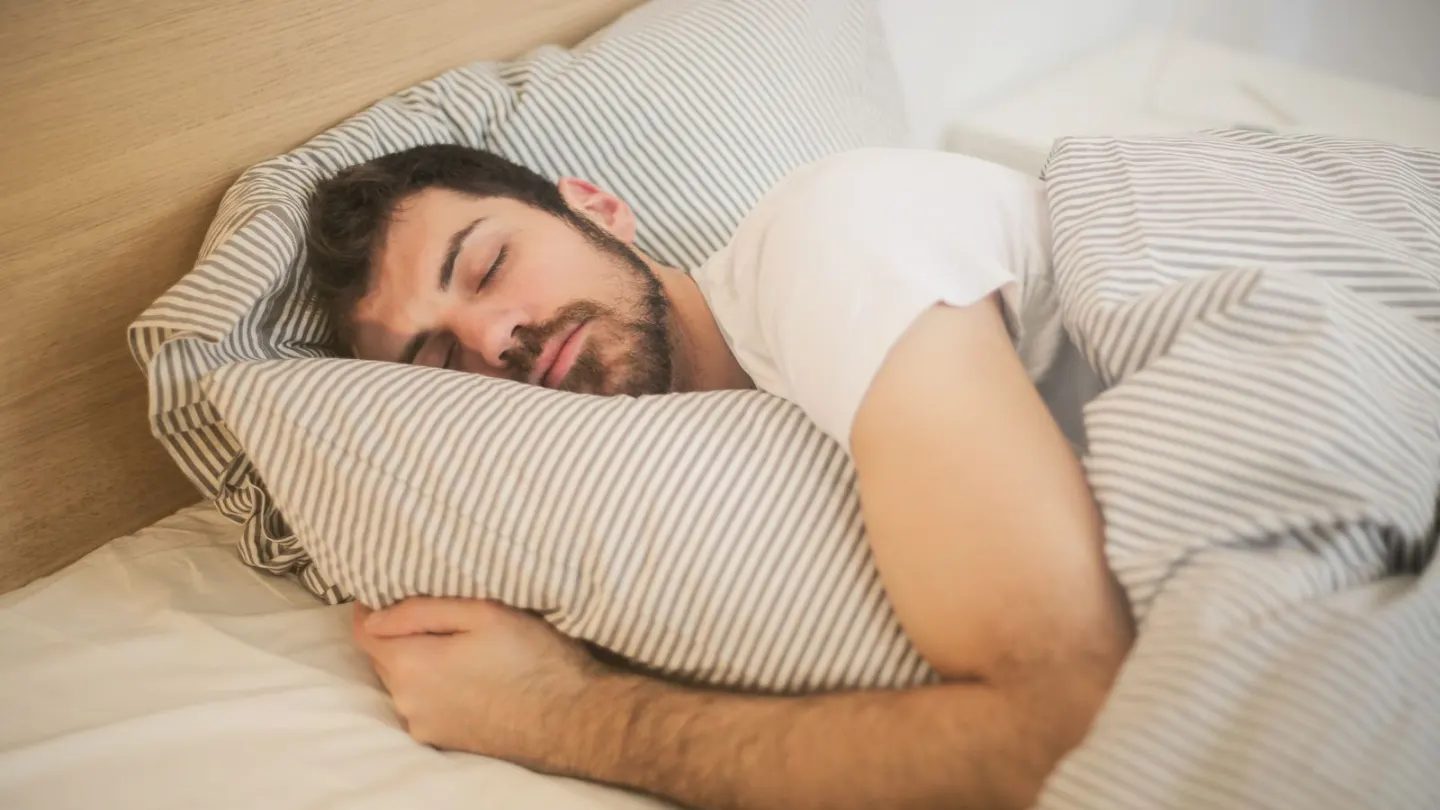
Sleep positions are not a personality test. Side, back and front each change snoring, neck load, reflux and, in later pregnancy, the safest way to fall asleep. There is no one pose that fits every body. Comfort plus a fairly straight spine usually beats a viral “perfect” pose.
Most adults roll through the night. You do not need to freeze in one shape. NHS snoring pages still treat back-sleeping as a common trigger for a noisy airway. Sleep Foundation pages treat side and back as easier on the spine than the front.
How sleep positions change snoring, pain and reflux
Think of pose as plumbing and scaffolding. Gravity pulls the tongue and soft tissue backward when you lie face-up. That is why NHS snoring advice includes “sleep on your side”. The same page lists extra weight, alcohol and a blocked nose as other drivers. Pose is one lever, not the whole story.
Side lying can also make night heartburn less likely for some people, especially on the left. Sleep Foundation notes that back lying can make acid more able to rise. If you wake with a sour taste, try a wedge under the mattress head and a left-side start. Do not stop prescribed reflux medicine because of a blog.
Pain is more personal. A side sleeper with a thick pillow can crank the neck. A back sleeper with no knee support can arch the low back. A front sleeper must turn the head to breathe. That twist is the usual morning-stiff-neck complaint.
Late caffeine and bright screens still matter more than hip angle. If you cannot drop off, check caffeine timing and screens at bedtime before you obsess over left versus right.
| Pose | Often helps | Often worsens | Simple pillow trial |
|---|---|---|---|
| Side (left or right) | Snoring versus the back; later pregnancy | Shoulder or hip pressure | Pillow between the knees |
| Back (face up) | Even load on the spine for some | Snoring, apnoea, night reflux | Small pillow under the knees |
| Front (face down) | May reduce snoring versus the back | Neck twist and low-back sag | Thin pillow or none |
| Mixed through the night | Normal; most adults roll | None by itself | Do not fight every roll; fix the start pose and the pillows |
Side sleeping: pillows, pregnancy and a tennis ball
Side is the most used adult pose in Sleep Foundation summaries. Aim for a fairly straight line from ear to hip. If the head pillow is too high, the neck kinks up. If it is too flat, the head drops toward the mattress. Match pillow height to the gap between neck and mattress, not to a shop label.
A pillow between the knees can take strain off the lower back and the top hip. Hug a second pillow if the top shoulder rolls forward. These are cheap tests. They are not medical devices.
NHS snoring and apnoea pages suggest side-sleeping tricks if you always roll onto your back. One old home trick is a tennis ball in a pocket sewn on the back of a T-shirt. Some people use a wedge. If you gasp, choke, or stop breathing, that is not a DIY project. See a GP. Pose changes do not replace assessed care for apnoea.
In later pregnancy the stakes are clearer. NHS pages say the safest way to go to sleep after 28 weeks is on your side, left or right. Going to sleep on the back in that window is linked with a higher stillbirth risk in research the NHS cites. If you wake on your back, turn to the side. Support the bump and put a pillow between the knees if that helps.
Back and front: when each helps or hurts
Back sleeping can feel “neutral”. For some necks and hips, it is. Place a small pillow under the knees so the low back is not forced into a hard arch. Keep the head pillow thin. A stack of hotel pillows pushes the chin toward the chest and can narrow the airway further.
If your partner says you snore only on your back, believe the log more than your memory. You cannot hear yourself. A week of “I started on my side” is a fair test. Alcohol the same week will muddy the result. Skip the late drink if you want a clean read.
Front sleeping is the rarest of the three main sleep positions. Sleep Foundation notes we spend little of the night this way. It can keep the tongue from falling back, which is why some snorers like it. The cost is a forced head turn. Try a very flat pillow, or none. A slim pillow under the pelvis can reduce the U-shape sag in the low back.
If front sleeping is the only way you nod off after a hard session, do not panic. Soreness and rest interact, which is why muscle soreness and recovery belong in the same week as pillow height. Change one thing.
A seven-night trial without buying a new mattress
Pick one start pose. Write it on a card: “Side, pillow between knees.” Keep wake time steady. For seven nights, start in that pose. Note four lines each morning: start pose, where you woke, neck or back score from 1 to 5, and whether anyone heard snoring.
Do not change caffeine, alcohol, and pillows in the same week. If you already lie awake for hours, a new pose will not replace insomnia care. Use the insomnia guide rather than adding a fourth gadget.
On night eight, keep what helped. If mornings are worse, revert. A mattress can wait. So can a “smart” pillow. The useful question is whether you function in daylight.
When a position change is not enough
See a GP or primary care clinician if you snore loudly and feel wrecked by day, if breathing pauses are seen, or if you gasp or choke. NHS sleep apnoea pages list those signs. Pose advice sits beside weight, alcohol, and a regular schedule. It is not a cure claim.
New numbness, weakness, or pain that wakes you every night needs a clinician, not a firmer pillow. After injury or surgery, follow the plan you were given.
Call 999 in the UK or 911 in the US for sudden chest pain, severe breathlessness, or signs of stroke. A sleep-position article cannot examine you.
Wind-down timings that protect sleep opportunity
For sleep positions, treat the last 60–90 minutes before your intended lights-out as protected time, not leftover admin. Pick a fixed “screens dim / caffeine closed / bedroom prep” window and keep it even when bedtime shifts by half an hour. A practical UK/US pattern many people can hold is: caffeine cut-off 8–10 hours before lights-out for most adults (earlier if you are caffeine-sensitive), alcohol stopped well before bed because it fragments later sleep, and a wind-down that begins while you still have enough energy to follow it.
Work backwards from wake time, not from when you feel tired. If you need to be up at 06:30, and you usually need about seven and a half hours of opportunity in bed, lights-out near 23:00 means wind-down starting around 21:30–22:00. Put the start time in the same place you keep alarms. If a late meeting steals the window, keep a fifteen-minute compress: lights lower, phone on charge outside the bed, brief stretch or quiet reading, then bed — rather than skipping the whole routine.
| Anchor | Suggested timing | Why it helps |
|---|---|---|
| Last caffeinated drink | 8–10 hours before lights-out (trial earlier if sleep latency stays long) | Caffeine’s half-life varies; afternoon cups still matter for many people |
| Alcohol cut-off | Finish drinks with dinner or earlier; avoid “nightcap” framing | Alcohol can shorten sleep onset then increase awakenings later |
| Wind-down start | 60–90 minutes before lights-out | Gives the body clock and arousal system time to settle |
| Screens / bright overheads | Dim or switch to warmer, lower light in the final hour | Bright light late at night can delay melatonin timing for some people |
Caffeine cut-offs and bedroom setup that support this topic
Whatever your focus within sleep positions, caffeine timing and bedroom cues still matter. Choose a personal cut-off (many adults do well stopping by early afternoon) and test it for a fortnight. Keep the bed for sleep and intimacy where possible; move email, scrolling and work reviews to another chair. If you are awake for a long stretch in the night, leave the bed for a few quiet, dim minutes and return when sleepiness returns — a common behavioural sleep strategy discussed with clinicians for persistent insomnia patterns.
Snoring, gasping, witnessed pauses in breathing, or crushing daytime sleepiness — especially when driving — are reasons to seek medical assessment rather than only optimising pillows. Trackers can show trends in timing and consistency; they do not diagnose sleep apnoea or replace clinical sleep studies when those are indicated.
A two-week sleep trial you can actually run
Change one lever at a time so you can see what helped:
- Days 1–3: Fix wake time (±30 minutes) every day, including the weekend if you can.
- Days 4–7: Enforce your caffeine cut-off and start wind-down 60 minutes before bed.
- Days 8–14: Keep those anchors; only then adjust bedroom light, noise or late meals.
Score each morning with three blunt items (0–2): sleep latency, overnight awakenings, and daytime function. Look for a trend across the fortnight, not a perfect night. If function stays poor despite adequate opportunity, or mood/safety is affected, step into clinical care rather than stacking more gadgets.
UK readers can browse NHS sleep and insomnia advice as a starting point; US readers can use CDC or MedlinePlus sleep pages, then confirm details with a clinician if symptoms persist. This is general education — it cannot examine you, review medicines that affect sleep, or promise a cure for insomnia, apnoea or shift-work disorder.
Medical note. This article is general information, not a diagnosis or a personal treatment plan. It does not replace advice from a GP, pharmacist, registered dietitian, physiotherapist, or other qualified clinician. Seek urgent help for severe, sudden, or rapidly worsening symptoms. UK readers can use NHS 111 for urgent advice; US readers can use local urgent care or emergency services when needed.
Frequently asked questions
Is there one healthiest of the three sleep positions?
Should I tape myself into a side pose all night?
Does left-side sleeping fix digestion?
I wake on my back in late pregnancy. Is that dangerous?
Sources
- 1. Sleep Foundation: What is the best sleeping position?
- 2. NHS: Snoring
- 3. NHS: Sleep apnoea
- 4. NHS: Tiredness and sleep problems in pregnancy
- 5. CDC: About sleep
Guidance changes. Figures were checked against the sources above at the time of review; always confirm current advice with your GP, pharmacist or clinician.
Image credits
- Photo: Photo by Andrea Piacquadio on Pexels / Openverse
- Photo: Photo by Jean van der Meulen on Pexels / Openverse
- Photo: Photo by MART PRODUCTION on Pexels / Openverse
Was this useful?
Anyone can react — no account needed.




Discussion
0 comments · Name and email only · Email is never shown