Sleep and immune function get sold as a superpower. The calmer story is smaller. NHLBI says rest affects parts of the defence system that become more active at different times of day. People who get too little rest may be more likely to pick up colds and other infections. That is not a vow that an early night will stop every virus. It is a reason to protect a 7-hour chance to rest and to keep the vaccines you are offered.
CDC pages treat short rest as a public-health issue, not a lifestyle extra. NHS pages on lack of rest list wide long-term links, including heart disease and low mood. Immune talk sits inside that wider file. You cannot nap your way out of a missed jab. You can make the next fortnight slightly easier to recover in.
What sleep and immune function research actually shows
Your defence system is not a single switch. Some cells patrol all day. Others get busy at night. NHLBI notes that when you rest, a particular type of immune cell works harder. That is one reason short rest is linked with more colds in research summaries. It is still a group pattern. Your neighbour’s 5-hour night is not your blood test.
CDC NIOSH training for long hours cites stark lab numbers. Restricting rest to 4 hours for one night cut natural killer cell activity to about 72% of a full-night comparison in the study they quote. Another design used 4 hours a night for 6 days, then recovery rest. Antibody production after a flu jab was more than 50% lower than in people with regular hours. Those are named study results, not a kitchen test.
Read them with brakes on. They do not prove that one late train causes cancer. The usable lesson is narrower: very short rest can change immune measures in labs. That is one more reason to stop treating 4-hour nights as a badge.
| Claim you might hear | What sources actually support | A proportionate habit |
|---|---|---|
| “Sleep boosts immunity” | Rest supports balanced defence; short rest is linked with more infections in summaries | Protect 7 hours most nights; do not skip offered vaccines |
| “One bad night ruins your jabs” | Some vaccine studies show weaker antibody responses after short rest around the dose | Aim for a normal night before and after a planned jab; still get the jab |
| “4 hours once wrecks killer cells” | One quoted lab night at 4 hours lowered a cell-activity measure versus a full night | Treat 4-hour nights as a problem to fix, not as proof you are doomed |
| “Buy this pillow to never get ill” | No public-health page sells a product as an immune shield | Use a dark, quiet room; skip the miracle SKU |
One short night versus a short week
Monday after a wedding is not the same as a month of 5-hour nights. Immune measures can move after a single short night in a lab. Day-to-day life still includes catch-up rest, food, and whether you were already fighting a virus. Judge the pattern. If you function, the odd late night is ordinary. If you crash every afternoon, look at duration, regularity, and illness, not a single score.
Adult need still starts at 7 hours on CDC pages. Many people feel better closer to 7 to 9. Age bands differ, which is why how much sleep by age is more useful than a workplace dare. Children and teens need more. Older adults still need enough, even if they wake more often.
Hard training without rest can leave you both sore and run down. That is a load problem. Pair sessions with nights, not with a “push through the fever” story. Muscle soreness and recovery is the neighbouring page when the issue is yesterday’s legs rather than a new supplement stack.
Vaccines, colds and modest claims
Sleep Foundation’s immunity page says rest supports both fast, general defence and the slower “memory” defence that vaccines train. Some hepatitis and flu-jab studies found a weaker response when people missed rest around the dose. In some reports that meant less protection and talk of extra doses. That is a research signal. It is not a reason to delay a booked jab because you slept 6 hours. Get the vaccine. Then protect the next night.
Colds are the humble example. NHLBI says people who do not rest enough may be more likely to get them. You still wash hands. You still stay home when you are infectious. Rest is a support beam, not a force field.
If you are already ill, extra rest is sensible. It is not a treatment plan for pneumonia, asthma flares, or a fever in a baby. Follow clinical advice. Night breathing can worsen in asthma and some lung diseases, NHLBI notes. That is a medical issue, not an “immune hack”.
Habits that support rest, not miracle immunity
Use the boring list. Steady wake time. Daylight in the morning or at lunch. Caffeine finished by mid-afternoon if bedtime is 10:30. Alcohol not used as a nightcap. A dark, quieter room. That is the same list as sleep hygiene that actually matters. It is not an immune protocol. It is how you give the defence system the hours the pages describe.
If you cannot drop off for weeks, more rituals will not replace insomnia care. Use what to do when sleep will not come and ask for proper help. Chronic short rest is the pattern labs worry about, not a missing crystal.
Food still matters in the ordinary way: regular meals and foods you already buy. Do not start a 20-supplement “winter stack” because a reel said your immunity is “low”.
When tiredness needs a clinician
See a GP or primary care clinician if insomnia lasts, if you gasp or snore with pauses, if you nod off while driving, or if you get infections that are unusually frequent or severe. Mention medicines that make you drowsy or wired. Mention shift work. A webpage cannot sort leukaemia from a bad month of colds. That is the point of an appointment.
Urgent danger still uses emergency numbers. Severe breathlessness, a non-blanching rash with fever, chest pain, or confusion is not a sleep article. Call 999 in the UK or 911 in the US.
People on immune-suppressing drugs, in cancer treatment, or living with HIV need their own team’s rules. Rest still helps you function. It does not rewrite those protocols.
Wind-down timings that protect sleep opportunity
For sleep and immune function, treat the last 60–90 minutes before your intended lights-out as protected time, not leftover admin. Pick a fixed “screens dim / caffeine closed / bedroom prep” window and keep it even when bedtime shifts by half an hour. A practical UK/US pattern many people can hold is: caffeine cut-off 8–10 hours before lights-out for most adults (earlier if you are caffeine-sensitive), alcohol stopped well before bed because it fragments later sleep, and a wind-down that begins while you still have enough energy to follow it.
Work backwards from wake time, not from when you feel tired. If you need to be up at 06:30, and you usually need about seven and a half hours of opportunity in bed, lights-out near 23:00 means wind-down starting around 21:30–22:00. Put the start time in the same place you keep alarms. If a late meeting steals the window, keep a fifteen-minute compress: lights lower, phone on charge outside the bed, brief stretch or quiet reading, then bed — rather than skipping the whole routine.
| Anchor | Suggested timing | Why it helps |
|---|---|---|
| Last caffeinated drink | 8–10 hours before lights-out (trial earlier if sleep latency stays long) | Caffeine’s half-life varies; afternoon cups still matter for many people |
| Alcohol cut-off | Finish drinks with dinner or earlier; avoid “nightcap” framing | Alcohol can shorten sleep onset then increase awakenings later |
| Wind-down start | 60–90 minutes before lights-out | Gives the body clock and arousal system time to settle |
| Screens / bright overheads | Dim or switch to warmer, lower light in the final hour | Bright light late at night can delay melatonin timing for some people |
Caffeine cut-offs and bedroom setup that support this topic
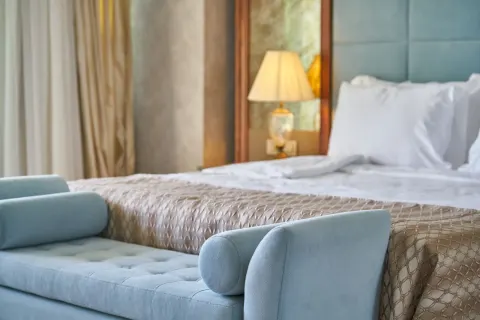
Whatever your focus within sleep and immune function, caffeine timing and bedroom cues still matter. Choose a personal cut-off (many adults do well stopping by early afternoon) and test it for a fortnight. Keep the bed for sleep and intimacy where possible; move email, scrolling and work reviews to another chair. If you are awake for a long stretch in the night, leave the bed for a few quiet, dim minutes and return when sleepiness returns — a common behavioural sleep strategy discussed with clinicians for persistent insomnia patterns.
Snoring, gasping, witnessed pauses in breathing, or crushing daytime sleepiness — especially when driving — are reasons to seek medical assessment rather than only optimising pillows. Trackers can show trends in timing and consistency; they do not diagnose sleep apnoea or replace clinical sleep studies when those are indicated.
A two-week sleep trial you can actually run
Change one lever at a time so you can see what helped:
- Days 1–3: Fix wake time (±30 minutes) every day, including the weekend if you can.
- Days 4–7: Enforce your caffeine cut-off and start wind-down 60 minutes before bed.
- Days 8–14: Keep those anchors; only then adjust bedroom light, noise or late meals.
Score each morning with three blunt items (0–2): sleep latency, overnight awakenings, and daytime function. Look for a trend across the fortnight, not a perfect night. If function stays poor despite adequate opportunity, or mood/safety is affected, step into clinical care rather than stacking more gadgets.
UK readers can browse NHS sleep and insomnia advice as a starting point; US readers can use CDC or MedlinePlus sleep pages, then confirm details with a clinician if symptoms persist. This is general education — it cannot examine you, review medicines that affect sleep, or promise a cure for insomnia, apnoea or shift-work disorder.
Medical note. This article is general information, not a diagnosis or a personal treatment plan. It does not replace advice from a GP, pharmacist, registered dietitian, physiotherapist, or other qualified clinician. Seek urgent help for severe, sudden, or rapidly worsening symptoms. UK readers can use NHS 111 for urgent advice; US readers can use local urgent care or emergency services when needed.
Frequently asked questions
Can I catch up at the weekend and reset my immune system?
Should I delay a vaccine after a short night?
Does this mean I should take immune supplements at bedtime?
I got a cold after one late night. Did I cause it?
Sources
- 1. NHLBI: Why sleep is important
- 2. CDC NIOSH: Sleep and the immune system
- 3. CDC: About sleep
- 4. Sleep Foundation: How sleep affects immunity
- 5. NHS: Why lack of sleep is bad for your health
Guidance changes. Figures were checked against the sources above at the time of review; always confirm current advice with your GP, pharmacist or clinician.
Image credits
- Photo: Photo by juliane Monari on Pexels / Openverse
- Photo: Photo by Pixabay on Pexels / Openverse
- Photo: Photo by Naro K on Pexels / Openverse
Was this useful?
Anyone can react — no account needed.

Discussion
0 comments · Name and email only · Email is never shown