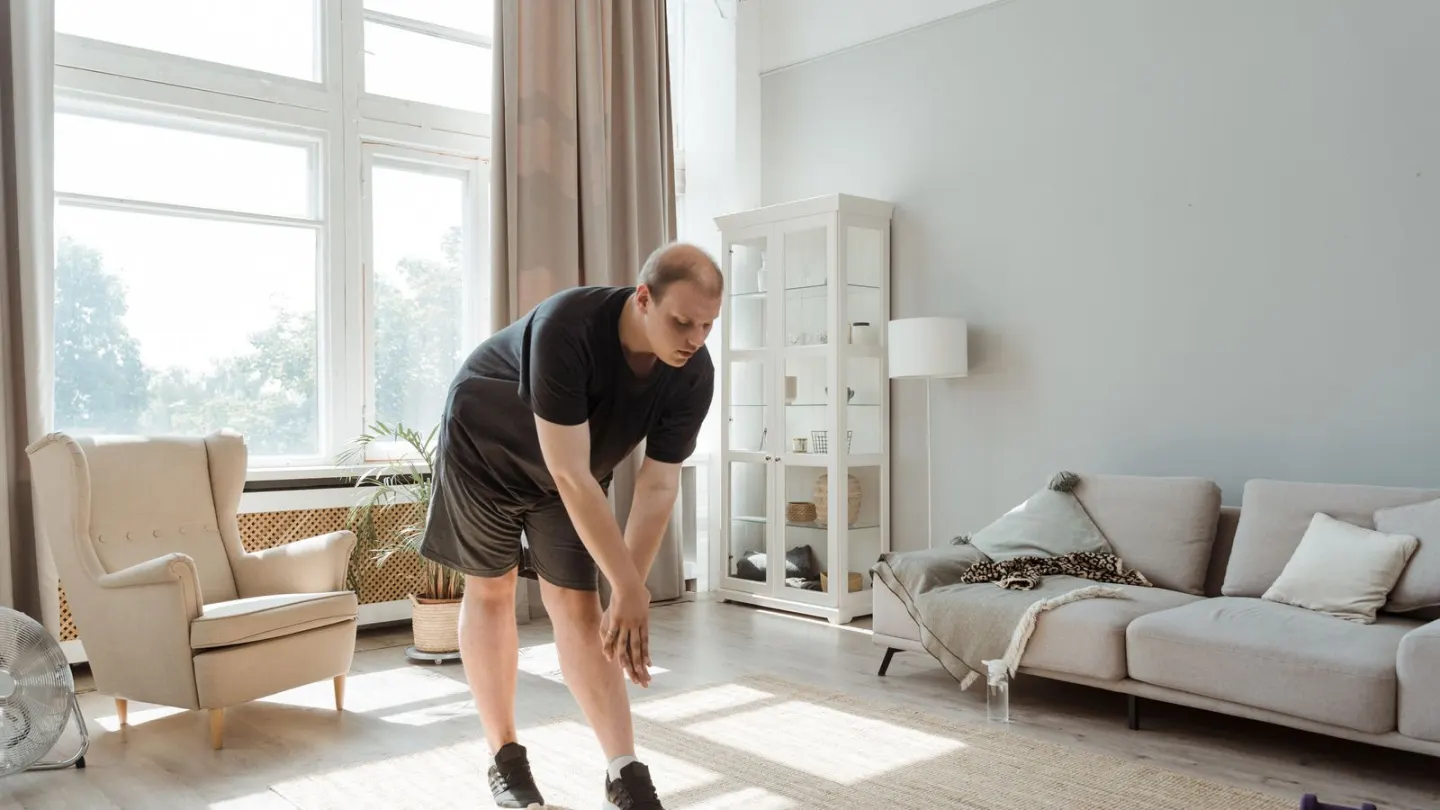
Hard training and short nights pull in opposite ways. Sleep is the recovery. Training is the stress. Pick sleep first.
You finish a heavy session and still stare at the ceiling. Or you drag through squats on five hours. That clash is common. Training and poor sleep feed each other. Sleep Foundation pages call the link two-way. Regular activity can help sleep. Poor sleep then cuts how much you move the next day. If both are failing, change sleep first. Then trim training load. A 6am personal best on four hours is not discipline. It is a stall.
Training and poor sleep: which to change first
Change sleep first. That is the short answer. Training is a useful stress. Sleep is how you absorb it. Sleep Foundation notes that rest after a workout helps tissues recover. Poor sleep can also make you less active the next day. Piling volume onto a short night raises injury and grouchiness more than fitness.
This is not an excuse to skip all movement. A 20-minute walk still helps mood. The change is the hard stuff. Drop the extra set. Move the interval session. Keep the easy work. Think of one poor night as a yellow flag. Think of three poor nights as a red flag. Red means deload, not heroics.
Need a target? See how much sleep by age. NHS averages for adults sit at seven to nine hours. CDC material uses at least seven hours as the usual floor. You may need more in a heavy training block. You do not need less.
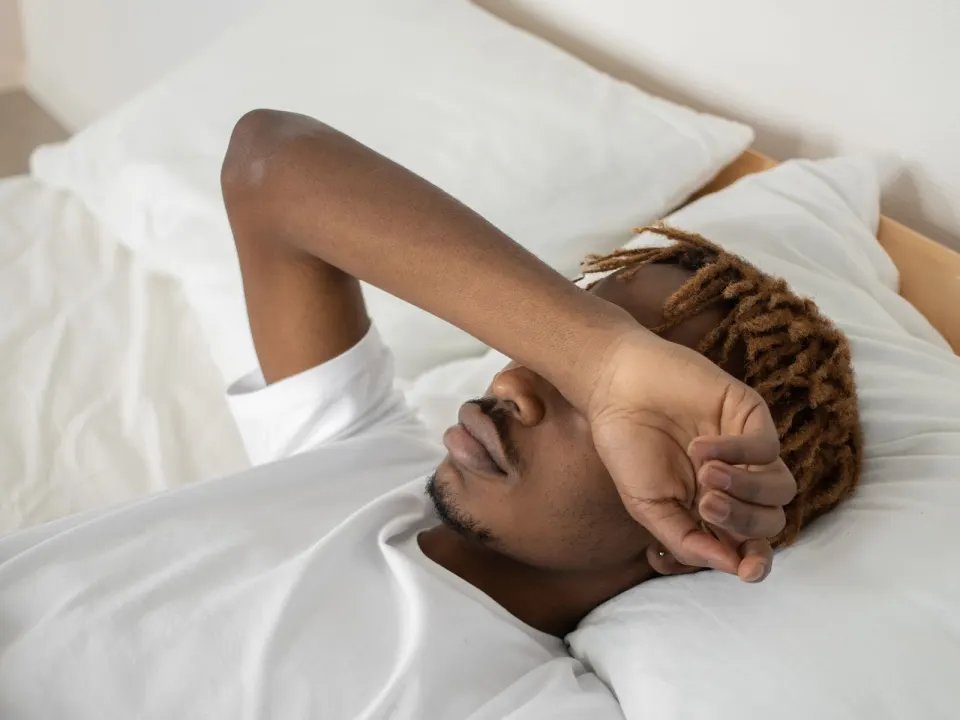
What poor sleep does to a training week
Short sleep makes sessions feel harder. Reaction time slips. Balance can wobble. You reach for extra caffeine, then sleep even worse. That loop is familiar. It is also optional.
Sleep Foundation summaries say regular moderate activity can help people fall asleep faster and sleep more soundly. The benefit grows over weeks, not after one brutal hour. Hard, late sessions are a different story. They can raise body temperature and alertness when you want the opposite.
If you wake unrefreshed for weeks, look beyond the gym. Pain, worry, alcohol, and a glowing phone all count. Our guide for when sleep will not come covers the next steps. Do not add a 5am session as a “fix” for insomnia. That often backfires.
| Last night | Today’s session | What to change |
|---|---|---|
| Under 6 hours | Skip the hard intervals or heavy singles | Walk, mobility, or an easy spin. Earlier bedtime tonight. |
| About 6 to 7 hours, once | Keep technique work. Cut extra sets. | Cap caffeine after lunch. Dim the last hour. |
| 7 to 9 hours | Train as planned if you feel well | Keep the same wake time tomorrow, including weekends. |
| Three short nights in a row | Take an easy week or a rest day | Fix the room, caffeine and screens before you add volume. |
| Wired after late sessions | Move the hard work earlier | Keep evenings for a walk or stretch, not a max effort. |
Timing: when a session helps sleep, and when it spoils it
CDC adult activity advice still holds. Aim for at least 150 minutes of moderate activity a week, plus muscle work on two or more days. That dose can support sleep over time. The clock still matters for some people.
Sleep Foundation notes a common rule of thumb. Avoid strenuous exercise within about three hours of bedtime if it leaves you too warm or too alert. NHS insomnia pages go further for people who already cannot sleep. They suggest you do not exercise in the four hours before bed. That is a personal test, not a law. If a 7pm lift never spoils your night, keep it. If you lie buzzing, move it.
Morning sessions often suit sleep. They also clash with a late bedtime. If you train at 6am, you need an earlier lights-out, not a later Netflix. Evening stretch, a walk, or easy cycling is a better wind-down than a max effort.
Caffeine, screens and the 10pm “one more set”
Pre-workout drinks can sit in your system for hours. If sleep is the bottleneck, treat late caffeine as a training error. NHS insomnia advice says to skip tea, coffee, alcohol and nicotine for at least six hours before bed. Our caffeine and sleep timing guide maps that in more detail.
Phones in bed steal the same hours you hoped to recover. Dim the room. Put the device in another room. The sleep hygiene that actually matters list is short on purpose. You do not need a new gadget. You need a consistent wake time and a darker last hour.
The 10pm “one more set” is a trap. It feels productive. It often costs the next day’s quality. Park extra work for a morning when you slept. Your log will look slower for a week. Your body will not.
A two-week reset when both are failing
Pick a wake time and keep it. Set a bedtime that allows at least seven hours in bed. For 14 days, cap hard sessions at three. Put them before late afternoon if evenings wreck you. Walk on the other days. Cut caffeine after lunch. Skip alcohol on training nights.
Track two numbers only: time in bed, and whether the session felt like a 7 out of 10 or a 9. If nights stay broken after two weeks of this, stop self-coaching. Talk to a GP. Ask about insomnia, sleep apnoea, pain, and mood. Training plans cannot treat those.
If you snore loudly, gasp, or fall asleep at the wheel, seek care promptly. That is not a “push through” week. Ease the gym until someone has checked you.
Wind-down timings that protect sleep opportunity
For training and poor sleep, treat the last 60–90 minutes before your intended lights-out as protected time, not leftover admin. Pick a fixed “screens dim / caffeine closed / bedroom prep” window and keep it even when bedtime shifts by half an hour. A practical UK/US pattern many people can hold is: caffeine cut-off 8–10 hours before lights-out for most adults (earlier if you are caffeine-sensitive), alcohol stopped well before bed because it fragments later sleep, and a wind-down that begins while you still have enough energy to follow it.
Work backwards from wake time, not from when you feel tired. If you need to be up at 06:30, and you usually need about seven and a half hours of opportunity in bed, lights-out near 23:00 means wind-down starting around 21:30–22:00. Put the start time in the same place you keep alarms. If a late meeting steals the window, keep a fifteen-minute compress: lights lower, phone on charge outside the bed, brief stretch or quiet reading, then bed — rather than skipping the whole routine.
| Anchor | Suggested timing | Why it helps |
|---|---|---|
| Last caffeinated drink | 8–10 hours before lights-out (trial earlier if sleep latency stays long) | Caffeine’s half-life varies; afternoon cups still matter for many people |
| Alcohol cut-off | Finish drinks with dinner or earlier; avoid “nightcap” framing | Alcohol can shorten sleep onset then increase awakenings later |
| Wind-down start | 60–90 minutes before lights-out | Gives the body clock and arousal system time to settle |
| Screens / bright overheads | Dim or switch to warmer, lower light in the final hour | Bright light late at night can delay melatonin timing for some people |
Caffeine cut-offs and bedroom setup that support this topic
Whatever your focus within training and poor sleep, caffeine timing and bedroom cues still matter. Choose a personal cut-off (many adults do well stopping by early afternoon) and test it for a fortnight. Keep the bed for sleep and intimacy where possible; move email, scrolling and work reviews to another chair. If you are awake for a long stretch in the night, leave the bed for a few quiet, dim minutes and return when sleepiness returns — a common behavioural sleep strategy discussed with clinicians for persistent insomnia patterns.
Snoring, gasping, witnessed pauses in breathing, or crushing daytime sleepiness — especially when driving — are reasons to seek medical assessment rather than only optimising pillows. Trackers can show trends in timing and consistency; they do not diagnose sleep apnoea or replace clinical sleep studies when those are indicated.
A two-week sleep trial you can actually run
Change one lever at a time so you can see what helped:
- Days 1–3: Fix wake time (±30 minutes) every day, including the weekend if you can.
- Days 4–7: Enforce your caffeine cut-off and start wind-down 60 minutes before bed.
- Days 8–14: Keep those anchors; only then adjust bedroom light, noise or late meals.
Score each morning with three blunt items (0–2): sleep latency, overnight awakenings, and daytime function. Look for a trend across the fortnight, not a perfect night. If function stays poor despite adequate opportunity, or mood/safety is affected, step into clinical care rather than stacking more gadgets.
UK readers can browse NHS sleep and insomnia advice as a starting point; US readers can use CDC or MedlinePlus sleep pages, then confirm details with a clinician if symptoms persist. This is general education — it cannot examine you, review medicines that affect sleep, or promise a cure for insomnia, apnoea or shift-work disorder.
Medical note. This article is general information, not a diagnosis or a personal treatment plan. It does not replace advice from a GP, pharmacist, registered dietitian, physiotherapist, or other qualified clinician. Seek urgent help for severe, sudden, or rapidly worsening symptoms. UK readers can use NHS 111 for urgent advice; US readers can use local urgent care or emergency services when needed.
Frequently asked questions
Should I skip the gym after a bad night?
Is it better to train in the morning or evening?
Can more training cure insomnia?
How much caffeine is too much before a session?
When should I see a doctor rather than deload?
Sources
- 1. Physical activity and sleep
- 2. Insomnia
- 3. Adult physical activity guidelines
- 4. Sleep in adults: facts and stats
Guidance changes. Figures were checked against the sources above at the time of review; always confirm current advice with your GP, pharmacist or clinician.
Image credits
- Photo: Photo by MART PRODUCTION on Pexels / Openverse
- Photo: Photo by SHVETS production on Pexels / Openverse
- Photo: Photo by KATRIN BOLOVTSOVA on Pexels / Openverse
Was this useful?
Anyone can react — no account needed.




Discussion
0 comments · Name and email only · Email is never shown