Sleep & Recovery How-to / routine
Recovery Sleep After a Night Shift: Light, Timing and Family Plans
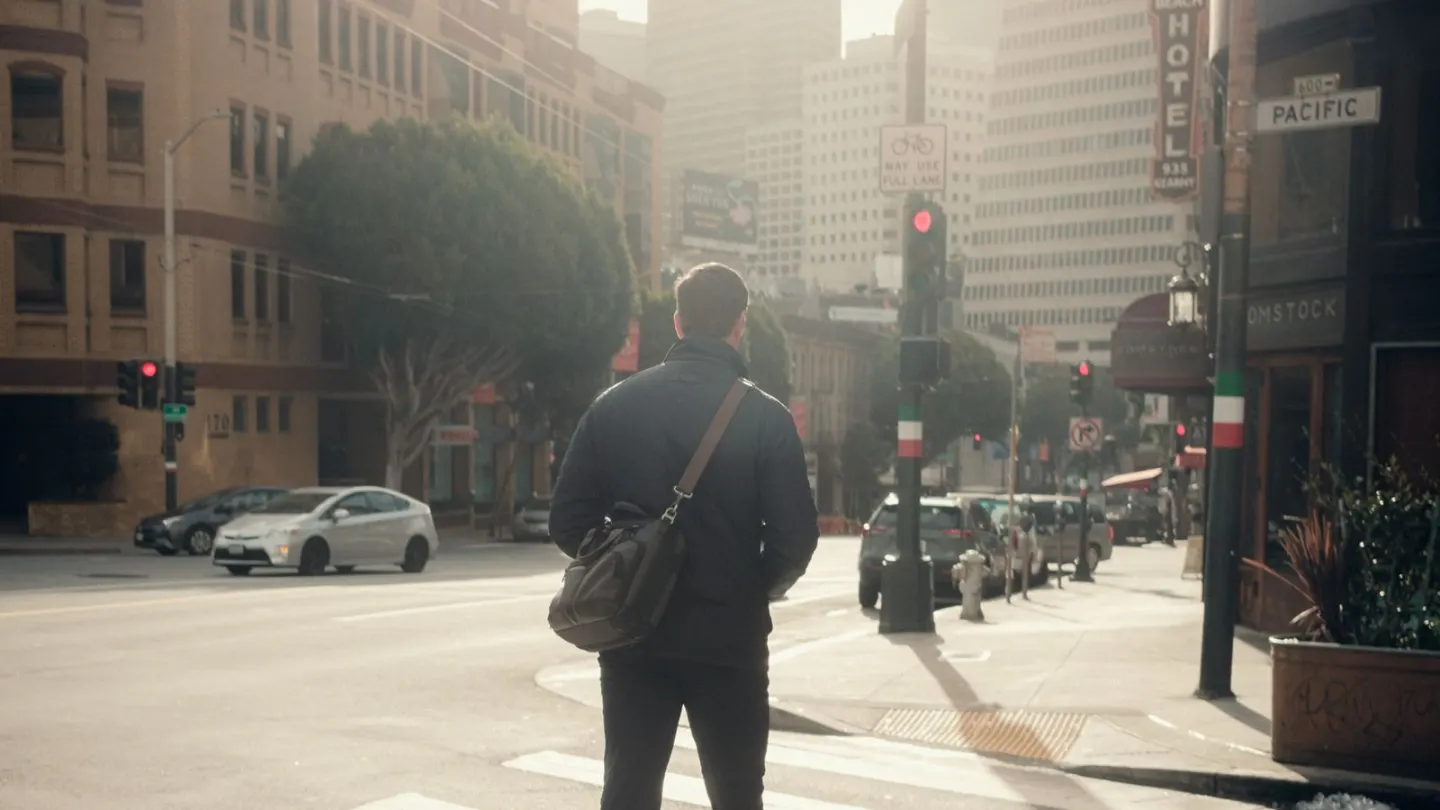
The body wants to sleep at night. After a late shift, you have to steal rest in daylight. A plan beats hope.
Finish a night shift and the street is already bright. Your brain reads that light as morning. Recovery sleep after a night shift is not a long lie-in on Saturday. It is a dark room, a fast bedtime, and a family deal that protects those hours. CDC NIOSH training for night workers is blunt. Go to bed when you get home. Get as much sleep as you can before the afternoon alert kicks in. Skip the errands.
Recovery sleep after a night shift: a simple plan
Night workers usually sleep less, and the sleep they get is lighter. NIOSH asks you to spend as long in bed as you can after the shift. That fights a strong habit. Breakfast with the kids or a quick wash can eat the only window you have.
If you have not eaten much, have a small meal first. NIOSH suggests a protein plus a carbohydrate, such as cereal and milk. Then go to the dark room. Do not start a film. Do not open the post. The body clock will try to wake you as the morning wears on. The more sleep you bank before that rise, the better you will feel.
Adults still need about seven to nine hours in 24 hours, as NHS insomnia pages note. You may split that into a main daytime block plus a nap before the next shift.

Light on the way home and in the bedroom
Daylight on the eyes starts the daytime alert. Blue-rich morning light is the strongest cue. NIOSH discusses wraparound glasses that block that band, or very dark sunglasses, on the trip home. Keep them on until you reach a dark bedroom. Put them on before you step outside.
There is a safety catch. Dark glasses can make a sleepy driver sleepier. NIOSH’s safer line is to use them when someone else drives. If you feel unsafe, do not start the car. Ask for a lift, bus or taxi. Pull over if drowsiness hits.
At home, block window light with proper blackout, not a thin curtain. Cover the gap under the door. Wear an eye mask if light still leaks. NIOSH’s test is simple. The room should be so dark you cannot see your hand. A dim red nightlight is less alerting than a bright white one if you get up.
| Moment | What to do | Why it helps |
|---|---|---|
| Leaving work | If you are too sleepy, do not drive. Use a lift, taxi or nap first. | Drowsy driving is a crash risk. |
| Commute in daylight | Dark or blue-blocking glasses if a passenger. Keep them on until the bedroom is dark. | Morning light tells the body it is daytime. |
| Arrival | Small meal if hungry. Then bed. No chores. | The useful sleep window closes by early afternoon. |
| Bedroom | Blackout, quiet, phone off, eye mask if needed. | Light and noise fragment daytime sleep. |
| Before the next night | A planned nap if you can. Keep it short enough to wake. | Extra sleep can raise night alertness. |
Timing: get to bed before the afternoon alert
NIOSH’s useful phrase is this. The more sleep you get before 2pm, the better rested you will be. That is not a magic hour for every body. It is a reminder that waiting until after lunch often fails. The afternoon wake-up drive is strong. You lie in a bright room and stare at the ceiling.
Set a hard “lights out” time, the way day workers set a bedtime. Aim for a main block of at least four to six hours if that is all the house can give you. Add a nap later. Protect the first block more than the second.
Need a sense of hours by age? See how much sleep by age. Night work does not lower the target. It only makes the target harder. Simple hygiene still applies in daylight. The sleep hygiene that actually matters list still helps: dark, cool, quiet, and a wind-down that is not a glowing phone.

Family plans that protect daytime sleep
NIOSH asks you to gain cooperation from family and friends so they do not disturb you. That is a plan, not a hint. Write the quiet hours on the fridge. Put a note on the door. Agree who handles the school run, the parcel, and the dog. If you share a bed with a day sleeper, talk about earplugs, a spare room, or a later morning for them on your work days.
Children will not guess that 8am is your midnight. Give them a simple script. “I am asleep until one. Knock only if someone is hurt.” Trade a Saturday park trip for weekday quiet if you can. One protected block is still a win.
Put the phone on silent in another room. If you care for someone at home, be honest with your manager about the clash. A roster that always dumps nights on the same person will wreck recovery.
Naps, caffeine, sore bodies and the drive
A planned nap at work of about 15 to 30 minutes can raise alertness. NIOSH separates that from unplanned nodding off, which raises error risk. Allow time to shake off grogginess before a critical task. Longer naps near 4am can leave you foggy. Set an alarm.
Caffeine plus a short nap is a known pair. Caffeine takes about 30 minutes to kick in. You nap, then wake as it lands. Skip that trick in the last hours if it will block sleep at home.
If training leaves you sore, skip a hard session on a night-shift week. See muscle soreness and recovery. Rest is the recovery. If you still cannot sleep in a dark room for weeks, read when sleep will not come and speak to a GP. NHS pages list shift work as a cause of insomnia.
Wind-down timings that protect sleep opportunity
For recovery sleep night shift, treat the last 60–90 minutes before your intended lights-out as protected time, not leftover admin. Pick a fixed “screens dim / caffeine closed / bedroom prep” window and keep it even when bedtime shifts by half an hour. A practical UK/US pattern many people can hold is: caffeine cut-off 8–10 hours before lights-out for most adults (earlier if you are caffeine-sensitive), alcohol stopped well before bed because it fragments later sleep, and a wind-down that begins while you still have enough energy to follow it.
Work backwards from wake time, not from when you feel tired. If you need to be up at 06:30, and you usually need about seven and a half hours of opportunity in bed, lights-out near 23:00 means wind-down starting around 21:30–22:00. Put the start time in the same place you keep alarms. If a late meeting steals the window, keep a fifteen-minute compress: lights lower, phone on charge outside the bed, brief stretch or quiet reading, then bed — rather than skipping the whole routine.
| Anchor | Suggested timing | Why it helps |
|---|---|---|
| Last caffeinated drink | 8–10 hours before lights-out (trial earlier if sleep latency stays long) | Caffeine’s half-life varies; afternoon cups still matter for many people |
| Alcohol cut-off | Finish drinks with dinner or earlier; avoid “nightcap” framing | Alcohol can shorten sleep onset then increase awakenings later |
| Wind-down start | 60–90 minutes before lights-out | Gives the body clock and arousal system time to settle |
| Screens / bright overheads | Dim or switch to warmer, lower light in the final hour | Bright light late at night can delay melatonin timing for some people |
Protecting sleep when the clock and calendar disagree
Shift work, jet lag and weekend “catch-up” all challenge recovery sleep night shift. Prioritise a stable wake time on work days, then protect a dark sleep opportunity with eye masks, earplugs or white noise if the house is loud. After nights, get daylight when you need to stay awake and use blackout when you need to sleep — even if that sleep sits in the daytime. Avoid stacking caffeine late in the wake period so you can still fall asleep when the opportunity finally arrives.
For eastward travel, slightly earlier bed and wake times for a few days before departure can help some adults; westward travel is often easier because lengthening the day matches many people’s clocks. On arrival, use morning outdoor light to advance the clock and evening light carefully if you need to delay it. Keep naps short (about 20 minutes) and not too late in the local afternoon if night sleep is the priority.
A two-week sleep trial you can actually run
Change one lever at a time so you can see what helped:
- Days 1–3: Fix wake time (±30 minutes) every day, including the weekend if you can.
- Days 4–7: Enforce your caffeine cut-off and start wind-down 60 minutes before bed.
- Days 8–14: Keep those anchors; only then adjust bedroom light, noise or late meals.
Score each morning with three blunt items (0–2): sleep latency, overnight awakenings, and daytime function. Look for a trend across the fortnight, not a perfect night. If function stays poor despite adequate opportunity, or mood/safety is affected, step into clinical care rather than stacking more gadgets.
UK readers can browse NHS sleep and insomnia advice as a starting point; US readers can use CDC or MedlinePlus sleep pages, then confirm details with a clinician if symptoms persist. This is general education — it cannot examine you, review medicines that affect sleep, or promise a cure for insomnia, apnoea or shift-work disorder.
Medical note. This article is general information, not a diagnosis or a personal treatment plan. It does not replace advice from a GP, pharmacist, registered dietitian, physiotherapist, or other qualified clinician. Seek urgent help for severe, sudden, or rapidly worsening symptoms. UK readers can use NHS 111 for urgent advice; US readers can use local urgent care or emergency services when needed.
Frequently asked questions
How much recovery sleep do I need after a night shift?
Should I wear sunglasses on the way home?
Is it OK to stay up and sleep after lunch instead?
How do I ask family to keep the house quiet?
What if I cannot sleep in the day at all?
Sources
- 1. Coping with the night and evening shifts: sleep
- 2. Coping with the night and evening shifts: light
- 3. Napping, an important fatigue countermeasure
- 4. Insomnia
Guidance changes. Figures were checked against the sources above at the time of review; always confirm current advice with your GP, pharmacist or clinician.
Image credits
- Photo: Photo by Airam Dato-on on Pexels / Openverse
- Photo: Photo by Elina Volkova on Pexels / Openverse
- Photo: Photo by Andrea Piacquadio on Pexels / Openverse
Was this useful?
Anyone can react — no account needed.




Discussion
0 comments · Name and email only · Email is never shown