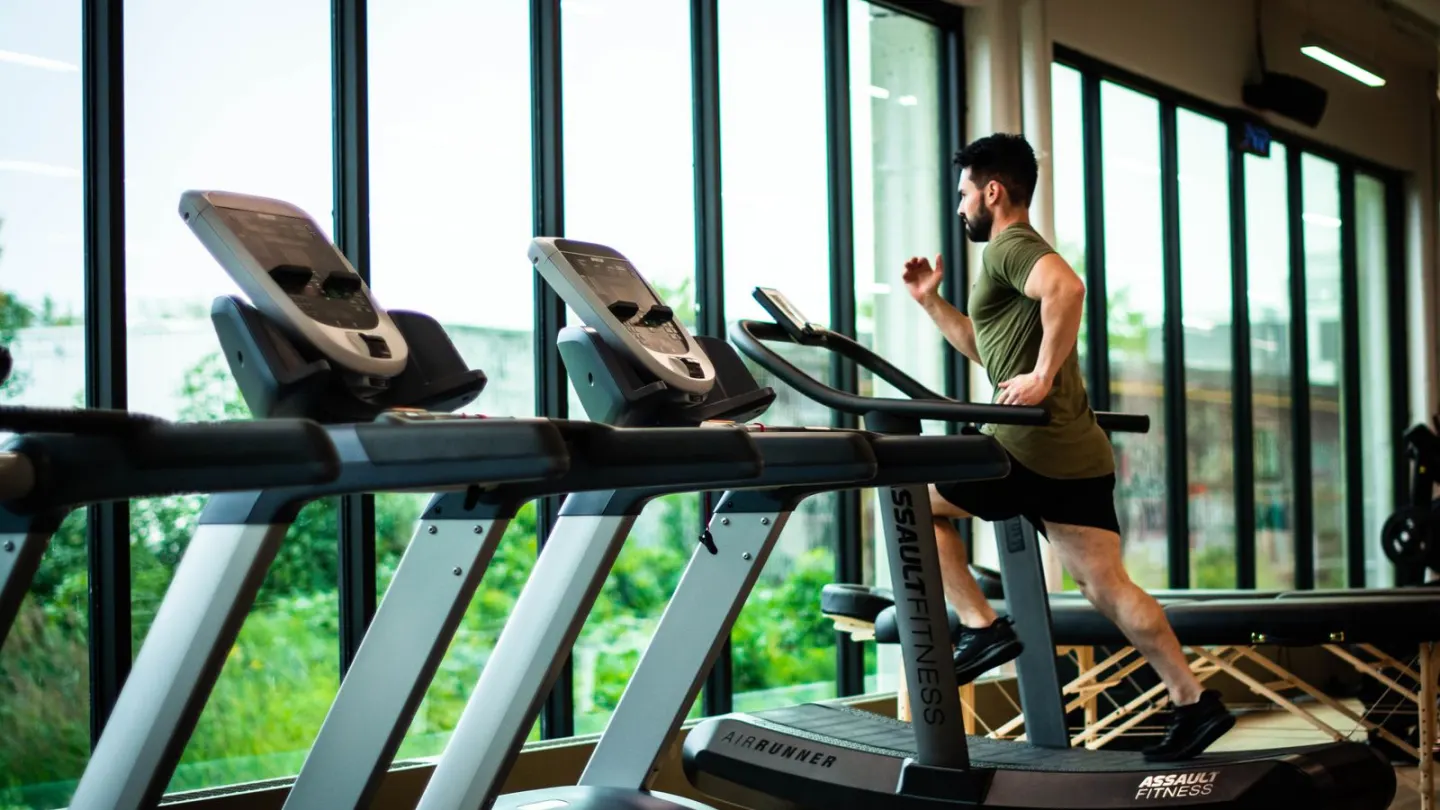
A return to gym after holiday is a two-week on-ramp, not a punishment for time away. Use lighter loads, extra rest, and sessions you can repeat.
A week of travel, late meals and odd sleep is not a moral failure. It is a change in load. The body is not a battery that dies in ten days. It is also not a machine that wants last month’s top set on the first Tuesday back. CDC and NHS adult guides still want at least 150 minutes of moderate activity a week, plus muscle work on two days. Those minutes can be walks while you rebuild gym rhythm.
This how-to is for healthy adults who trained before they left and now feel rusty. It is not a plan after surgery, illness or a long year off. If you have been inactive for months, start even easier. This is education, not a personal programme.
Understanding return gym holiday first without the hype
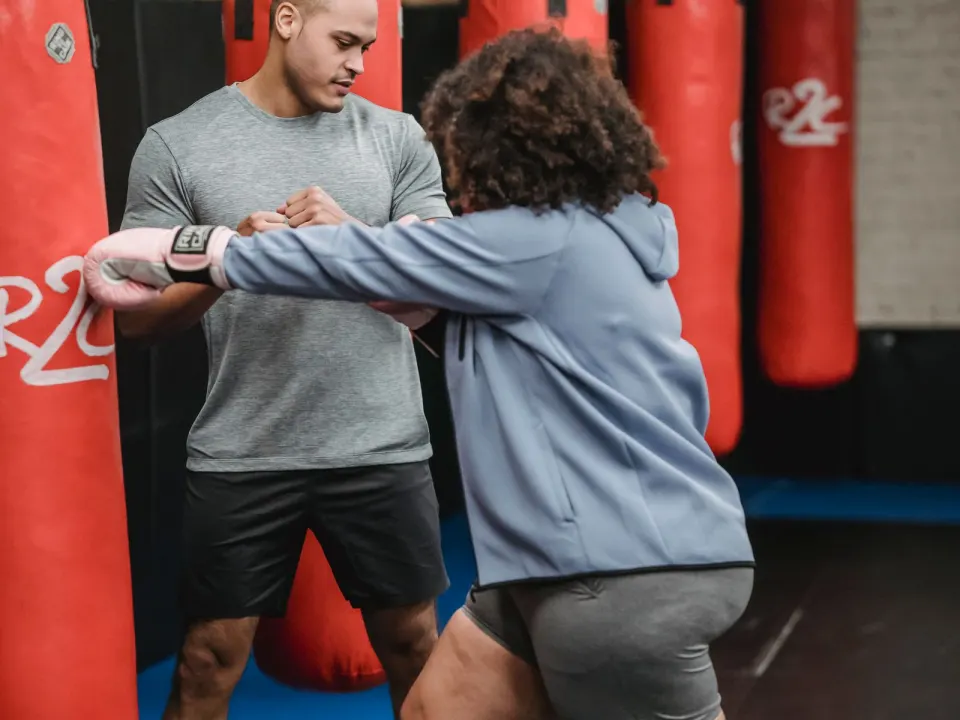
What two weeks away actually changes
A short holiday mostly changes habits. You sit more. You sleep in a strange bed. You walk more, or much less. Strength does not vanish overnight. Skill can feel clumsy. The first set back may look messy. That is rust, not proof you “lost everything”.
GOV.UK and NHS pages repeat a useful line: any activity is better than none, and more is better still. You do not need to make up missed sessions with a double day. You need a session you can finish well.
If the break was a week of illness, wait until you can do usual daily tasks without a fever. Then use this same on-ramp. If you had chest symptoms, a GP (US: primary care doctor) should clear a return. Online plans cannot do that.
Adults over 50, or anyone coming back after a longer gap, can pair this fortnight with the beginner gym workout plan. Use the easier loads. Ignore last season’s notebook.
Week one: a calmer first session
Book 40 to 50 minutes, even if the work is short. Rushing is how people skip the warm-up. Walk for five minutes. Circle the hips and shoulders. Do one empty squat, one empty hinge, and one light press. Then start the working sets.
Pick the patterns you already know. Squat or sit-to-stand. A hinge. A press. A row. Skip new machines and new maxes. Two sets of 8 to 10 smooth reps is enough. Rest 90 seconds. Leave two or more reps in reserve. Our progressive overload guide can wait until week two.
Write what you did, not what you meant to do. If the last set shook, you chose too much. Next session, stay at that lighter load and own it.
Pack water, a simple snack you already eat, and the shoes you trained in before you left. New kit on day one is a distraction. So is a new belt, a new strap, or a new programme saved from a holiday reel. Repeat the old patterns first. Skill comes back faster than pride.
Use a rack with safeties. Do not fight a stuck bar. The gym safety, racks and spotting guide is worth a reread if the room feels loud after time away. Ask for a spot on a press if you are unsure.
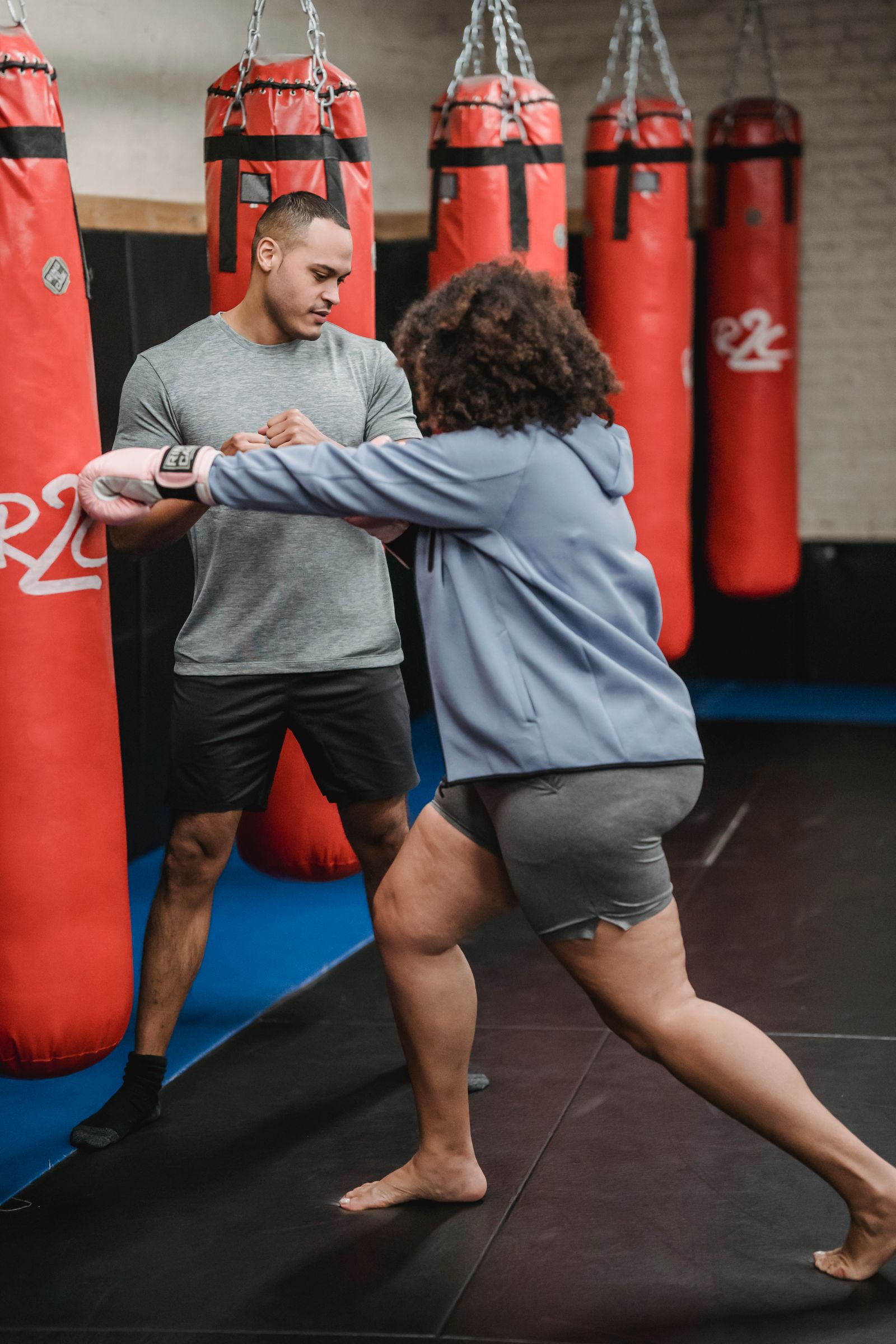
Week two: add a little, not a lot
If week one felt easy, add one set to the main lifts, or a small load, not both. Keep the same four patterns. Keep the same rest. The test is whether you could do the session again in two days.
Cardio can return as an easy bike or a brisk walk at the end. Ten to 15 minutes is plenty. You do not need a hard interval week to “earn” the holiday. NHS advice is to spread moderate work across the week. A walk on the off days still counts toward 150 minutes.
If week one left you very sore, do not add load. Repeat the same session. Soreness that eases as you move is common. Sharp joint pain is not. Shorten the range or skip that lift.
How to return to gym after holiday without a spike
A return to gym after holiday goes wrong when day one tries to be a personal record. It also goes wrong when you add extra isolation work “because you feel guilty”. Guilt is not a programme. Four big patterns, twice in week one, is a plan.
A hybrid strength and cardio weekly plan can hold the shape of your usual week at a lower effort. Keep the days. Cut the volume. Put the hard interval session in week three, not on the first morning back.
| Item | Week one | Week two |
|---|---|---|
| Gym days | 2 | 2 to 3 |
| Working sets per main lift | 2 | 2 to 3 |
| Reps | 8 to 10, with reps in reserve | 8 to 12, still not to failure |
| Load versus last month | A bar you can stop at any point | A small step up if week one was tidy |
| Easy walking or cycling | 10 to 20 minutes on gym days, plus easy walks | Same, or add one extra 20-minute walk |
| New lifts | None | None, unless a coach is watching |
NHS strength pages often use two or three sets of a move, with a load that would be hard to repeat many more times. In week one, stay well short of that edge. In week two, you can creep closer. You still do not need a grind.
| Label | Value | Unit |
|---|---|---|
| Week one gym days | 2 | sessions |
| Working sets per lift | 2 | sets |
| Week two gym days | 2–3 | sessions |
Sleep, meals and the rest of the fortnight
Travel sleep is messy. CDC adult sleep advice is seven or more hours for most adults. NHS pages sit in a similar 7 to 9 hour band for many healthy adults. You will not fix jet lag in one gym hour. Protect the night before the second session.
Eat a normal meal you already like in the two hours before you train if that is your habit. Do not start a new supplement stack because the holiday felt soft. Water, a banana, or toast is enough for most first sessions. WHO activity advice still counts a walk after dinner. That walk is part of the return.
Alcohol the night before a first session makes the gym feel harder. Skip the “one more” if you want the session to feel fair. This is not a lecture. It is a practical note.
Heat, jet lag and a long queue at the squat rack all raise the urge to rush. Sit on a bench. Breathe. Then start the empty bar. A calm ten minutes beats a frantic forty. The fortnight is the plan. One loud hour is not.
When to stop or get a check
Stop for chest pain, faintness, unusual breathlessness, or pain that shoots down a limb. Call 999 in the UK or 911 in the US if those symptoms are sudden. A holiday beer is not an excuse to ignore those signs.
If you have heart disease, diabetes that needs a personal plan, or a recent operation, ask your usual clinician before you restart loads. This fortnight is for a simple break, not for a medical return-to-play.
Sunburn, very sore feet from sightseeing, or a travel stomach bug are reasons to walk this week and lift next week. The gym will still be there. A forced session is not a badge.
Practical session details for return gym holiday first
Write the next session for return gym holiday first before you start: exact sets, repetitions, rest and the one technique cue you will protect. Vague plans become rushed sets. Keep the first warm-up lighter than ego suggests so the working sets stay tidy.
Progress when you can complete every prescribed repetition with the same range of motion you started with. Add a small load or one repetition next time — not both. If a joint feels sharp pain rather than muscle effort, stop that variation and choose a quieter option for two weeks.
Recovery notes and red flags
Leave at least one easier day after the hardest return gym holiday first session in your week. Match hard work with sleep and a normal meal rather than another finisher. Seek clinical advice for lingering joint swelling, night pain, dizziness, chest pain or symptoms that worsen across successive sessions.
| Field | Why it matters |
|---|---|
| Load and reps | Shows whether you are progressing |
| Pain score 0–10 | Separates effort from warning signals |
| Sleep last night | Explains sudden performance drops |
| Next change | Stops random programme hopping |
Where return gym holiday first fits in a normal week
Schedule return gym holiday first on days you can protect, not on the most chaotic evenings. Two quality exposures usually beat five rushed ones. If you miss a day, continue the plan rather than doubling up and irritating tissues.
Review every fourth week: keep what improved technique or comfort, drop what only produced fatigue. Share the log with a coach or clinician if progress stalls or pain becomes the main story.
Frequently asked questions
Should I do extra sessions to make up for the holiday?
How much lighter should I go on day one?
Can I do a class on the first day back?
What if I was ill on holiday, not just resting?
When can I chase a personal record again?
Sources
- 1. Physical activity guidelines for adults aged 19 to 64
- 2. Get active your way
- 3. Adult Activity: An Overview
- 4. How much sleep do I need?
- 5. Physical activity fact sheet
- 6. UK Chief Medical Officers' physical activity guidelines
- 7. Physical Activity Guidelines
- 8. American Heart Association recommendations for physical activity in adults
Guidance changes. Figures were checked against the sources above at the time of review; always confirm current advice with your GP, pharmacist or clinician.
Image credits
- Photo: Photo by William Choquette on Pexels / Openverse
- Photo: Photo by Leon Mart on Pexels / Openverse
- Photo: Photo by cottonbro studio on Pexels / Openverse
Was this useful?
Anyone can react — no account needed.



Discussion
0 comments · Name and email only · Email is never shown