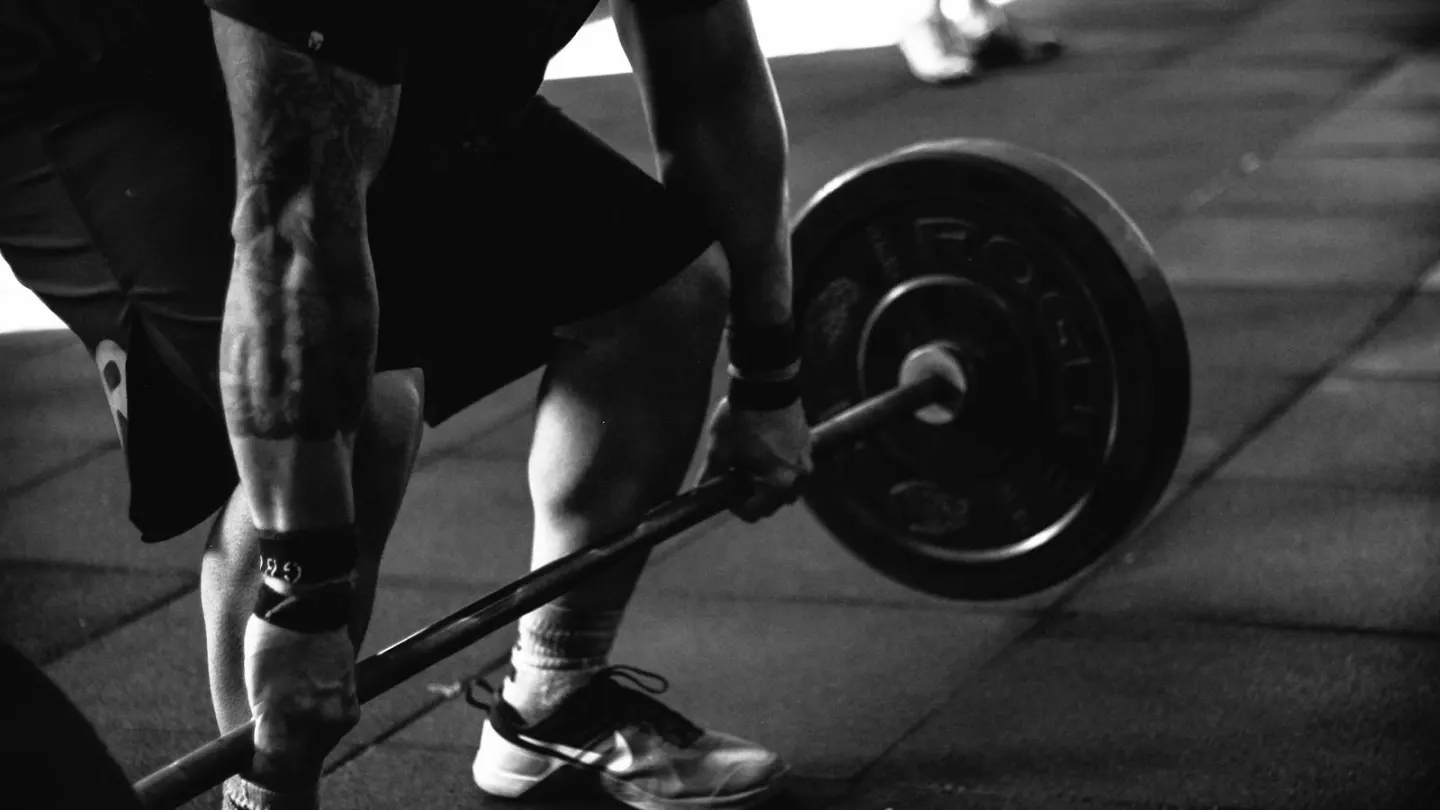
A 30 minute gym workout can still cover a squat, a press, a row and a short walk. Keep the big patterns. Drop the extras that eat the clock.
Busy weeks shrink the diary. They do not erase NHS and CDC adult targets. Those guides still ask for at least 150 minutes of moderate activity a week, or 75 minutes vigorous, plus muscle work on two days. Five half-hour walks already meet the aerobic floor. Two of those half hours can be strength if you waste less time between sets.
NHS strength pages note that a typical muscle session can take less than 20 minutes. You do not need a two-hour split to count. This guide is for healthy adults who can already squat, hinge, press and row with control. It is not a first-ever gym class, and it is not a promise of faster fat loss.
Why half an hour still counts
UK Chief Medical Officers say any activity is better than none, and more is better still. AHA adult advice uses the same 150-minute moderate floor. WHO agrees. Short sessions add up. You do not need a free Saturday morning to start.
Strength and aerobic minutes can share a day. A 30 minute gym workout that ends with a walk feeds both lists. The walk is not a consolation prize. Brisk walking is the NHS example of moderate work: you can talk, but you cannot sing.
What fails a short session is a long warm-up video, a phone scroll on the bench, and five isolation moves that all train the same arm. The clock is honest. The extras are optional.
Put the session in the diary like a meeting. A 12:30 slot you always keep beats a vague plan to “fit it in”. If a meeting overruns, walk for 20 minutes and lift the next day. The week can still hit 150 minutes. The strength days can still be two.
If you are new to the room, use the beginner gym workout plan first. Learn the patterns when you have 45 minutes. Come back to this clock when the lifts look dull in a useful way.
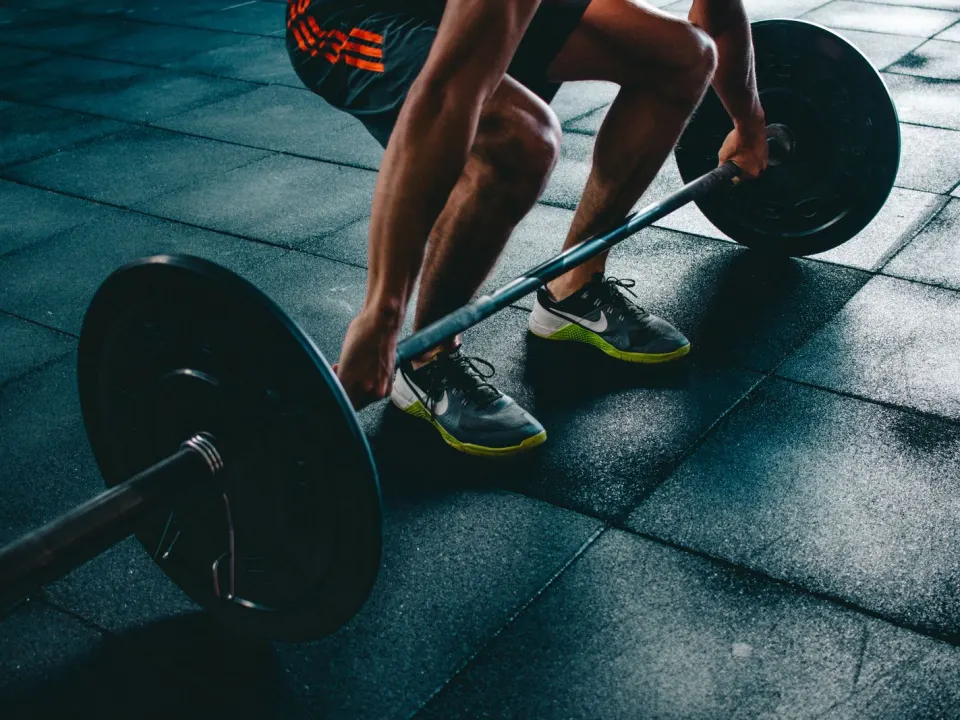
What to keep in a 30 minute gym workout
Keep four jobs. A squat or sit-to-stand. A hinge, such as a Romanian deadlift or a hip hinge with light bells. A press. A row. That covers legs, hips, back, chest, shoulders and arms in NHS language. Add a short carry if you have two minutes left.
Drop long isolation circuits. Drop a new machine you have to learn on the clock. Drop a personal-record attempt. A 30 minute gym workout is a maintenance session with a small chance to progress, not a test day.
Adults over 50 can keep the same four jobs with a higher sit, a lighter hinge, and a rack for balance. The strength training over 50 guide shows those kinder versions. The clock does not change the need for control.
Change one thing across weeks. Add a rep, a small plate, or a slower lower. That is the same logic as our progressive overload guide. Changing four things in 30 minutes is how form slips.
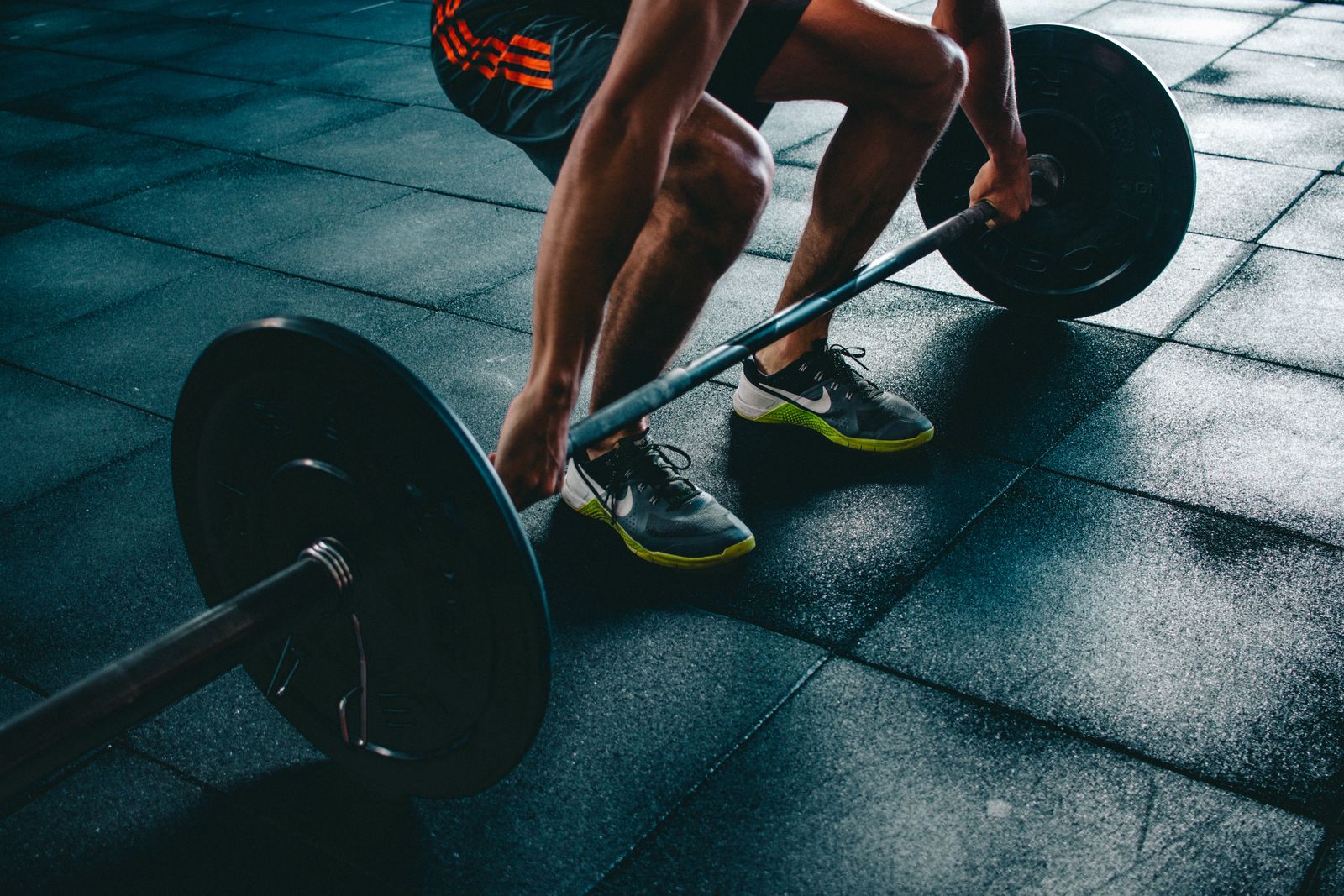
A sample clock you can repeat
Arrive with the plan on your phone. Do not write it on the gym floor. Warm up: two minutes of easy bike or a walk to the water fountain and back, then a few empty squats and arm reaches. Then start the work.
Pair the press and the row. Do a set of presses. Rest about 45 seconds. Do a set of rows. Rest about 45 seconds. Repeat. The squat or hinge can sit first, while you are fresh. ACSM treats regular resistance work as the useful health habit. Tidy sets beat a gasping mash.
| Clock | Job | Detail |
|---|---|---|
| 0 to 5 minutes | Warm-up | Easy walk or bike, then two empty squats and two arm reaches |
| 5 to 12 minutes | Squat or sit-to-stand | 2 to 3 sets of 8 to 10, 60 to 90 seconds rest |
| 12 to 22 minutes | Press paired with row | 2 to 3 sets each, 8 to 10 reps, 45 seconds between moves |
| 22 to 26 minutes | Hinge | 2 sets of 8, a load you can park |
| 26 to 30 minutes | Walk or easy bike | Talk-pace finish. Skip if you must catch a train |
| If you have only 20 minutes | Cut the hinge or the finish walk | Keep squat, press and row |
Two sessions like this each week meet the twice-weekly strength target when you work the major groups. Fill the other days with walking so the 150 minutes still add up. Five 30-minute brisk walks is the simple aerobic map.
Strength first, then a short walk
Do the lifts while you are fresh. A pre-fatigued squat in minute 28 is how knees cave. The walk at the end can be around the car park if the treadmill queue is long. It still counts.
If you prefer cardio first, keep it easy. A hard interval block will steal the lifts. Save hard cardio for a different half hour on another day.
BHF notes that stronger muscles make daily tasks easier. That is the point of keeping the squat and the row when time is tight. You are training the shopping bag and the suitcase, not a photo of a busy gym.
Machines can save set-up time if you already know the seat height. Write those numbers in a note. A free-weight squat still needs a rack you can walk into. Do not start a heavy bar on the floor in minute 29. Park it while you still have time to leave the pins set.
| Label | Value | Unit |
|---|---|---|
| Warm-up | 5 | minutes |
| Strength block | 20 | minutes |
| Easy walk finish | 5 | minutes |
What to drop without guilt
Drop the extra curl circuit if the row already trained the arms. Drop the fifth raise variation. Drop the long chat in the doorway. Drop a new programme you found in the locker room.
Keep a rack with safeties. A rushed session is when people skip collars and walk in front of a bar. The gym safety, racks and spotting guide still applies when the clock is loud. Ask for a spot rather than bouncing a press you cannot park.
If 30 minutes is a fantasy some weeks, do 20. Keep squat, press and row. WHO and GOV.UK both prefer some activity over a cancelled week. A short session you repeat beats a perfect plan you skip.
Keep a fallback list of three dumbbell moves: a goblet squat, a floor press, and a one-arm row. If every rack is busy, that list still fills 20 minutes. You leave on time. You still trained the major groups.
When a short session is the wrong tool
Do not squeeze a heavy single into a lunch break if you cannot set safeties. Do not learn Olympic lifts on this clock. Do not train through chest pain, faintness, or unusual breathlessness. Call 999 or 911 if those arrive suddenly.
After a long break, illness, or a clinician’s lifting limit, a 30-minute blast is the wrong restart. Use easier loads and more rest first. A short clock is for a skill you already own.
If you feel dizzy in the heat, skip the superset and rest longer. The session can be 25 minutes of slower work. The diary will survive.
A thirty-minute template that still trains enough
Short sessions work when they are ruthless about priorities. Minute zero to five: raise body temperature and rehearse the first pattern. Minutes five to twenty-four: two or three compound lifts for three working sets each. Minutes twenty-four to thirty: one accessory or a brisk carry, then a calm exit — no long scroll on the floor.
Example full-body day: goblet squat, push-up or dumbbell press, and a hip hinge, each for three sets of six to ten. Rest ninety seconds. If a set would need three minutes to recover, the load is too heavy for this format. Keep a notepad of loads so the short session still progresses.
| Block | Minutes | Job |
|---|---|---|
| Warm-up | 0–5 | Pulse up + pattern rehearsal |
| Main lifts | 5–24 | 2–3 compounds, 3 sets each |
| Finisher | 24–28 | Carry, core or arms |
| Close | 28–30 | Notes and reset kit |
Three focused half-hours beat one chaotic ninety-minute session you postpone. Protect the calendar slot like a meeting. If life cuts you to twenty minutes, keep the warm-up and one lift rather than rushing three badly.
Where 30 minute gym workout fits in a normal week
Schedule 30 minute gym workout on days you can protect, not on the most chaotic evenings. Two quality exposures usually beat five rushed ones. If you miss a day, continue the plan rather than doubling up and irritating tissues.
Review every fourth week: keep what improved technique or comfort, drop what only produced fatigue. Share the log with a coach or clinician if progress stalls or pain becomes the main story.
Frequently asked questions
Does a 30-minute session count toward the 150-minute week?
Should I skip the warm-up to save time?
Can I do this every day?
What if the gym is busy and I lose ten minutes?
Is circuit training better for a short clock?
Sources
- 1. Physical activity guidelines for adults aged 19 to 64
- 2. How to improve your strength and flexibility
- 3. Adult Activity: An Overview
- 4. Physical activity fact sheet
- 5. American Heart Association recommendations for physical activity in adults
- 6. UK Chief Medical Officers' physical activity guidelines
- 7. Physical Activity Guidelines
- 8. Why you should do strength training
Guidance changes. Figures were checked against the sources above at the time of review; always confirm current advice with your GP, pharmacist or clinician.
Image credits
- Photo: Photo by Victor Freitas on Pexels / Openverse
- Photo: Photo by Karolina Grabowska on Pexels / Openverse
Was this useful?
Anyone can react — no account needed.


Discussion
0 comments · Name and email only · Email is never shown