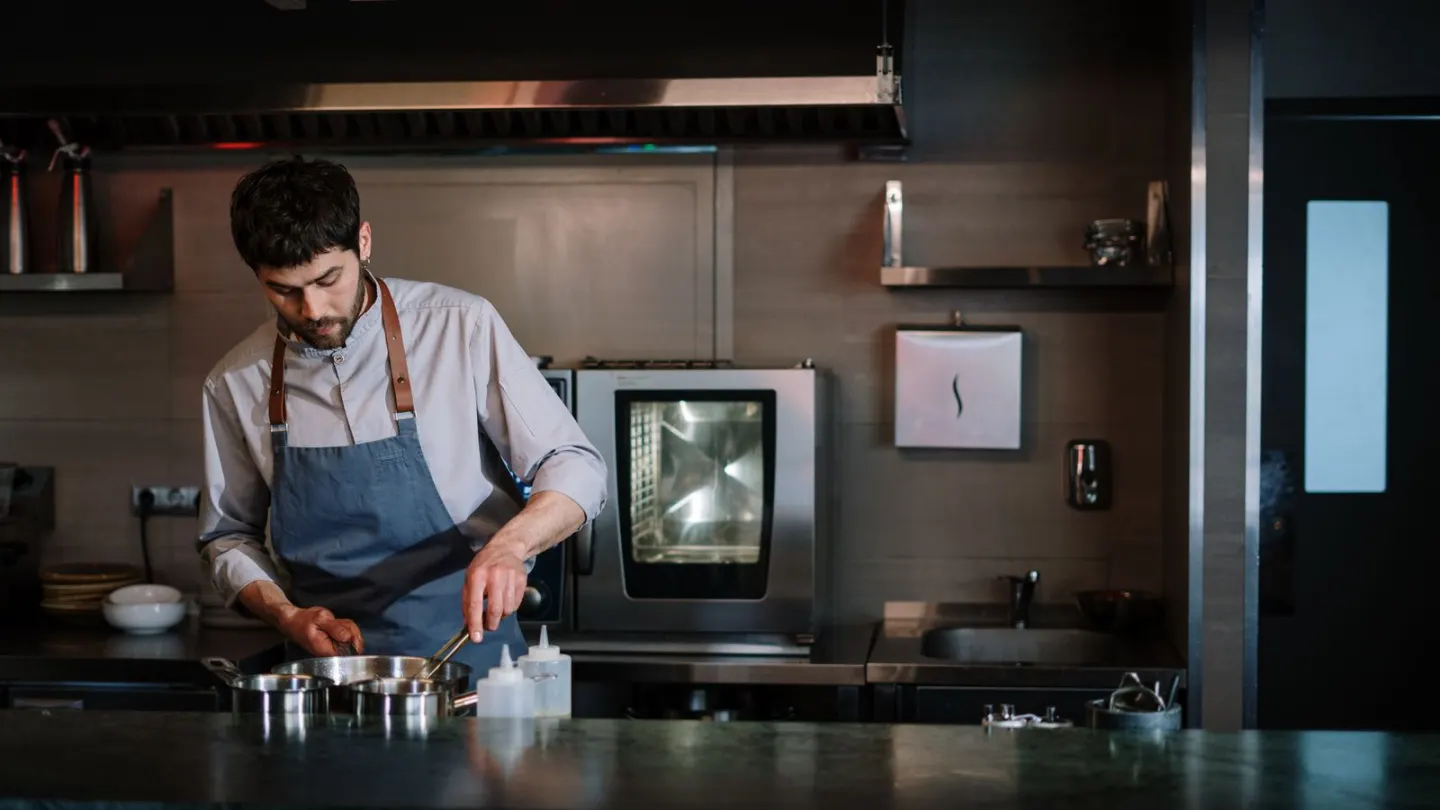
Food tracking vs intuitive eating is not a personality test. Tracking is a short-term learning tool used in many NHS-style plans. Eating by hunger and fullness is a skill some people already have. Each approach suits different weeks, and neither is a moral badge.
NIDDK and NHS materials treat food records as one option among lifestyle changes, not as a lifetime sentence. If logging every bite fuels distress, that is information. If “eat what you fancy” becomes a skipped lunch and a 10 p.m. raid, that is information too. Match the tool to the job.
Food tracking vs intuitive eating in plain terms
Food tracking means writing meals, drinks, and sometimes portions for a set period. It can be a notebook, an app, or photos. NHS Better Health talks about calories and portion sizes as things you can learn. A record makes hidden drinks and second helpings visible. That is its job.
Intuitive eating, in clinic language, usually means using hunger, fullness, and satisfaction to guide meals, with less external counting. It is not an NHS weight-loss brand. It is closer to “eat regular meals, notice cues, skip the courtroom in your head.” People with a history of dieting often need help to hear those cues at all.
Both can fail in opposite ways. Tracking can shrink the day to a score. Cue-based eating can ignore that packet foods are designed to delay fullness. Our everyday protein guide still applies either way. A palm of protein at meals is a kitchen cue, not an app target.
Who tracking tends to suit
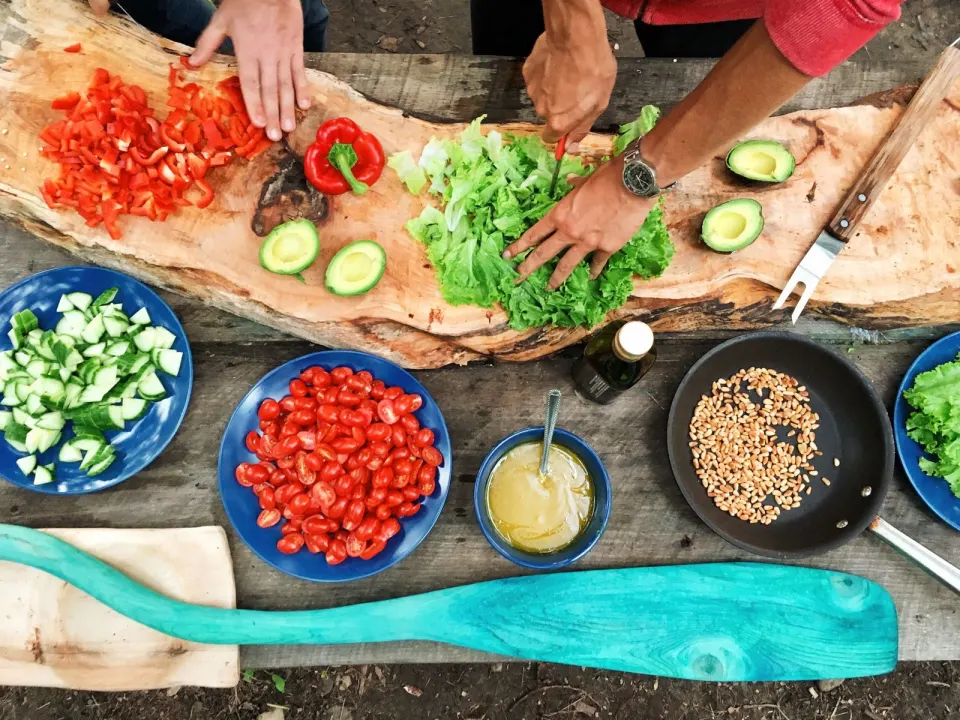
Tracking suits a short learning block. Two to four weeks is a common home experiment. You want to see why Thursdays unravel. You like numbers. You are not currently in eating-disorder care. NIDDK lists lifestyle change, including how you eat and move, as the usual first treatment path. A diary is one way to see that change.
It also suits people who underestimate drinks and snacks. A large latte, a handful from the tin, and a “small” wine add up without feeling like a meal. The record is a mirror. It is not a judge. Stop when the pattern is clear. Endless logging is not a personality.
Use official energy pages as context, not as a rigid daily exam. Our daily calorie needs guide explains why your neighbour’s number is not yours. NHS examples of about 2,000 and 2,500 kcal are population figures. Size, sex, movement, and health shift them.
| Question | Food tracking | Hunger and fullness focus |
|---|---|---|
| Best used as | A time-limited learning tool | A longer-term meal skill |
| Often helps when | Drinks and snacks are invisible | Counting has become the whole day |
| Poor fit when | Logging causes panic or secrecy | Meals are chaotic or skipped |
| Official role | Common in structured weight programmes | Not a named NHS weight-loss method |
| Health checks | Pair with waist or clinical review, not only the app | Still needs regular meals and medical care when needed |
Who a hunger-and-fullness focus tends to suit
This approach suits people who already eat regular meals and want less maths. It also suits people for whom an app spike raises anxiety. England’s calorie-labelling rules even allow an unlabelled menu on request. That is a clue: numbers are optional information, not treatment.
It does not suit a skipped-breakfast, skipped-lunch pattern. Hunger at 9 p.m. is then mixed with tiredness. You cannot “intuit” your way around an empty tank. Eat on a boring timetable first: breakfast, lunch, a planned snack, dinner. Then notice fullness at the table, not on the sofa with a packet.
Strength work twice a week still sits well here. Muscle does not require a barcode scanner. See strength training over 50 if you want a cautious start. Movement is a third data point beside hunger and mood.
A middle path: kitchen cues without a lifetime log
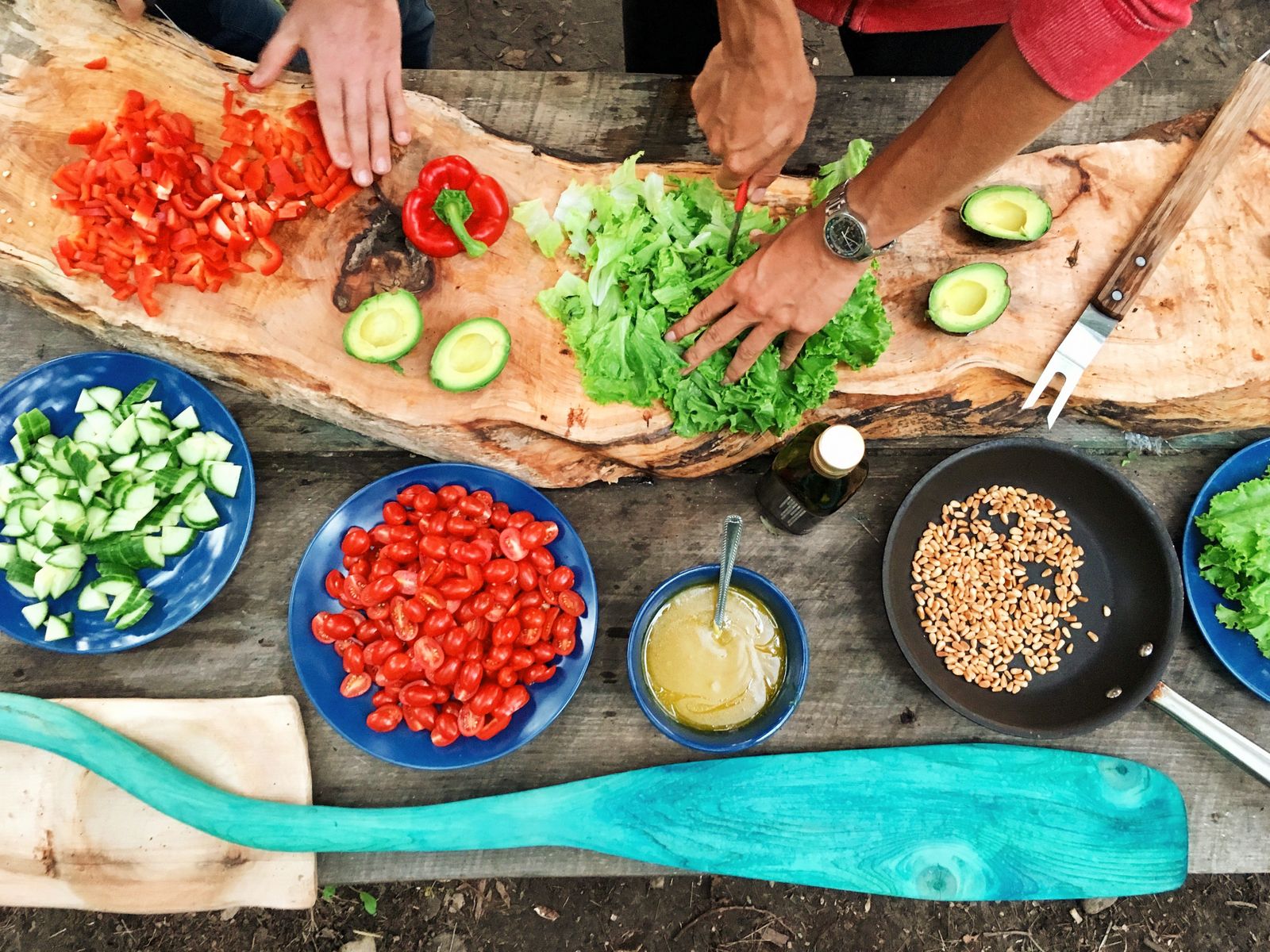
You do not have to pick a camp. Many people track drinks for two weeks, then keep plate cues. A palm of protein, a fist of starch, two handfuls of vegetables. Put the packet in a bowl. Sit down. Give the meal 15 to 20 minutes. That is tracking of a sort, without grams.
NICE guidance on overweight and obesity supports structured support, not a hobby crash diet. If you use a commercial app, treat it as a notebook. It cannot see medicines, thyroid disease, or pregnancy. BMI and waist remain context, with limits. Our BMI and waist guide covers those limits.
Review after four weeks. Keep what reduced chaos. Drop what raised fear. A tool that wrecks sleep is the wrong tool, whatever the star rating in a store.
When either method needs a clinician
Stop self-directed tracking if you start skipping meals to “save” points, if you weigh food until you cannot eat with other people, or if mood collapses around the log. NHS binge-eating treatment pages warn that dieting during care can make loss of control worse. That is a clinical note, not a how-to.
Seek help if eating feels out of control, if you eat in secret most days, or if you vomit on purpose. A GP in the UK or primary care in the US is the start. Urgent danger belongs on 999 or 911. Online comparison pieces cannot examine you.
Behaviour examples you can try without miracle claims
Approaches related to food tracking intuitive eating are more useful when they name behaviours, not guaranteed kilogram outcomes. Weight changes slowly for most people, fluctuates with fluid and hormones, and responds differently across ages, medicines and health conditions. Aim for patterns you can repeat on an ordinary Tuesday — not a transformation promise.
Concrete behaviour examples (pick one or two, not all):
- Protein-forward breakfast: eggs on toast, Greek yoghurt with fruit, or tofu scramble — then notice afternoon snack urgency for a week.
- Fibre swap: keep the meal you already like; add beans, veg or whole grains so the plate is more filling without a dramatic “diet overhaul.”
- Liquid audit: list weekday drinks; replace one sugary or alcoholic item with water, tea or a smaller pour, three days this week.
- Walk anchor: ten minutes after lunch or dinner on workdays; mark it on the calendar like a meeting.
- Kitchen default: put washed fruit or pre-cut veg at eye level; move ultra-palatable snacks out of easy reach if that reduces autopilot eating.
None of these “melt fat” on a schedule. They change the environment and the average day, which is how sustainable weight-related habits usually work.
How to judge progress without chasing the scale alone
| Signal | What to notice | Caution |
|---|---|---|
| Weekly average weight | Trend over 3–4 weeks if you choose to weigh | Daily swings are mostly fluid; do not punish a single morning |
| Waist or how clothes fit | Same method, same time of day | Not everyone should focus on measurements — skip if it harms mood |
| Energy and training | Can you complete planned walks or sessions? | Persistent exhaustion means the plan may be too aggressive |
| Hunger and mood | Manageable appetite, not constant preoccupation | Obsession, secrecy or compensatory purging needs clinical help |
If you have a history of disordered eating, are pregnant, underweight, frail, or living with a condition where weight loss is not appropriate, do not start a deficit because an article suggested it. Ask a clinician what “healthy” means for you. Stigma in healthcare is real — you can ask for respectful, behaviour-focused care and a second opinion if needed.
Eating cues: hunger, stress and social settings
For patterns around food tracking intuitive eating, separate physical hunger from urgency driven by stress, fatigue or habit. A short pause — water, toilet, two minutes of slow breathing — does not ban food; it gives you a choice. If you still want the food, eat it attentively rather than in a blur at the screen. After stressful days, decide the evening plan before you get home: a ready meal plus veg, or a takeaway with a protein and salad add-on, beats fridge grazing.
Weekend and restaurant meals can fit a long-term approach: share mains, box half early, or keep alcohol to a planned number of drinks. “Repair” means returning to normal meals and walking the next day — not punishing workouts or skipping food, which often rebound.
Safety boundaries for any weight-related plan
Stop and seek care if you notice fainting, chest pain, severe dizziness with exertion, signs of an eating disorder, or mood collapse tied to restriction. Children, teens, and people with certain chronic illnesses need specialist guidance — adult internet plans do not transfer safely. No article can guarantee weight loss, a clothing size, or disease reversal.
A fortnight experiment without all-or-nothing rules
Choose one behaviour from this article related to food tracking intuitive eating. Run it for fourteen days. Keep meals socially normal enough that you could tell a friend what you are doing without embarrassment. At day 14, keep, adjust, or drop based on hunger, mood, and whether the behaviour survived two busy weekdays — not based on a single weigh-in.
Medical note. This article is general information, not a diagnosis or a personal treatment plan. It does not replace advice from a GP, pharmacist, registered dietitian, physiotherapist, or other qualified clinician. Seek urgent help for severe, sudden, or rapidly worsening symptoms. UK readers can use NHS 111 for urgent advice; US readers can use local urgent care or emergency services when needed.
Frequently asked questions
Is food tracking vs intuitive eating a lifetime choice?
Will tracking make me lose weight?
Can I use hunger cues if I want to lose weight?
What if tracking made my eating worse before?
Sources
- 1. NHS Better Health: Lose weight
- 2. NIDDK: Treatment for overweight and obesity
- 3. NICE NG246: Overweight and obesity management
- 4. NHS: Binge eating disorder treatment
- 5. NHS: Understanding calories
Guidance changes. Figures were checked against the sources above at the time of review; always confirm current advice with your GP, pharmacist or clinician.
Image credits
- Photo: Photo by Klaus Nielsen on Pexels / Openverse
- Photo: Photo by Daria Shevtsova on Pexels / Openverse
- Photo: Photo by Maarten van den Heuvel on Pexels / Openverse
Was this useful?
Anyone can react — no account needed.




Discussion
0 comments · Name and email only · Email is never shown