
Walking for weight management is a repeatable tool, not a hidden furnace. Brisk minutes raise weekly energy use. Food still sets most of the gap. NHS pages treat a walk as simple activity that can support health and a slower change in mass.
This how-to is for adults who can walk outdoors, in a mall, or on a treadmill. It is not a race plan. It will not promise a number on the scale. Use it with ordinary plates, sleep, and a clinician if you have heart, joint, or balance problems.
Why walking for weight management is a useful tool
NHS walking pages call walking simple, free, and one of the easiest ways to get more active. They also say it can help you lose weight and become healthier. That is a can, not a contract. A walk that you repeat five days a week beats a heroic Saturday you dread.
CDC pages on activity and weight are blunt. Most of the drop in mass comes from eating and drinking less energy. Activity raises how much energy you use. Together they can create a gap. Activity also helps people keep a lower mass once it has changed. A walk is one way to stack those minutes without a gym class.
Judge the plan with waist and how clothes feel, not with a daily scale verdict. Our BMI and waist guide explains why one number misleads. Water and glycogen bounce. A four-week log of minutes is a fairer scoreboard.

Minutes, pace and the talk test
UK adults are asked to do at least 150 minutes of moderate activity a week, or 75 minutes of vigorous work. Brisk walking sits in the moderate list. The talk test is the field tool: you can talk, but you cannot sing. You feel warmer. Breathing is clearly above rest.
US pages use the same 150-minute floor for health. They add that some adults need more than that equivalent to hold weight. People aiming for a large drop, more than about 5% of starting mass, and people trying to keep a large drop off, may need more than 300 minutes of moderate work a week unless food also changes. That is population guidance. It is not your personal order.
Start where you are. If 10 minutes is the true ceiling, do 10. NHS notes that a brisk 10-minute daily walk already counts. Two 15-minute loops are 30 minutes. Five of those loops are 150 minutes. You do not need a single heroic hour.
| Official figure | What it means on a weekday | What it does not mean |
|---|---|---|
| 10-minute brisk walk | Counts toward the 150-minute week | A full week of activity on its own |
| 150 minutes moderate | Five 30-minute walks, or ten 15-minute walks | A promise that mass will fall |
| 30 minutes at 3.5 mph | About 140 calories for a 154 lb person | The same number for every body |
| More than 300 minutes | A US planning range for large loss or keeping a large drop off when food also changes | A demand to walk until you are exhausted |
Incline, hills and a route you will repeat
Once 25 to 30 minutes feels easy, change one thing. Add a gentle hill. Use a 3% treadmill grade. Walk into a headwind. Do not add a weighted vest on the same week you add minutes. Hills raise effort without forcing a run. If you want a fuller cardio progression, use our walking for cardio fitness plan and keep this page for the weight context.
Pick a loop you can finish on a wet Tuesday. A shop circuit. A canal towpath. A treadmill facing a window. Attach it to a cue: after lunch, after the school run, or before the evening news. Write the cue on a card. Do not wait for motivation to arrive dressed as a new hobby.
Shoes should feel fine on day one. Replace a sudden long walk on concrete in old dress shoes with a shorter loop in trainers. Blisters, sharp joint pain, chest pressure, or unusual breathlessness are stop signs. Seek urgent care for chest pain or fainting.
Food still does most of the maths
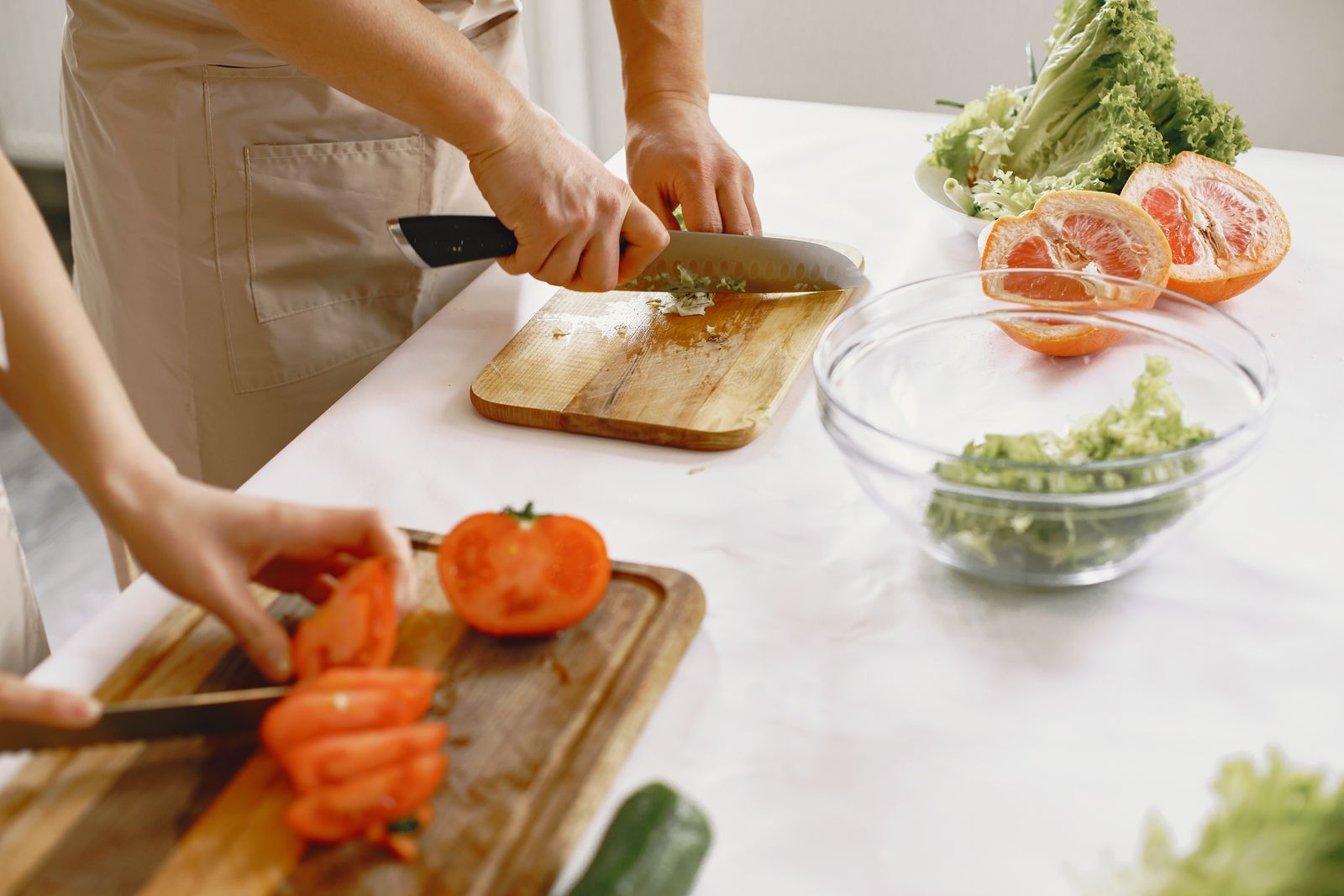
CDC is clear: most of the change in mass comes from what you eat and drink. A 140-calorie walk is real. A large milky syrup coffee can match it. A 330 ml cola is in the same band. Two 175 ml glasses of wine on four nights overshoot a week of 20-minute loops.
Keep plates ordinary. A palm of protein, a fist of starch, and two handfuls of vegetables is a pattern you can take to a friend's house. The portion-size guide uses those kitchen cues. The calorie needs guide explains why your gap is not your neighbour's gap.
Do not skip lunch to “earn” a walk. Hunger then hunts biscuits at 4 pm. Eat a planned meal, then walk. If you use a tracker, treat steps as a volume clue. Ten thousand is a round slogan, not an NHS or CDC rule. Minutes plus the talk test tell you more about effort.
A four-week walking plan you can keep
Week 1: four walks of 12 to 15 minutes at an easy warm pace for the first three minutes. Week 2: four walks of 20 minutes, with the middle 10 at talk-test brisk. Week 3: five walks of 25 minutes. Add one gentle hill or a 2–3% treadmill grade on two days. Week 4: five walks of 30 minutes. Keep one day fully easy.
If a week fails, repeat it. Illness, travel, and sore shins are information. Cut the latest increase, not the whole habit. Strength work still belongs on two other days if your joints allow. Walking does not replace that.
Review on day 28. Count minutes, not drama. Note drinks, late snacks, and sleep. If mass has not moved, the walk may still be protecting health. Food, medicines, and medical conditions still matter. Book a GP or US primary care visit if you have chest symptoms, swelling, or a plan that has taken over the week.
Behaviour examples you can try without miracle claims
Approaches related to walking for weight management are more useful when they name behaviours, not guaranteed kilogram outcomes. Weight changes slowly for most people, fluctuates with fluid and hormones, and responds differently across ages, medicines and health conditions. Aim for patterns you can repeat on an ordinary Tuesday — not a transformation promise.
Concrete behaviour examples (pick one or two, not all):
- Protein-forward breakfast: eggs on toast, Greek yoghurt with fruit, or tofu scramble — then notice afternoon snack urgency for a week.
- Fibre swap: keep the meal you already like; add beans, veg or whole grains so the plate is more filling without a dramatic “diet overhaul.”
- Liquid audit: list weekday drinks; replace one sugary or alcoholic item with water, tea or a smaller pour, three days this week.
- Walk anchor: ten minutes after lunch or dinner on workdays; mark it on the calendar like a meeting.
- Kitchen default: put washed fruit or pre-cut veg at eye level; move ultra-palatable snacks out of easy reach if that reduces autopilot eating.
None of these “melt fat” on a schedule. They change the environment and the average day, which is how sustainable weight-related habits usually work.
How to judge progress without chasing the scale alone
| Signal | What to notice | Caution |
|---|---|---|
| Weekly average weight | Trend over 3–4 weeks if you choose to weigh | Daily swings are mostly fluid; do not punish a single morning |
| Waist or how clothes fit | Same method, same time of day | Not everyone should focus on measurements — skip if it harms mood |
| Energy and training | Can you complete planned walks or sessions? | Persistent exhaustion means the plan may be too aggressive |
| Hunger and mood | Manageable appetite, not constant preoccupation | Obsession, secrecy or compensatory purging needs clinical help |
If you have a history of disordered eating, are pregnant, underweight, frail, or living with a condition where weight loss is not appropriate, do not start a deficit because an article suggested it. Ask a clinician what “healthy” means for you. Stigma in healthcare is real — you can ask for respectful, behaviour-focused care and a second opinion if needed.
Activity that supports weight-related goals without burnout
Walking and everyday movement (NEAT) change weekly energy use more reliably for many people than occasional heroic cardio. Strength training helps preserve muscle during weight loss phases when protein and recovery are adequate. Cardio is excellent for heart health; it is not a licence to ignore food patterns or sleep.
Plateaus happen. Before cutting more food, check sleep, stress, step count accuracy, weekend intake, and whether the plan was realistic. Sometimes maintenance for a few weeks is the productive move. Rapid regain after crash dieting is common — another reason to prefer steady behaviours over extremes.
Safety boundaries for any weight-related plan
Stop and seek care if you notice fainting, chest pain, severe dizziness with exertion, signs of an eating disorder, or mood collapse tied to restriction. Children, teens, and people with certain chronic illnesses need specialist guidance — adult internet plans do not transfer safely. No article can guarantee weight loss, a clothing size, or disease reversal.
Medical note. This article is general information, not a diagnosis or a personal treatment plan. It does not replace advice from a GP, pharmacist, registered dietitian, physiotherapist, or other qualified clinician. Seek urgent help for severe, sudden, or rapidly worsening symptoms. UK readers can use NHS 111 for urgent advice; US readers can use local urgent care or emergency services when needed.
Frequently asked questions
Does walking for weight management work without changing food?
Is 10,000 steps the target I should chase?
Should I walk every day?
Does an incline burn fat off my stomach first?
Sources
- 1. NHS: Walking for health
- 2. NHS: Physical activity guidelines for adults aged 19 to 64
- 3. CDC: Physical activity and your weight and health
- 4. CDC: Adult activity overview
Guidance changes. Figures were checked against the sources above at the time of review; always confirm current advice with your GP, pharmacist or clinician.
Image credits
- Photo: Photo by Leszek Czyzewski on Pexels / Openverse
- Photo: Photo by Arthur Swiffen on Pexels / Openverse
- Photo: Photo by Gustavo Fring on Pexels / Openverse
Was this useful?
Anyone can react — no account needed.




Discussion
0 comments · Name and email only · Email is never shown