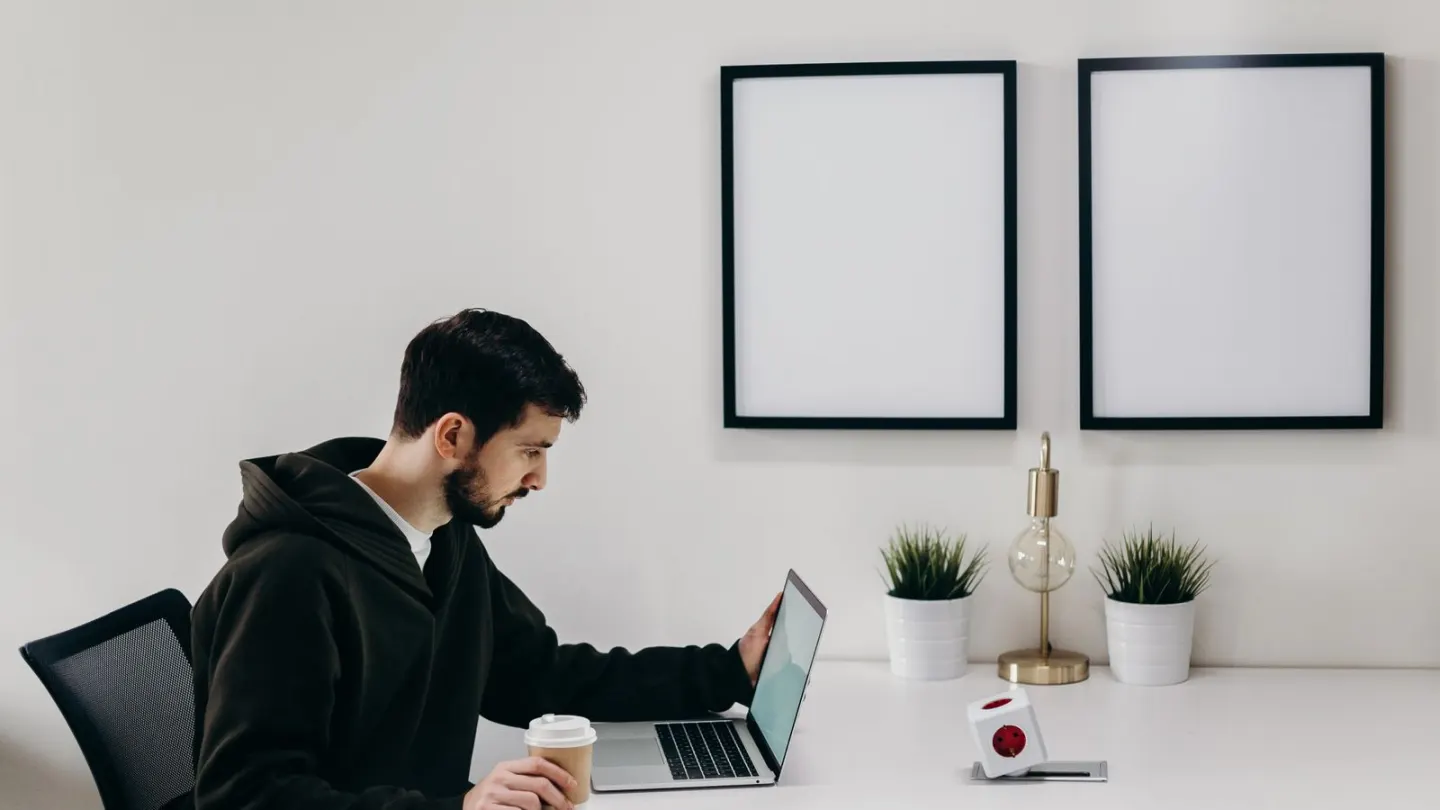
A pot on the desk is a small environmental nudge. It is not a treatment, and it will not clean office air.
People buy ferns for calm. The honest case for desk plants wellbeing is narrower than the lifestyle posts. Time in outdoor green space has a stronger research trail. A hardy plant by the keyboard is a cue to look up, water something living, and remember the window. That can still be worth a few pounds if you treat it as furniture with a job, not as therapy.
Keep claims modest. NHS mental-wellbeing tips point to walks, outdoor daylight, and paying attention to the world around you. A spider plant cannot replace those. It can make the next look-away less abstract.
What desk plants wellbeing research can claim
Outdoor nature is the better-studied habit. Reviews of nature exposure, including work indexed by NIH, link green time with mood, attention, and a little more movement. NHS Every Mind Matters says being active outdoors can lift mood and ease worry. Those pages describe parks, daylight, and short walks. They do not prescribe a succulent.
Indoor plants sit in a thinner file. Some office studies report a small lift in how people rate a room. That is a design effect, not a dose of woodland. One plant you notice is more useful than a thicket you ignore.
So the honest pitch is a nudge. You glance at leaves instead of a second screen. You stand to water. You remember the window. Pair that with the look-away habit in our screen-break guide. The plant is the reminder. The break is the health behaviour.
Air myths, light and a realistic job for a pot
Houseplant ads still recycle a sealed-chamber NASA test from decades ago. Real rooms leak air, host printers, and use HVAC. A pot or two will not scrub carbon dioxide or office chemicals in a way that changes your health. If the room feels stale, open a window when you can, or raise the issue as a building problem. Plants are not a substitute for ventilation.
Light is the real constraint. A north-facing cubicle is not a greenhouse. Choose a species that forgives low light, or place the pot on a sill and look at it from the chair. A dying plant becomes clutter. Clutter is not calming.
Over-watering grows damp soil and gnats. Let the top of the compost dry. Empty saucers. If you get a stuffy nose only at that desk, move the pot.
| Choice | Care load | Wellbeing job | Watch-out |
|---|---|---|---|
| Snake plant or ZZ plant | Water every few weeks | A still green shape in the corner of your eye | Keep away from pets that chew leaves |
| Pothos or spider plant | Water when the top inch is dry | A weekly stand-up with a jug | Trailing stems can snag cables |
| Small succulent | Bright light; rare water | A tiny look-away target on the monitor shelf | Rots in dim, wet soil |
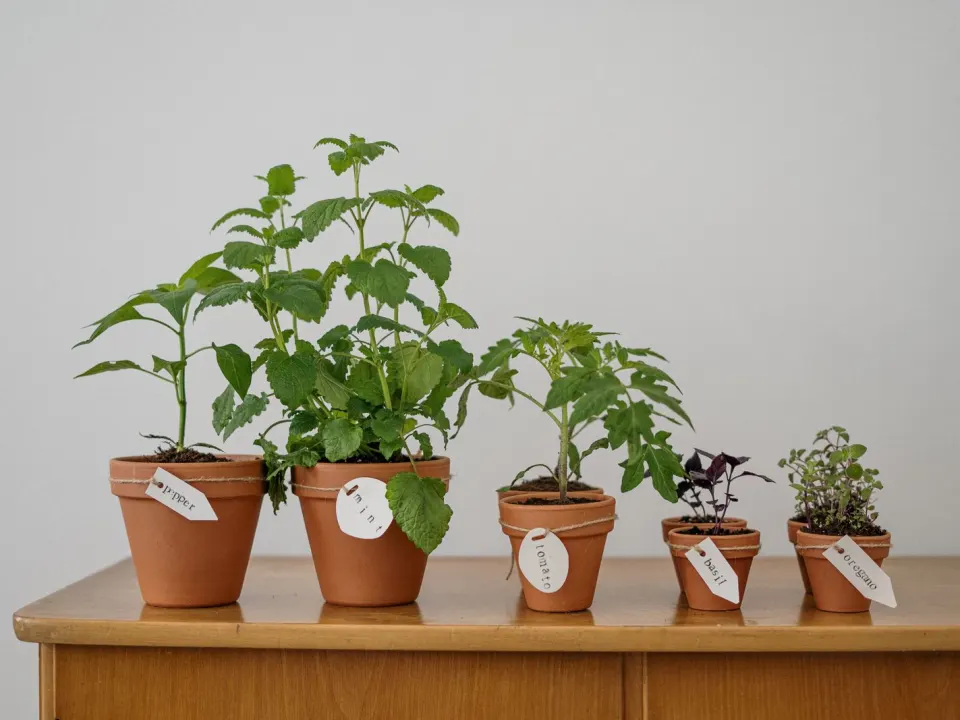
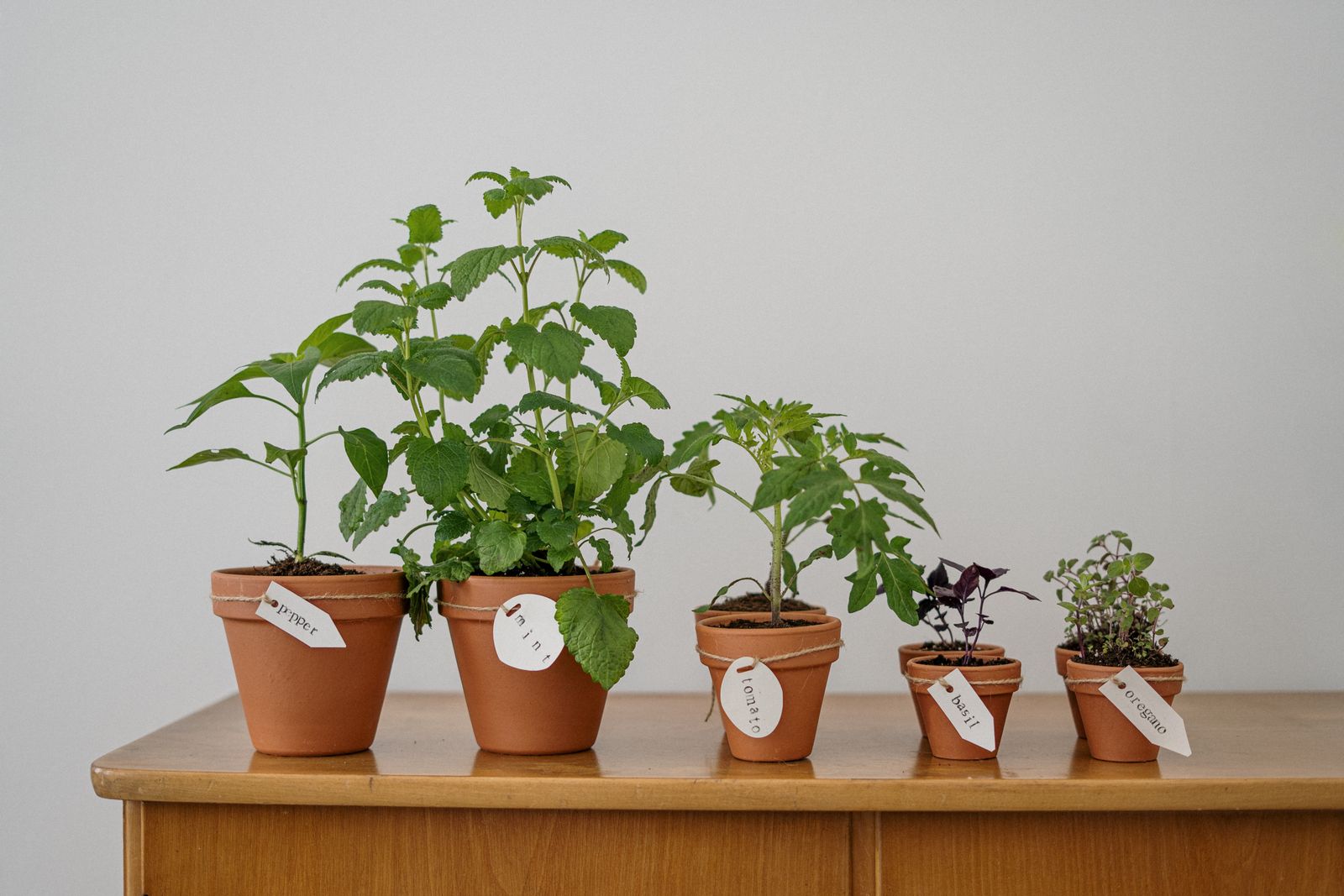
| Herb pot on a sill | More light and more water | A reason to walk to the window | Needs a true sill, not a dark cubicle |
| No plant, outdoor loop | Shoes and a calendar block | The stronger mood and movement habit | Weather and access still count |
How to use a plant as a break cue
Give the pot a job in your hour. When the leaves catch your eye, look past them to the far wall or the street. Then stand. Fetch water for you and for the plant. That is one change of posture. It is the same logic as a kettle walk, with a living prompt.
Keep the pot where you do not have to twist. A plant behind the monitor can make you crane. A plant to the side of the keyboard is enough. Check the wider layout with the desk ergonomics checklist so the greenery does not steal elbow room.
If watering becomes a skippable chore, shrink the collection. One plant you keep alive beats four you resent. Shared office plants need a named owner. Orphan ferns on a hot-desk bank just drop leaves onto keyboards.
Safety, pets and office rules
Some common houseplants are toxic if chewed. Peace lilies, pothos, and some lilies can sicken cats and dogs. If pets visit the home office, pick a non-toxic species or put the pot out of reach. Wash hands after handling compost. Do not eat mystery leaves from a decorative pot.
Check workplace rules before you arrive with a ficus. Some sites ban soil because of pests or fire codes. A fake plant then becomes honest plastic. It can still be a look-away target. It will not need water, so you lose the standing cue. Pair it with a calendar prompt instead.
People with a weakened immune system should ask their clinical team before they pot up compost at a desk.
Pair the pot with movement you can keep
A plant will not stretch your hip flexors. After you water, walk a corridor or a flight of stairs. NHS sitting advice is still the backbone: break long sits, stand on a call, use the stairs. Two minutes from the ten desk stretches can follow the watering if shoulders feel jammed. If wrists complain at the same desk, the plant will not fix the mouse. Use the RSI prevention guide for that job.
At lunch, go outside if you can. Daylight and a change of distance beat staring at leaves under a strip light. The pot is there when the weather is foul or the diary is tight. It is a floor, not a ceiling.
If you feel low most days, or thoughts of self-harm appear, that is clinical care, not horticulture. Contact a GP, NHS 111, or 988 in the US for a mental-health crisis.
A one-week plant experiment
Place one hardy plant where you can see it without twisting. Each time you notice it, look far away, then stand for a minute. At the week’s end, keep it only if you stood more or the desk felt less bleak. Gift it on if it became mess. “Did my anxiety vanish” is not a fair test for a pot.
Choosing plants that survive desk life
Pick tolerant species suited to your light: many offices do well with snake plant, pothos, or ZZ plant in indirect light. Water on a schedule you will keep. Avoid blocking screens or creating trip hazards with large floor pots in walkways.
Wellbeing expectations
Plants may offer a small mood or attention nudge for some people; they are not air-purifying miracles or medical treatment. Pair them with real breaks and daylight exposure when you can.
Allergies and policies
Check workplace rules and colleagues’ allergies before bringing strongly scented plants or soil that moulds easily. Keep saucers dry enough to avoid damp desks.
Workday application notes for desk plants wellbeing
Tie desk plants wellbeing to a visible cue you already have: a kettle boil, the end of a recurring meeting, or plugging in a laptop at the start of deep work. Keep a one-line prompt on a sticky note near the screen with the first move and hold time so you do not renegotiate the routine mid-afternoon.
If symptoms during desk plants wellbeing include numbness, progressive weakness, chest pain, or pain that wakes you at night, stop self-managing and speak with a clinician or occupational-health service. Comfort drills support ordinary stiffness; they do not replace assessment.
Revisit your desk height, screen position and break timing whenever you change chairs, monitors or work locations. A routine built for one setup can feel oddly hard in another — adjust the environment before you assume you need more aggressive stretching.
Practical checkpoints for desk plants wellbeing
Rehearse the main drills for desk plants wellbeing at the exact doses already listed. Change only one variable this week — range, tempo, or support — and write down the result the next morning.
Keep safety limits visible: sharp pain, dizziness, chest symptoms, or neurological changes mean stop and seek care. Modest consistency with desk plants wellbeing beats sporadic intensity.
If your environment changed (new chair, different floor, travel), re-check setup before blaming the programme. Small environment fixes often restore comfortable technique faster than adding volume.
One more concrete week of practice
Schedule two appointments with yourself for the skills in this article. Session one copies the doses exactly. Session two adjusts a single cue that felt weakest — depth, quiet footfall, hold time, or screen height — and keeps everything else identical.
After those two sessions, keep what was sustainable. Discard any add-on that only worked once. That is enough experimentation for one week.
Desk-day choreography for desk plants wellbeing
Anchor desk plants wellbeing to breakpoints you already have: ending a call, sending a calendar invite, boiling a kettle, or standing to collect printing. Write the first action and timing on a sticky note near the monitor — for example “30s doorway stretch each side” or “60s walk after every second meeting.” If the note needs a paragraph of explanation, simplify the action until it fits one line.
Batch similar resets so you are not context-switching endlessly: eye breaks can be ultra-short and frequent; mobility snacks can cluster at mid-morning, lunch and mid-afternoon; workstation tweaks belong at the start of a work block rather than during deep focus. Different tools should not all scream with the same alarm sound.
When the calendar collapses, keep a minimum version of desk plants wellbeing: stand and change gaze, or do the shortest stretch sequence already listed. Protecting the minimum on chaotic days prevents the all-or-nothing pattern where one busy Thursday erases the whole week’s intention.
Environment checks that multiply the routine
- Screen height near eye level for your main sitting posture.
- Keyboard and pointing device close enough that shoulders stay quiet.
- Feet supported; avoid long periods perched on a chair edge.
- A clear two-metre path for a micro-walk without tripping on cables.
- Water bottle placement that forces a brief stand when empty.
Re-run this checklist when you change rooms, laptops, or chairs. A routine for desk plants wellbeing that felt easy at the office can feel awkward on a kitchen stool — fix the surface before you assume you need longer stretches.
Symptoms that mean stop self-managing
Seek appropriate care for night pain that wakes you, progressive numbness or weakness, unexplained swelling, chest symptoms, or headaches with visual changes. Desk routines and microbreaks support ordinary stiffness from static work; they are not a diagnosis pathway. Occupational-health or a GP/primary care clinician can advise on adjustments, display-screen assessments, and referrals.
Review desk plants wellbeing every fortnight with one question: did the planned breaks or drills happen on most workdays? If not, reduce the ask until it fits the real meeting load, then rebuild. Sustainable beats elaborate.
Frequently asked questions
Do desk plants clean indoor air enough to matter?
How many plants do I need for desk plants wellbeing?
What if I am bad at keeping plants alive?
Can a pot replace a lunchtime walk?
Are office plants safe around children and pets?
Sources
- 1. Be active for your mental health
- 2. What is mindfulness?
- 3. Why we should sit less
- 4. Associations between nature exposure and health: a review of the evidence
- 5. Mental health: strengthening our response
Guidance changes. Figures were checked against the sources above at the time of review; always confirm current advice with your GP, pharmacist or clinician.
Image credits
- Photo: Photo by cottonbro studio on Pexels / Openverse
- Photo: Photo by Startup Stock Photos on Pexels / Openverse
- Photo: Photo by Karolina Grabowska on Pexels / Openverse
Was this useful?
Anyone can react — no account needed.




Discussion
0 comments · Name and email only · Email is never shown