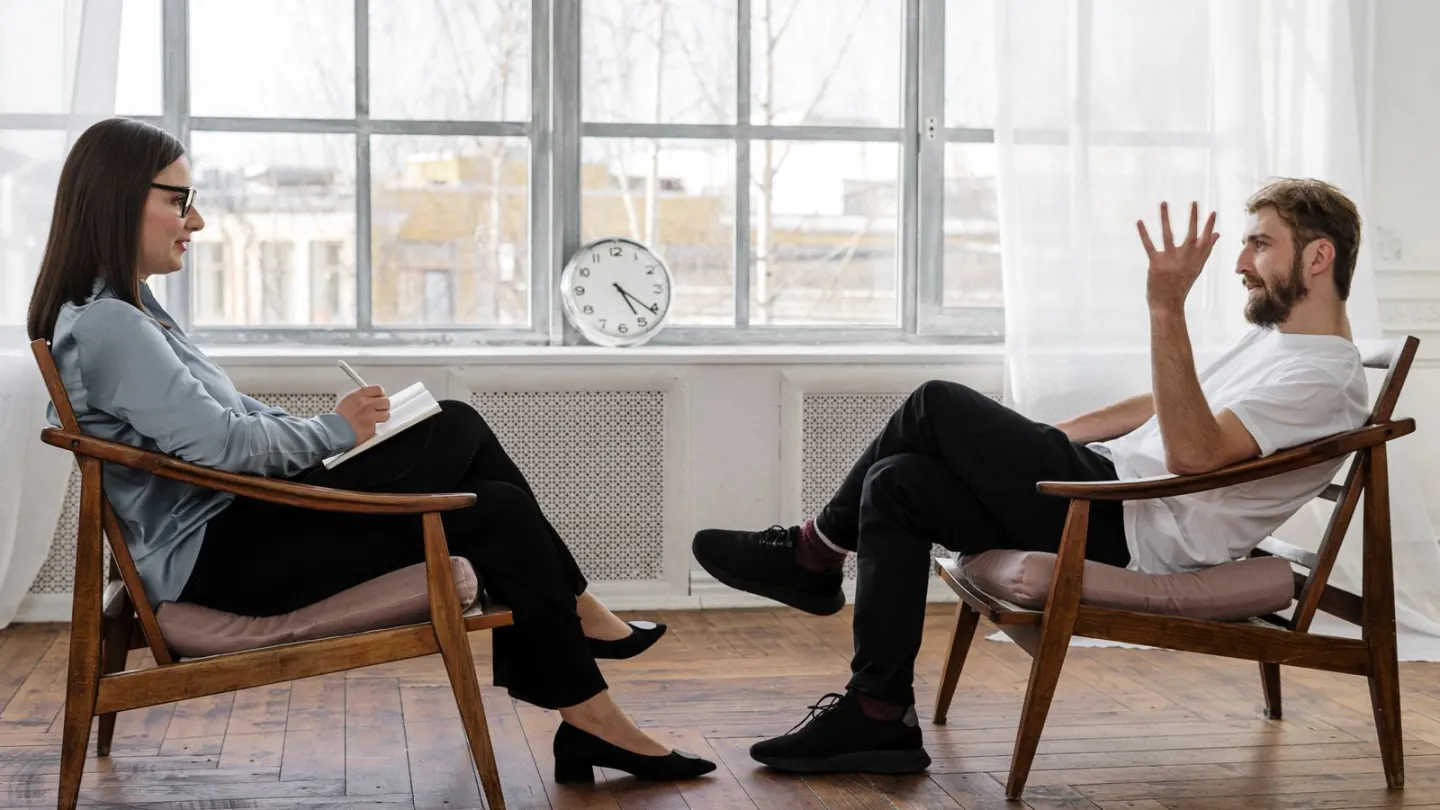
Choosing a personal trainer is a safety job, not a vibe test. Ask for proof, insurance, and a plan that fits your week. Charm is not a credential.
The title is not protected in the US. ACSM is blunt about that. Anyone can use it. In the UK the job has a skills standard, but you still have to check the person in front of you. Choosing a personal trainer well means you confirm training, first aid, and the limits of their role.
This guide is for adults who want a human coach in a gym, a park, or a living room. It does not rank brands. It does not promise a new body. It helps you hire help without ignoring medical care.
What choosing a personal trainer should actually check
Start with paper, not playlists. ACSM’s hiring leaflet says the title does not prove skill. There is no single US law that sets a floor. A club may hire well. A freelance coach may not. You have to ask.
Ask four things. What exam did you pass? When does it expire? Do you hold adult CPR or first aid? Do you carry insurance? Write the answers down. A calm coach will show cards. A rushed coach may change the subject.
Match the person to your goal. A strength coach is not a dietitian. Skills England describes the UK role as coaching one-to-one or small groups, then referring out when the issue sits outside that skill. That is a feature, not a slight.
If you have been inactive for years, read our guide to starting exercise after years inactive first. A good coach will slow the first month. A poor coach will sell a six-week shred.
UK and US credentials that mean something
In the UK, look for a recognised Level 3 personal-training award and a current first-aid card. Membership of a professional register, such as CIMSPA, is a useful extra. It is still not a medical licence. NICE advice on exercise referral schemes is for people sent by a clinician. Those schemes use extra training. A high-street coach may not have it.
In the US, ACSM tells you to look for a nationally known exam and ongoing learning. Many large gyms want an exam that an independent board has reviewed. CPR and an AED course are the usual floor. A college degree in exercise science is a plus. It is not the only path.
Insurance matters on both sides of the Atlantic. Some UK parks even ask outdoor coaches for public-liability cover before they hire a pitch. You can ask the same question in a gym corridor. “Who is insured if I fall?” is a fair line.
| Check | United Kingdom | United States |
|---|---|---|
| Proof of skill | Recognised Level 3 award; register membership helps | Known national exam; ACSM notes the title itself is unregulated |
| Emergency skill | Current first aid, including CPR | Adult CPR and AED; ACSM lists this as a basic ask |
| Cover | Ask about public-liability or professional insurance | Ask about liability insurance before a paid block |
| Scope | Refer to a clinician or dietitian when the issue is medical | Same rule: stay inside training, do not prescribe care |
How a first session should feel
You should fill a health form. PAR-Q style questions are common. They flag chest pain, dizziness, bone or joint issues, and medicines. They are not a full medical exam. If you have high blood pressure, our blood pressure numbers guide helps you bring real figures, not a guess.
NHS adult activity pages still want about 150 minutes of moderate work a week, plus muscle work on two days, if you can. CDC adult pages use the same floor. A coach who ignores those minutes and sells daily max effort is selling a product, not a plan. Our UK and US physical activity guidelines turn those numbers into a normal week.
Watch the session. The coach should see your squat, not only film it. You should be able to talk in short sentences. You should leave knowing next week’s days and loads. A secret plan that you cannot repeat at home is a weak plan.
When a trainer should send you back to a clinician
NHS pages say to speak to a GP first if you have not exercised for some time, or if you have a medical condition. CDC advice is similar for long-term illness. A coach can still help after that chat. They should not replace it.
Red flags during a session are not “work through it.” Chest pain, fainting, sudden hard breathing, or a joint that gives way needs a stop. Read our exercise warning signs guide and agree the stop rules before you start. Call 999 in the UK or 911 in the US for a life-threatening emergency.
Be wary of coaches who sell unlicensed pills, extreme fasting, or a ban on medical care. Those are sales tactics. They are not training. If food talk becomes a list of banned meals and shame, step away. NHS, Beat, and NEDA pages exist if eating feels unsafe.
Pay session by session at first if you can. A huge prepaid block makes it harder to leave. A good coach can survive a two-week trial. Choosing a personal trainer is easier when the contract is short.
Medical note. This article is general information, not a diagnosis or a personal treatment plan. It does not replace advice from a GP, pharmacist, registered dietitian, physiotherapist, or other qualified clinician. Seek urgent help for severe, sudden, or rapidly worsening symptoms. UK readers can use NHS 111 for urgent advice; US readers can use local urgent care or emergency services when needed.
Frequently asked questions
Is a social-media coach the same as choosing a personal trainer in a gym?
Do I need a GP letter before choosing a personal trainer?
What if the cheapest coach has no exam card?
Should a trainer give meal plans or supplements?
How many sessions do I need before I decide?
Sources
- 1. Investing in a Personal Trainer
- 2. ACSM Certified Personal Trainer
- 3. Physical activity guidelines for adults aged 19 to 64
- 4. Physical activity: exercise referral schemes (PH54)
- 5. Personal trainer occupation
- 6. Adult activity guidelines
Guidance changes. Figures were checked against the sources above at the time of review; always confirm current advice with your GP, pharmacist or clinician.
Image credits
- Photo: Photo by cottonbro studio on Pexels / Openverse
- Photo: Photo by Pexels contributor on Pexels / Openverse
- Photo: Photo by Karolina Grabowska on Pexels / Openverse
Was this useful?
Anyone can react — no account needed.



Discussion
0 comments · Name and email only · Email is never shown