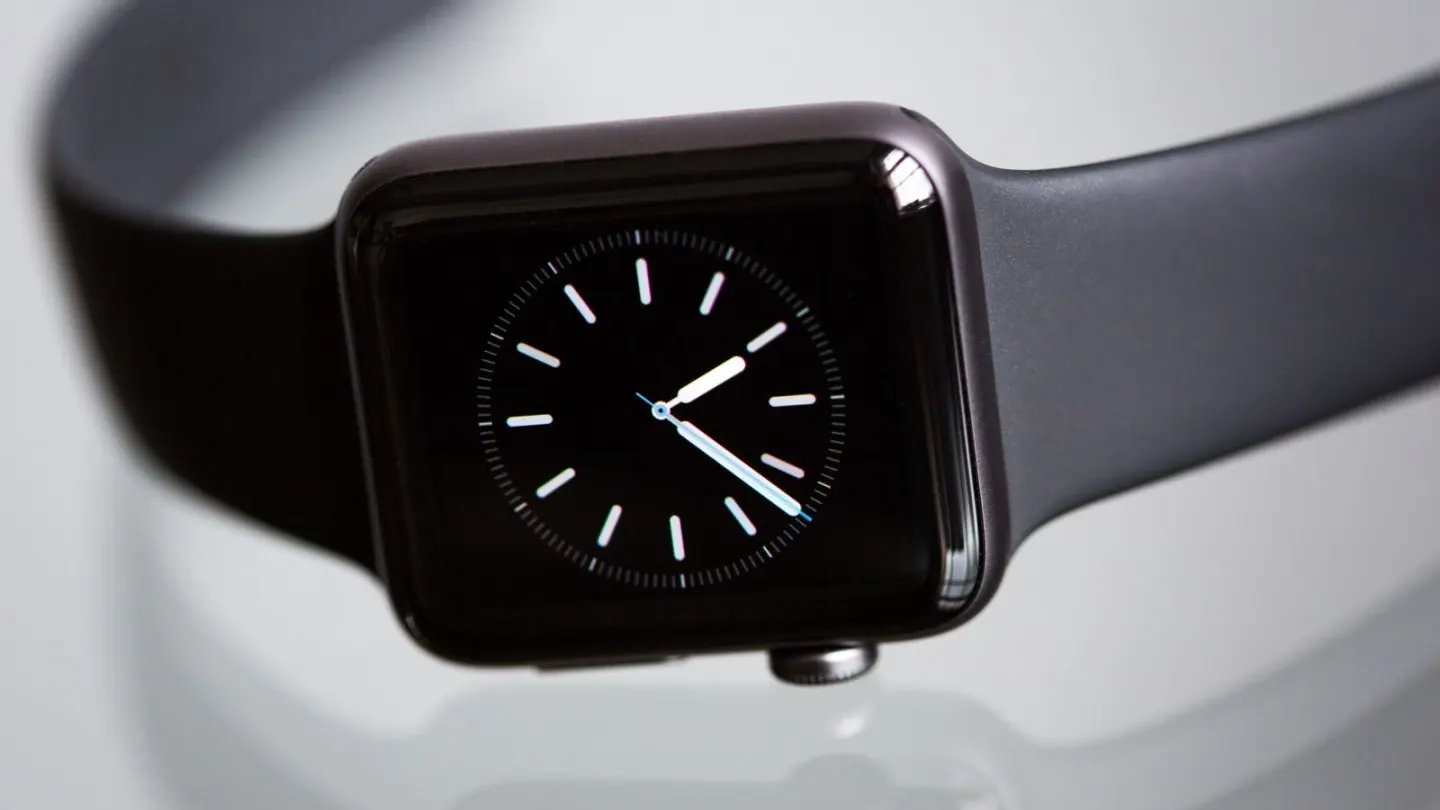
Wearable heart rate accuracy is good enough for many weekly trends. It is weaker for a single second, a hard interval, or a medical decision. Treat the watch as a diary, not a clinic.
A light under the skin reads blood-volume changes at the wrist. Chest straps still use electrical signals. Those two tools do not always agree. Wearable heart rate accuracy drops when you move, when the strap is loose, and when the work changes fast.
This piece is for adults who walk, cycle, or lift with a consumer watch. It does not rank brands. It does not diagnose an irregular pulse.
What wearable heart rate accuracy can and cannot do
At rest, many wrist devices sit close to a medical trace. A review of wearable light sensors reported a mean error near 2 beats a minute when people were still. Error rose on a treadmill and on a bike. That is the useful split. Sitting pulse and overnight pulse are the stronger stories. A 20-second peak in a HIIT clip is the weaker story.
Shcherbina and colleagues at Stanford tested seven wrist devices against a clinical heart monitor. Six kept median heart-rate error under 5% during cycling. Walking produced more error. No device kept calorie error under 20%. So a watch can pace a ride. It should not run your dinner maths.
Bent and colleagues later looked at rest versus movement. Absolute error during activity was, on average, about 30% higher than at rest. Devices also differed from each other when the task changed. Wearable heart rate accuracy is a family of results, not one badge on the box.
Why a wrist light struggles when you move
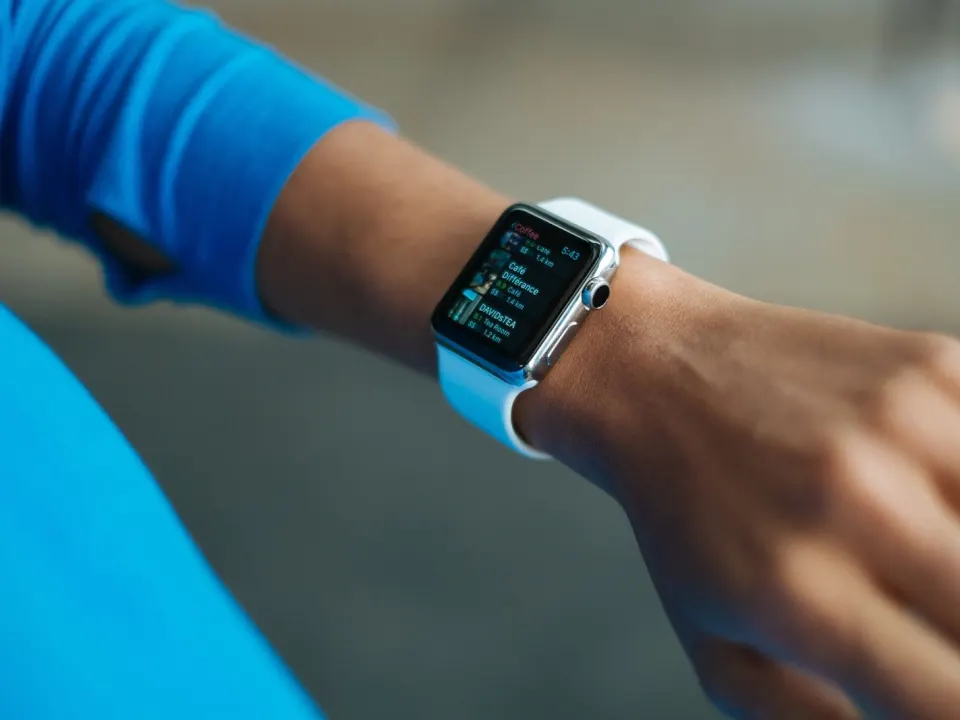
The sensor needs a steady patch of skin. A loose strap lets in extra light. A very tight strap can blunt the signal. Wrist bones, tattoos, and cold hands all change the reading. Fit and movement still matter more than a marketing claim.
A chest strap sits nearer the heart’s electrical signal. In a cardiac rehab study, an electrode strap stayed closer to the clinic trace than popular wrist watches. If a clinician has set a training ceiling after a heart event, ask which tool they want.
Calories on a watch are a model. The Stanford result is the caution: none of the seven devices met a 20% error bar for energy use. Do not chase a watch “burn.”
| Setting | What researchers reported | Everyday meaning |
|---|---|---|
| Rest | Review mean error about 2 beats a minute for pulse from light sensors | A morning sitting pulse is a fair trend |
| Cycling in lab | Six of seven watches in a Stanford test: median heart-rate error under 5% | Steady pedalling is a stronger use case |
| Walking in lab | Higher device error than cycling in the same Stanford test | Arm swing can confuse a wrist light |
| Activity versus rest | Bent et al.: absolute error about 30% higher during activity | Do not treat one interval spike as fact |
| Calories | No Stanford device kept energy error under 20% | Ignore the “burn” as a meal ticket |
How to use a watch without letting it boss you
Wear it snug, above the wrist bone, for sessions. Sit for one minute before you trust a resting pulse. Compare a morning average across a week, not a single bedtime spike after coffee. MedlinePlus still treats pulse as one vital sign among others. A watch does not replace a cuff for blood pressure. Our blood pressure numbers guide keeps those units separate.
AHA pages still publish a simple target-zone sketch using 220 minus age. That is a population formula. It is not a personal ceiling. NHS adult activity pages do not ask you to hit a watch zone. They ask for about 150 minutes of moderate work a week, or 75 minutes of hard work, plus muscle work on two days. Our UK and US physical activity guidelines turn that into walks and two strength days.
The talk test still works when the watch looks wild. You can talk in short sentences at moderate effort. You cannot sing. If the number says 180 and you are chatting, believe your breathing. If the number says 90 and you cannot speak, believe your body and slow down.
When a number on a watch needs a person, not a firmware update
New chest pain, fainting, or sudden hard breathing needs urgent care. Call 999 in the UK or 911 in the US. Do not wait for the watch to “confirm” the event. Our exercise warning signs guide is the stop list. A gadget is extra.
If you are starting after years of sitting, a watch can count minutes. It should not set a heroic zone. Our guide to starting exercise after years inactive keeps the first month small. An NHS Health Check or a US preventive visit can sit beside that start. Our comparison of those visits explains what each one usually covers.
Irregular pulse alerts are a prompt to talk to a clinician, not a diagnosis. Follow the device’s instructions if it asks you to log a trace. Then book care.
Wearable heart rate accuracy is a trend tool. Use it to notice that resting pulse crept up during a week of poor sleep. Do not use it to ignore symptoms.
Medical note. This article is general information, not a diagnosis or a personal treatment plan. It does not replace advice from a GP, pharmacist, registered dietitian, physiotherapist, or other qualified clinician. Seek urgent help for severe, sudden, or rapidly worsening symptoms. UK readers can use NHS 111 for urgent advice; US readers can use local urgent care or emergency services when needed.
Frequently asked questions
Is a chest strap more accurate than a watch?
Why does my watch jump during weights?
Can I use the calorie ring to plan meals?
What resting pulse is “too high”?
Should I share watch data at a check-up?
Sources
- 1. Accuracy in Wrist-Worn, Sensor-Based Measurements of Heart Rate and Energy Expenditure in a Diverse Cohort
- 2. Investigating sources of inaccuracy in wearable optical heart rate sensors
- 3. Target heart rates chart
- 4. Pulse
- 5. Physical activity guidelines for adults aged 19 to 64
- 6. Adult activity guidelines
Guidance changes. Figures were checked against the sources above at the time of review; always confirm current advice with your GP, pharmacist or clinician.
Image credits
- Photo: Photo by Torsten Dettlaff on Pexels / Openverse
- Photo: Photo by raneko on Wikimedia Commons / Openverse
- Photo: Photo by Pixabay on Pexels / Openverse
Was this useful?
Anyone can react — no account needed.




Discussion
0 comments · Name and email only · Email is never shown