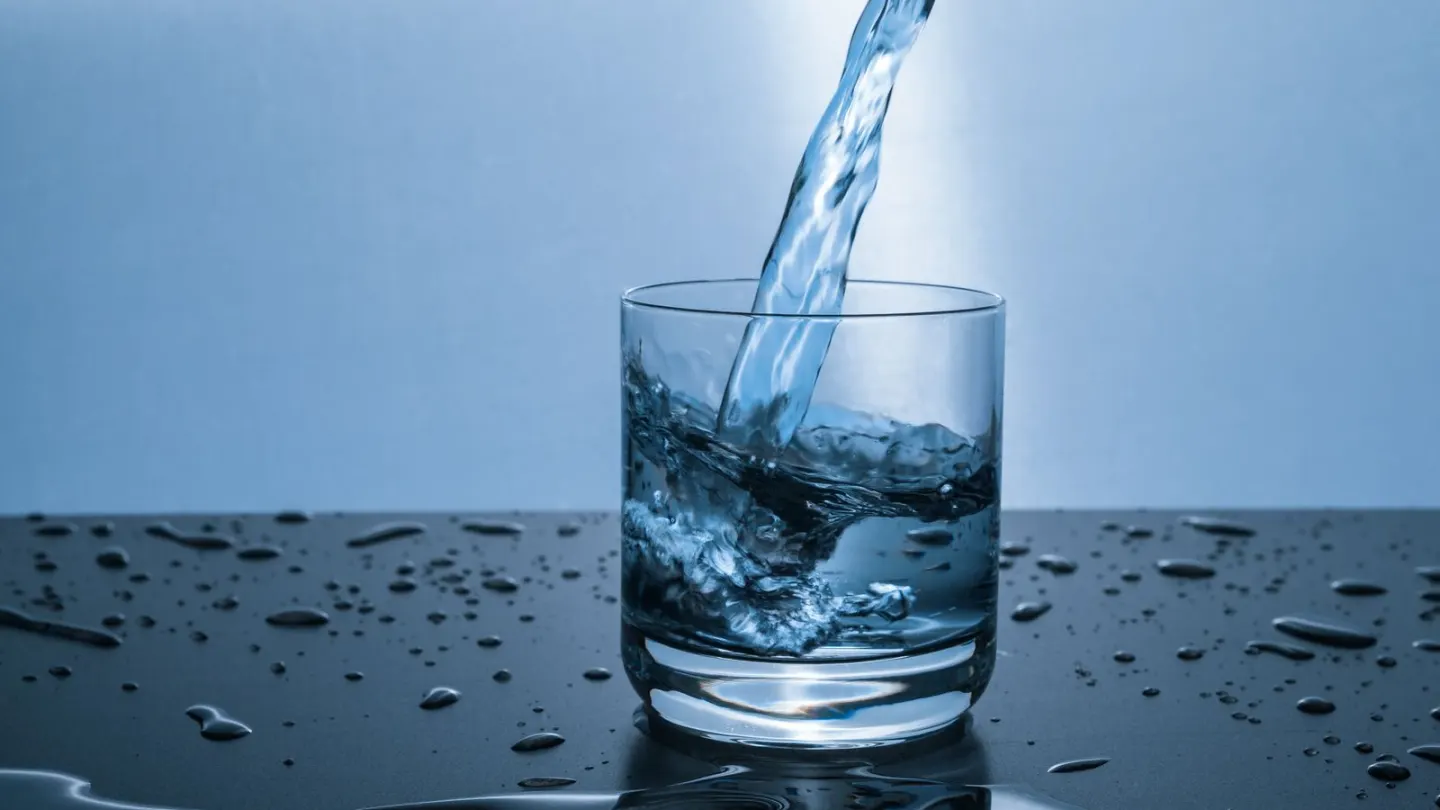
Alcohol and mood can look like a short evening truce. A drink may take the edge off in 20 minutes. The same chemical then fragments sleep and can leave anxiety higher the next afternoon.
This is a science-led look at that arc, with UK units and US standard drinks attached. It is not a diagnosis of alcohol use disorder. It is a map of relief, rebound, and lower-risk limits.
Alcohol and mood: the 20-minute lift and the next-day bill
Ethanol slows brain signalling. Many people feel looser shoulders and easier chat after one drink. That is the short relief. As levels fall, the nervous system can rebound. Heart rate may feel louder. Thoughts may loop. A hangover is not only a headache. It is a mood state.
NHS pages on drinking too much say regular high-risk drinking can make mental health worse. They also note strong links between alcohol misuse and self-harm, including suicide. That is population evidence. It is a reason to treat mood and drinking as one conversation, not two hobbies.
NIAAA, part of NIH, reports a common overlap with depressive and anxiety disorders. Trauma-related disorders, other substance use, and sleep disorders also sit alongside alcohol use disorder in many samples. Among people with major depression, lifetime co-occurrence of alcohol use disorder has been estimated in the 27% to 40% range in cited reviews.
Sleep is the quiet mechanism. NIAAA notes that even moderate doses of alcohol may reduce the duration of rapid eye movement sleep. Sleep disorders among people with alcohol use disorder have been estimated from 36% to 91% in different samples. You can fall asleep faster and still wake unrefreshed at 03:30.
Picture two 175 millilitre glasses of 12% wine. That is 4.2 UK units, or a little more than two US standard drinks. At 20:30 you may feel easier in company. At 23:10 you may drop off fast. At 02:40 you may wake thirsty and wired. At 08:15 mood can sit lower than the night before, even if you “slept”. That arc is the alcohol and mood story in one night.
Units, standard drinks, and what 14 actually looks like
One UK unit is 10 millilitres or 8 grams of pure alcohol. NHS pages say that is roughly what an average adult can process in an hour, though people vary. A pint of higher-strength lager at 5.2% ABV is about 3 units. A 175 millilitre glass of 12% wine is 2.1 units. A 25 millilitre shot of 40% spirits is 1 unit.
UK chief medical officers advise adults not to drink more than 14 units a week on a regular basis. Spread those units over 3 or more days if you drink that much. If you want to cut down, have several drink-free days each week. Fourteen units is about 6 pints of average-strength beer or 10 small glasses of lower-strength wine.
The NHS calls under-14-units “low risk”, not “safe”. There is no safe drinking level in that wording. Cancer risk, including breast cancer, can rise even within common drinking patterns. The old story that a daily glass is “good for the heart” has been walked back.
In the US, a standard drink contains about 14 grams of pure alcohol. That is roughly 12 fluid ounces of 5% beer, 5 fluid ounces of 12% wine, or 1.5 fluid ounces of 40% spirits. Dietary Guidelines for Americans say if you drink, drink in moderation: 2 drinks or less in a day for men, 1 or less for women. They also say not to start drinking for health.
| Drink | Measure and strength | Units |
|---|---|---|
| Spirits | 25 ml, 40% ABV | 1.0 |
| Wine, small glass | 125 ml, 12% ABV | 1.5 |
| Wine, standard glass | 175 ml, 12% ABV | 2.1 |
| Wine, large glass | 250 ml, 12% ABV | 3.0 |
| Lager, pint, lower strength | 568 ml, 3.6% ABV | 2.0 |
| Lager, pint, higher strength | 568 ml, 5.2% ABV | 3.0 |
| Bottle of beer | 330 ml, 5% ABV | 1.7 |
A seven-day experiment without a grand promise
Days 1 to 3: do not change anything except the notebook. Write the drink, the millilitres or pint, the ABV if you know it, and the time. Add a 0 to 10 mood score at 21:00 and at 08:00. You are collecting a pattern, not scoring your character.
Days 4 to 7: pick one swap. If your second drink lands at 21:20, replace it with sparkling water and a 12-minute walk around the block. If you drink to fall asleep, move the last drink 3 hours earlier and use a dim-room wind-down instead. Keep the first drink if you need a smaller step.
Food slows a single session. NHS single-session advice is to drink more slowly, drink with food, and alternate with water. That does not cancel weekly risk. It can reduce accidents on that night.
Use the body’s stress response as a reminder that a racing heart after a heavy night can be chemistry, not only “personality”. Then use a short nature walk as the replacement ritual, not as a miracle cure.
When “unwinding” is doing extra work
If most of your units sit in one Friday night, you are not spreading 14 units across 3 days. A 5-pint evening is already around 10 to 15 units depending on strength. That pattern raises accident risk the same night and sleep cost the next day.
US binge drinking is often defined as 5 or more drinks for men, or 4 or more for women, in about 2 hours. That is a single-session pattern, not a weekly average. A quiet Tuesday of zero units does not cancel a Friday binge for accident risk or for next-day mood.
If you use alcohol to take the edge off after work, write a 20-minute replacement and put it on a card by the glasses. Example: shoes on, walk to the post box, sparkling water, then food. Keep the first drink only if that is the smaller step you can keep this week.
Exercise can help mood on drink-free days. A 20-minute brisk walk at 18:30 can occupy the slot where the first pour used to happen. See exercise for mental wellbeing for realistic doses. Do not use a brutal workout to “earn” drinks.
Build a cue that does not rely on willpower at 21:00. Put the sparkling water in the front of the fridge. Put walking shoes on the mat. Habits that survive low-energy days matter more than a dry-January speech in week one.
Practical coping steps you can use the same day
Supportive practices around alcohol and mood work best when they are specific and short enough to use on a difficult afternoon — not only on a calm Sunday. Start with a body-first step (slow breathing, a brief walk, water, food if you have skipped meals), then a thought-labelling step (name the worry in one sentence), then one tiny action that moves life forward by five minutes. The order matters: high arousal makes clever planning harder.
- 90-second settle: Longer exhale than inhale (for example breathe in for 4, out for 6) while feeling your feet on the floor. Stop if you feel dizzy and return to normal breathing.
- Name and narrow: Write one line — “I am worried about X before Friday” — then ask whether the next useful step is information, a conversation, or rest.
- Move for mood, not punishment: Ten minutes of easy walking or gentle mobility often softens stress physiology without demanding a full workout.
- Contact cue: Send one message to a person who usually responds kindly, or sit in a shared space if silence is feeding rumination.
These steps are coping skills and habit supports. They are not a diagnosis, not exposure therapy on their own, and not a replacement for treatment when anxiety, depression, trauma symptoms, or substance use are disrupting work, relationships, sleep or safety.
Help-seeking: when self-help should hand over
Decide your hand-over rules in advance, while you are relatively steady:
- Mood, worry or sleep problems lasting more than a couple of weeks and limiting daily life
- Panic-like symptoms that keep recurring, or fear of exercise sensations that stops you moving
- Thoughts of self-harm, feeling unsafe, or using alcohol/drugs to get through the day
- Grief, burnout or body-image distress that is getting heavier despite routines
UK: start with a GP, NHS talking therapies referral routes where available, NHS 111 for urgent advice, or 999 if there is immediate danger. US: primary care, employee assistance programmes where offered, the 988 Suicide & Crisis Lifeline for crisis support, or 911 for emergencies. Local crisis lines and trusted people remain part of a safety plan.
When you book help about alcohol and mood, bring three concrete examples from the last fortnight (what happened, how long it lasted, what you tried). That helps a clinician faster than a vague “I feel stressed.” Ask about options: watchful waiting, guided self-help, therapy, medicine review, or combined approaches — and about expected follow-up.
Daily structure that supports mood without rigid perfection
On harder weeks, protect four anchors: a wake time, a daylight break, one nourishing meal you actually eat, and one human contact. Add the topic-specific practice from this article beside those anchors rather than instead of them. Shrink the plan when energy is low; expand when stability returns. Rigid all-or-nothing streaks often increase shame when life intervenes.
Limit late-night comparison scrolling if it reliably worsens mood or body image. Replace the last scroll with a short wind-down so sleep can support emotional regulation the next day. Sleep loss and low mood reinforce each other — treat both kindly.
A calm review after seven days
Once a week, ask only:
- Which coping step did I actually use when stress rose?
- Did I avoid something important (work, people, movement) because of how I felt?
- Is it time to contact a professional based on my pre-agreed hand-over rules?
Keep notes factual and brief. Share them in appointments. If someone you trust notices withdrawal, irritability or exhaustion you are minimising, take that observation seriously.
When to speak to a professional
See a GP or another clinician if you drink to change mood most days, if friends have commented, or if sleep and low mood are stuck. Bring the 7-day unit list. Ask about local alcohol services as well as talking therapies.
Do not stop suddenly if you drink heavily every day or if you have had withdrawal before. Shakes, sweating, confusion, or seizures need urgent medical care. Call 999 or 911 for emergencies. In the US, 988 can also help with mental-health crisis support.
If drinking sits beside thoughts of self-harm, treat that as urgent. NHS pages link alcohol misuse and self-harm at population level. You deserve a plan that covers both, not a lecture about units alone.
Medical note. This article is general information, not a diagnosis or a personal treatment plan. It does not replace advice from a GP, pharmacist, registered dietitian, physiotherapist, or other qualified clinician. Seek urgent help for severe, sudden, or rapidly worsening symptoms. UK readers can use NHS 111 for urgent advice; US readers can use local urgent care or emergency services when needed.
Frequently asked questions
Why do I feel more anxious the day after drinking?
Is 14 units a week a safe target?
How do UK units compare with a US standard drink?
Can I use exercise or herbal tea instead of a second drink?
Sources
- 1. The risks of drinking too much
- 2. Alcohol units
- 3. Mental health issues: alcohol use disorder and common co-occurring conditions
- 4. Dietary Guidelines for Americans
- 5. About alcohol use
Guidance changes. Figures were checked against the sources above at the time of review; always confirm current advice with your GP, pharmacist or clinician.
Image credits
- Photo: Photo by Pixabay on Pexels / Openverse
- Photo: Photo by Chevanon Photography on Pexels / Openverse
- Photo: Photo by Andrea Piacquadio on Pexels / Openverse
Was this useful?
Anyone can react — no account needed.
Discussion
0 comments · Name and email only · Email is never shown