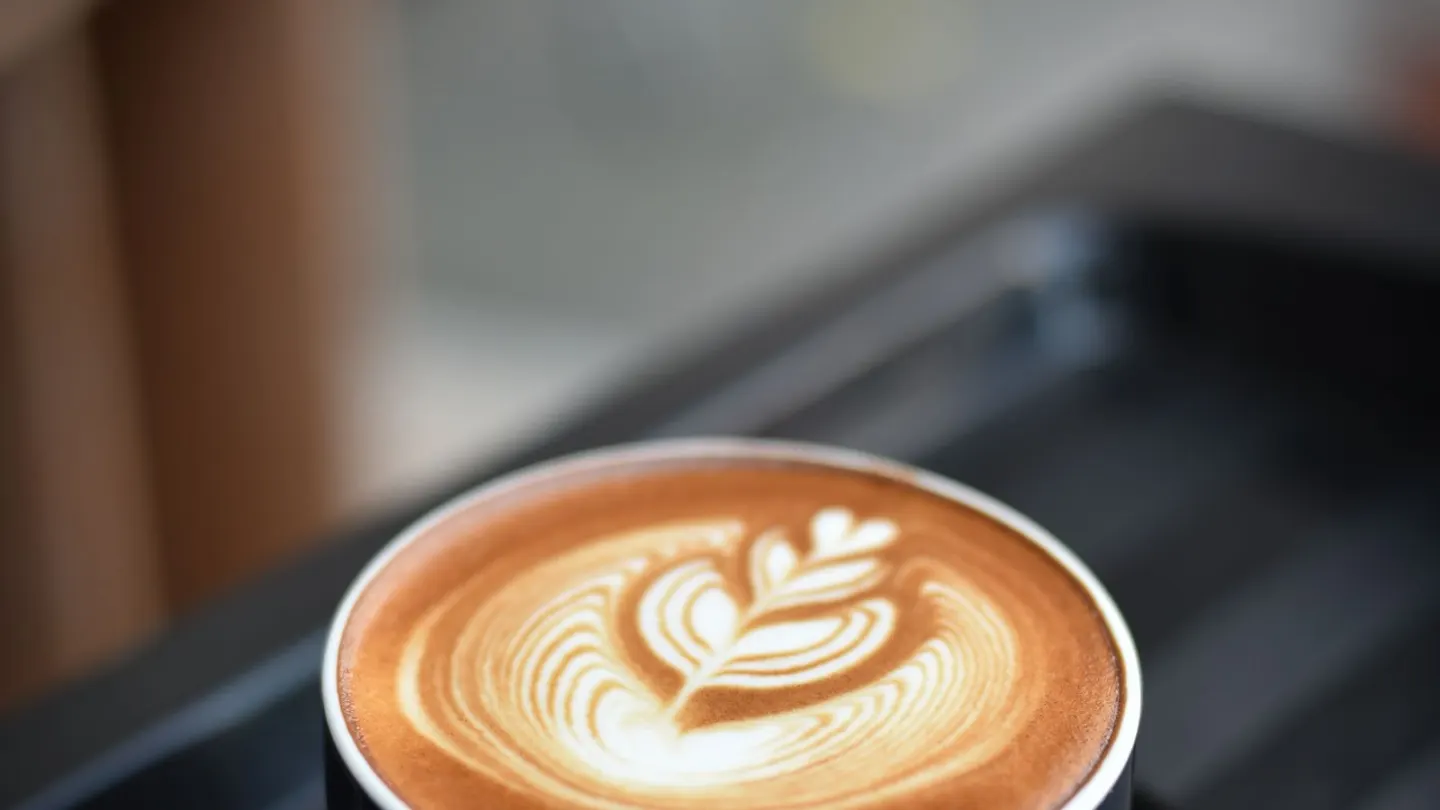
Caffeine and anxiety share a toolkit: a quicker pulse, restlessness, and a mind that will not sit down. A 09:00 coffee can be useful. A 16:30 energy drink can still be in your system at midnight.
This guide is about dose and clock time, not a ban on tea. The FDA cites 400 milligrams a day as an amount not generally tied to negative effects for most healthy adults. Sensitivity still varies widely.
Caffeine and anxiety: why the body mixes the messages
Caffeine blocks adenosine, a chemical that helps you feel sleepy. Alertness rises. Heart rate can rise. Hands can shake. If you already live with worry, those body signals can read as danger. The coffee did not invent the worry. It turned the volume up.
NHS self-help for generalised anxiety includes cutting down caffeine as a practical step. That is not the same as saying caffeine causes an anxiety disorder. It means the stimulant can add noise while you work on sleep, breathing, and professional care.
The FDA lists anxiety, jitters, insomnia, a faster heartbeat, and an upset stomach among effects of too much caffeine. People differ. Some feel wired after 80 milligrams. Others drink 300 milligrams and sleep. Medicines, pregnancy, liver disease, and smoking all change clearance.
A simple test lasts 14 days. Keep your usual breakfast tea. Remove caffeine after 12:00. Score anxiety from 0 to 10 at 11:00 and at 21:00. You are not diagnosing yourself. You are seeing whether afternoon dose is part of the noise.
Worked example. 08:00 filter mug at 140 milligrams. 11:00 cola at 40. 15:30 energy drink at 80. That is 260 milligrams before dinner, and the last 80 milligrams may still be working at 20:30. If bedtime is 22:30, that last can sits inside the 6-hour sleep window. Moving the energy drink to 11:00, or dropping it, is a cleaner test than quitting tea as well.

Dose: 400 milligrams is a ceiling, not a target
The FDA has cited 400 milligrams a day for most adults as an amount not generally associated with negative effects. That is about two to three 12-ounce cups of coffee, depending on brew. NIH’s Office of Dietary Supplements notes that an 8-ounce cup of brewed coffee often holds about 85 to 100 milligrams.
NHS pregnancy pages give household numbers many people still use as a ready reckoner. A mug of filter coffee is put at 140 milligrams. A cup of instant coffee is 100 milligrams. A cup of tea is 75 milligrams. A can of cola is 40 milligrams. An energy drink is often listed around 80 milligrams, though cans vary.
If you are pregnant, the NHS advises no more than 200 milligrams of caffeine a day. That can be one filter mug. Energy drinks plus chocolate plus tea add up faster than people think. Dark chocolate is not caffeine-free.
Pure caffeine powders are a different risk class. The FDA has warned that a very large rapid dose can cause seizures. Keep to drinks and labelled foods. Skip unmeasured powders.
| Item | Typical amount | Why it matters |
|---|---|---|
| Mug of filter coffee | About 140 mg (NHS) | One mug can be most of a 200 mg pregnancy limit |
| Cup of instant coffee | About 100 mg (NHS) | Two cups already reach 200 mg |
| Cup of tea | About 75 mg (NHS) | Easy to stack across a long shift |
| Can of cola | About 40 mg (NHS) | Hidden in “just a soft drink” |
| 8 oz brewed coffee | About 85–100 mg (ODS) | US cup sizes are often larger than 8 oz |
| Common adult daily band | Up to 400 mg (FDA) | A ceiling for most healthy adults, not a goal |
Timing: half-life, 6 hours, and a 14:00 last cup
StatPearls, hosted by NCBI, puts average adult half-life at about 5 hours, with a wide range. Pregnancy, especially later pregnancy, can stretch half-life toward 15 hours. Smoking can shorten it. If you have liver disease or take certain medicines, clearance can slow.
A practical sleep rule is to keep substantial caffeine at least 6 hours before bed. If you want lights out at 22:30, 16:30 is already late for a strong coffee. People with anxiety often do better with a 14:00 last caffeinated drink. That is a personal experiment, not a law.
Swap the 15:30 coffee for a walk around the block or a glass of water. If you miss the ritual, drink decaf. Decaf still has a little caffeine, often a small single-digit or low double-digit milligram amount, but it is a large cut.
If sleep is the main complaint, pair the timing change with breathing exercises for stress at 21:30. A slower exhale will not remove 200 milligrams. It can stop a racing body from becoming a racing story.

Who should cut back first
Cut back sooner if you have palpitations, reflux, insomnia, panic attacks, or you already feel “wired and tired”. Teenagers and children are not the audience for a 400 milligram adult band. Pregnancy and trying to conceive need the lower NHS 200 milligram figure unless your clinician says otherwise.
Some medicines interact with caffeine. Ask a pharmacist if you take theophylline, certain antibiotics, or mental-health medicines. Do not stop a prescribed drug on your own because of coffee.
Energy drinks add sugar and sometimes other stimulants. Two 80 milligram cans plus a morning coffee can cross 300 milligrams before lunch. Read the can. Serving size tricks are common.
Cold-and-flu tablets, some pain tablets, and chocolate also add caffeine. If you take a 24-hour cold remedy, skip the extra espresso that afternoon. Check the leaflet. “I only had one coffee” can hide 80 milligrams from a tablet.
A taper week can look like this. Days 1–3: last caffeinated drink at 14:00. Days 4–6: switch the afternoon mug to decaf. Days 7–10: make the morning filter a smaller mug or a tea. Keep the mug-and-chair ritual so the habit cue stays. Headache on day 2 is common. It is not a sign that you must go back to 400 milligrams.
Taper rather than quit on Monday if you drink a lot. Drop one serving every 3 days. Withdrawal headache, fog, and irritability often peak in 24 to 48 hours and then ease. Use habit cues so the 10:00 mug still exists, just with a weaker brew.
Anxiety care is bigger than the mug
If worry still fills the day after you cut afternoon caffeine, the drink was only one lever. Movement helps many people. A 15-minute brisk walk at 12:40 can replace a third coffee and also supports mood. See exercise for mental wellbeing.
Learn what your stress system is doing so a faster pulse after espresso is less frightening. The stress response guide explains the body alarm in plain language. That knowledge does not replace therapy. It can stop a 110 milligram latte from becoming a 2-hour spiral.
Practical coping steps you can use the same day
Supportive practices around caffeine and anxiety work best when they are specific and short enough to use on a difficult afternoon — not only on a calm Sunday. Start with a body-first step (slow breathing, a brief walk, water, food if you have skipped meals), then a thought-labelling step (name the worry in one sentence), then one tiny action that moves life forward by five minutes. The order matters: high arousal makes clever planning harder.
- 90-second settle: Longer exhale than inhale (for example breathe in for 4, out for 6) while feeling your feet on the floor. Stop if you feel dizzy and return to normal breathing.
- Name and narrow: Write one line — “I am worried about X before Friday” — then ask whether the next useful step is information, a conversation, or rest.
- Move for mood, not punishment: Ten minutes of easy walking or gentle mobility often softens stress physiology without demanding a full workout.
- Contact cue: Send one message to a person who usually responds kindly, or sit in a shared space if silence is feeding rumination.
These steps are coping skills and habit supports. They are not a diagnosis, not exposure therapy on their own, and not a replacement for treatment when anxiety, depression, trauma symptoms, or substance use are disrupting work, relationships, sleep or safety.
Help-seeking: when self-help should hand over
Decide your hand-over rules in advance, while you are relatively steady:
- Mood, worry or sleep problems lasting more than a couple of weeks and limiting daily life
- Panic-like symptoms that keep recurring, or fear of exercise sensations that stops you moving
- Thoughts of self-harm, feeling unsafe, or using alcohol/drugs to get through the day
- Grief, burnout or body-image distress that is getting heavier despite routines
UK: start with a GP, NHS talking therapies referral routes where available, NHS 111 for urgent advice, or 999 if there is immediate danger. US: primary care, employee assistance programmes where offered, the 988 Suicide & Crisis Lifeline for crisis support, or 911 for emergencies. Local crisis lines and trusted people remain part of a safety plan.
When you book help about caffeine and anxiety, bring three concrete examples from the last fortnight (what happened, how long it lasted, what you tried). That helps a clinician faster than a vague “I feel stressed.” Ask about options: watchful waiting, guided self-help, therapy, medicine review, or combined approaches — and about expected follow-up.
Daily structure that supports mood without rigid perfection
On harder weeks, protect four anchors: a wake time, a daylight break, one nourishing meal you actually eat, and one human contact. Add the topic-specific practice from this article beside those anchors rather than instead of them. Shrink the plan when energy is low; expand when stability returns. Rigid all-or-nothing streaks often increase shame when life intervenes.
Limit late-night comparison scrolling if it reliably worsens mood or body image. Replace the last scroll with a short wind-down so sleep can support emotional regulation the next day. Sleep loss and low mood reinforce each other — treat both kindly.
A calm review after seven days
Once a week, ask only:
- Which coping step did I actually use when stress rose?
- Did I avoid something important (work, people, movement) because of how I felt?
- Is it time to contact a professional based on my pre-agreed hand-over rules?
Keep notes factual and brief. Share them in appointments. If someone you trust notices withdrawal, irritability or exhaustion you are minimising, take that observation seriously.
When to speak to a professional
See a GP or another clinician if anxiety, panic, or insomnia persist after a caffeine change. Mention your typical milligrams and last-cup time. Bring a 7-day diary. Ask whether thyroid issues, anaemia, or medicines could also be in the mix.
Urgent care is for chest pain, severe breathlessness, fainting, or feeling unable to stay safe. Call 999 or 911. A fast heartbeat after two energy drinks still deserves a proper check if it is new or severe.
Do not treat this guide as a plan to stop prescribed anxiety treatment. Caffeine timing is an add-on. It is not a substitute for talking therapy or medicine you already use.
Medical note. This article is general information, not a diagnosis or a personal treatment plan. It does not replace advice from a GP, pharmacist, registered dietitian, physiotherapist, or other qualified clinician. Seek urgent help for severe, sudden, or rapidly worsening symptoms. UK readers can use NHS 111 for urgent advice; US readers can use local urgent care or emergency services when needed.
Frequently asked questions
Can one coffee cause an anxiety disorder?
What time should I stop drinking coffee?
Is tea a better choice than coffee if I feel jittery?
How do I cut down without a pounding headache?
Sources
- 1. Spilling the Beans: How Much Caffeine is Too Much?
- 2. Foods to avoid in pregnancy
- 3. Dietary Supplements for Weight Loss — caffeine in coffee
- 4. Caffeine — StatPearls
- 5. Generalised anxiety disorder — self-help
Guidance changes. Figures were checked against the sources above at the time of review; always confirm current advice with your GP, pharmacist or clinician.
Image credits
- Photo: Photo by Chevanon Photography on Pexels / Openverse
- Photo: Photo by Burst on Pexels / Openverse
- Photo: Photo by Italo Melo on Pexels / Openverse
Was this useful?
Anyone can react — no account needed.

Discussion
0 comments · Name and email only · Email is never shown