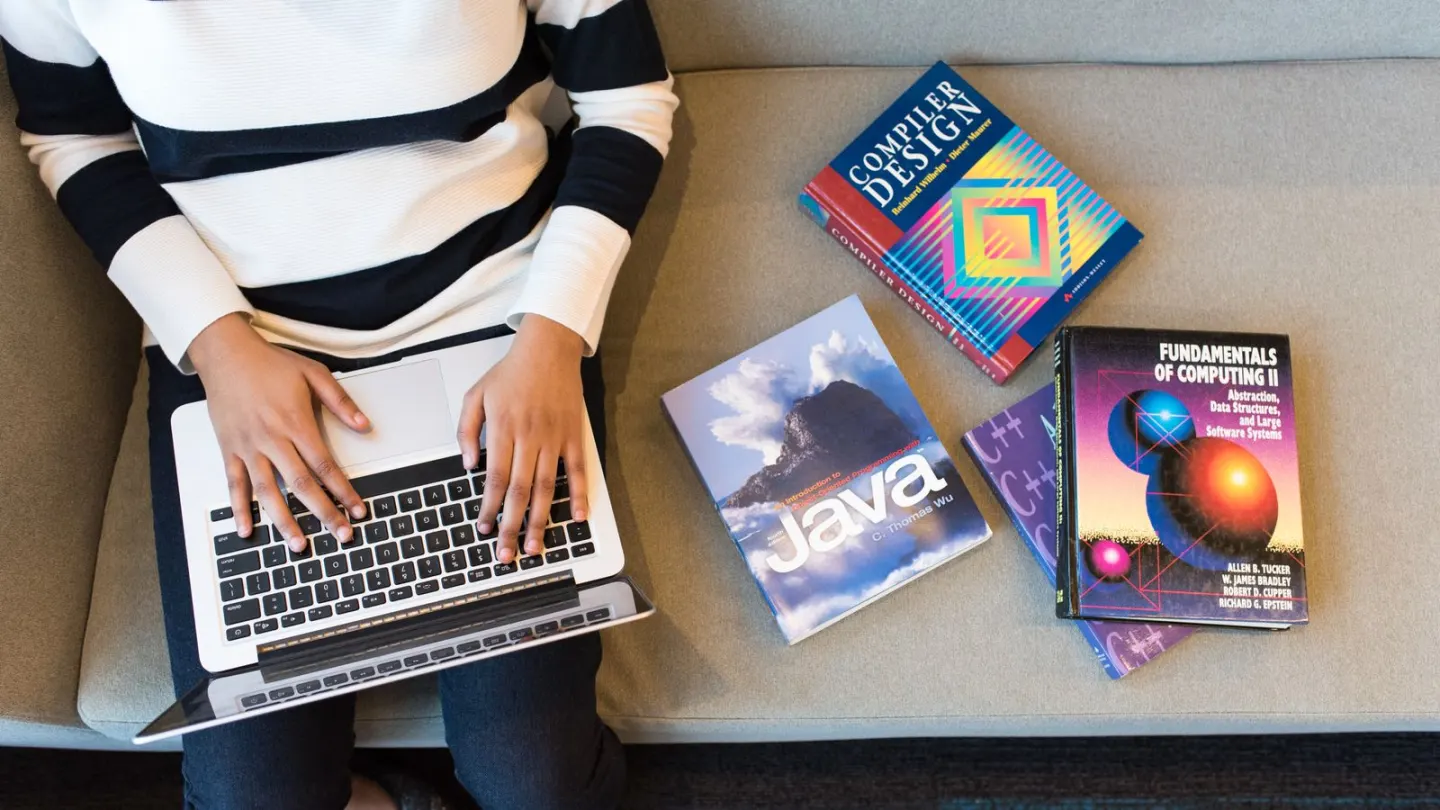
Exam stress sleep is easy to spend as if it were spare time. It is not. A night of rest usually helps thinking more than an extra hour of panicked notes. Pair sleep with short walks so the body can come down between revision blocks.
Deadlines at work follow the same pattern. The calendar feels louder than hunger, daylight, and bed. NHS student pages still put sleep, food, movement, and talking to someone on the list. Cramming through the night is usually a poor trade. This guide is for adults and older teens sitting exams, coursework, or a brutal work deadline. It is not a diagnosis of an anxiety disorder.
Why exam stress sleep is part of the work
Sleep supports attention and memory. The NHS tells parents that sleep helps thinking and concentration, and that an all-night cram is usually a bad idea. The same logic holds for a professional deadline. A tired brain rereads the same paragraph. That feels like effort. It is often low-quality effort.
CDC figures set 8 to 10 hours for teens aged 13 to 17, and 7 or more hours for adults aged 18 to 60. Adults 61 to 64 are listed at 7 to 9 hours. These are population ranges, not a personal prescription. Shift workers, carers, and people with sleep disorders need individual advice.
Stress itself can keep you alert. Heart rate and muscle tension stay high. Our stress response guide explains that short activation can be useful, while long activation without recovery can disturb sleep. The practical move is to schedule recovery, not to wait until you “feel ready” to rest.
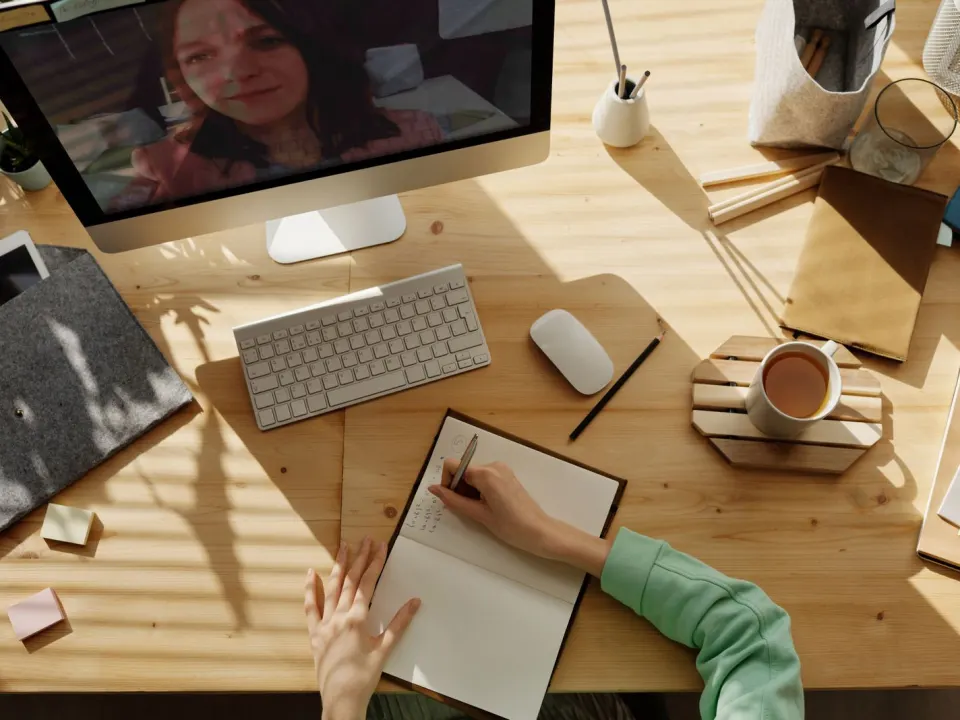
A revision day that protects rest
Wake at a set time, even in exam week. A 07:30 rise with a 23:00 lights-out gives an 8-hour window. Eat breakfast. Porridge with a banana, or toast with peanut butter, is enough. Open a curtain. Daylight in the morning helps the body clock more than a motivational quote.
Work in 50-minute blocks. After each block, stand up and walk for 10 minutes. A stairwell, a courtyard, or a loop around the block is fine. Our nature walking guide is useful if a park is nearby. If it is raining, walk the corridor. The point is to change posture and let the eyes leave the page.
At 12:40, eat a proper lunch. Pasta with tomato sauce and frozen spinach takes 15 minutes and does not need a recipe. Add a yoghurt. Avoid a huge fried meal that leaves you sleepy at 13:30. Drink water. If you want coffee, have it with lunch, not at 21:00.
At 15:30, take a 20-minute daylight walk. Then sit another 50-minute block. Stop by 21:00 if the exam is the next morning. Pack your bag. Lay out clothes. Write one sentence on a card: the first thing you will do when you sit down. Then leave the notes alone.
| Group | Sleep target | Movement around study |
|---|---|---|
| Ages 13–17 | 8–10 hours (CDC) | 10-minute walk after each 50-minute block |
| Adults 18–60 | 7 or more hours (CDC); NHS often cites 7–9 | 20-minute daylight walk in the afternoon |
| Caffeine timing | Leave a 6-hour gap before bed (NHS) | Last coffee by 17:00 if bedtime is 23:00 |
| Hard exercise | Avoid in the 4 hours before bed (NHS) | Keep a lunchtime walk instead of a late gym session |
| Weekly activity | 150 minutes moderate for many adults (NHS) | Short bouts still count; they need not be a class |

Short movement bouts that do not steal the night
NHS exam advice says exercise can clear the head. Walking, cycling, swimming, or a kickabout all count. For a deadline week, keep the bout short. Ten minutes after a study block. Twenty minutes after lunch. That pattern also feeds the NHS 150-minute weekly target without a heroic training plan.
Our exercise for mental wellbeing guide treats attendance as the win. A late HIIT class at 21:30 fights the NHS 4-hour gap before bed. Swap it for a 12:50 walk. If you already train in the morning, keep that slot and protect the evening wind-down.
Habits help when motivation is noisy. Our low-energy habit guide uses a tiny version. The tiny version here is one 10-minute walk after the first study block. If that is all you manage, you still interrupted a freeze. Add a second walk tomorrow.
Food, caffeine, and the last hour
Eat on a timetable even if appetite drops. A 16:00 yoghurt and banana can stop a 19:00 biscuit binge that then sits heavy. A jacket potato with beans at 18:30 is a solid evening meal. Keep the last large plate at least a couple of hours before bed. The CDC advises avoiding large meals close to bedtime.
NHS sleep advice says not to have tea, coffee, cola, or alcohol at least 6 hours before bed. If lights-out is 23:00, 17:00 is the last cup. Swap the evening mug for warm milk or water. Energy drinks are a poor exam tool. They can lift you for an hour and then fragment the night.
The last 30 minutes belong to dim light and a dull page, not a forum thread. CDC sleep tips include turning devices off at least 30 minutes before bed. Charge the phone in another room if you can. A cheap clock handles the morning alarm. If worry spirals, write a three-line list for tomorrow and close the notebook.
When exam nerves need more than a timetable
Short-lived nerves are common. Panic that stops you leaving the house, vomiting before every paper, or nights with almost no sleep for a week need a person, not another planner. University and college services, a tutor, a GP, or a parent can be the first call. NHS student stress pages list talking to a friend, tutor, or family member as a basic step.
Do not use alcohol to force sleep after a paper. Do not skip all meals to stay at the desk. Those patterns can slide into harm. If body image or food rules are taking over the revision period, tell a clinician. This article will not walk through restriction. Help is the next step.
Practical coping steps you can use the same day
Supportive practices around exam stress sleep work best when they are specific and short enough to use on a difficult afternoon — not only on a calm Sunday. Start with a body-first step (slow breathing, a brief walk, water, food if you have skipped meals), then a thought-labelling step (name the worry in one sentence), then one tiny action that moves life forward by five minutes. The order matters: high arousal makes clever planning harder.
- 90-second settle: Longer exhale than inhale (for example breathe in for 4, out for 6) while feeling your feet on the floor. Stop if you feel dizzy and return to normal breathing.
- Name and narrow: Write one line — “I am worried about X before Friday” — then ask whether the next useful step is information, a conversation, or rest.
- Move for mood, not punishment: Ten minutes of easy walking or gentle mobility often softens stress physiology without demanding a full workout.
- Contact cue: Send one message to a person who usually responds kindly, or sit in a shared space if silence is feeding rumination.
These steps are coping skills and habit supports. They are not a diagnosis, not exposure therapy on their own, and not a replacement for treatment when anxiety, depression, trauma symptoms, or substance use are disrupting work, relationships, sleep or safety.
Help-seeking: when self-help should hand over
Decide your hand-over rules in advance, while you are relatively steady:
- Mood, worry or sleep problems lasting more than a couple of weeks and limiting daily life
- Panic-like symptoms that keep recurring, or fear of exercise sensations that stops you moving
- Thoughts of self-harm, feeling unsafe, or using alcohol/drugs to get through the day
- Grief, burnout or body-image distress that is getting heavier despite routines
UK: start with a GP, NHS talking therapies referral routes where available, NHS 111 for urgent advice, or 999 if there is immediate danger. US: primary care, employee assistance programmes where offered, the 988 Suicide & Crisis Lifeline for crisis support, or 911 for emergencies. Local crisis lines and trusted people remain part of a safety plan.
When you book help about exam stress sleep, bring three concrete examples from the last fortnight (what happened, how long it lasted, what you tried). That helps a clinician faster than a vague “I feel stressed.” Ask about options: watchful waiting, guided self-help, therapy, medicine review, or combined approaches — and about expected follow-up.
Daily structure that supports mood without rigid perfection
On harder weeks, protect four anchors: a wake time, a daylight break, one nourishing meal you actually eat, and one human contact. Add the topic-specific practice from this article beside those anchors rather than instead of them. Shrink the plan when energy is low; expand when stability returns. Rigid all-or-nothing streaks often increase shame when life intervenes.
Limit late-night comparison scrolling if it reliably worsens mood or body image. Replace the last scroll with a short wind-down so sleep can support emotional regulation the next day. Sleep loss and low mood reinforce each other — treat both kindly.
A calm review after seven days
Once a week, ask only:
- Which coping step did I actually use when stress rose?
- Did I avoid something important (work, people, movement) because of how I felt?
- Is it time to contact a professional based on my pre-agreed hand-over rules?
Keep notes factual and brief. Share them in appointments. If someone you trust notices withdrawal, irritability or exhaustion you are minimising, take that observation seriously.
When to speak to a professional
See a GP in the UK or a primary care clinician in the US if sleep stays broken, if panic attacks repeat, or if you cannot sit an exam because of fear. Schools and universities often have counselling routes. They do not replace urgent care when safety is at risk.
If you may act on thoughts of self-harm, call 999 or 911. In the US, 988 is the Suicide and Crisis Lifeline. In the UK, NHS 111 can advise the same day when it is not an emergency. A missed paper can be rearranged. A crisis cannot wait for results day.
Medical note. This article is general information, not a diagnosis or a personal treatment plan. It does not replace advice from a GP, pharmacist, registered dietitian, physiotherapist, or other qualified clinician. Seek urgent help for severe, sudden, or rapidly worsening symptoms. UK readers can use NHS 111 for urgent advice; US readers can use local urgent care or emergency services when needed.
Frequently asked questions
Should I stay up to finish one more chapter?
How much should I walk during exam week?
What if I wake at 03:00 thinking about the paper?
Do UK and US sleep targets differ?
Sources
- 1. About sleep
- 2. Sleep problems
- 3. Help your child beat exam stress
- 4. Student stress self-help tips
Guidance changes. Figures were checked against the sources above at the time of review; always confirm current advice with your GP, pharmacist or clinician.
Image credits
- Photo: Photo by Christina Morillo on Pexels / Openverse
- Photo: Photo by Andrea Piacquadio on Pexels / Openverse
- Photo: Photo by cottonbro studio on Pexels / Openverse
Was this useful?
Anyone can react — no account needed.

Discussion
0 comments · Name and email only · Email is never shown