
Cooking oils are not a personality test. Smoke point is one lab number. Fat type, heat and how much you pour matter more in a home kitchen.
Most bottles on a UK or US shelf can sit in a healthy pattern. The useful question is not which oil is “clean”. It is which oil fits the pan, the heat and the rest of the meal. A teaspoon of rapeseed oil on roast vegetables is a different decision from deep-frying in reused fat.
This guide translates NHS and British Heart Foundation advice into ordinary cooking. It does not rank brands. It does not promise weight change. It helps you rotate cooking oils without turning dinner into a chemistry class.
What cooking oils and smoke point actually mean
Smoke point is the temperature at which an oil begins to smoke on the hob. Flavour can turn bitter. The oil is already breaking down before you see a plume. A high smoke point does not automatically mean the oil is stable, or that it is the best heart choice.
The British Heart Foundation is blunt on this. Fat type and refining matter more than a single printed number. Saturated fats in butter, ghee, lard, coconut oil and palm oil tolerate heat well. They can also raise LDL cholesterol when they crowd out unsaturated fats. That is why NHS pages still ask most adults to swap, not to fry more.
Unrefined oils keep flavour and some plant compounds. Extra-virgin olive oil is the familiar example. Refining removes bits that burn early. That raises smoke point and makes the taste milder. “Light” olive oil on a US label usually means colour and flavour, not fewer calories.
Home pans rarely hit the extreme temperatures used in industrial frying. A weeknight stir-fry is still hot. A salad dressing is not. Match the bottle to the job rather than hunting for a miracle oil.
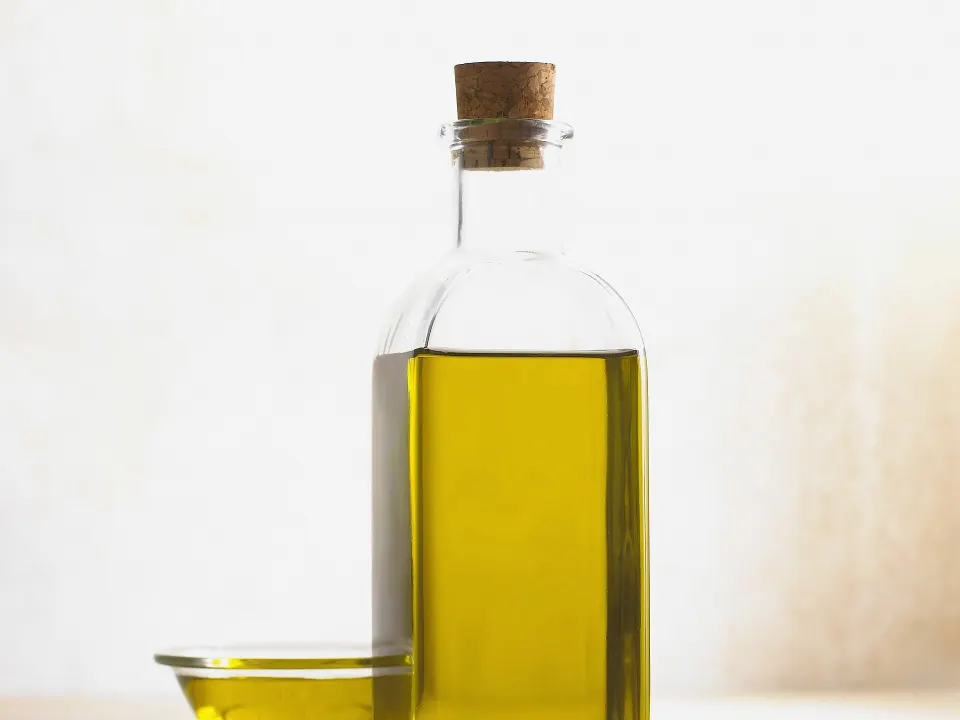
Fat type is a better everyday guide than a single number
NHS nutrition pages group fats in a simple way. Saturated fats are the ones to cut down. Unsaturated fats can replace some of them. Trans fats from partially hydrogenated oils should stay low. UK supermarket own-brand foods have already dropped most of those industrial trans fats.
Monounsaturated fats dominate olive oil and rapeseed oil. They are the BHF’s everyday workhorses for sautéing, roasting and quicker searing. Polyunsaturated fats dominate standard sunflower and corn oils. They supply essential omega-6 fats. They also have more “weak spots” when the pan is very hot for a long time. BHF dietitians therefore keep regular sunflower oil for gentler cooking, unless the bottle is a high-oleic version.
Coconut oil is plant-based and still high in saturated fat. So is palm oil. Neither earns a free pass because it is solid at room temperature or trendy in baking videos. Butter and ghee have a place in some recipes. They are not the default for daily roasting if heart risk is the concern.
All of this sits inside a meal, not a bottle. The Mediterranean diet evidence guide is useful here. Olive oil appears beside vegetables, pulses, fish and modest portions, not as a free pour over every plate.
| Fat or oil | Saturated fat (%) | Monounsaturated (%) | Polyunsaturated (%) | Everyday use |
|---|---|---|---|---|
| Rapeseed (canola) oil | 7 | 59 | 29 | Refined: roasting, stir-frying, baking |
| Olive oil | 14 | 73 | 8 | Refined for hotter pans; extra-virgin for dressings |
| Sunflower oil | 12 | 21 | 63 | Gentler sautéing unless labelled high-oleic |
| Butter | 52 | 21 | 3 | Occasional flavour, not a daily frying default |
| Coconut oil | 87 | 6 | 2 | Use sparingly; high in saturated fat |
How to rotate cooking oils through a normal week
You do not need five specialist bottles. Two or three covers most homes. Keep a refined unsaturated oil for heat. Keep an extra-virgin or cold-pressed oil for cold use. Add sesame or chilli oil only as a finishing teaspoon if you like the taste.
For a tray of potatoes or broccoli, a tablespoon of rapeseed or ordinary olive oil tossed through the tray is enough for four people. That is the BHF’s simple portion cue. For a dressing, whisk extra-virgin olive oil with lemon or vinegar rather than pouring from a height.
US “vegetable oil” is often soybean or a blend. UK “vegetable oil” is often rapeseed. Read the back of the bottle. Our food label guide shows where ingredients and nutrition panels sit on each side of the Atlantic. The word “pure” does not mean extra-virgin. The word “light” does not mean low energy.
Peanut oil is another monounsaturated option in some US kitchens. It is not a safe swap if peanut allergy is in the house. Always treat allergy as a separate rule from smoke point.
Protein on the plate still matters more than the oil brand. A pan of eggs, beans or fish cooked in a measured splash of oil is a meal. Our everyday protein guide pairs well with this, because oil is the cooking medium, not the main food.
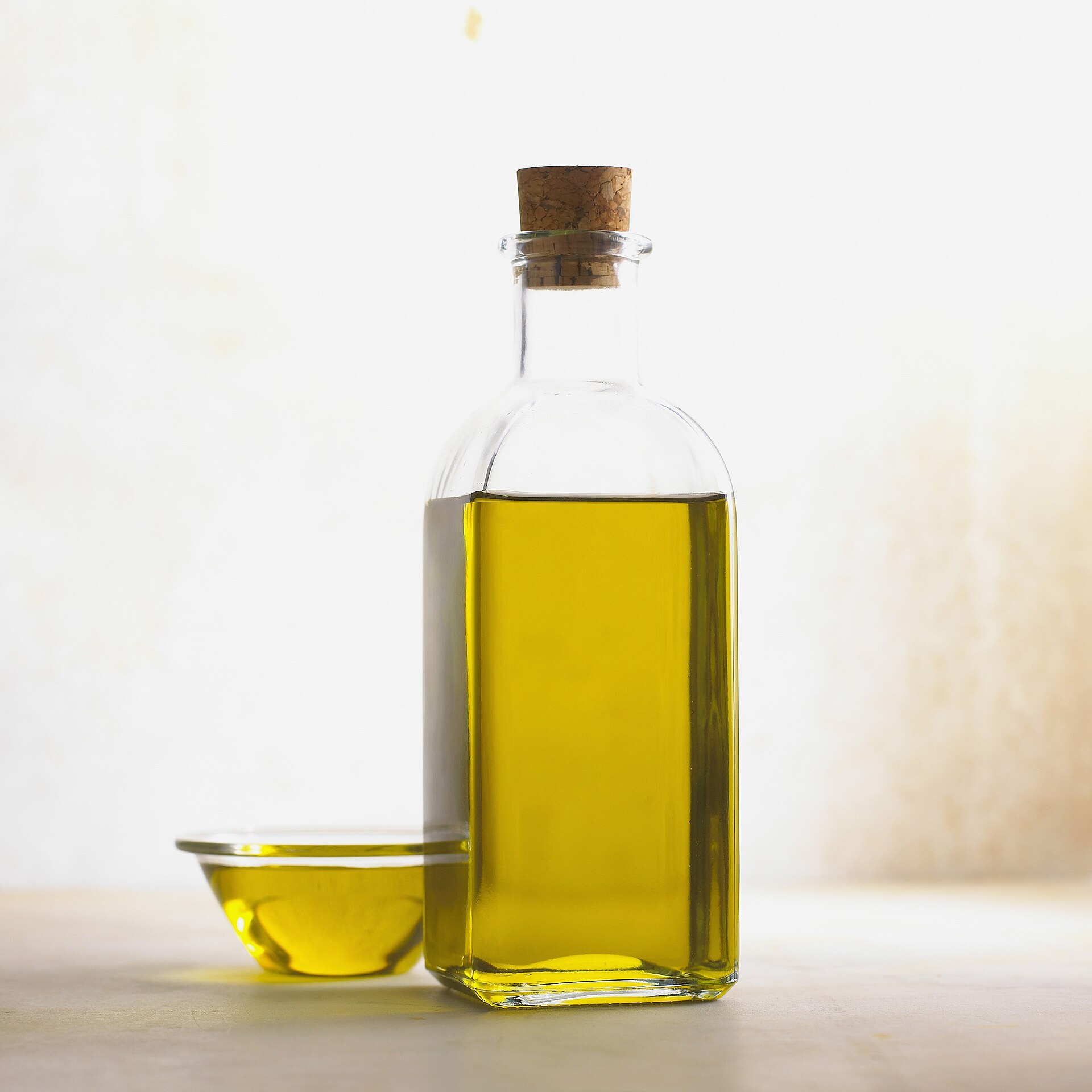
How much oil is a teaspoon, not a free pour
NHS saturated-fat advice is specific. Most adults in the UK eat too much of it. The government cap is 30 g a day for men and 20 g a day for women, with less for children. A thick pour of any oil still adds energy fast. One gram of fat, saturated or not, provides about 9 kcal.
The practical NHS tips are dull and useful. Measure with a teaspoon. Use a spray. Grill, bake, steam or poach when the recipe allows. Trim visible fat from meat. These steps cut oil without a special product.
Portions of oil are easy to miss because they do not look like a snack. A restaurant drizzle can be several teaspoons. At home, coat the food, then stop. If you want a fuller plate without more oil, add vegetables. Our portion-size guide helps with the rest of the plate, from grains to protein.
Spreads based on olive or sunflower oils can replace butter on bread for some people. “Lower fat” still needs a label check. A lighter mayonnaise can remain a high-fat food. Energy is not always lower when sugar replaces fat.
When heat, leftovers and medical care change the plan
Do not heat oil until it smokes on purpose. If the pan smokes, take it off the heat, let it cool and start again with less heat or a more suitable refined oil. Avoid reusing oil from a deep pan. Repeated high heat speeds up unwanted breakdown products, which is why the BHF asks home cooks not to recycle frying oil.
Deep-frying at home is an occasional method, not a weekly default. If you do it, refined rapeseed or refined olive oil is the BHF’s heat-stable unsaturated choice. Drain food well. Serve a smaller portion beside salad or beans rather than treating the fryer as the whole meal.
People with high cholesterol, gallbladder disease, pancreatitis, or a prescribed fat-modified diet should follow clinical advice first. This article cannot set a gram target for those conditions. A dietitian can.
Seek urgent care for severe allergic symptoms after a new oil, or for chest pain, fainting, or sudden breathlessness. Call 999 in the UK or 911 in the US for a life-threatening emergency. Online oil charts cannot examine you.
Kitchen defaults that improve everyday fat quality
Make olive or rapeseed oil the default spoon in the pan for most cooking linked to cooking oils. Keep butter for flavour finishing. Put oily fish on the weekly list once or twice if you eat fish, and keep a bag of frozen fillets for evenings when fresh fish is unrealistic.
Swap pastry lunches for bean or fish salads some days. Nuts at 20–30 g beat endless crisps for most people watching fat quality, provided portions stay cupped-hand sized.
Worked examples that make sense of cooking oils
Start from the article’s own emphasis on cooking oils. Translate it into one breakfast, one lunch and one dinner you could eat this week without speciality shops. If a tip only works with unlimited time or expensive powders, rewrite it until it fits a normal weekday.
Key ideas already flagged in this piece include: Smoke point is the temperature at which an oil starts to smoke. It is not a complete health score. NHS advice favours unsaturated oils such as olive, rapeseed and sunflower over butter, ghee, coconut and palm oil for everyday use. The British Heart Foundation prefers refined rapeseed or olive oil for hotter pans, and extra-virgin oils for dressings.. Keep those ideas visible on a note on the fridge or in your phone groceries list.
UK and US readers may see different units on packs (kJ vs kcal, salt vs sodium, ml vs fl oz). Convert once for the products you buy often, then stop redoing arithmetic at every meal while you practise cooking oils.
Portion reality checks for oils, spreads and creamy add-ons
One tablespoon of oil is about 14 g fat; two free pours plus mayonnaise can exceed 30 g before the main arrives. Measure oil for a week. Cheese at 30 g is a matchbox, not a slab. Avocado halves are nutritious and still energy-dense—pair with vegetables and protein rather than stacking multiple fatty toppings.
Heart-health framing for dietary fat without food fear
Public-health advice on cooking oils focuses on replacing saturated fat with unsaturated sources, not eliminating all fat. Coconut oil remains saturated-fat-rich despite tropical branding. If you have high LDL cholesterol, follow clinical lipid advice; food patterns support medicines, they do not replace them. “Low fat” products high in sugar are not automatic upgrades.
Frequently asked questions
Is extra-virgin olive oil unsafe for cooking?
Should I avoid seed oils?
Does a high smoke point make an oil healthier?
How much cooking oil should I use for a family traybake?
Can I mix cooking oils in the same week?
Sources
- 1. Fat: the facts
- 2. Eat less saturated fat
- 3. Using oils in cooking: which oil is the healthiest?
- 4. Fats explained: saturated, unsaturated and trans fats
Guidance changes. Figures were checked against the sources above at the time of review; always confirm current advice with your GP, pharmacist or clinician.
Image credits
- Photo: Photo by Shixart1985 on Wikimedia Commons / Openverse
- Photo: Photo by Klaus Nielsen on Pexels / Openverse
- Photo: Photo by margenauer on Pixabay via Wikimedia Commons / Openverse
Was this useful?
Anyone can react — no account needed.

Discussion
0 comments · Name and email only · Email is never shown