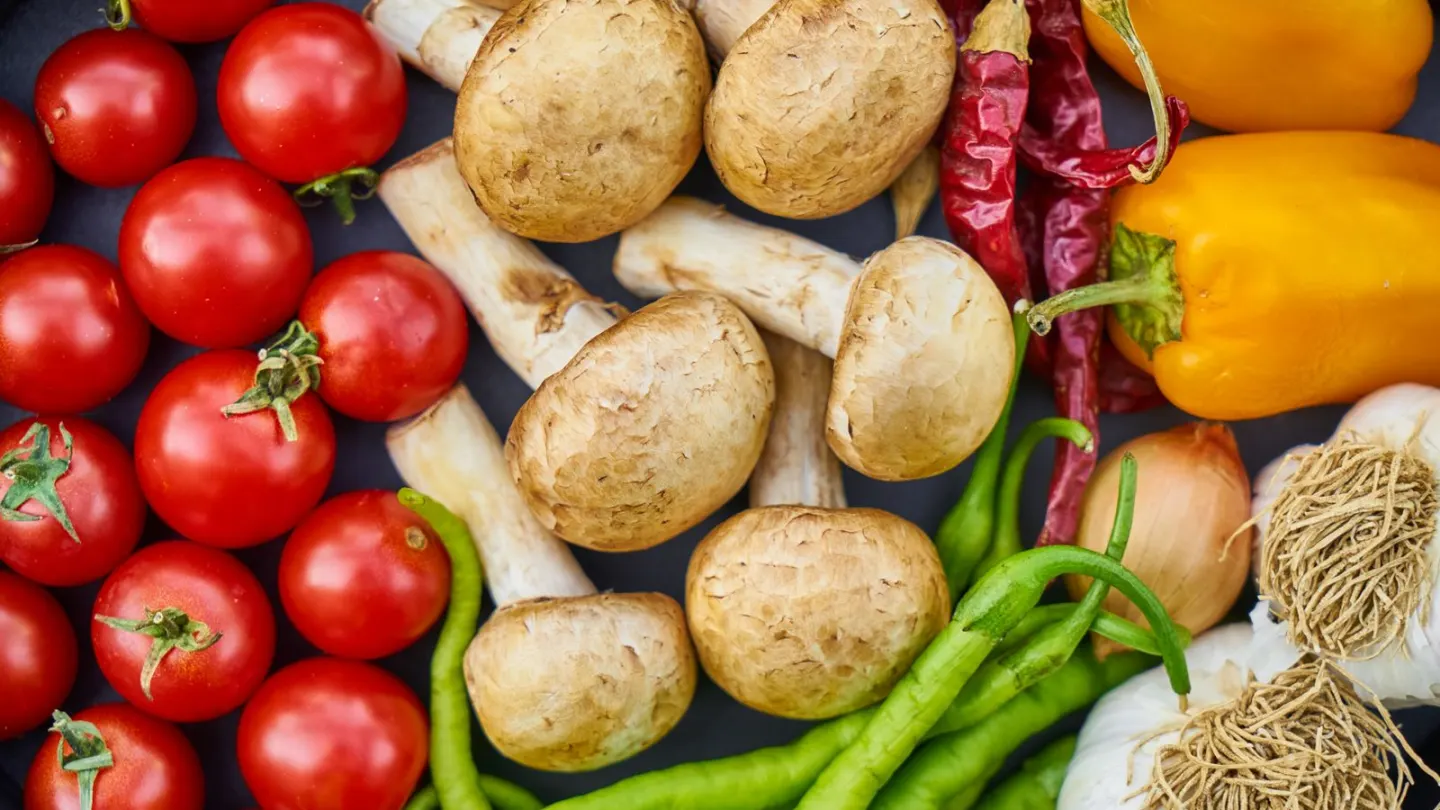
Flavour without salt is lemon, garlic, pepper and a toasted spice, not a bland “health plate”. Most of the salt we eat is already in bread, cereal and ready meals. The shaker is only part of the story.
NHS advice is that adults should have no more than 6g of salt a day, about a teaspoon, including salt already in food. WHO asks adults to stay under 5g. In the US, CDC and the Dietary Guidelines use sodium in milligrams: less than 2,300mg a day for teens and adults.
This how-to will not treat high blood pressure. It will not promise a cure. It shows how flavour without salt still tastes like dinner, and where labels hide the rest.
How to build flavour without salt at the hob
Salt is one taste. Food has others. Sour, bitter, aromatic and hot all read as “seasoned” even when the shaker stays in the cupboard. Flavour without salt is that mix, not a punishment plate of steamed chicken.
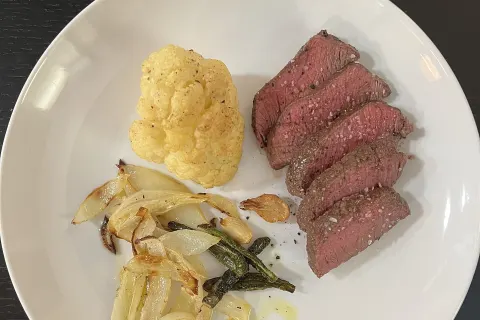
Lemon juice, vinegar and tomatoes add sour. Garlic, onion and cumin add aroma. Chilli and black pepper add heat. Fresh parsley or coriander at the end add a green note. You can use two of those on a weeknight. You do not need a spice drawer the size of a shop.
A Mediterranean-style plate already leans on herbs, oil and veg. Our Mediterranean diet evidence guide is the pattern. It is not a salt-free medical diet. A teaspoon of olive oil still carries flavour. NHS wants unsaturated oils in small amounts.
Protein foods take spice well. Beans, eggs, fish and chicken all hold cumin, paprika or lemon. Our everyday protein guide is about portions. The seasoning is extra, not a shake.
Taste as you go. Your tongue adapts. A soup that felt dull in week one often tastes fine in week three once the high-salt default fades. That is habit, not magic.
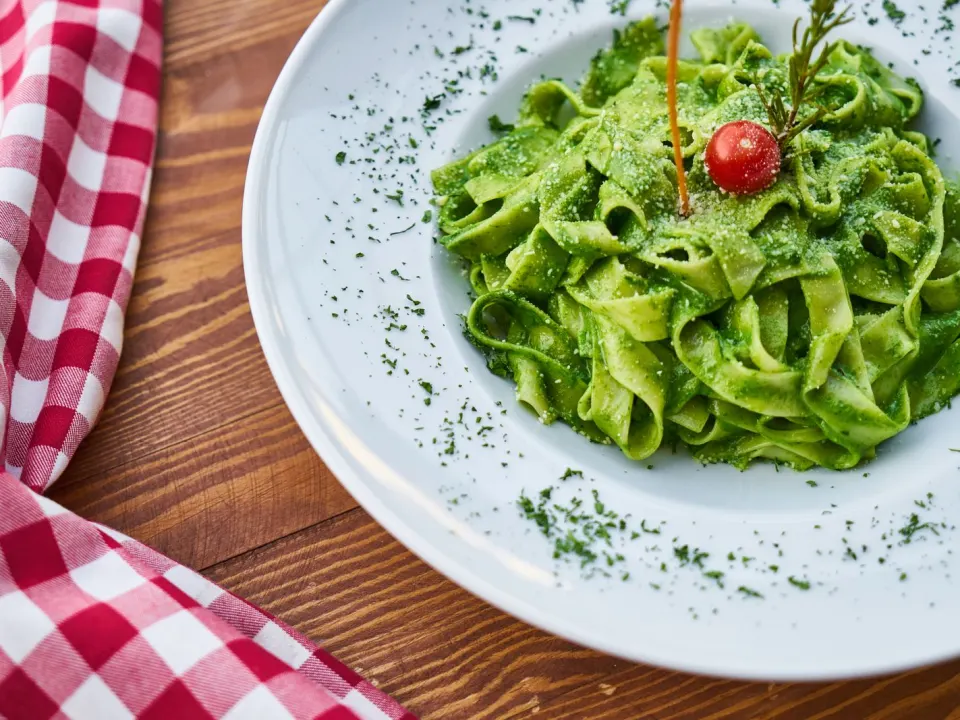
Most salt is in the packet, not the cellar
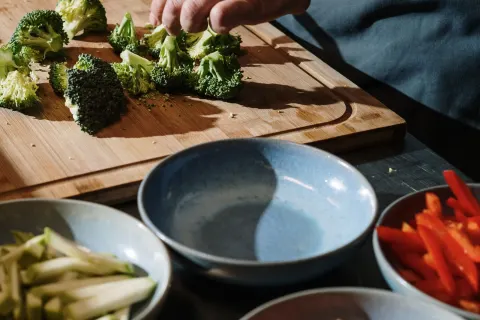
Keep a short list: lemon, garlic, black pepper, chilli flakes, paprika, cumin, dried mixed herbs, vinegar. That set covers roast veg, beans, eggs and fish. Buy small jars. Spices fade.
Toast whole spices in a dry pan for a minute if you use cumin or coriander seeds. The smell tells you they are ready. Ground spices can burn. Add them to oil briefly, then add tomatoes or veg.
Finish with acid. A squeeze of lemon on beans, fish or greens does more than extra oil. Vinegar in a bean salad does the same. Add it at the table if leftover acid makes food mushy.
Fresh herbs go on at the end. Dried herbs can go in earlier. Chilli flakes are optional. They are not a salt substitute for children, and they can bother reflux. Stop if a meal hurts.
Garlic and onion are cheap flavour. Cook them slowly so they sweeten. Burnt garlic is bitter. If you have no fresh garlic, a little garlic powder is fine. Check shop mixes: garlic salt is salt with a garlic name.
| Source | Adult target | Kitchen cue |
|---|---|---|
| NHS | No more than 6g salt a day (age 11+) | About 1 teaspoon, including salt in food |
| WHO | Less than 5g salt a day | A little under a teaspoon |
| CDC / US Dietary Guidelines | Less than 2,300mg sodium a day | About 1 teaspoon of table salt is ~2,400mg sodium |
| American Heart Association | No more than 2,300mg; ideal 1,500mg for most adults | Ideal target is tighter; not for everyone |
| UK traffic lights (per 100g) | Low ≤0.3g salt; high >1.5g salt | Prefer green or amber on the pack |
Read the label, then taste before you shake
NHS says around three quarters of the salt we eat comes from packaged and everyday foods we buy, such as bread. Breakfast cereal, sauces, ham and ready meals add more. Cutting the shaker helps. It does not finish the job.
UK front-of-pack lights show salt in green, amber or red. More than 1.5g salt per 100g is high. 0.3g or less per 100g is low. Compare two sauces. The unit is per 100g, so a big portion of an amber food can still add a lot.
US Nutrition Facts lists sodium in milligrams. CDC notes that Americans consume more than 3,300mg of sodium a day on average, above the 2,300mg limit. AHA also wants most adults to move toward 1,500mg if they can. Restaurant meals and packaged food do most of that load.
Watch serving size. A “half pack” on a label is not how most people eat a bag of crisps. Stock cubes, soy sauce and stock pots are salt bombs in a teaspoon. Try a reduced-salt stock, then add lemon and pepper.
Ultra-processed savoury snacks are often high in salt by design. Our ultra-processed foods guide explains the NOVA idea. A homemade bean stew with spices is a different product, even if you still use a tin.
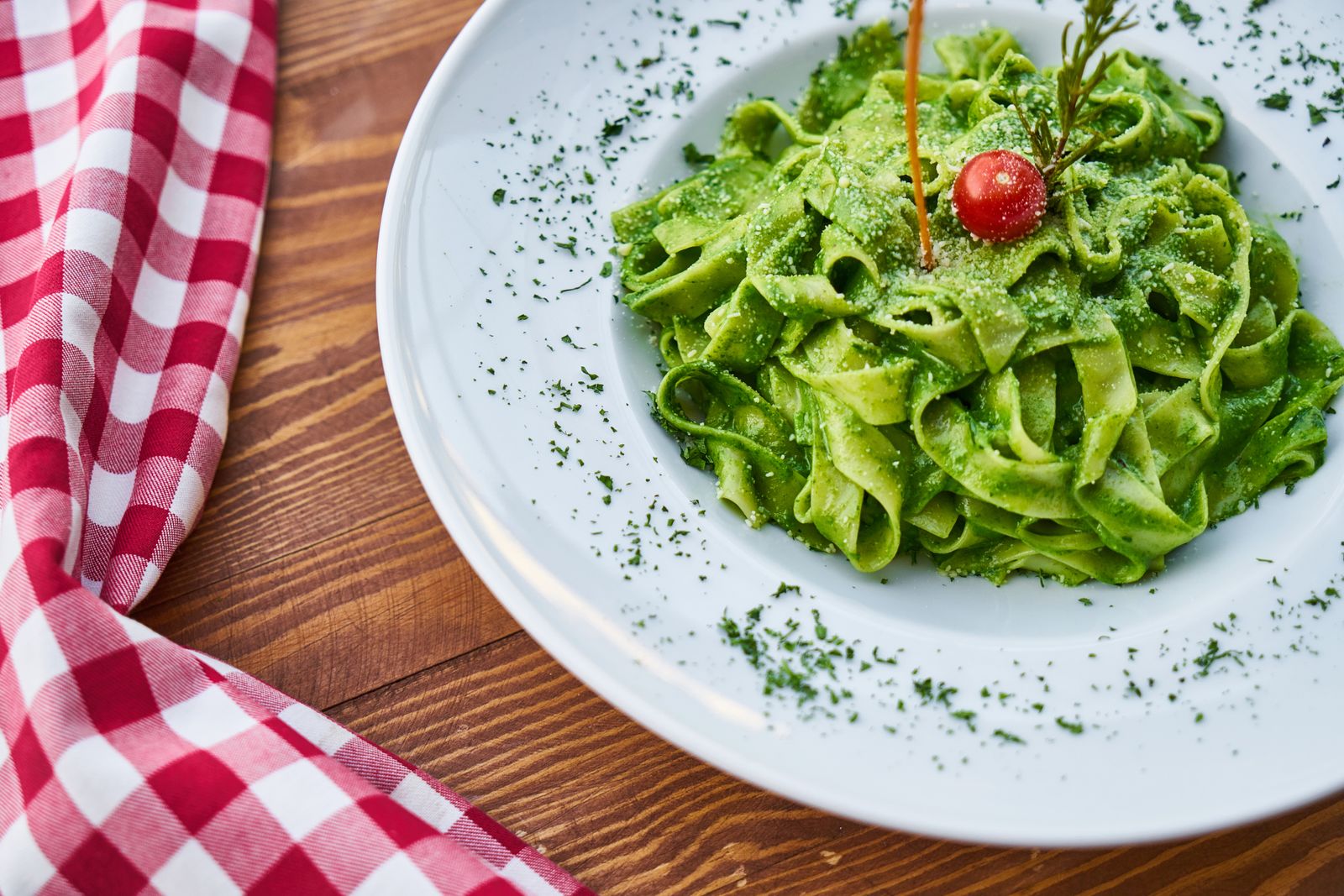
Acid, heat, herbs and a little fat
Breakfast: porridge with cinnamon and fruit instead of a salty processed meat stack. Eggs with pepper, tomato and herbs. Check cereal labels; some are saltier than they taste.
Lunch: leftover roast veg with lemon and chickpeas. A sandwich with extra salad and mustard instead of extra ham. If you buy soup, compare the salt per 100g and pick the lower one.
Dinner: beans in tinned tomatoes with cumin, garlic and chilli. Fish with lemon and dill. Potatoes with black pepper and a teaspoon of oil, skins on. You still need iodine from some salt in the wider diet, so this is “less extra”, not “none forever”, unless a clinician said otherwise.
Drinks: salty fizzy mixers and some vegetable juices add sodium. Water, tea and milk are the usual NHS fluid options. Our everyday hydration guide still applies when you cut salty snacks that made you thirsty.
Eat out: ask for sauces on the side. Taste before you add salt. A squeeze of lemon on fish or salad is a restaurant trick that costs nothing. You will not control a kitchen. You can still skip the extra pinch at the table.
When less salt is a medical plan, not a hobby
The body needs some sodium. CDC is blunt: a small amount is required, and most people already eat too much. Competitive athletes and people who work in extreme heat can lose more in sweat. Their plan belongs with a clinician, not a spice article.
Some medicines and conditions need a set salt intake. Heart failure, kidney disease, lithium, and certain blood pressure drugs are examples. Do not strip salt from meals because a headline scared you. Ask the prescriber.
Iodine in many countries still comes partly from iodised salt. UK advice has often relied more on dairy and seafood for iodine. If you cut a lot of dairy and fish as well as salt, mention that at a GP or dietitian visit.
If you have dizziness, fainting, chest pain, or a sudden severe headache, seek urgent care. Call 999 in the UK or 911 in the US for a life-threatening emergency. Flavour swaps do not treat a crisis.
High blood pressure care can include less salt. That is NICE and AHA territory, with medicines when needed. A herb jar is a supporting habit. It is not a replacement for prescribed treatment.
Hidden salt sources that dominate the week
Bread, sauces, cured meats, cheese, ready meals and restaurant food usually dominate flavour without salt more than the salt cellar. Check stock cubes, soy sauce and flavoured nuts. A US label in milligrams of sodium converts roughly as mg ÷ 400 ≈ grams of salt.
Worked examples that make sense of flavour without salt
Start from the article’s own emphasis on flavour without salt. Translate it into one breakfast, one lunch and one dinner you could eat this week without speciality shops. If a tip only works with unlimited time or expensive powders, rewrite it until it fits a normal weekday.
Key ideas already flagged in this piece include: Flavour without salt comes from acid, heat, herbs, chilli and garlic. Add them at the end as well as in the pan. NHS: adults no more than 6g salt a day. WHO: less than 5g. US advice: less than 2,300mg sodium a day. NHS notes that around three quarters of the salt we eat comes from packaged and everyday foods we buy, such as bread.. Keep those ideas visible on a note on the fridge or in your phone groceries list.
UK and US readers may see different units on packs (kJ vs kcal, salt vs sodium, ml vs fl oz). Convert once for the products you buy often, then stop redoing arithmetic at every meal while you practise flavour without salt.
Flavour swaps that lower salt without bland food
Use garlic, citrus, vinegar, pepper, cumin, smoked paprika and herbs while you gradually reduce added salt over two to three weeks. Ask for dressings on the side. Keep small amounts of flavourful cheese while cutting processed meat frequency.
Who needs stricter salt or sodium limits
People with hypertension, heart failure or kidney disease may need stricter limits and should not start potassium-based salt substitutes without advice. Athletes replacing heavy sweat are a different context. Medicines can interact with potassium substitutes—ask a pharmacist when changing flavour without salt habits.
Frequently asked questions
Does sea salt count as less salt?
Can potassium salt substitutes replace the shaker?
Will food taste bland if I cut salt?
Is homemade stock always low in salt?
How fast should I cut salt?
Sources
- 1. Salt in your diet
- 2. 8 tips for healthy eating
- 3. Salt reduction
- 4. About sodium and health
- 5. How much sodium should I eat per day?
- 6. Dietary Guidelines for Americans
- 7. Sodium
- 8. Salt
Guidance changes. Figures were checked against the sources above at the time of review; always confirm current advice with your GP, pharmacist or clinician.
Image credits
- Photo: Photo by Engin Akyurt on Pexels / Openverse
Was this useful?
Anyone can react — no account needed.

Discussion
0 comments · Name and email only · Email is never shown