
Fermented foods are ordinary kitchen pots, not a gut reset. Yoghurt, kimchi and sauerkraut can add live cultures, flavour and plants. They do not replace medical care, and they do not need a specialist shop.
NHS pages on probiotics are modest. Some live products may help a few gut problems for some people. Healthy adults do not need a daily capsule. WHO healthy diet advice still starts with vegetables, fruit, wholegrains and less salt. A jar on the table is a side, not the whole pattern.
This guide keeps fermented foods in that humble place. It explains yoghurt, kimchi and related pots. It flags salt, sugar and home-ferment safety. It will not promise a new gut by Friday.
What these pots actually are
Fermentation is an old preservation method. Microbes eat sugars in milk or vegetables. Acids and new flavours form. The food often keeps longer. That is useful. It is not magic.
Not every tangy product still holds live microbes. Heat after fermenting can kill them. Some breads ferment in the dough, then bake. They are still food. They are not a live culture supplement.
Labels help. Yoghurt pots may say “live cultures”. Pickles in vinegar are not the same as lactic ferments. Our food label guide is not needed for every jar, but sugar and salt lines are worth a look on supermarket pots.
A fermented side still sits in a meal. Beans, fish, eggs or tofu do the protein job. Our everyday protein guide pairs well with a spoon of yoghurt or a little kimchi on rice.
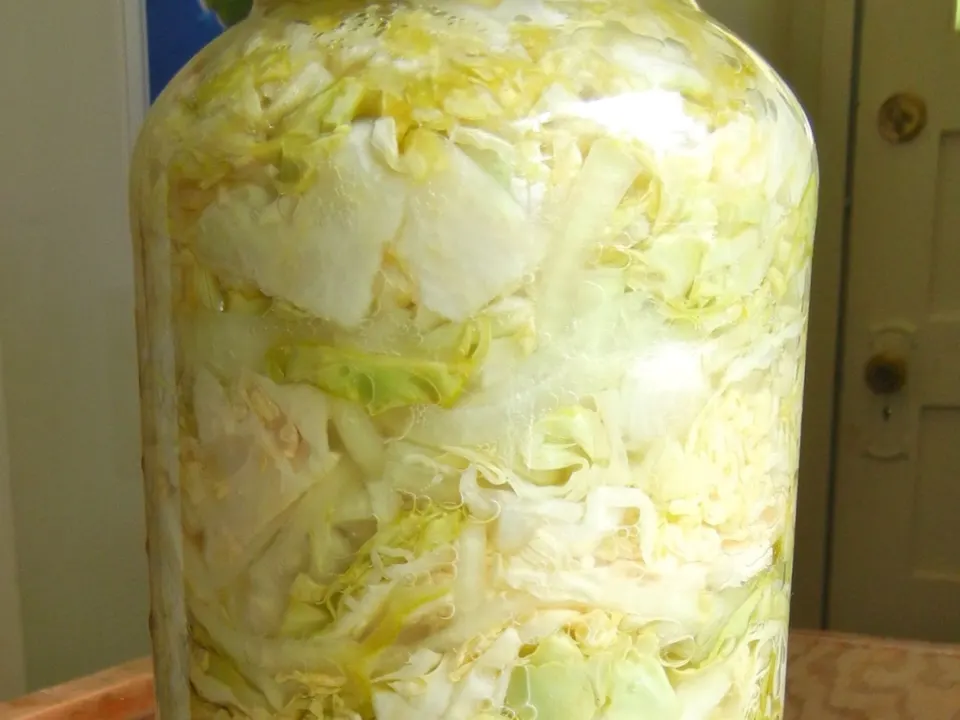
Yoghurt, kimchi and other everyday pots
Live yoghurt is the easiest starting point in UK and US shops. Plain pots beat dessert-style ones if you want less sugar. Fruit on the side is a better sweetener than a syrup layer. Fortified soya yoghurt can stand in if you avoid dairy. Check calcium and vitamin B12 on those cartons.
Kefir is a drinkable fermented milk. Flavoured bottles can be high in sugar. Treat it as a food, not a tonic. Portion it like milk, not like water.
Kimchi is seasoned fermented cabbage. Shop pots vary in heat. All can be salty. A tablespoon or two on rice or eggs is a flavour tool. It is not a daily pint.
Sauerkraut is cabbage fermented with salt. Fresh, chilled versions are more likely to keep cultures than tins heated for the shelf. Taste and salt still come first. A forkful beside a potato and a protein food is enough.
| Food | What it can add | Modest claim | Watch-out |
|---|---|---|---|
| Live yoghurt | Protein, calcium, cultures | A useful dairy or fortified swap, not a cure | Sugar in flavoured pots; lactose for some people |
| Kimchi | Vegetables, flavour, heat | A plant side, not a gut overhaul | Salt and chilli; portion with a spoon |
| Sauerkraut | Cabbage, acidity | Same idea as other vegetable ferments | Salt; heat-treated tins may lack live cultures |
| Kefir | A drinkable cultured milk | Food, not a detox | Sugar in flavoured bottles |
Modest gut claims for fermented foods
NHS probiotic pages say the evidence is mixed. Some products may help antibiotic-associated diarrhoea. Some people with IBS try a live product for up to four weeks and stop if nothing changes. A random supermarket bottle is not the same as a trial product.
That is a long way from “heal your gut”. Fermented foods can sit in a varied pattern. They do not treat Crohn’s disease, coeliac disease or food poisoning. NHS IBS pages still put diet pattern and clinical review first.
Plant variety remains the dull, strong story. Cabbage, cucumber and milk ferments add to that variety. So do unfermented beans, oats and fruit. The Mediterranean diet evidence guide keeps olive oil, vegetables and pulses in view. A kimchi spoon sits beside that plate. It does not replace it.
People with a seriously weakened immune system, a central line, or recent major gut surgery should ask a clinician before live products. NHS pages flag extra care in those groups. Do not self-prescribe a strong capsule.
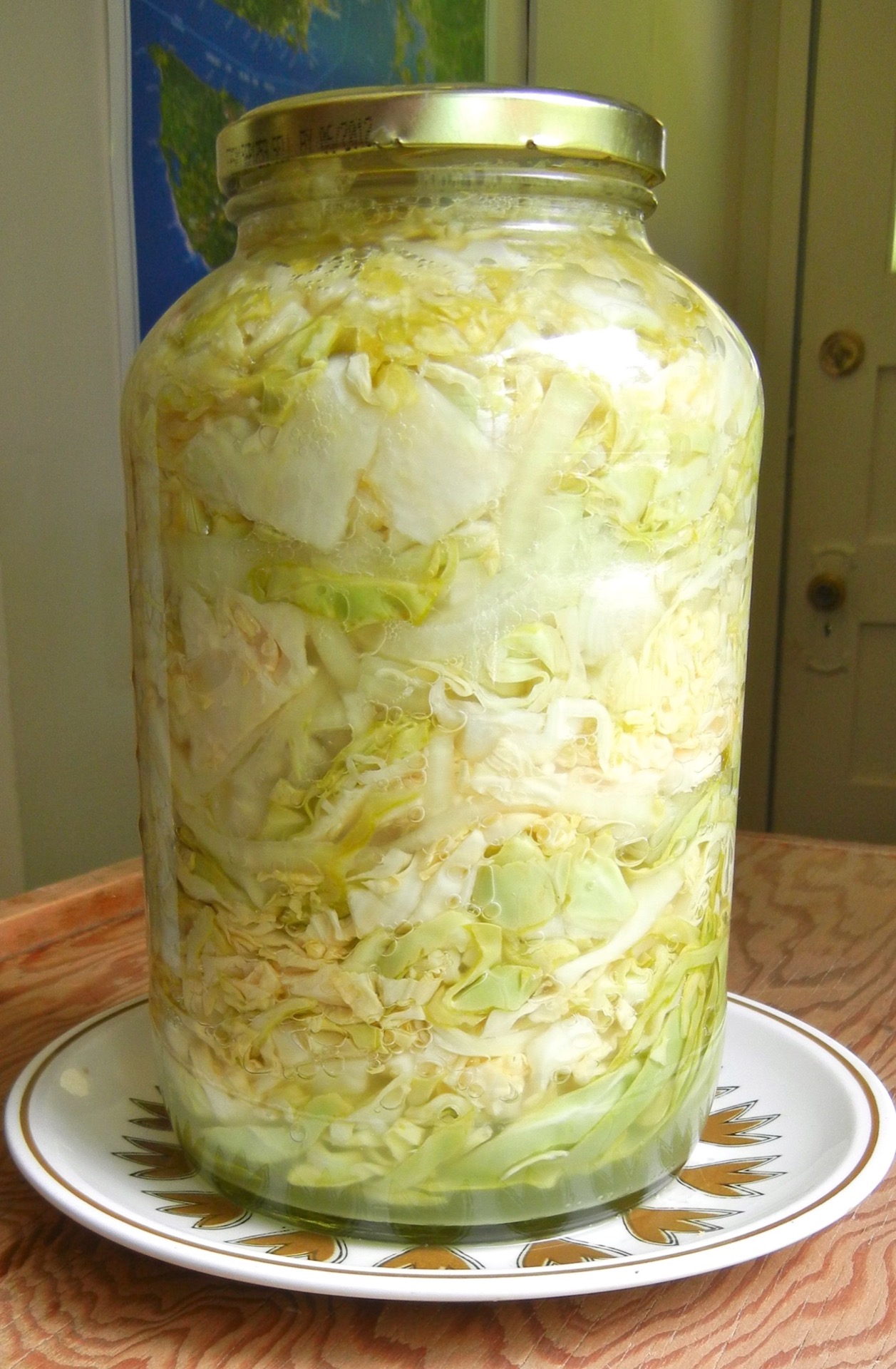
Salt, sugar and safety come before a gut story
NHS salt advice for adults is no more than 6 g a day, about a teaspoon. Cheese, bread, sauces and vegetable ferments can use a large share of that. Enjoy kimchi. Do not pour half the pot over every meal.
Sugar hides in flavoured yoghurt and kefir. A “protein” pot can still read like a dessert. If you want the cultures, choose plain and add fruit. Water remains the default drink. Our everyday hydration guide keeps that simple.
Ultra-processed snacks with a “probiotic” flash are still snacks. A culture claim does not cancel a long ingredient list. Our ultra-processed foods guide is the better frame for those products.
CDC botulism pages warn that poorly prepared home-canned or fermented low-acid food can cause a rare, severe illness. Use tested recipes. Keep equipment clean. Never taste food from a bulging, leaking or foul-smelling jar. When in doubt, throw it out. Shop-bought yoghurt and kimchi from the fridge aisle are a safer start than a guess in a cupboard.
How to add a spoon without a gut overhaul
Pick one pot for two weeks. Plain live yoghurt at breakfast is enough. Or a spoon of kimchi on eggs. Notice bloating, reflux and how much salt you then add to the rest of the plate. More brands at once make it harder to tell what you tolerate.
Keep the rest of the day ordinary. Vegetables, beans, fish or tofu, wholegrains, and unsaturated oils still do most of the health work. A ferment is a garnish with a backstory.
If you have IBS, follow NHS timing: try one live product for about four weeks. Stop if symptoms stay the same. A dietitian can guide a fuller plan.
Seek urgent care for severe vomiting, bloody stool, high fever, or a stiff neck with weakness after a home jar. Call 999 in the UK or 911 in the US for a life-threatening emergency. Online culture charts cannot examine you.
Practical plates for this life stage
Translate fermented foods into plates: a protein food, a fibre-rich carbohydrate, vegetables or fruit, and fluid. Soft or safer textures may be needed after dental work; smaller more frequent meals may suit pregnancy nausea or older adults with low appetite.
Keep ultraprocessed salty meats and sugary drinks from becoming the default “easy” option in stressed seasons.
Worked examples that make sense of fermented foods
Start from the article’s own emphasis on fermented foods. Translate it into one breakfast, one lunch and one dinner you could eat this week without speciality shops. If a tip only works with unlimited time or expensive powders, rewrite it until it fits a normal weekday.
Key ideas already flagged in this piece include: Fermented foods are made when microbes change a food. Yoghurt, kimchi, sauerkraut and kefir are common examples. NHS probiotic advice is cautious: some people with IBS or antibiotic diarrhoea may try a live product for a few weeks. Live yoghurt can also be a handy protein and calcium food. Check the sugar line on flavoured pots.. Keep those ideas visible on a note on the fridge or in your phone groceries list.
UK and US readers may see different units on packs (kJ vs kcal, salt vs sodium, ml vs fl oz). Convert once for the products you buy often, then stop redoing arithmetic at every meal while you practise fermented foods.
Safety rules that matter more than perfection
Food safety (thorough cooking, fridge times, avoiding high-risk foods in pregnancy) often matters more than perfect micronutrient spreadsheets. Follow NHS/CDC-style lists for cheeses, meats, fish species and caffeine limits when they apply to fermented foods.
When to seek tailored advice
Persistent vomiting, fainting, chest pain, suicidal thoughts, rapid unintended weight change or blood in stools need urgent clinical pathways—not another article. Use GP, NHS 111, or local emergency services as appropriate while you adjust everyday fermented foods habits.
Extra practical checks worth doing once
Translate fermented foods into plates: a protein food, a fibre-rich carbohydrate, vegetables or fruit, and fluid. Soft or safer textures may be needed after dental work; smaller more frequent meals may suit pregnancy nausea or older adults with low appetite.
Keep ultraprocessed salty meats and sugary drinks from becoming the default “easy” option in stressed seasons.
A follow-up detail for busy weeks
Food safety (thorough cooking, fridge times, avoiding high-risk foods in pregnancy) often matters more than perfect micronutrient spreadsheets. Follow NHS/CDC-style lists for cheeses, meats, fish species and caffeine limits when they apply to fermented foods.
Notes for eating out and travel days
Persistent vomiting, fainting, chest pain, suicidal thoughts, rapid unintended weight change or blood in stools need urgent clinical pathways—not another article. Use GP, NHS 111, or local emergency services as appropriate while you adjust everyday fermented foods habits.
More practical plates when appetite or time is limited
Translate fermented foods into plates: a protein food, a fibre-rich carbohydrate, vegetables or fruit, and fluid. Soft or safer textures may be needed after dental work; smaller more frequent meals may suit pregnancy nausea or older adults with low appetite.
Keep ultraprocessed salty meats and sugary drinks from becoming the default “easy” option in stressed seasons.
Frequently asked questions
Do I need a probiotic capsule if I eat yoghurt?
Is kimchi healthier than salad?
Does heat kill the benefit?
Can fermented foods fix bloating?
Is it safe to ferment vegetables at home?
Sources
- 1. Probiotics
- 2. IBS: diet, lifestyle and medicines
- 3. Salt in your diet
- 4. Botulism prevention
- 5. Healthy diet
Guidance changes. Figures were checked against the sources above at the time of review; always confirm current advice with your GP, pharmacist or clinician.
Image credits
- Photo: Photo by Shixart1985 on Wikimedia Commons / Openverse
- Photo: Photo by Jeremy Keith on Wikimedia Commons / Openverse
- Photo: Photo by Bdubay on Wikimedia Commons / Openverse
Was this useful?
Anyone can react — no account needed.




Discussion
0 comments · Name and email only · Email is never shown