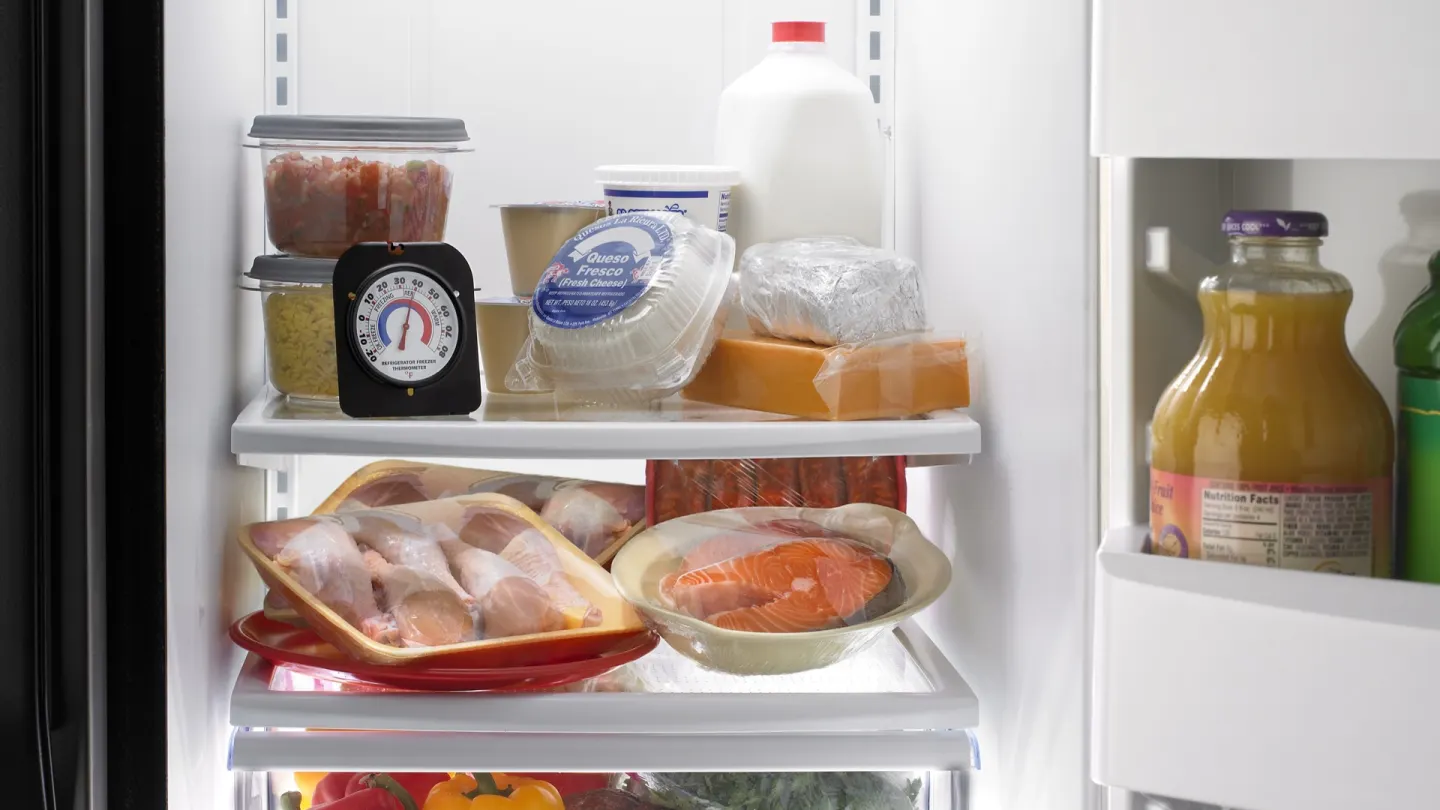
Late night eating sits in two different stories. One is a fridge raid after a skipped dinner. The other is a normal shift meal at 1am. Timing can change sleep and heartburn. Total intake still drives most of the week’s energy balance.
NHS sleep pages ask people not to have a large meal late at night. The Sleep Foundation notes that lying down soon after food can worsen reflux. CDC sleep pages want most adults to get seven hours or more. None of those pages say a 9pm plate is a poison if the rest of the diet is ordinary.
This science guide keeps late night eating next to total intake, not above it. It will not sell a fasting window or a faster metabolism. It will help you see when the clock matters.
What a late plate is — and what it is not
Late night eating can be leftover rice at 9.30pm. It can be crisps in front of a screen. It can be the only hot meal a nurse gets after a shift. Size, food type, and whether dinner happened all change the story.
Night eating as a clinical pattern is different from an occasional late plate. If eating at night feels out of control, or if you wake to eat, speak to a GP. This article is not a how-to for restriction.
Drinks count. A large sweetened coffee, beer, or juice at 10pm is still energy. Labels help you see sugar and portion size. Our food label guide shows where those numbers sit on UK and US packs.
Water still matters in the evening. Thirst can feel like a snack cue. Our everyday hydration guide is a calmer first step than another cupboard search.
Timing versus total intake
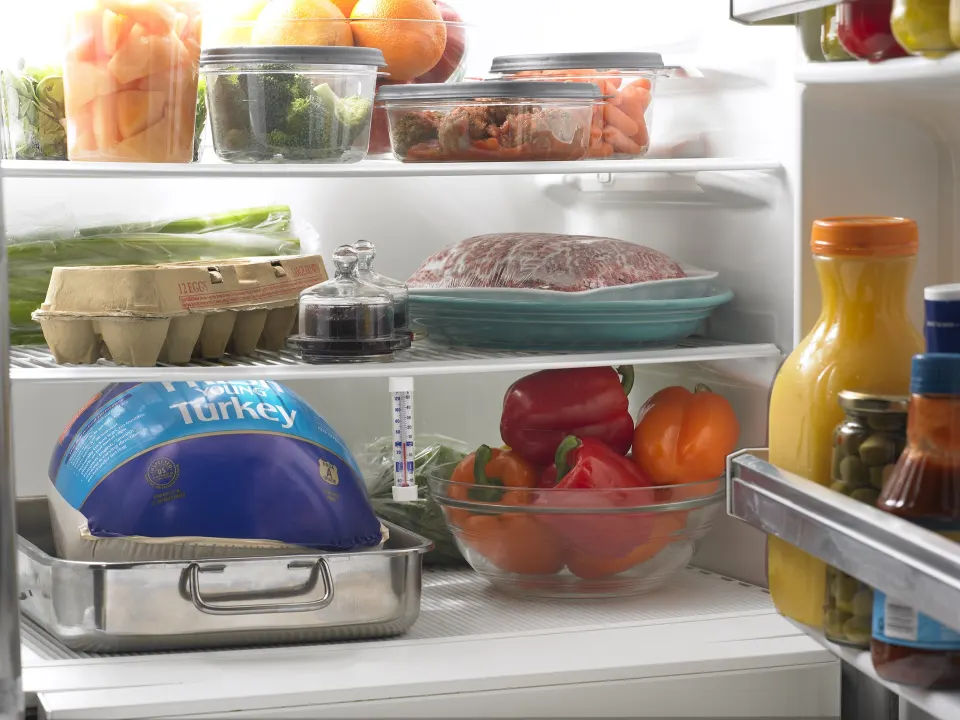
Over weeks, body weight follows energy in and energy out more closely than the hour on the clock. NHLBI education pages still start with that balance. A late meal does not create a special fat-storage switch.
Timing can still change how you feel. A heavy plate close to bed can make sleep harder. Poor sleep then makes the next day’s appetite louder for many people. CDC pages link short sleep with higher long-term risk for obesity, diabetes and heart disease.
Some feeding studies move the same food earlier or later. Hunger and evening glucose can shift a little. Samples are often small. Treat those findings as clues, not as a house rule.
Food quality still sits beside both levers. A late bowl of leftover vegetables and beans is not the same as a late bag of sweets. The Mediterranean diet evidence guide is a better north star than a kitchen-closing slogan.
| Issue | Where timing can help | What still counts more |
|---|---|---|
| Sleep | NHS: a large late meal can make it harder to settle | CDC: most adults still need 7 hours or more |
| Heartburn | Sleep Foundation: lying down soon after food can worsen reflux | Meal size, fatty food, alcohol and trigger dishes |
| Weight over weeks | Some trials find later meals change hunger | Total energy from food and drink across the day |
| Next-day appetite | A short night can make snack cues louder | A planned meal so the fridge is not the only option |
How late night eating meets the body clock
Your body clock is not a metaphor. NIGMS education pages describe clocks in many tissues. They help time sleep, hormone release and how you handle fuel. Light is the main cue. Meals are a smaller cue.
That biology makes an earlier eating window look tidy on paper. Real life is messier. Parents and night staff cannot all dine at 6pm. A rigid window that wrecks sleep is a poor trade.
Late night eating of ultra-processed snacks is a common pattern when people are tired. The food is fast. It is salty or sweet. It is easy to eat past fullness. Our ultra-processed foods guide explains why those products are easy to overeat, whatever the hour.
If you want a gentle experiment, move the last large plate 60 to 90 minutes earlier for a week. Keep the same foods. Keep the same portions. Notice sleep and heartburn. That is information. It is not a detox.
Shift work, reflux and medicines change the rule
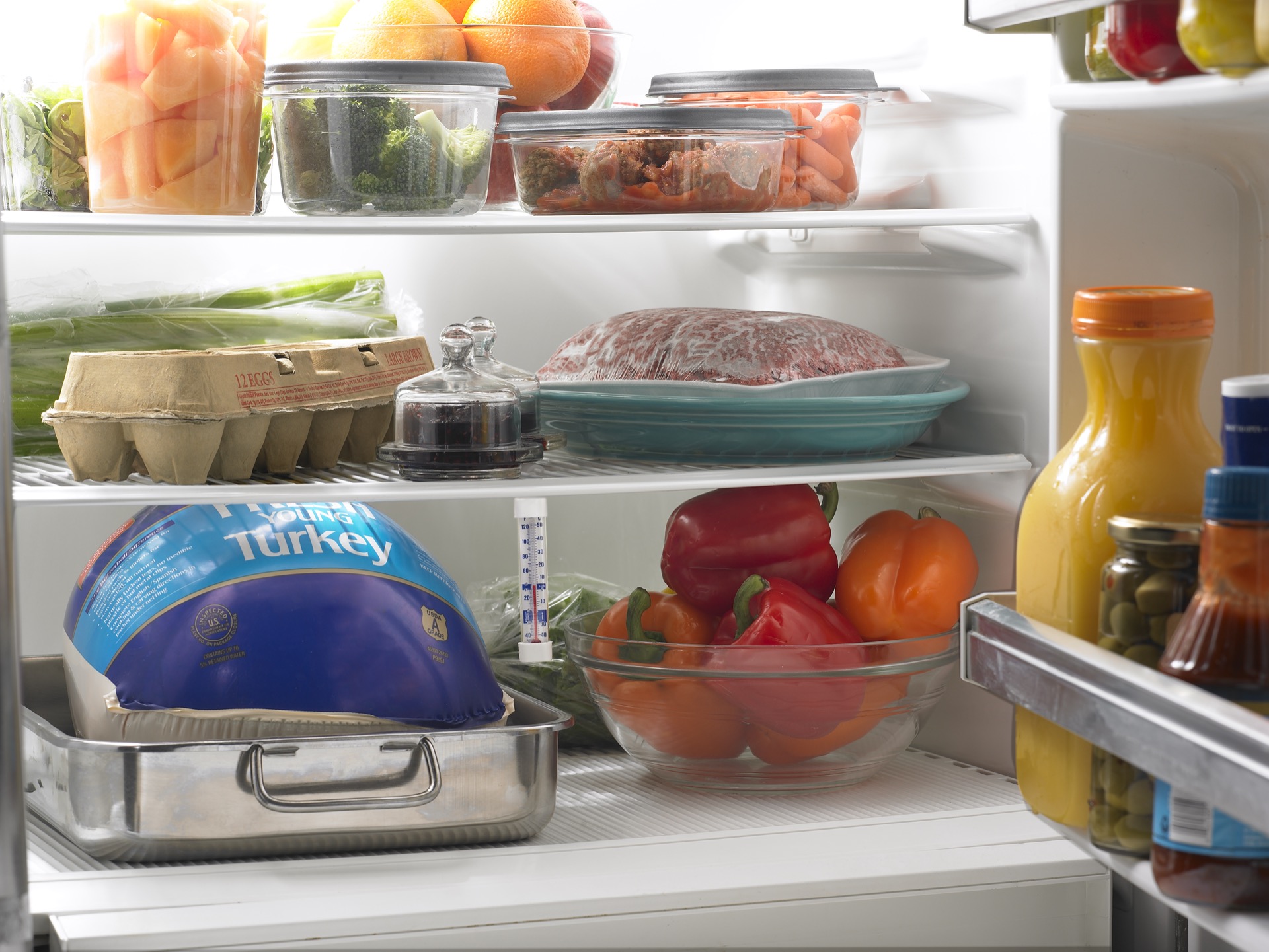
If you work nights, the “late” meal is often your main meal. Eat it. Then protect sleep with a dark room and a caffeine cut-off that fits your shift, not a 7pm office rule.
Reflux is a reason to take timing seriously. A smaller last plate and a longer gap before lying down help some people. Persistent heartburn, swallowing trouble, or weight loss need a clinician.
Some medicines need food. Some diabetes treatments need a carbohydrate plan. Do not delay a meal into a hypo to obey a clock. Ask the prescriber.
Alcohol close to bed is a separate sleep problem. NHS sleep pages flag it. A late drink is not a sleep aid. If you want a calmer night, stop the round earlier and keep the last plate ordinary.
A calmer kitchen-close without a fasting cult
Decide what “kitchen closed” means in your house. For many people it means no extra snacks after a normal dinner. It does not mean skipping dinner. If you finish work at 9pm, eat dinner. Then stop the grazing.
Keep an easy leftover box so hunger has a better answer than biscuits. Beans, rice, yoghurt and fruit beat a mystery cupboard hunt. If you do need food close to bed, choose a smaller plate and sit up for a bit.
Watch screens and sleep together. A late meal plus a late phone is a double delay. CDC sleep advice still starts with a regular bedtime. Food is one lever. It is not the only one.
Seek urgent care for chest pain, severe shortness of breath, fainting, or vomit with blood. Call 999 in the UK or 911 in the US. Online meal-timing charts cannot examine you.
Session-based fuelling notes for gym, runs and team sports
Match fuel to the session: easy walks rarely need sports products; hard intervals or long runs may need carbohydrate beforehand and afterwards as part of late night eating. A toast-and-yoghurt snack beats training on only caffeine for many early sessions.
Protein after resistance work can come from ordinary meals within a few hours—powders optional.
Worked examples that make sense of late night eating
Start from the article’s own emphasis on late night eating. Translate it into one breakfast, one lunch and one dinner you could eat this week without speciality shops. If a tip only works with unlimited time or expensive powders, rewrite it until it fits a normal weekday.
Key ideas already flagged in this piece include: NHS sleep advice: avoid a large meal late at night if you want an easier wind-down. CDC: most adults need seven hours of sleep or more. Short sleep links to several long-term risks. Late night eating can worsen heartburn for some people, especially if they lie down soon after food.. Keep those ideas visible on a note on the fridge or in your phone groceries list.
UK and US readers may see different units on packs (kJ vs kcal, salt vs sodium, ml vs fl oz). Convert once for the products you buy often, then stop redoing arithmetic at every meal while you practise late night eating.
Sleep, work hours and training nutrition
Night shifts and early starts scramble appetite clocks. Plan a main meal before the hardest wakeful block and keep overnight eating lighter and safer (perishable food chilled). Protect sleep after the shift; caffeine late in the wake period undermines recovery even if it helps late night eating alertness short term.
Safety boundaries and who should get advice first
Medical fasting, diabetes medicines, pregnancy, underweight status and eating-disorder history are reasons to avoid unsupervised experiments with late night eating. Stop and seek care for dizziness, fainting, chest pain or confusion around exercise or fasting.
What to eat before an early session
Match fuel to the session: easy walks rarely need sports products; hard intervals or long runs may need carbohydrate beforehand and afterwards as part of late night eating. A toast-and-yoghurt snack beats training on only caffeine for many early sessions.
Protein after resistance work can come from ordinary meals within a few hours—powders optional.
A follow-up detail for busy weeks
Night shifts and early starts scramble appetite clocks. Plan a main meal before the hardest wakeful block and keep overnight eating lighter and safer (perishable food chilled). Protect sleep after the shift; caffeine late in the wake period undermines recovery even if it helps late night eating alertness short term.
Notes for eating out and travel days
Medical fasting, diabetes medicines, pregnancy, underweight status and eating-disorder history are reasons to avoid unsupervised experiments with late night eating. Stop and seek care for dizziness, fainting, chest pain or confusion around exercise or fasting.
More session-based fuelling scenarios
Match fuel to the session: easy walks rarely need sports products; hard intervals or long runs may need carbohydrate beforehand and afterwards as part of late night eating. A toast-and-yoghurt snack beats training on only caffeine for many early sessions.
Protein after resistance work can come from ordinary meals within a few hours—powders optional.
Frequently asked questions
Is eating after 8pm automatically unhealthy?
Will stopping late night eating make me lose weight?
How long before bed should I eat?
What if I work nights?
Does a late snack ruin metabolic health?
Sources
- 1. How to get to sleep
- 2. About sleep
- 3. Is it bad to eat before bed?
- 4. Circadian rhythms
- 5. Sleep deprivation
Guidance changes. Figures were checked against the sources above at the time of review; always confirm current advice with your GP, pharmacist or clinician.
Image credits
- Photo: USDA photo via Wikimedia Commons / Openverse
- Photo: Photo by Klaus Nielsen on Pexels / Openverse
Was this useful?
Anyone can react — no account needed.

Discussion
0 comments · Name and email only · Email is never shown