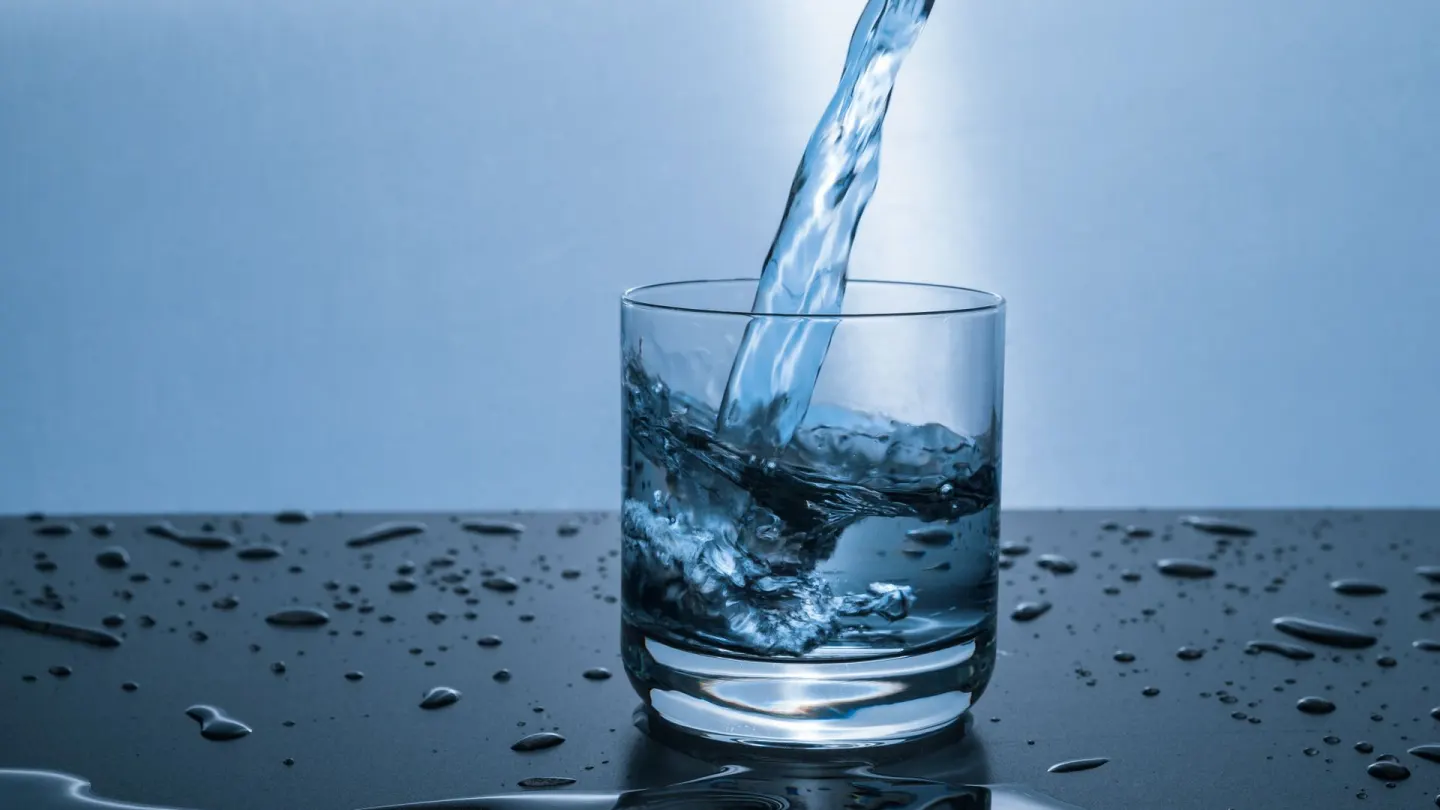
Hydration in hot weather is extra fluid for extra sweat. Water, food and pale urine matter more than a branded bottle.
Heat raises fluid loss. You do not need a new product for that. The NHS starting guide is still six to eight cups or glasses of fluid a day. You may need more in a hot room, on a hot walk, or if you are pregnant or breastfeeding. The aim is regular drinks, not a litre race.
CDC heat advice is blunt for outdoor work. Do not wait until you feel thirsty. Thirst can lag. This guide translates NHS, GOV.UK and CDC pages into mugs, fruit and walking. It does not treat heatstroke. It does not promise weight change.
What hydration in hot weather actually asks of you
Sweat cools you. That water has to come from drinks and food. On a cool day, the NHS pale-yellow urine cue is enough for most healthy adults. In a heatwave, GOV.UK asks you to drink regularly so urine stays a pale straw colour. That is a colour check, not a lab test.
Needs rise with walking, cycling, outdoor work, fever, and vomiting. They also rise in a hot flat with no breeze. Older adults may feel thirst later. Keep a glass in sight. Offer drinks with meals if you care for someone in that group.
Do not gulp litres in ten minutes. CDC mining guidance says short, regular cups work better than rare large loads. It also sets a ceiling for workers: do not drink more than 48 oz (about 1.5 quarts) an hour. Very large water loads can dilute blood sodium.
A 20-minute walk to the shop still counts as heat if the pavement radiates. Take a bottle. Seek shade. Our everyday hydration guide covers cool-day habits. Heat just raises the volume.
Water, food and ordinary drinks that count
Water is the default. Lower-fat milk counts. So do unsweetened tea and coffee on the NHS drinks page. In a heatwave, NHS also asks you to ease caffeine and alcohol if you feel unwell. Fruit juice stays small. One 150 ml glass a day, with a meal, is the usual cap.
GOV.UK beat-the-heat pages prefer water, diluted squash, and lower-fat milks. They ask you to limit alcohol. Alcohol can leave you drier. A sugar-heavy can is a poor all-day top-up. CDC healthy-drinks pages treat water as the usual swap.
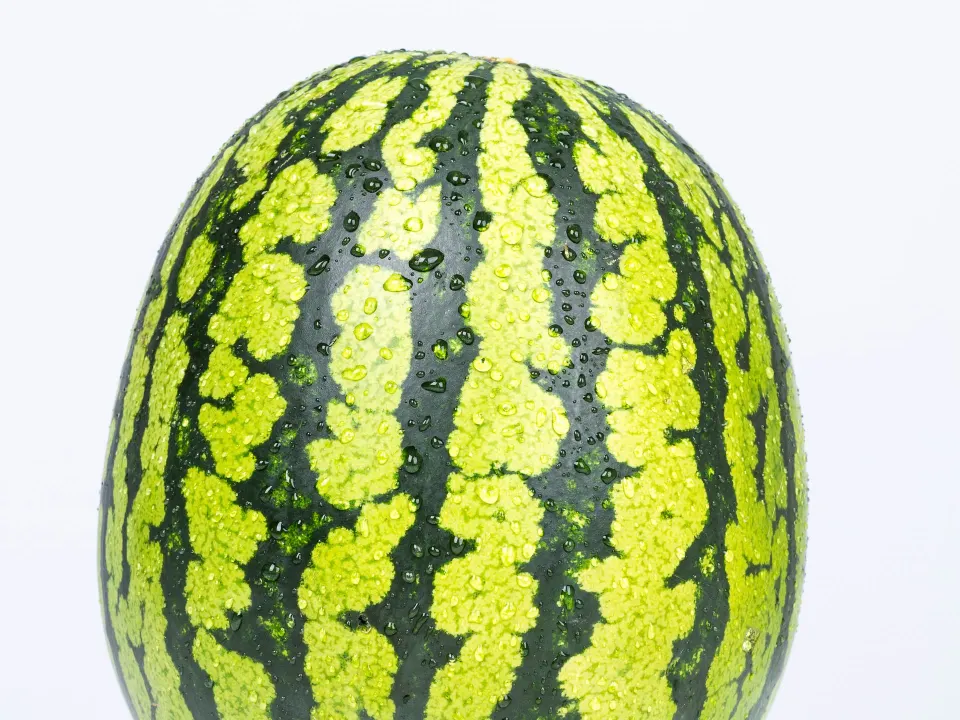
Food carries water too. Melon, cucumber, tomatoes, yoghurt, soup, and stewed fruit all help. A slice of watermelon is a snack and a fluid. A salty packet of crisps is not a heat plan. If a bottled “electrolyte” drink is mostly syrup, treat it as a sweet drink. Our ultra-processed foods guide helps you read that pattern on a label.
Protein-rich meals still matter in heat. You lose some salt in sweat. CDC notes that regular meals often replace those salts. A palm of fish, eggs, beans, or yoghurt at lunch is food. It is not a powder. See the everyday protein guide for ordinary portions. Keep fruit and veg portions in kitchen cues from the portion-size guide.
When a sports drink helps, and when it does not
Start with a glass of water. Keep a bottle you can see. Drink with meals. Add a cup after a sweaty walk or a hot commute. That pattern beats a heroic litre at noon.
If urine is dark at lunch, sip more that afternoon. Pale straw is the GOV.UK cue. Clear like gin all day is not a prize.
| Setting | Useful cue | Source |
|---|---|---|
| Most adults, cool day | 6 to 8 cups or glasses; pale yellow urine | NHS water, drinks and hydration |
| Hot day or heatwave at home | Drink often; urine pale straw; extra if sweating | NHS; GOV.UK Beat the heat |
| Moderate work in heat, under 2 hours | About 1 cup (8 oz) water every 15 to 20 minutes | CDC/NIOSH heat recommendations |
| Same work, translated | About 24 to 32 oz (0.7 to 0.9 litres) per hour | CDC/NIOSH hydration fact sheet |
| Upper limit while working | Do not exceed about 48 oz (1.5 quarts) per hour | CDC/NIOSH hydration fact sheet |
Heat illness, medicines and who should not chase litres
Most hot days still want water. CDC says sports drinks can replace salts when heavy sweating lasts several hours and you cannot eat. A long outdoor shift, a long run, or a day of moving boxes in a loft can fit that. A morning at a laptop does not.
A sports drink is extra sugar for many brands. That can be useful during a long, hard session. It is not useful as a sofa drink. If you eat lunch, you often get sodium from bread, cheese, soup, or a cooked meal. Ask a clinician if a heart, kidney, or hormone condition changes your salt plan.
Children in a park need water and shade more than a marketed bottle. Oral rehydration salts from a pharmacy are a different product, used for diarrhoea or on clinical advice.
Packing fluid for outdoor work in heat
NHS heat exhaustion includes headache, dizziness, sickness, and too much sweating. Move somewhere cooler. Sip water. Rest. Heatstroke is different and urgent. Signs can include confusion and very hot skin. Call 999 in the UK or 911 in the US.
Some medicines change fluid or salt handling. Diuretics are the familiar example. Heart, kidney, and liver disease may come with a fluid limit. Do not run a gallon challenge if you have one of those. Ask the clinician who set the limit.
Keep drinks with you on public transport. GOV.UK says to take extra water for journeys. A refillable bottle is enough kit. Shade, light clothes, and rest in the hottest hours still matter. Fluid cannot cancel midday tarmac.
Seek care if you cannot keep fluids down, if you faint, or if a baby or older adult becomes unusually sleepy in heat. Online cup charts cannot examine you.
Write one shopping swap from this section onto your list before you forget—specific brands matter less than repeating the behaviour next week.
Timing drinks around work and sleep
For hydration in hot weather, place a clear bottle on the desk and finish it once by early afternoon, then refill once before evening. Sip with meals. Ease large volumes in the last hour before bed if night-time urination disturbs sleep. Tea and coffee count for most healthy adults; watch caffeine late in the day.
Worked examples that make sense of hydration in hot weather
Start from the article’s own emphasis on hydration in hot weather. Translate it into one breakfast, one lunch and one dinner you could eat this week without speciality shops. If a tip only works with unlimited time or expensive powders, rewrite it until it fits a normal weekday.
Key ideas already flagged in this piece include: Hydration in hot weather means more fluid than a cool rest day, judged by pale straw or pale yellow urine. NHS: six to eight cups or glasses is a starting guide. Water, lower-fat milk, and unsweetened tea or coffee count. CDC/NIOSH: for moderate work in heat lasting under two hours, about one cup (8 oz) of water every 15 to 20 minutes.. Keep those ideas visible on a note on the fridge or in your phone groceries list.
UK and US readers may see different units on packs (kJ vs kcal, salt vs sodium, ml vs fl oz). Convert once for the products you buy often, then stop redoing arithmetic at every meal while you practise hydration in hot weather.
Adjusting fluid for exercise and hot weather
Sessions under an hour in mild weather usually need water only. Longer sweaty training or hot days need more fluid and sometimes sodium from food or a sports drink—not necessarily a branded energy drink. Fever and gut losses may need oral rehydration guidance from NHS-style advice, especially for children and older adults.
How sugar, alcohol and caffeine fit into hydration advice
Juice, sugary iced coffees and soft drinks add fluid with free sugars—prefer water between meals. Alcohol is a poor rehydration tool. Fluid restrictions in heart or kidney disease override generic litre goals. Confusion, severe headache or inability to keep fluids down needs urgent care, not another herbal “detox” water.
Hydration cues during long meetings and travel
For hydration in hot weather, place a clear bottle on the desk and finish it once by early afternoon, then refill once before evening. Sip with meals. Ease large volumes in the last hour before bed if night-time urination disturbs sleep. Tea and coffee count for most healthy adults; watch caffeine late in the day.
Rehydration after illness without forcing litres
Sessions under an hour in mild weather usually need water only. Longer sweaty training or hot days need more fluid and sometimes sodium from food or a sports drink—not necessarily a branded energy drink. Fever and gut losses may need oral rehydration guidance from NHS-style advice, especially for children and older adults.
Frequently asked questions
How much extra should I drink for hydration in hot weather?
Do tea and coffee count on a hot day?
When is a sports drink useful in heat?
Can I drink too much water in a heatwave?
What should I do if someone seems unwell in the heat?
Sources
- 1. Water, drinks and hydration
- 2. Heatwave: how to cope in hot weather
- 3. Beat the heat: staying safe in hot weather
- 4. Heat stress: workplace recommendations
- 5. Heat exhaustion
- 6. Heat and health
Guidance changes. Figures were checked against the sources above at the time of review; always confirm current advice with your GP, pharmacist or clinician.
Image credits
- Photo: Photo by Pixabay on Pexels / Openverse
Was this useful?
Anyone can react — no account needed.




Discussion
0 comments · Name and email only · Email is never shown