
Breakfast skipping is a weekday habit, not a medical test. Some people feel fine until lunch. Others graze on biscuits by 10am. The useful question is what the rest of the day looks like.
NHS healthy eating pages still ask most people not to miss a morning meal. The aim is vitamins and a steadier start, not a weight promise. Surveys often find that people who miss breakfast also eat fewer fruit, vegetable and fibre foods later. That pattern is the story.
This science guide sets breakfast skipping against NHS, CDC and heart-charity advice. It does not tell you to force porridge or to fast. It helps you judge who a delayed first meal may not suit.
What a missed morning meal looks like on a Tuesday
Breakfast skipping can mean coffee until noon. It can mean a 10am bakery bag. It can mean a planned late first meal after a gym session. Those are not the same day.
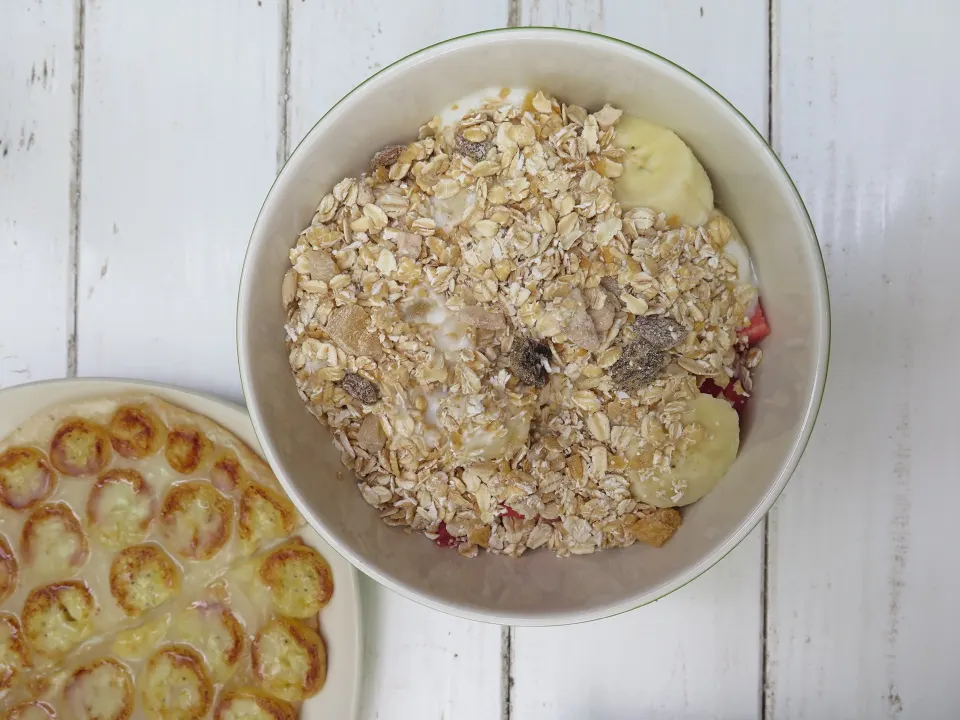
Public health pages care about the food you swallow. Oats, milk and fruit cover starch, some protein and produce. A mocha and a pastry at 11am can still leave you short of fibre. Time of day does not rescue the pastry.
CDC nutrition pages talk about a healthy pattern across meals, not one magic hour. NHS Eatwell advice is the same idea on a plate. Those building blocks can sit at 8am or at noon. The gap is what fills the wait.
If hunger hits hard, people often reach for ultra-processed snacks. Our ultra-processed foods guide is useful here. The issue is the biscuit tin, not the clock on the wall.
What breakfast skipping evidence actually shows
Two kinds of research sit side by side. They answer different questions. Mixing them is how internet arguments start.
Surveys often link a missed morning meal with higher body weight and a thinner nutrient mix. People who skip may also sleep less, work shifts, or eat more at night. A survey cannot prove that the empty 8am bowl caused the extra weight.
Short feeding trials tell a quieter story. Assigned breakfast for a few weeks does not clearly produce extra weight loss. Some trials find higher daily energy intake when people add a meal they did not want. Samples are small. Weeks are short. That is a weak base for a rule.
So NHS advice and trial data can both be true. A morning meal is a handy way to get oats, fruit and protein. Forcing one is not a proven fat-loss tool. Breakfast skipping is not a proven fat-gain tool either.
| Claim you may hear | What the evidence type can show | A calmer Tuesday move |
|---|---|---|
| “Never miss breakfast or you will gain weight” | Short trials have not proved a unique weight penalty | Judge the day’s food, not the 8am bowl alone |
| “Eat breakfast to lose weight” | Assigned breakfast has not shown a clear extra loss | Use a morning meal if it helps you eat better |
| “Skippers have poorer diets” | Many surveys find fewer vitamins and less fibre | If you eat later, plan fruit, grain and protein |
| “Breakfast is the most important meal” | NHS: it is a useful way to get nutrients, not a magic hour | Keep Eatwell building blocks somewhere in the day |
Diet quality still beats a magic morning hour
British Heart Foundation eating pages put vegetables, fruit, wholegrains, beans, fish and unsaturated oils in the centre. They do not grade you for eating at 7am. The same pattern can start at 7am or noon.
WHO healthy diet advice is about variety, salt, sugar and saturated fat. It is not a stopwatch. If breakfast skipping leaves you on sweet drinks until a huge lunch, the pattern is the problem.
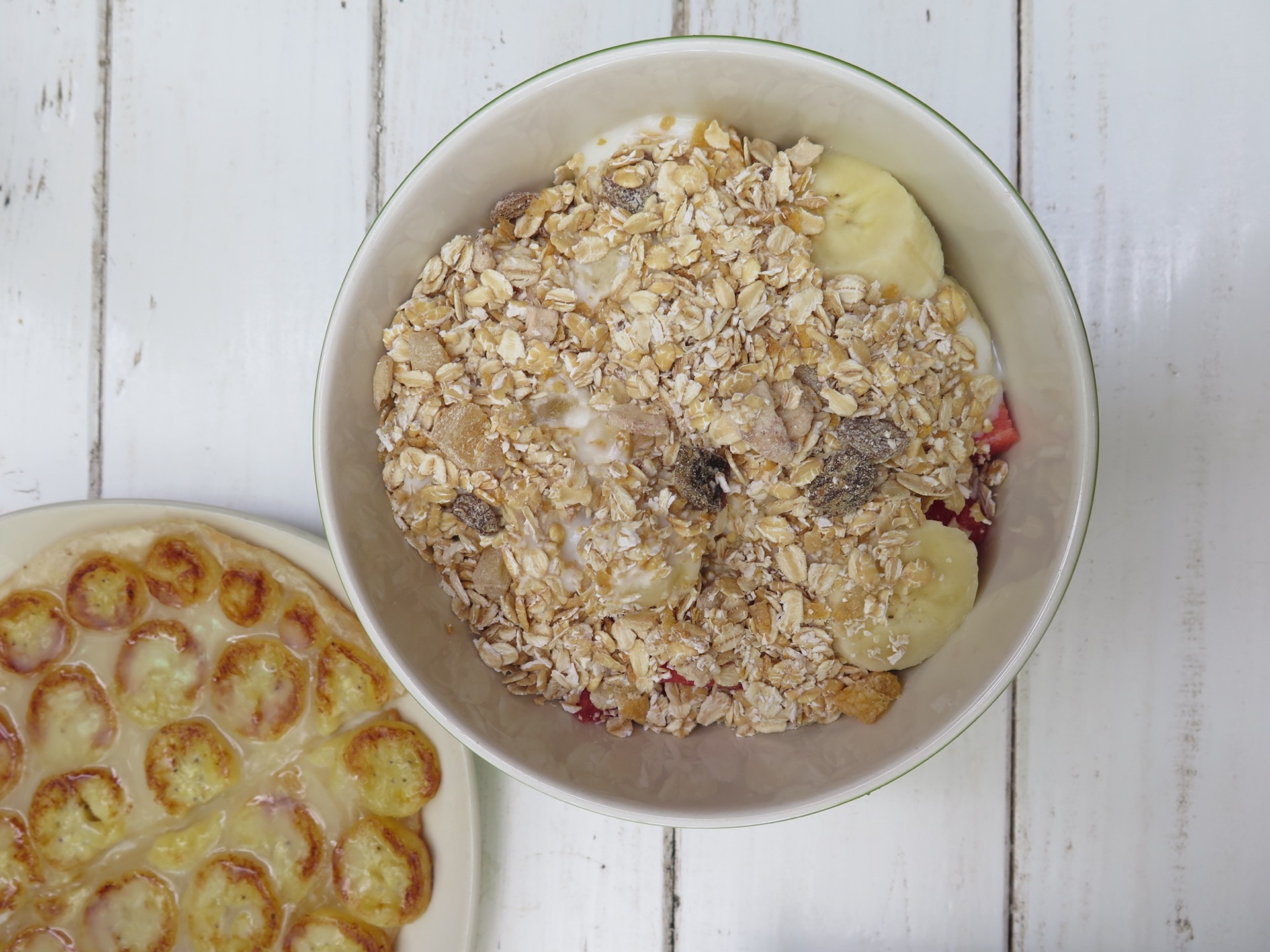
A first meal still has a job. Wholegrain toast with eggs or beans, yoghurt with fruit, or leftover rice with vegetables all do that job. Flavoured cereal with a dessert-level sugar load does less of it. Our food label guide shows where sugar and fibre sit on UK and US packs.
Portions matter once you do eat. A “I’ll wait until lunch” plan can become a very large plate. Our portion-size guide helps you keep starch, protein and vegetables in view without scales.
Who a delayed first meal may not suit
Children need regular meals. Adult internet fasting talk is a poor script for a child. Keep their morning meal unless a clinician says otherwise.
People who take insulin or some tablets for diabetes can drop blood glucose if they miss food. Do not copy a fasting video if you use those medicines. Ask the team that prescribed them.
Pregnancy, breastfeeding and recovery from illness change fuel needs. A skipped morning is not a hobby in those months. Older adults who already eat little may lose protein they still need.
If food rules, missed meals or binge cycles are taking over, do not use breakfast skipping as a tool. In the UK, speak to your GP and see NHS mental health pages. Beat is a specialist charity. In the US, NEDA lists help. This article will not teach restriction tricks.
How to keep a decent first plate, early or late
If you like breakfast, keep it simple. Oats, milk and fruit. Eggs on wholemeal toast. Yoghurt and berries. The Mediterranean diet evidence guide is a useful pattern for the rest of the day, not a 7am test.
If you are not hungry early, set a first-meal time you can keep. Many people do well with food by late morning rather than a 4pm crash. Plain tea or coffee is fine for most adults. It is not a meal.
Build the first plate from three parts: a fibre-rich starch, a protein food, and fruit or vegetables. A banana, yoghurt pot and wholegrain wrap also travel well.
Stop if you feel faint, confused, or unusually shaky. Seek urgent care for severe symptoms. Call 999 in the UK or 911 in the US when it is an emergency. A blog cannot check your glucose or your medicines.
Batch components that make the plan reusable
Cook once, eat twice: a pot of grains, a tray of roasted vegetables, a batch of beans or chicken, and a jar of simple dressing support breakfast skipping across several days without identical meals. Freeze soup portions flat in bags for quick lunches.
Keep emergency tins (tomatoes, beans, fish) and frozen vegetables so a missed prep session does not default to only ultra-processed options.
Worked examples that make sense of breakfast skipping
Start from the article’s own emphasis on breakfast skipping. Translate it into one breakfast, one lunch and one dinner you could eat this week without speciality shops. If a tip only works with unlimited time or expensive powders, rewrite it until it fits a normal weekday.
Key ideas already flagged in this piece include: NHS eight tips for healthy eating include a morning meal as a simple way to get vitamins and minerals. Short trials have not proved that adding breakfast always leads to weight loss. Breakfast skipping often travels with a thinner mix of fruit, veg, fibre and protein later in the day.. Keep those ideas visible on a note on the fridge or in your phone groceries list.
UK and US readers may see different units on packs (kJ vs kcal, salt vs sodium, ml vs fl oz). Convert once for the products you buy often, then stop redoing arithmetic at every meal while you practise breakfast skipping.
UK and US cupboard swaps that keep the meal’s job intact
UK and US cupboards differ in brand names more than principles: oats, eggs, yoghurt or fortified soya, beans, frozen fish, rice and seasonal vegetables travel well. Swap turkey for chicken, kale for cabbage, and yoghurt brands freely while keeping the meal’s job (protein, fibre, colour) intact for breakfast skipping.
What to do when a planned meal falls through
If lunch falls through, use a fallback formula: fruit + yoghurt or cheese + handful of nuts, or a supermarket meal-deal sandwich upgraded with an extra salad and water instead of a sugary drink. Flexibility keeps breakfast skipping sustainable without all-or-nothing thinking.
Emergency cupboard meals that still look balanced
Cook once, eat twice: a pot of grains, a tray of roasted vegetables, a batch of beans or chicken, and a jar of simple dressing support breakfast skipping across several days without identical meals. Freeze soup portions flat in bags for quick lunches.
Keep emergency tins (tomatoes, beans, fish) and frozen vegetables so a missed prep session does not default to only ultra-processed options.
Freezer portions that prevent takeaway defaults
UK and US cupboards differ in brand names more than principles: oats, eggs, yoghurt or fortified soya, beans, frozen fish, rice and seasonal vegetables travel well. Swap turkey for chicken, kale for cabbage, and yoghurt brands freely while keeping the meal’s job (protein, fibre, colour) intact for breakfast skipping.
Swapping proteins without rewriting the whole plan
If lunch falls through, use a fallback formula: fruit + yoghurt or cheese + handful of nuts, or a supermarket meal-deal sandwich upgraded with an extra salad and water instead of a sugary drink. Flexibility keeps breakfast skipping sustainable without all-or-nothing thinking.
Frequently asked questions
Does breakfast skipping always cause weight gain?
Should I force breakfast if I am not hungry?
Is coffee until lunch a healthy fast?
What is a decent first meal if I eat at 11am?
Can children skip breakfast?
Sources
Guidance changes. Figures were checked against the sources above at the time of review; always confirm current advice with your GP, pharmacist or clinician.
Image credits
- Photo: Photo by Klaus Nielsen on Pexels / Openverse
- Photo: Photo by Ella Olsson on Wikimedia Commons / Openverse
- Photo: Photo by Federica Diliberto on Unsplash via Wikimedia Commons / Openverse
Was this useful?
Anyone can react — no account needed.



Discussion
0 comments · Name and email only · Email is never shown