
Oily fish portions are a weekly habit, not a daily tonic. Salmon, sardines, mackerel, trout and herring supply long-chain omega-3 fats. Most adults still eat less than the official ask.
NHS pages want at least two portions of fish a week, including one oily portion of about 140 g cooked. The American Heart Association wants two servings of fish a week, especially fatty fish, at about 3 ounces cooked each. US Dietary Guidelines put seafood at least 8 ounces a week on a 2,000 kcal pattern.
This guide turns oily fish portions into tins, fillets and swaps. It flags mercury and pregnancy limits. It does not sell a capsule as a meal. It does not promise a heart “reset”.
What oily fish portions look like on a plate
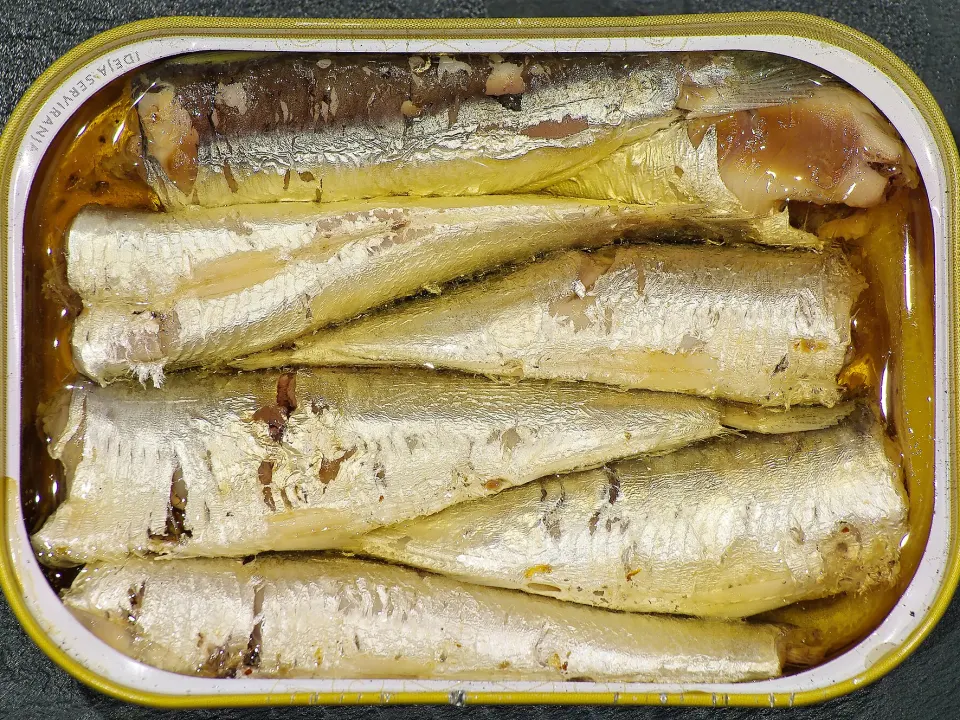
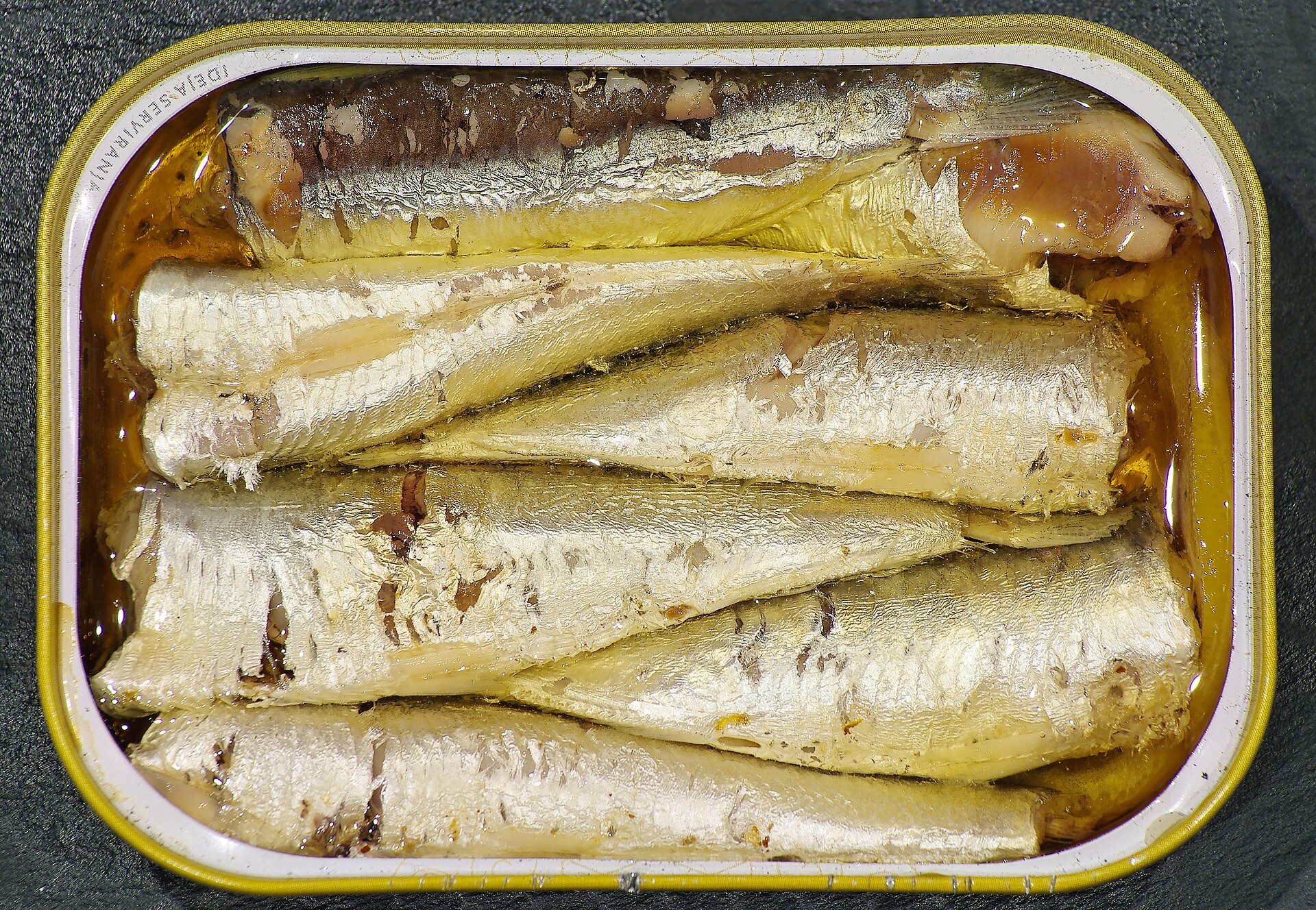
Oily fish have oil in the fillet, not only in the liver. NHS examples include salmon, mackerel, sardines, trout, herring, pilchards and fresh tuna. Canned tuna does not count as oily fish in NHS advice, because the oil is largely lost in processing. It still counts as a fish portion.
A UK portion is about 140 g cooked. That is a small fillet, or a drained tin of sardines shared across toast. An AHA serving is smaller: about 3 ounces cooked, roughly 85 g, or three-quarters of a cup of flaked fish. Two of those servings make about 6 ounces. The US weekly seafood target of 8 ounces sits close to two modest restaurant fillets.
You do not need a scale at the table. A tin of sardines in spring water, drained, is a handy midweek portion. A supermarket salmon fillet is often close to one UK portion; check the pack. Our portion-size guide uses the same palm-and-tin cues for the rest of the plate.
Labels tell you if the fish is in brine, oil or tomato sauce. Salt can be high. Our food label guide shows where that line sits. Choose spring water or tomato when you can. Drain well.
Heart fats, and what a capsule cannot replace
Oily fish supply EPA and DHA, the long-chain omega-3 fats. NHS pages say those fats can help keep the heart healthy. They also matter in pregnancy for a baby’s nervous system. The AHA links regular fish meals with a lower chance of heart and circulatory disease, especially when fish replaces less healthy food.
NIH’s Office of Dietary Supplements notes that the AHA wants one to two seafood servings a week for most adults. For people who already have coronary heart disease, the AHA discusses about 1 g a day of EPA plus DHA, preferably from oily fish. Capsules sit under clinical advice only. The AHA does not recommend omega-3 capsules for people who are not at high heart risk.
A capsule is not a fillet. Fish also brings protein, iodine and, in canned bones, some calcium. Our everyday protein guide treats a sardine toast as a meal, not as a supplement ritual.
Plant omega-3, called ALA, sits in rapeseed oil, walnuts and flaxseed. The body converts only a little ALA into EPA and DHA. Plant oils still belong in a mixed pattern. They do not fully copy an oily-fish portion.
| Source | Weekly ask | One portion | Who it is for |
|---|---|---|---|
| NHS | At least 2 fish portions, including 1 oily | About 140 g cooked | Most adults |
| NHS pregnancy and future pregnancy | No more than 2 oily portions | About 140 g cooked | Girls and women who may have a baby; pregnancy; breastfeeding |
| American Heart Association | 2 servings, especially fatty fish | About 3 oz (85 g) cooked | General heart-diet advice |
| Dietary Guidelines for Americans | At least 8 oz seafood | About 4 oz is a common serving | Adults on a 2,000 kcal pattern |
| US pregnancy and breastfeeding | 8–12 oz lower-mercury fish | About 4 oz | People who are pregnant or breastfeeding |
Mercury, tuna and who should cap oily fish
Oily fish can hold more pollutants than white fish. That is why NHS pages set a weekly cap for some groups. Girls and women who have not been through the menopause should cap oily fish at two NHS portions a week. That includes people trying for a baby, and people who are pregnant or breastfeeding. Other adults can eat more oily fish, but more is not automatically better.
Shark, swordfish and marlin hold more mercury. Do not eat them if you are pregnant or trying to conceive. Other adults should have no more than one portion a week. Mercury can harm a developing nervous system. MedlinePlus explains that methylmercury builds up in large, long-lived fish.
Tuna has its own NHS rule. If you are pregnant or breastfeeding, do not have more than two tuna steaks a week, or four medium cans. Tuna still does not count as the oily portion. Fresh tuna is oily; canned tuna is not, on NHS pages. US advice instead sorts fish into “best choices” and higher-mercury lists. Salmon, sardines, trout and anchovies sit on the everyday list. Swordfish and shark sit on the avoid list in pregnancy.
A Mediterranean-style week already makes room for fish beside plants and pulses. Our Mediterranean diet evidence guide keeps that pattern in view. A Friday fillet is one piece of it.
If you do not eat fish
Some people avoid fish because of allergy, taste, cost, or ethics. That is a valid plate. You still need protein from beans, eggs, dairy, tofu or nuts. You may want to discuss iodine, DHA and vitamin D with a clinician if you eat no seafood at all, especially in pregnancy.
Algal oil can supply DHA without fish. Fish-oil capsules vary widely. NIH pages treat food as the first route. Cod liver oil also brings vitamins A and D, which can be too high in extra doses. Do not stack liver-oil capsules on a hunch.
Ultra-processed “omega” snacks are still snacks. A fish claim on a cracker does not match a fillet. Our ultra-processed foods guide is the better frame for those packets.
Allergy is a separate rule. If fish or shellfish sets off hives, swelling, or breathing trouble, treat that as emergency care, not as a portion puzzle.
A week of tins and fillets that stays modest
Pick one oily meal you will actually cook. Grilled salmon with potatoes and salad. Mackerel on toast. Sardines mashed with lemon on wholemeal bread. That is one NHS oily portion if the cooked weight is near 140 g. Add a white-fish meal, such as baked cod, to reach two fish meals.
If you are in the NHS two-portion cap group, stop at two oily meals. Use beans or eggs on other days. If you are pregnant in the US, aim for 8 to 12 ounces of lower-mercury fish across the week, not a daily steak of tuna.
Keep food safety ordinary. Cook fish until it flakes. Chill leftovers fast. Do not eat raw shellfish in pregnancy. Online mercury charts cannot smell a fridge.
Seek urgent care for severe allergic symptoms, or for chest pain and sudden breathlessness. Call 999 in the UK or 911 in the US for a life-threatening emergency.
Kitchen defaults that improve everyday fat quality
Make olive or rapeseed oil the default spoon in the pan for most cooking linked to oily fish portions. Keep butter for flavour finishing. Put oily fish on the weekly list once or twice if you eat fish, and keep a bag of frozen fillets for evenings when fresh fish is unrealistic.
Swap pastry lunches for bean or fish salads some days. Nuts at 20–30 g beat endless crisps for most people watching fat quality, provided portions stay cupped-hand sized.
Worked examples that make sense of oily fish portions
Start from the article’s own emphasis on oily fish portions. Translate it into one breakfast, one lunch and one dinner you could eat this week without speciality shops. If a tip only works with unlimited time or expensive powders, rewrite it until it fits a normal weekday.
Key ideas already flagged in this piece include: NHS: eat at least two fish portions a week, including one oily portion of about 140 g cooked. AHA: two servings a week of fish, especially fatty fish; one serving is about 3 ounces cooked, or three-quarters of a cup of flakes. US Dietary Guidelines: at least 8 ounces of seafood a week for most adults; 8 to 12 ounces of lower-mercury fish if you are pregnant or breastfeeding.. Keep those ideas visible on a note on the fridge or in your phone groceries list.
UK and US readers may see different units on packs (kJ vs kcal, salt vs sodium, ml vs fl oz). Convert once for the products you buy often, then stop redoing arithmetic at every meal while you practise oily fish portions.
Portion reality checks for oils, spreads and creamy add-ons
One tablespoon of oil is about 14 g fat; two free pours plus mayonnaise can exceed 30 g before the main arrives. Measure oil for a week. Cheese at 30 g is a matchbox, not a slab. Avocado halves are nutritious and still energy-dense—pair with vegetables and protein rather than stacking multiple fatty toppings.
Heart-health framing for dietary fat without food fear
Public-health advice on oily fish portions focuses on replacing saturated fat with unsaturated sources, not eliminating all fat. Coconut oil remains saturated-fat-rich despite tropical branding. If you have high LDL cholesterol, follow clinical lipid advice; food patterns support medicines, they do not replace them. “Low fat” products high in sugar are not automatic upgrades.
Frequently asked questions
Does canned tuna count as oily fish?
How big is 140 g on a real plate?
Can I replace oily fish with a capsule?
Is farmed salmon as useful as wild?
What if I am pregnant and I dislike fish?
Sources
- 1. Fish and shellfish
- 2. Fish and omega-3 fatty acids
- 3. Omega-3 fatty acids: fact sheet for consumers
- 4. 2020–2025 Dietary Guidelines for Americans
- 5. Mercury
- 6. Have a healthy diet in pregnancy
Guidance changes. Figures were checked against the sources above at the time of review; always confirm current advice with your GP, pharmacist or clinician.
Image credits
- Photo: Photo by Shixart1985 on Wikimedia Commons / Openverse
- Photo: Photo by DanaTentis on Pixabay via Wikimedia Commons / Openverse
- Photo: Photo by Pannet on Wikimedia Commons / Openverse
Was this useful?
Anyone can react — no account needed.




Discussion
0 comments · Name and email only · Email is never shown