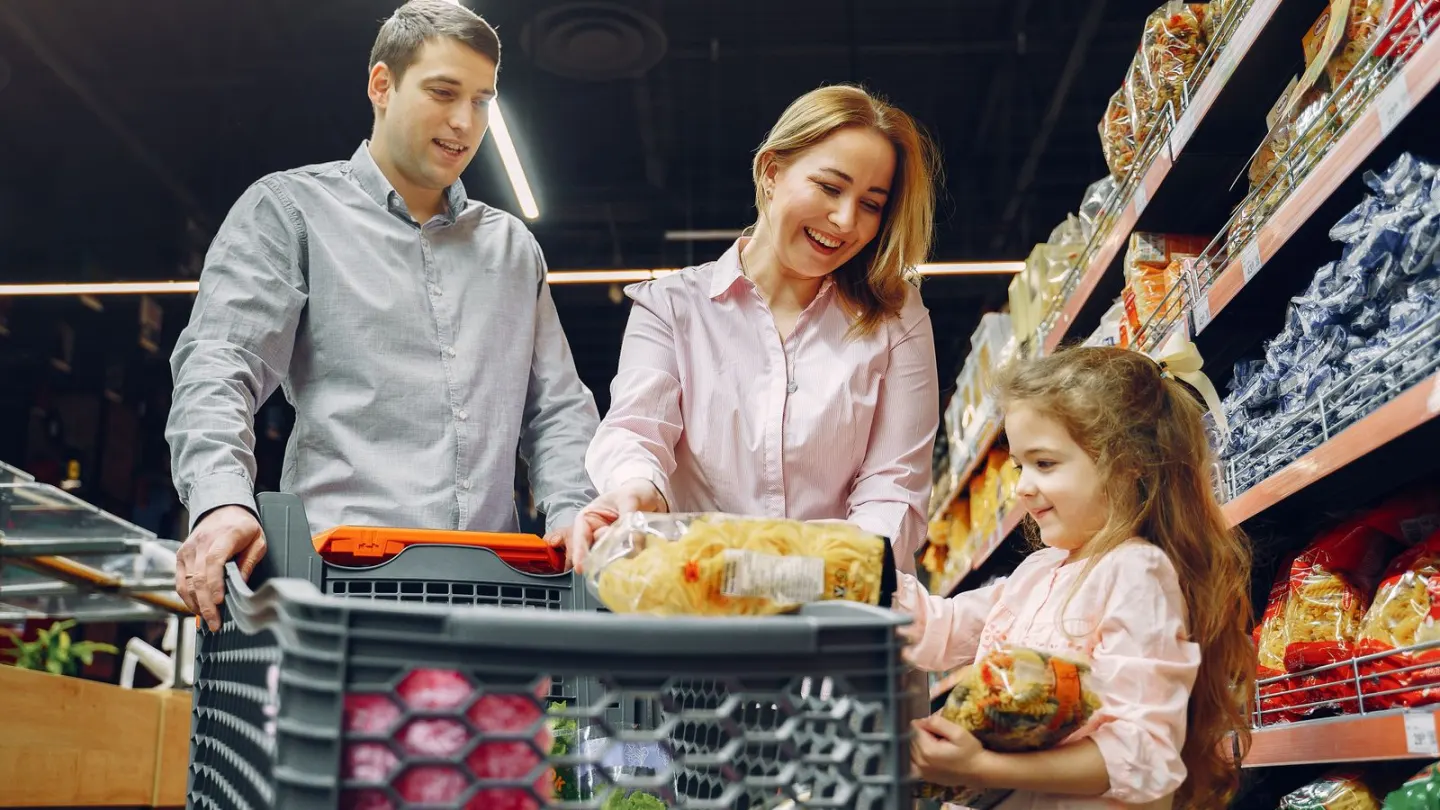
Student budget healthy eating is oats, a tin of beans, and frozen peas you will actually cook. It is not a campus-only diet. It is the Eatwell plate on a short week.
Rent hits first. Then bus fare. Food is what shrinks. Student budget healthy eating still follows the same NHS and CDC pattern as any other adult plate: fruit and veg, a starchy base, some protein, and drinks that are mostly water or milk.
This guide will not promise weight change. It will not sell a “student superfood”. It shows how tins, frozen bags and leftover rice can cover the week without a special meal plan.
What student budget healthy eating actually means
Student budget healthy eating looks like breakfast you can make half-asleep. Oats with milk and a banana. Toast with peanut butter. Eggs on wholegrain bread. Those plates are ordinary. They also match NHS starchy-food and protein advice.
Lunch can be leftover rice and mixed veg. Or a bean wrap. Or yoghurt and fruit. You do not need a salad bar. You need a box that will not leak in a rucksack.
Dinner can be pasta, tinned tomatoes, frozen veg and a drained tin of beans. That is starch, veg and protein on one hob. Our Mediterranean diet evidence guide is the same idea: plants, pulses and oil in small amounts, not a pricey imported hamper.
Portions still matter when food is cheap. A family bag of pasta can become two dinners if you stop at a plate, not at the saucepan. Our portion-size guide uses handful and plate cues so you do not need scales in a shared kitchen.
Drinks count. NHS fluid advice is about six to eight cups a day. Water is the cheap option. Energy drinks are a dear way to buy sugar and caffeine. Milk can be breakfast and a calcium source.
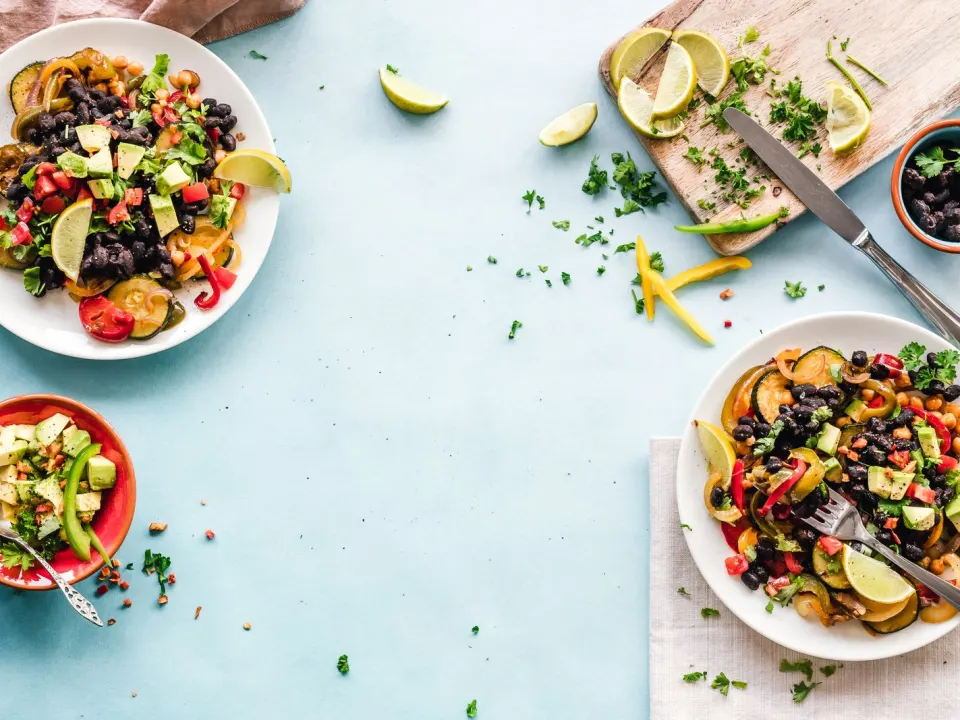
Shop the freezer, the tin and the own-brand aisle
Protein does not have to be a chicken breast. NHS Eatwell lists beans, pulses, eggs, fish, meat and dairy. A drained tin of chickpeas or lentils is a meal base. Eggs cook in minutes. Tinned fish is a backup, not a daily must.
Frozen vegetables count toward 5 A Day. NHS is clear on that. You use what you need. The rest stays frozen. That cuts waste in a small fridge. Peas, spinach and mixed veg all work in pasta, rice or an omelette.
Tinned tomatoes make a sauce. Choose ones in juice or water when you can, with no added salt if the shelf offers that. Fruit tinned in juice, not syrup, also counts. Dried fruit is a 30g handful at a meal, not a desk graze, because it sticks to teeth.
Own-brand oats, rice and pasta fill the starchy third of the Eatwell plate. Wholegrain versions add fibre. White versions still count as starch. Potatoes with skins on are cheap too. They do not count toward UK 5 A Day, but they still feed you.
Oil is a teaspoon job. A bottle lasts. NHS wants unsaturated oils in small amounts. You do not need a gourmet pour. A little oil in a pan is enough to cook onions and frozen veg.
| Staple | Kitchen amount | What NHS counts it as |
|---|---|---|
| Frozen mixed veg | 3 heaped tablespoons (about 80g) | One 5 A Day portion; frozen counts |
| Tinned beans or lentils | About 3 heaped tablespoons, drained | Protein food; pulses count once a day toward 5 A Day |
| Oats or pasta | A fist of dry cereal, or a plate of cooked pasta | Starchy food; aim for about a third of the day’s food |
| Eggs | 1–2 eggs | Protein group |
| Tinned fruit in juice | Similar amount to a fresh portion | One 5 A Day; avoid syrup if you can |
| Milk or fortified soya drink | A glass | Dairy or alternative; also counts as fluid |
Cook once, eat twice, even in a shared kitchen
Big packs are not always cheaper. Look at the price per 100g or per ounce. A small tin can win if you would bin the rest of a family pack. Shared kitchens steal food. Buy what you will finish.
A list beats a hungry shop. Write three dinners, two breakfasts and a lunch box. Then stop. Offer aisles are designed to empty a loan. Frozen veg and dry goods wait. Salad leaves wilt by Wednesday.
Cook once, eat twice when you have a hob. A pan of chilli or dal can be tonight and tomorrow. Cool it, then fridge it within one to two hours. UK leftover advice is to eat fridge leftovers within two days or freeze them. US CDC leftover advice is often three to four days at 40°F or below.
Rice needs extra care. Cool it fast. Keep it cold. UK advice is stricter: eat rice leftovers the next day, and do not reheat rice more than once. If the rice sat warm in a pan all evening, throw it away.
A freezer bag of sliced bread is a student trick. Toast what you need. Frozen berries go in oats. You skip the mouldy punnet.
Drinks, labels and ultra-processed shortcuts
Campus shops sell meal deals. A sandwich, fruit and milk can be a decent lunch. A deal that is crisps, a sugary drink and a pastry is still a deal. It is just a dear one for salt and sugar. Our food label guide shows UK traffic lights and the US Nutrition Facts panel.
NHS salt advice for adults is no more than 6g a day, about a teaspoon, including salt already in food. Bread, breakfast cereal and ready meals hide a lot of it. Red traffic-light salt is more than 1.5g per 100g. Choose green or amber when you can.
Ultra-processed snacks are easy when you are tired. They are not banned. They are a poor default for every lecture. Our ultra-processed foods guide explains the NOVA idea without a purity test. A labelled sandwich still beats skipping lunch.
US Dietary Guidelines still want vegetables, fruit, whole grains and protein foods across the day. CDC healthy-eating tips ask for a mix of colours on the plate and say frozen vegetables are a good option. Frozen counts there too.
If a canteen plate is what you can get, add fruit from a shop on the way. Or keep a bag of frozen veg at home for the evening meal. One upgrade is enough. You do not need a perfect week.
When money, health or food access is the real issue
Food banks, campus hardship funds and local authority support exist because budgets fail. Using them is not a character test. In the UK, NHS and student services can point you on. In the US, campus health and SNAP outreach (where you qualify) are the practical doors.
Diabetes medicine, coeliac disease, nut allergy and kidney disease change the cheap-food list. Do not copy a flatmate’s bean stew if it is unsafe for you. Ask the clinician who already knows your notes.
If eating feels out of control, or if you are cutting food in a way that scares you, speak to a GP or campus health. This article is not a how-to for restriction. Beat in the UK and NEDA in the US offer eating-disorder help.
Chest pain, fainting, vomit with blood, or a severe allergic reaction is emergency care. Call 999 in the UK or 911 in the US. A budget chart cannot run those checks.
Batch components that make the plan reusable
Cook once, eat twice: a pot of grains, a tray of roasted vegetables, a batch of beans or chicken, and a jar of simple dressing support student budget healthy eating across several days without identical meals. Freeze soup portions flat in bags for quick lunches.
Keep emergency tins (tomatoes, beans, fish) and frozen vegetables so a missed prep session does not default to only ultra-processed options.
Worked examples that make sense of student budget healthy eating
Start from the article’s own emphasis on student budget healthy eating. Translate it into one breakfast, one lunch and one dinner you could eat this week without speciality shops. If a tip only works with unlimited time or expensive powders, rewrite it until it fits a normal weekday.
Key ideas already flagged in this piece include: Student budget healthy eating uses the Eatwell Guide and MyPlate groups, not a separate campus food pyramid. NHS 5 A Day counts frozen and tinned fruit and veg. An adult portion is about 80g, or three heaped tablespoons of cooked veg. Beans, eggs, oats, frozen veg and tinned tomatoes are cheap building blocks. They travel. They store.. Keep those ideas visible on a note on the fridge or in your phone groceries list.
UK and US readers may see different units on packs (kJ vs kcal, salt vs sodium, ml vs fl oz). Convert once for the products you buy often, then stop redoing arithmetic at every meal while you practise student budget healthy eating.
UK and US cupboard swaps that keep the meal’s job intact
UK and US cupboards differ in brand names more than principles: oats, eggs, yoghurt or fortified soya, beans, frozen fish, rice and seasonal vegetables travel well. Swap turkey for chicken, kale for cabbage, and yoghurt brands freely while keeping the meal’s job (protein, fibre, colour) intact for student budget healthy eating.
What to do when a planned meal falls through
If lunch falls through, use a fallback formula: fruit + yoghurt or cheese + handful of nuts, or a supermarket meal-deal sandwich upgraded with an extra salad and water instead of a sugary drink. Flexibility keeps student budget healthy eating sustainable without all-or-nothing thinking.
Frequently asked questions
Is frozen food less healthy than fresh?
Can I live on noodles and still eat well?
Are meal deals always a bad buy?
How do I keep food safe in a shared fridge?
What if I have no hob, only a kettle?
Sources
- 1. The Eatwell Guide
- 2. 5 A Day: what counts?
- 3. 8 tips for healthy eating
- 4. Healthy eating tips
- 5. Dietary Guidelines for Americans
- 6. Healthy diet
- 7. How to chill, freeze and defrost food safely
- 8. Preventing food poisoning
Guidance changes. Figures were checked against the sources above at the time of review; always confirm current advice with your GP, pharmacist or clinician.
Image credits
- Photo: Photo by Taras Chaban on Pexels / Openverse
- Photo: Photo by Anna Avilova on Pexels / Openverse
- Photo: Photo by Ella Olsson on Pexels / Openverse
Was this useful?
Anyone can react — no account needed.




Discussion
0 comments · Name and email only · Email is never shown