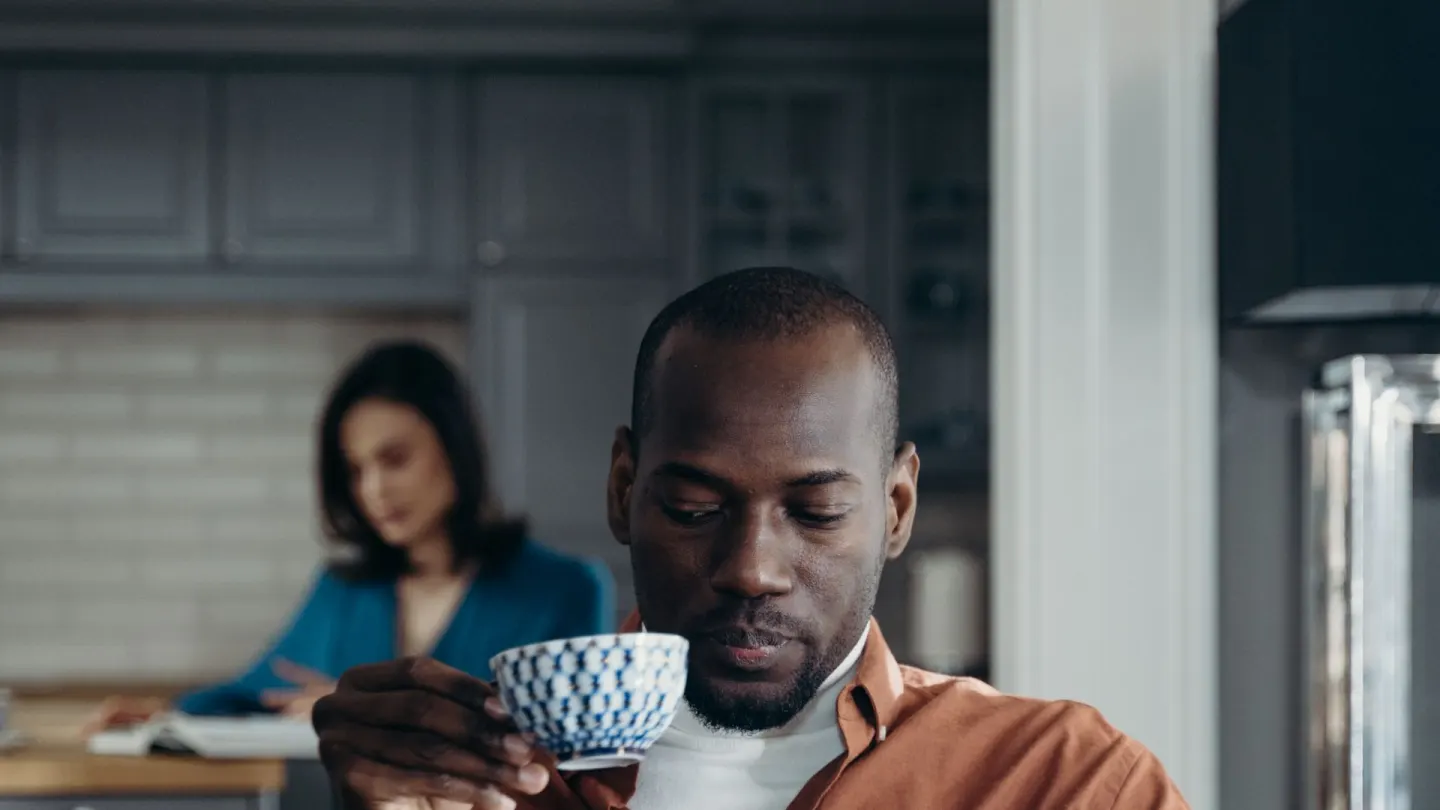
Tea flavonoids are plant compounds in an ordinary mug. They are not a prescription. Everyday cups can add a useful amount. Extracts are a different product.
Black tea and green tea both start as the same plant. Steeping time and oxidation change the mix. Green tea keeps more catechins. Black tea holds more theaflavins and thearubigins. USDA food tables list those chemicals per 100 ml of brew. A home mug is closer to 200 ml.
This science piece translates USDA, NIH-hosted reviews, NHS drink advice and BHF caffeine figures. It does not claim that tea prevents cancer or heart disease. It helps you see what two everyday cups may contribute, without a supplement aisle.
What tea flavonoids are in a normal mug
Flavonoids are a family of plant chemicals. The brew is rich in a subclass called flavan-3-ols. In the green style those show up as catechins, including EGCG. In the black style, oxidation builds theaflavins and a large group called thearubigins. You taste that as the familiar brown cup.
USDA’s flavonoid database standardises a 1% infusion: 1 g of leaf per 100 ml of boiling water. Real bags differ. A strong builder’s mug is not a lab cup. Still, the table is the honest public number we have. Per 100 ml of brewed black tea it lists about 118 mg of those compounds, of which thearubigins are the bulk.
Double that for a 200 ml mug and you sit near 236 mg. An NIH-hosted review used a 236 ml cup and estimated about 280 mg of total flavonoids from black tea and about 338 mg from green tea per extra daily cup. Those are estimates for research, not a pharmacy dose.
The mug is still a drink. NHS counts it toward your six to eight daily fluids if you skip lots of sugar. A splash of milk does not turn it into a meal. Protein still has to come from food. Our everyday protein guide keeps that plate in view.
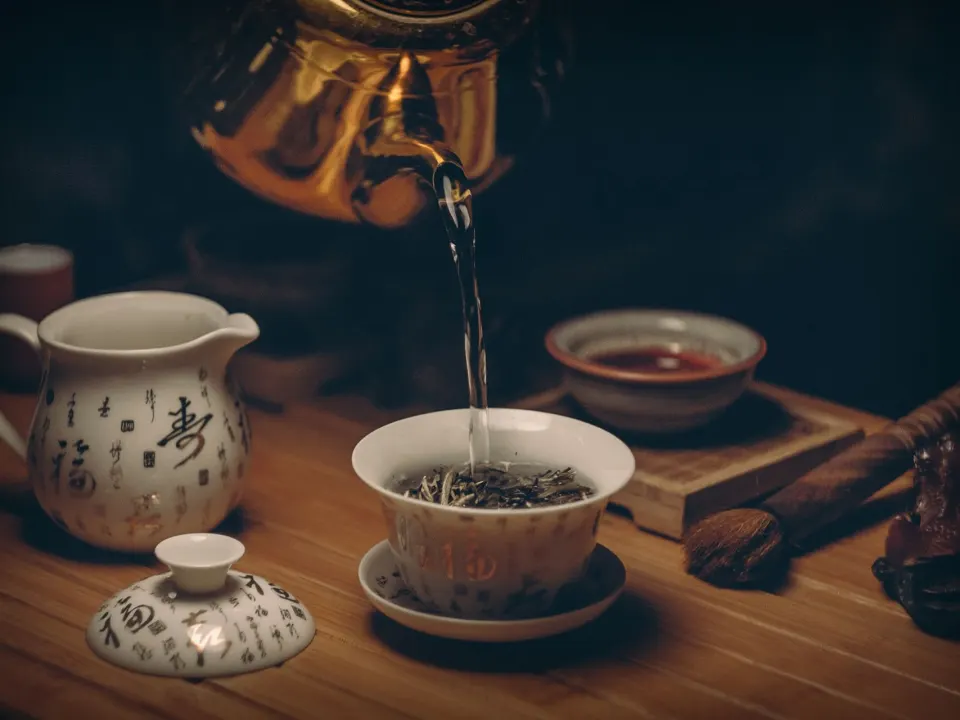
Black, green and the caffeine that arrives with the cup
You do not have to switch colour for a “better” chemical. Black is the UK default. Green is common in US shops. Both can fit. Ready-to-drink bottles are often sweet. Read the pack. Our food label guide shows where sugars hide on each side of the Atlantic.
BHF caffeine figures help you plan sleep. Black tea (220 ml) is about 50 mg. Green tea (220 ml) is about 35 mg. Decaf is about 2 mg. MedlinePlus gives a wider 8-ounce range of 14 to 60 mg. A late second mug can still nudge bedtime. Move it earlier if sleep is already thin.
Herbal infusions are not Camellia. Peppermint or rooibos can be a warm habit. They do not bring the same flavonoid table. They also need their own safety check in pregnancy. Use the NHS foods-to-avoid list rather than a wellness blog.
What the heart studies can and cannot say
Use one bag or a teaspoon of leaf in a mug of just-off-boil water. Two to three minutes is enough for most bags. Longer makes it more bitter. You do not need a scale.
Skip syrup and bottled sugar if the point is the plant compounds. A splash of milk is a taste choice. Lemon is optional. The useful habit is a cup you will repeat, not a perfect lab infusion.
| Drink | Serving | What the tables show |
|---|---|---|
| Black tea, brewed | 100 ml (USDA) | About 118 mg listed flavonoids, mostly thearubigins |
| Black tea, home mug | 200 ml (USDA × 2) | About 236 mg listed flavonoids |
| Black tea caffeine | 220 ml (BHF) | About 50 mg caffeine |
| Green tea caffeine | 220 ml (BHF) | About 35 mg caffeine |
| Decaf tea caffeine | 220 ml (BHF) | About 2 mg caffeine |
Extracts, liver risk and who should keep tea ordinary
A 2020 review on PubMed Central pooled cohort studies. Each extra daily cup was linked with a few percent lower risk of some heart outcomes. The authors rated the evidence as low or moderate. People who drink tea often also eat other plant foods. That mix confuses cause.
So a mug is a reasonable habit inside a wider pattern. It is not a treatment. The Mediterranean diet evidence guide is the better frame: vegetables, pulses, fish, unsaturated oils, and modest drinks. A cup can sit beside that plate. It cannot replace it.
Portions still matter. Three sugary bottles are not “three cups of research.” A kitchen mug you brew and drink unsweetened is the food the tables describe. See the portion-size guide if shop bottles have become a silent extra.
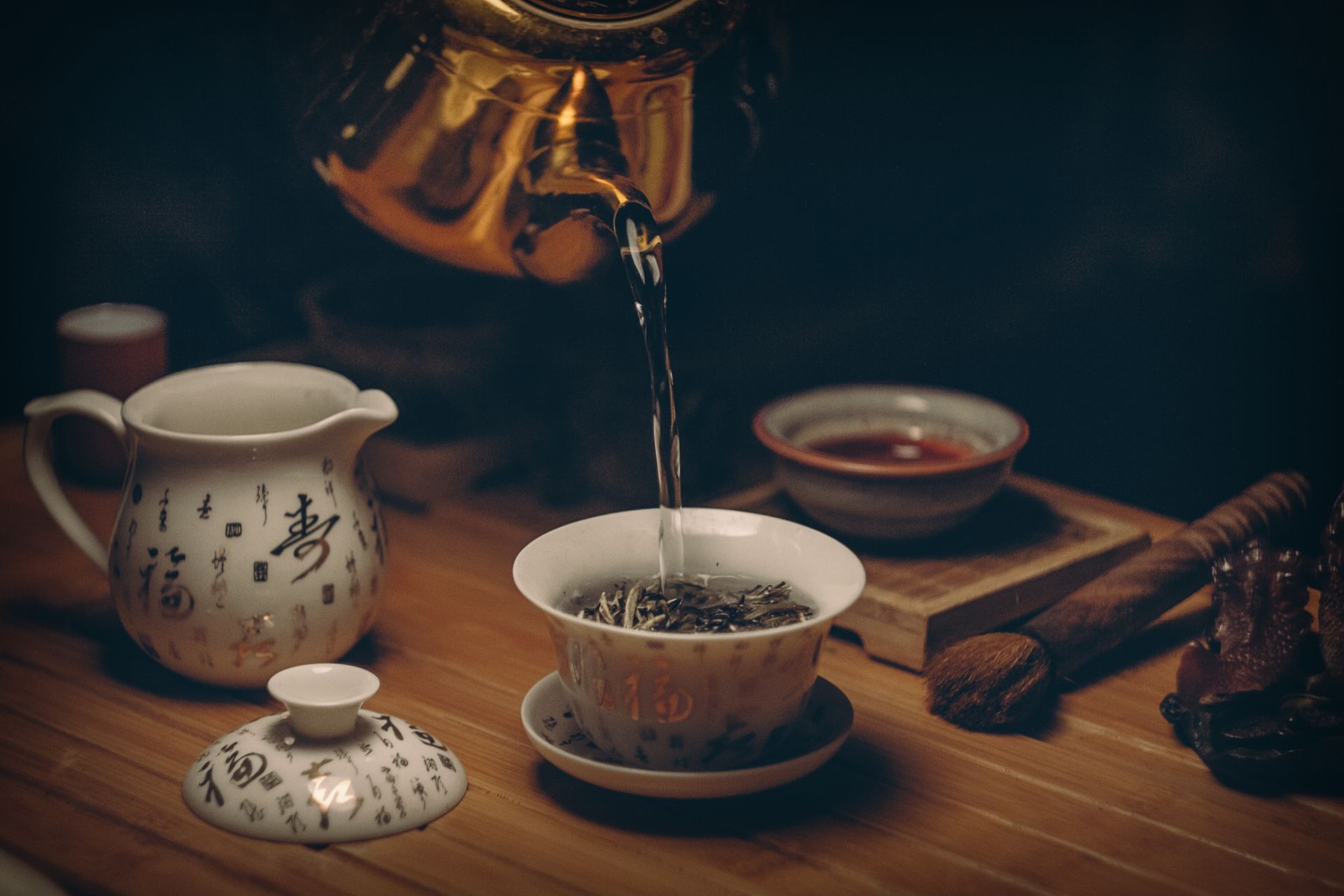
Brew time, milk and what that may mean for flavonoids
Brewed leaves are a food. Green tea extract pills are a concentrate. NCCIH notes that high-dose extracts have been linked to liver injury in some people, especially on an empty stomach. That is a reason to skip the capsule aisle, not the kettle.
If you have liver disease, iron-deficiency advice that limits the mug with meals, or a clinician’s caffeine cap, follow that plan. Drinking with meals can reduce iron absorption from plant foods. People treating anaemia are sometimes asked to drink between meals. That is personal care, not a general rule.
Children do not need a flavonoid target. Water and milk remain the main drinks. Adults with reflux may find a strong brew a trigger. Ease the steep rather than chasing a milligram number.
Seek urgent care for yellow skin, dark urine, or severe abdominal pain after a new supplement. Call 999 or 911 if you are very unwell. A mug is not an emergency. A high-dose extract plus those signs is a reason to stop the product and get help.
Write one shopping swap from this section onto your list before you forget—specific brands matter less than repeating the behaviour next week.
Timing drinks around work and sleep
For tea flavonoids, place a clear bottle on the desk and finish it once by early afternoon, then refill once before evening. Sip with meals. Ease large volumes in the last hour before bed if night-time urination disturbs sleep. Tea and coffee count for most healthy adults; watch caffeine late in the day.
Worked examples that make sense of tea flavonoids
Start from the article’s own emphasis on tea flavonoids. Translate it into one breakfast, one lunch and one dinner you could eat this week without speciality shops. If a tip only works with unlimited time or expensive powders, rewrite it until it fits a normal weekday.
Key ideas already flagged in this piece include: Tea flavonoids in a mug vary with leaf type, bag weight and brew time. USDA values are lab means, not your kettle. A 200 ml mug of black tea lists about 236 mg of the USDA flavonoid set, including thearubigins, when you double the per-100 ml table. NHS: unsweetened tea counts as fluid. BHF: a 220 ml black tea has about 50 mg of caffeine; green tea about 35 mg.. Keep those ideas visible on a note on the fridge or in your phone groceries list.
UK and US readers may see different units on packs (kJ vs kcal, salt vs sodium, ml vs fl oz). Convert once for the products you buy often, then stop redoing arithmetic at every meal while you practise tea flavonoids.
Adjusting fluid for exercise and hot weather
Sessions under an hour in mild weather usually need water only. Longer sweaty training or hot days need more fluid and sometimes sodium from food or a sports drink—not necessarily a branded energy drink. Fever and gut losses may need oral rehydration guidance from NHS-style advice, especially for children and older adults.
How sugar, alcohol and caffeine fit into hydration advice
Juice, sugary iced coffees and soft drinks add fluid with free sugars—prefer water between meals. Alcohol is a poor rehydration tool. Fluid restrictions in heart or kidney disease override generic litre goals. Confusion, severe headache or inability to keep fluids down needs urgent care, not another herbal “detox” water.
Hydration cues during long meetings and travel
For tea flavonoids, place a clear bottle on the desk and finish it once by early afternoon, then refill once before evening. Sip with meals. Ease large volumes in the last hour before bed if night-time urination disturbs sleep. Tea and coffee count for most healthy adults; watch caffeine late in the day.
Rehydration after illness without forcing litres
Sessions under an hour in mild weather usually need water only. Longer sweaty training or hot days need more fluid and sometimes sodium from food or a sports drink—not necessarily a branded energy drink. Fever and gut losses may need oral rehydration guidance from NHS-style advice, especially for children and older adults.
Choosing café drinks that still count as sensible fluid
Juice, sugary iced coffees and soft drinks add fluid with free sugars—prefer water between meals. Alcohol is a poor rehydration tool. Fluid restrictions in heart or kidney disease override generic litre goals. Confusion, severe headache or inability to keep fluids down needs urgent care, not another herbal “detox” water.
Frequently asked questions
Do tea flavonoids survive milk in a builder’s mug?
How many cups of tea flavonoids do I need a day?
Is green tea better than black tea?
Should I take a green tea extract for the same compounds?
Does bottled iced tea count?
Sources
- 1. Database for the Flavonoid Content of Selected Foods, Release 3.3
- 2. Dose–response relation between tea consumption and cardiovascular risk
- 3. Water, drinks and hydration
- 4. Is caffeine bad for you? How much is too much?
- 5. Caffeine
- 6. Green tea
Guidance changes. Figures were checked against the sources above at the time of review; always confirm current advice with your GP, pharmacist or clinician.
Image credits
- Photo: Photo by cottonbro studio on Pexels / Openverse
- Photo: Photo by Engin Akyurt on Pexels / Openverse
- Photo: Photo by Pixabay on Pexels / Openverse
Was this useful?
Anyone can react — no account needed.



Discussion
0 comments · Name and email only · Email is never shown