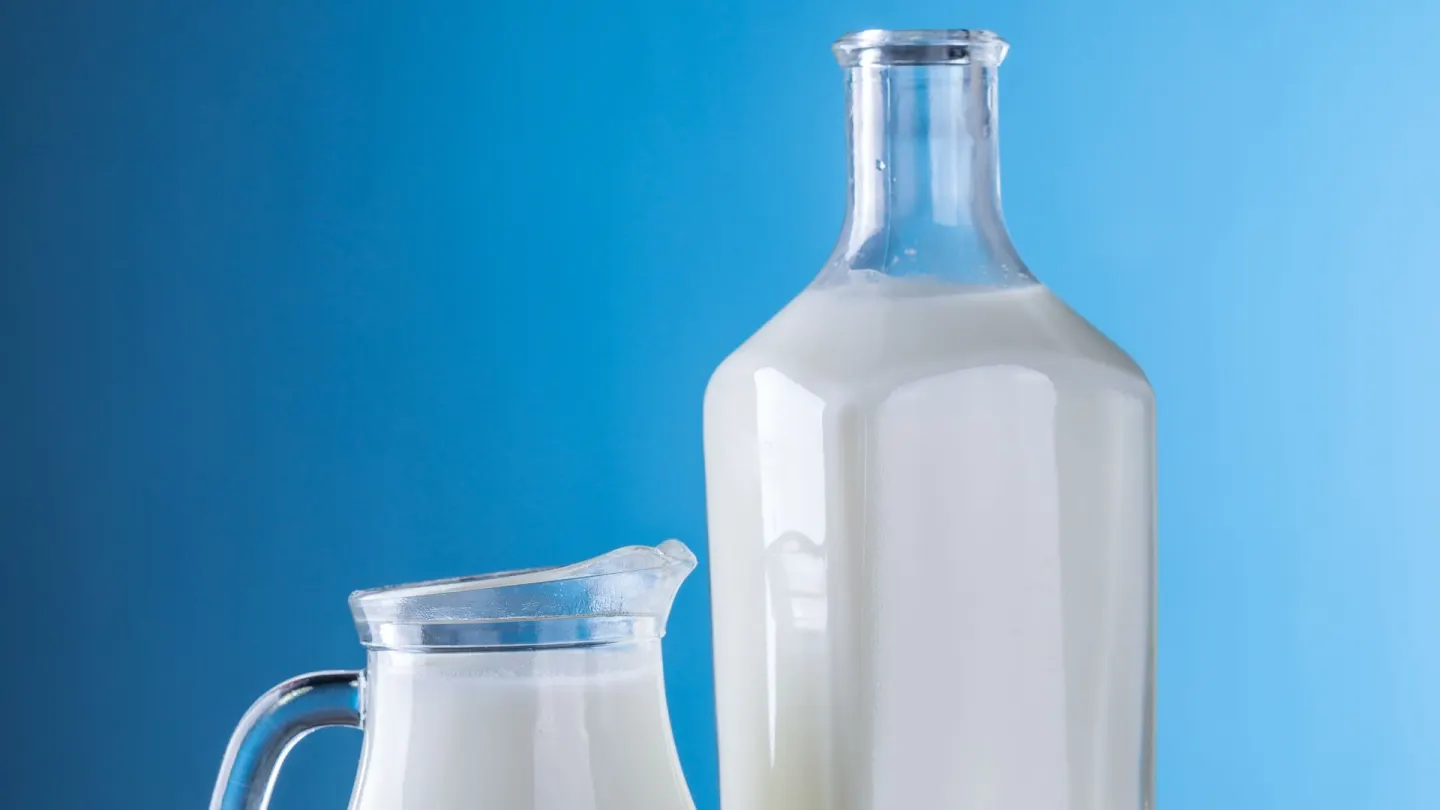
Iodine intake is a thyroid mineral job. In the UK it often arrives with dairy. In the US, iodised salt can add a share. Plant-based swaps need a label check.
Iodine helps the body make thyroid hormones. NHS adults need 140 micrograms a day. NIH Office of Dietary Supplements sets the US adult target at 150 micrograms. Most people can get that from food. The gap appears when dairy, fish and eggs drop out and salt is not iodised.
This guide uses NHS, NIH ODS, MedlinePlus and GOV.UK figures. It does not tell you to eat more salt. It does not replace thyroid blood tests. It maps a mug of milk, an egg, a fish portion and a vegan carton onto ordinary plates.
What iodine intake is for, in UK and US numbers
Thyroid hormones need iodine. Too little can enlarge the gland and affect energy, but many other conditions share those symptoms. Do not self-diagnose from a tired week. Blood tests belong with a clinician.
US pregnancy RDA is 220 micrograms, and 290 when breastfeeding. WHO suggests 250 micrograms in pregnancy. UK dietary reference values do not add an extra iodine increment for pregnancy. GOV.UK notes that point from SACN. Pregnant people should still follow NHS pregnancy advice and their midwife, not a salt shaker.
Median urine iodine is how researchers judge a population. It is not a home kit. If you have a thyroid condition, previous radio-iodine treatment, or take amiodarone, your rules are personal. This article is for general food planning.
Portions stay ordinary. A mug of milk is a drink and a mineral source. It is not a licence to skip other food. Kitchen cues in the portion-size guide still apply to dairy, fish and eggs.
Dairy, fish, eggs and the plant-based gap
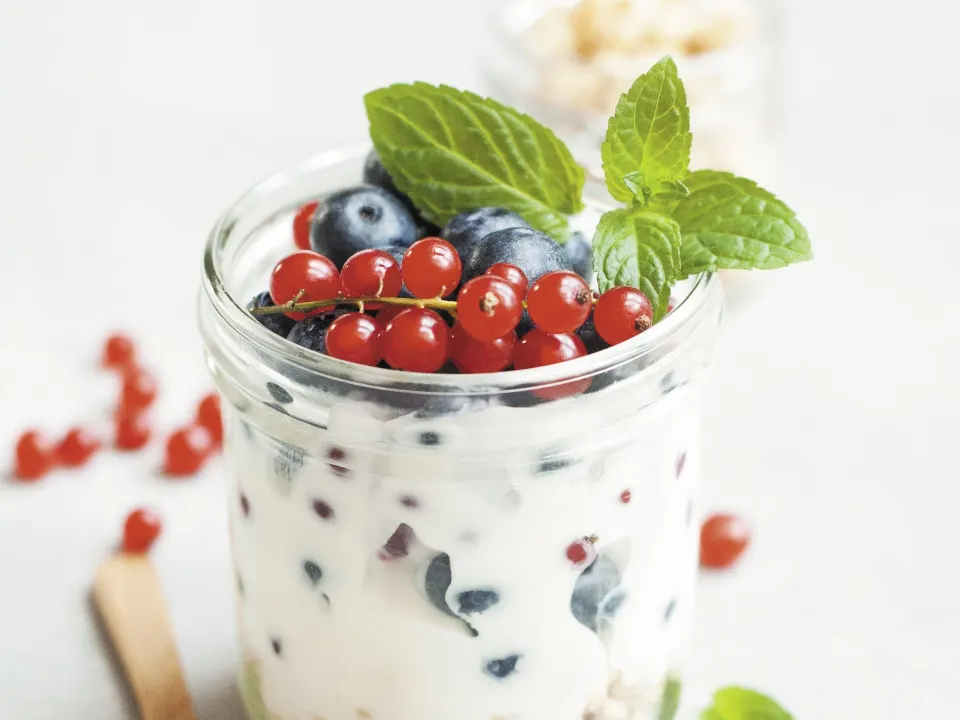
NHS lists cows’ milk, other dairy, eggs, sea fish and shellfish as good sources. NIH ODS tables put numbers on US servings. A cup of nonfat milk is about 84 micrograms. Three-quarters of a cup of plain nonfat Greek yoghurt is about 87. One large hard-boiled egg is about 31. Baked cod, 3 ounces, is about 146.
Those figures vary with season and animal feed. UK milk iodine is often higher in winter. Treat the table as a planning range. Cheese contributes less per small serving. Plant drinks are not automatic twins. ODS notes that many soy drinks are low unless fortified. NHS says some oat or soya cartons now add iodine. Check the ingredients, not the front.
A Mediterranean-style plate can include fish and yoghurt. It is not complete if both are rare. See the Mediterranean diet evidence guide for the wider pattern, then add an iodine source you will actually eat.
Salt, labels and why more sodium is the wrong fix
Vegans who skip fish, eggs and dairy need a written plan. Fortified plant milk, or a modest supplement, is the NHS suggestion. Kelp tablets are a poor first choice because the dose can swing high. Speak to a clinician or dietitian before you add a pill.
US pregnancy RDA is higher than the adult number. Prenatal vitamins may or may not include iodine. ODS notes that only some products contain it. If you are pregnant or planning pregnancy, ask a midwife, GP or obstetric clinician. Do not add kelp on a forum tip.
| Food or target | Amount | Iodine (micrograms) |
|---|---|---|
| UK adult daily need | Food across the day (NHS) | 140 |
| US adult RDA | Food across the day (ODS) | 150 |
| Milk, nonfat | 1 cup / about 240 ml (ODS) | 84 |
| Greek yoghurt, plain, nonfat | 3/4 cup (ODS) | 87 |
| Cod, baked | 3 ounces / about 85 g (ODS) | 146 |
| Egg, hard-boiled | 1 large (ODS) | 31 |
| Iodised table salt | 1/4 teaspoon (ODS) | 78 |
| Non-iodised sea salt | 1/4 teaspoon (ODS) | 0 |
Supplements, seaweed and when to get medical advice
Many countries add iodine to table salt. WHO still backs that as a population tool. The US programme is voluntary, but iodised salt is easy to find. ODS says a quarter teaspoon provides about 78 micrograms. Most US processed food still uses non-iodised salt. So the shaker at home is the usual US top-up, not the pizza.
UK table salt is often not iodised. GOV.UK cites research that iodised salt is uncommon in shops and would add little if people follow salt-reduction advice. Do not start using extra salt to chase iodine. NHS salt guidance remains 6 g a day for most adults. Heart risk does not take a holiday for a mineral.
Himalayan, kosher and “sea salt” flakes usually have little iodine unless the pack says iodised. Read the ingredients. Our food label guide shows where that line sits. Iodine is not always on the nutrition panel unless it has been added.
Ultra-processed snacks can be salty without being iodised. That is a poor bargain. The ultra-processed foods guide helps you see the pattern. Choose milk, yoghurt, eggs or fish first.
Plant milks and the iodine gap
NHS says you should get iodine from a varied diet if you can. If you use a supplement, do not take too much. Taking 0.5 mg (500 micrograms) or less a day from supplements is unlikely to cause harm for most people, according to NHS wording. More is not better. High doses can disturb the thyroid.
The US tolerable upper intake level for adults is 1,100 micrograms a day from all sources. Seaweed portions can blow past that. Kelp is the classic example. Nori is usually more modest. Do not graze on kelp snacks as a daily mineral strategy.
Prenatal vitamins in the US often, but not always, include 150 micrograms of iodine. ODS notes that only some products contain it. Ask a midwife or GP rather than adding kelp.
Seek care for a new neck swelling, unexplained weight change with cold or heat intolerance, or if you are already on thyroid medicine and want to add iodine. Emergency symptoms such as collapse need 999 or 911. Food tables cannot interpret your blood tests.
Write one shopping swap from this section onto your list before you forget—specific brands matter less than repeating the behaviour next week.
Food-first portions before you consider a supplement
List the ordinary foods that supply iodine intake before buying pills: dairy or fortified alternatives for calcium; meat, beans and vitamin C–paired plants for iron; fish, eggs or fortified foods for B12 and iodine depending on the nutrient; colourful plants for folate; nuts and seeds for magnesium and zinc.
Build one “anchor” meal daily that includes a strong source, then fill gaps across the week rather than micromanaging every bite.
Worked examples that make sense of iodine intake
Start from the article’s own emphasis on iodine intake. Translate it into one breakfast, one lunch and one dinner you could eat this week without speciality shops. If a tip only works with unlimited time or expensive powders, rewrite it until it fits a normal weekday.
Key ideas already flagged in this piece include: UK iodine intake advice for adults is 140 micrograms a day. The US adult RDA is 150 micrograms. Good food sources are cows’ milk, yoghurt, eggs, white fish and shellfish. Plant levels depend on soil. US iodised table salt provides about 78 micrograms in a quarter teaspoon. UK table salt is often not iodised.. Keep those ideas visible on a note on the fridge or in your phone groceries list.
UK and US readers may see different units on packs (kJ vs kcal, salt vs sodium, ml vs fl oz). Convert once for the products you buy often, then stop redoing arithmetic at every meal while you practise iodine intake.
When a supplement is—and is not—justified
Supplements for iodine intake make more sense when intake is reliably low (for example vitamin D in winter UK guidance, or B12 on vegan diets) or when a clinician documents deficiency. Multivitamins are not a shortcut past fruit, vegetables and protein foods. More than 100% of a daily value is not automatically better.
Interactions, upper limits and testing
Check upper limits, medicine interactions and pregnancy rules on the label and with a pharmacist. Excess fat-soluble vitamins and high-dose minerals can harm. Home testing kits vary in quality—interpret results with a professional when decisions about iodine intake hinge on a number.
Comparing two similar products in under a minute
List the ordinary foods that supply iodine intake before buying pills: dairy or fortified alternatives for calcium; meat, beans and vitamin C–paired plants for iron; fish, eggs or fortified foods for B12 and iodine depending on the nutrient; colourful plants for folate; nuts and seeds for magnesium and zinc.
Build one “anchor” meal daily that includes a strong source, then fill gaps across the week rather than micromanaging every bite.
Reading %NRV and %DV without doubling doses
Supplements for iodine intake make more sense when intake is reliably low (for example vitamin D in winter UK guidance, or B12 on vegan diets) or when a clinician documents deficiency. Multivitamins are not a shortcut past fruit, vegetables and protein foods. More than 100% of a daily value is not automatically better.
Frequently asked questions
Is UK iodine intake too low without iodised salt?
Does plant milk cover iodine intake?
Should I switch to iodised salt in the UK?
Is seaweed a safe daily iodine food?
Do I need an iodine tablet if I eat dairy and fish?
Sources
- 1. Vitamins and minerals: iodine
- 2. Iodine: fact sheet for health professionals
- 3. Iodine: fact sheet for consumers
- 4. Iodine in diet
- 5. Statement on excess iodine in preconception, pregnancy and lactation
- 6. Salt: the facts
- 7. Iodine deficiency
Guidance changes. Figures were checked against the sources above at the time of review; always confirm current advice with your GP, pharmacist or clinician.
Image credits
- Photo: Photo by Pixabay on Pexels / Openverse
- Photo: Photo by Daria Shevtsova on Pexels / Openverse
Was this useful?
Anyone can react — no account needed.




Discussion
0 comments · Name and email only · Email is never shown