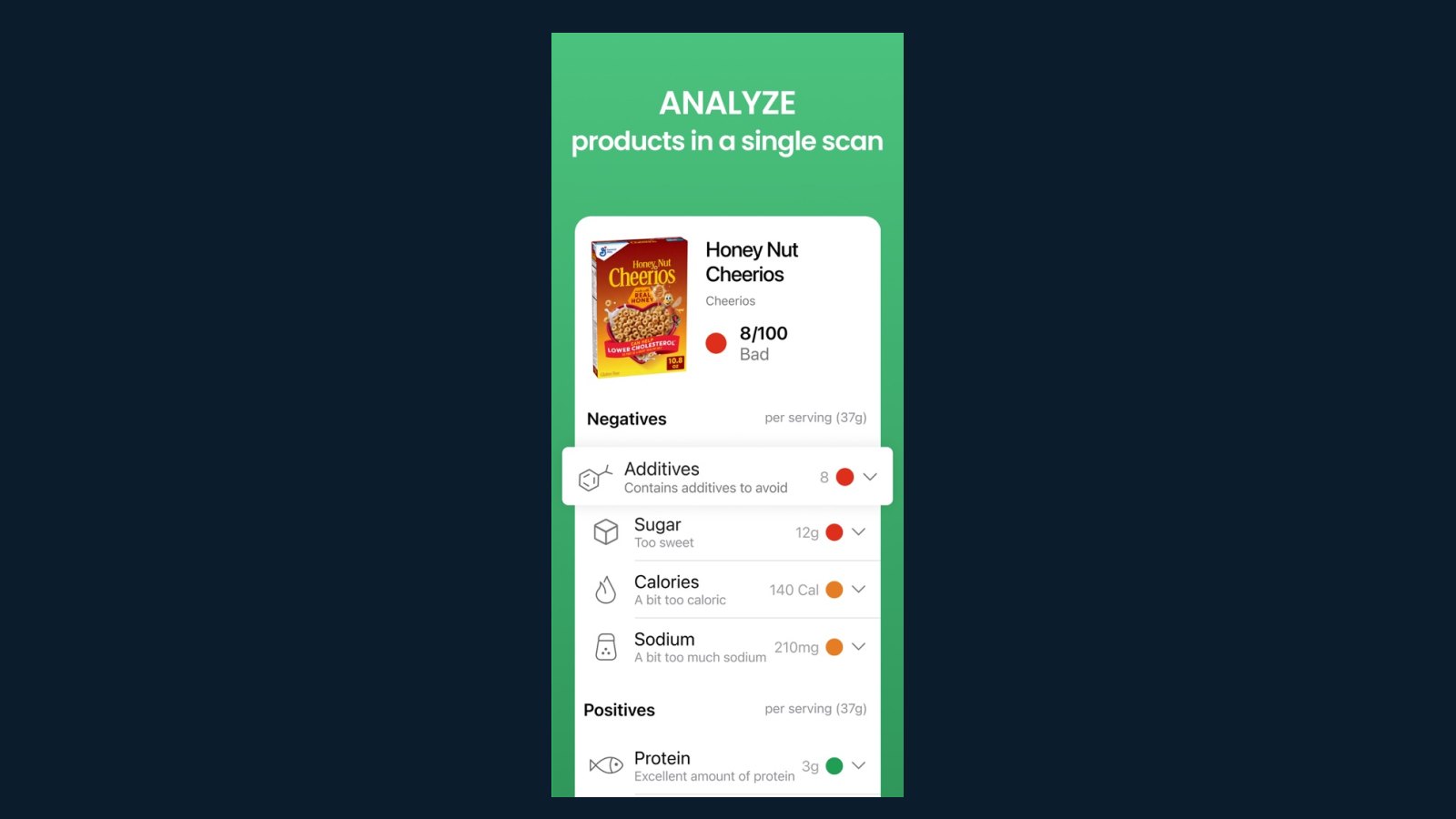
This Yuka review is for shoppers who want a barcode grade, not a calorie diary. The method is public. The limits are public too. This is a source-reviewed guide, not a hands-on lab test.
Who this Yuka review is for
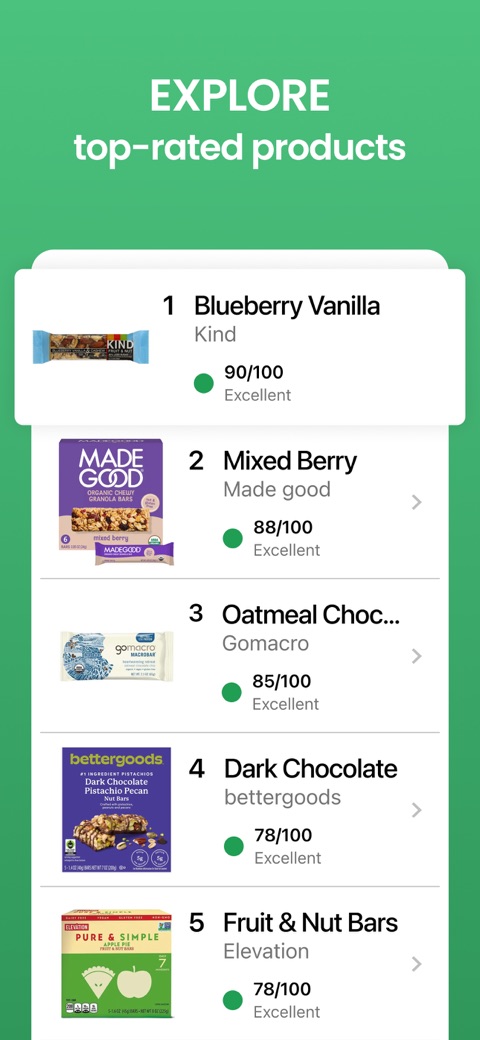
Stay if you shop packaged food or cosmetics and you want a fast colour. The US listing, captured 13 September 2026, said the database holds about 4 million food products and 2 million cosmetics. Free scanning is the core. Premium, per help pages and user notes, adds product-name search, offline use and preference alerts such as gluten or lactose.
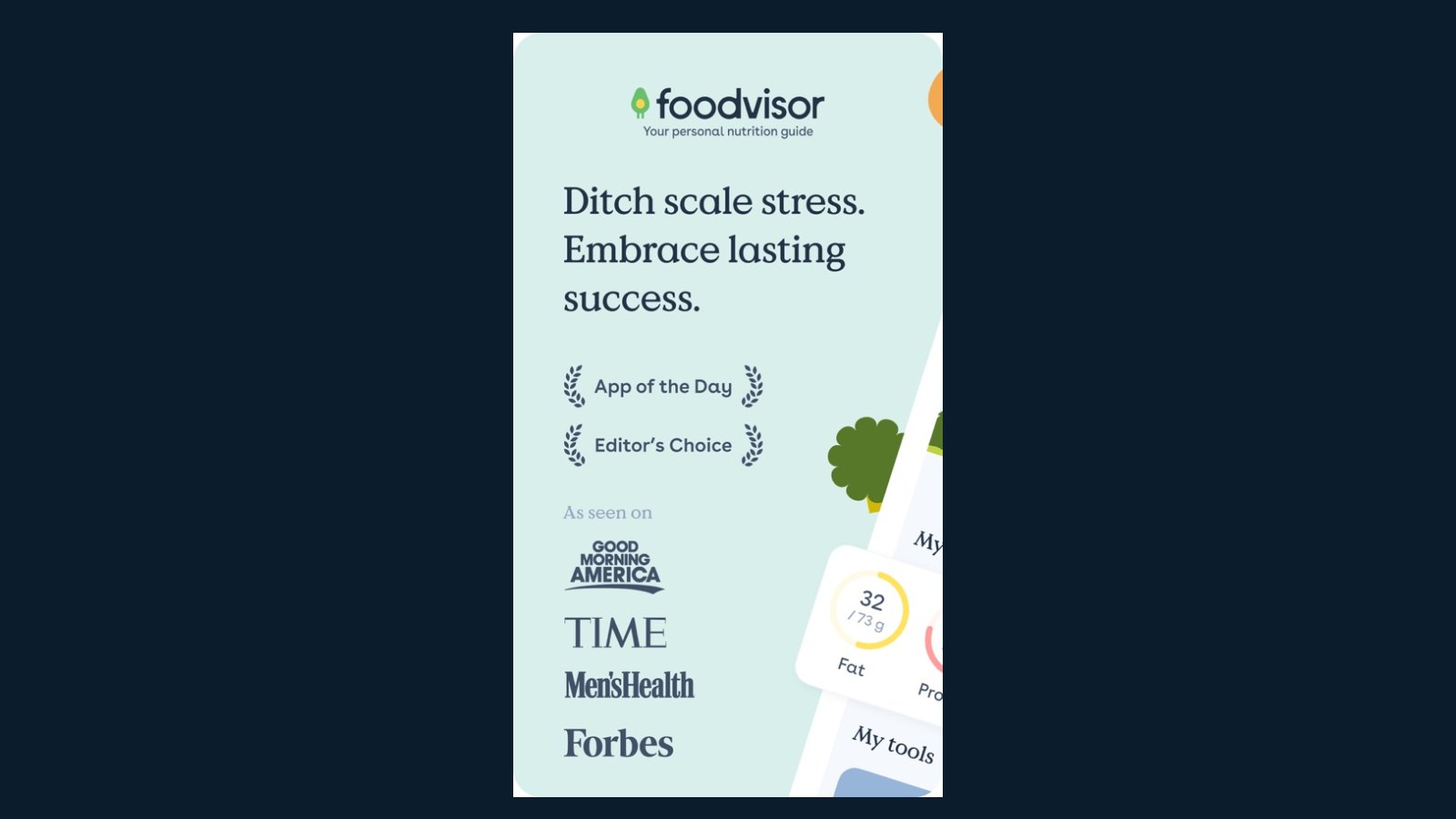
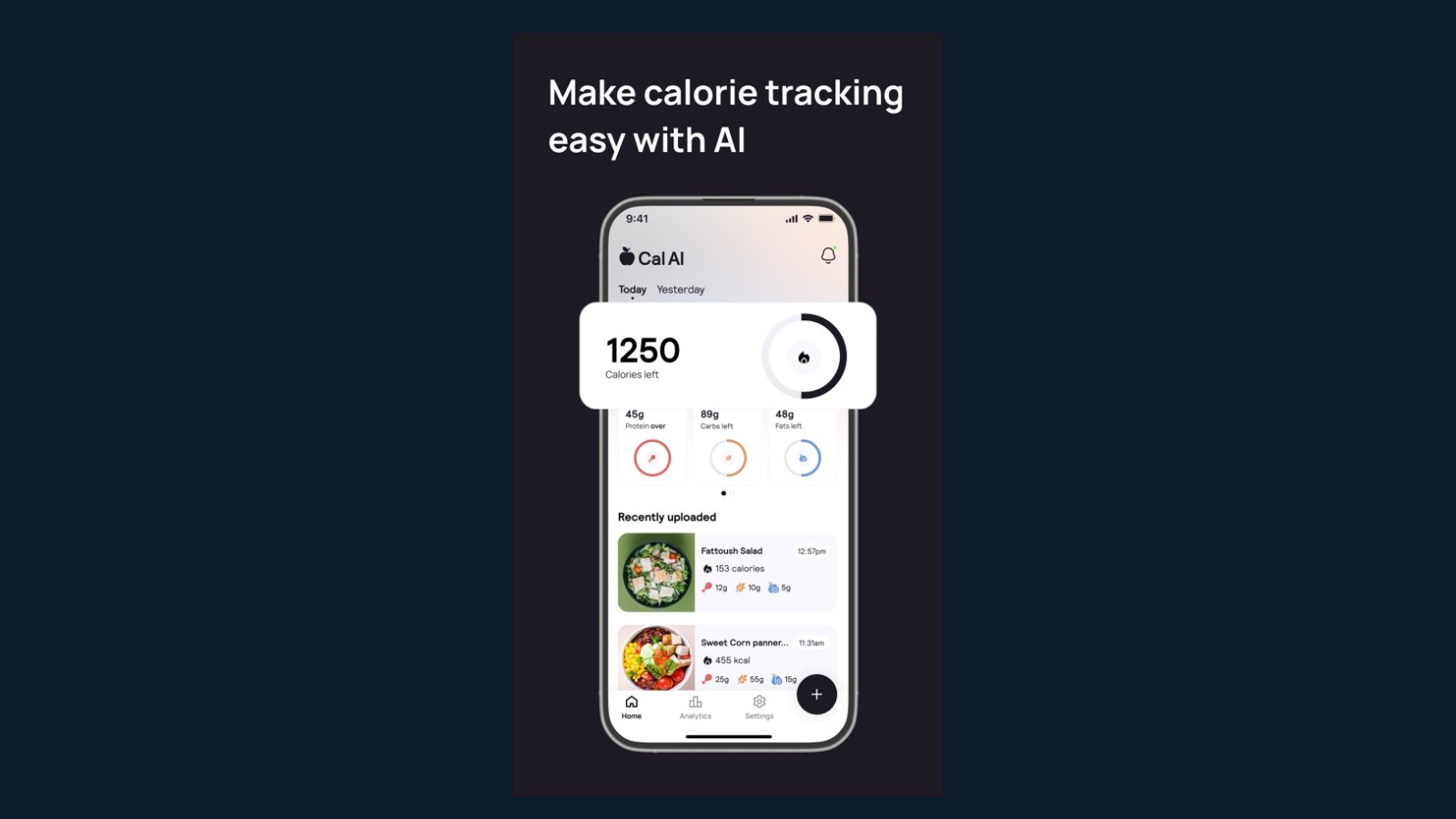
Skip it if you need a meal plan. That job sits in best meal planning apps and tools such as Mealime. Skip it if you want a photo calorie log — see Foodvisor or Cal AI. Skip it if a Nutri-Score-based grade will make you drop nuts, cheese or oil without reading the method.
Ivy is the processing-first sibling on this desk. Use the Ivy review if seed-oil flags matter more than Nutri-Score.
| Field | What the source showed |
|---|---|
| Current version + last update | iOS 5.3, notes dated 13 August 2026 (“New Liquid Glass design”). Play update 11 September 2026. |
| Platforms | iPhone, iPad, iPod (iOS/iPadOS 15.5+), Apple Vision; Android. Seller Yuca SAS, Paris. |
| UK / US price | Help: Premium from $10 (US), £10 (UK), €10 (Europe), $25 CAD, $20 AUD, annual. US IAP: Premium Member $10, $15, $20. Features are the same at each tile, per Yuka help. |
| Free / trial / subscription | Free download and free barcode scan, no in-app ads on the store copy. Premium is an optional annual membership. No trial length was printed on the pages we opened. |
| App Store rating + count | US 4.8 from 99K. Editors’ Choice note on the US page. |
| Google Play rating + reviews + installs | 4.7 from about 187K reviews. Install band not shown on the page we opened. Store copy claimed 80 million users on Play and 85 million on Apple; those are brand figures, not merged. |
| Age / content rating | Apple 4+. Play: Everyone. |
| Privacy / Data Safety | Apple: data linked — usage and diagnostics; data not linked — diagnostics. No “track you” block on the fetch we captured. Play: no data shared with third parties; may collect location, personal info and other types; encrypted in transit; deletion can be requested. |
| Sentiment source + n + date | Store figures above, 13 September 2026. Featured reviews praise aisle speed. One 2025 review noted Premium gates some preference alerts and that user reports still correct the database. |
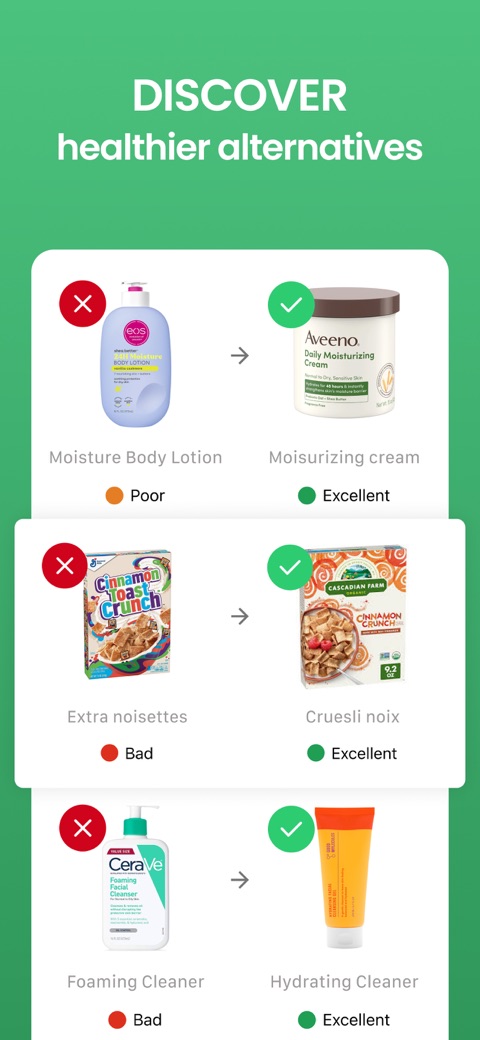
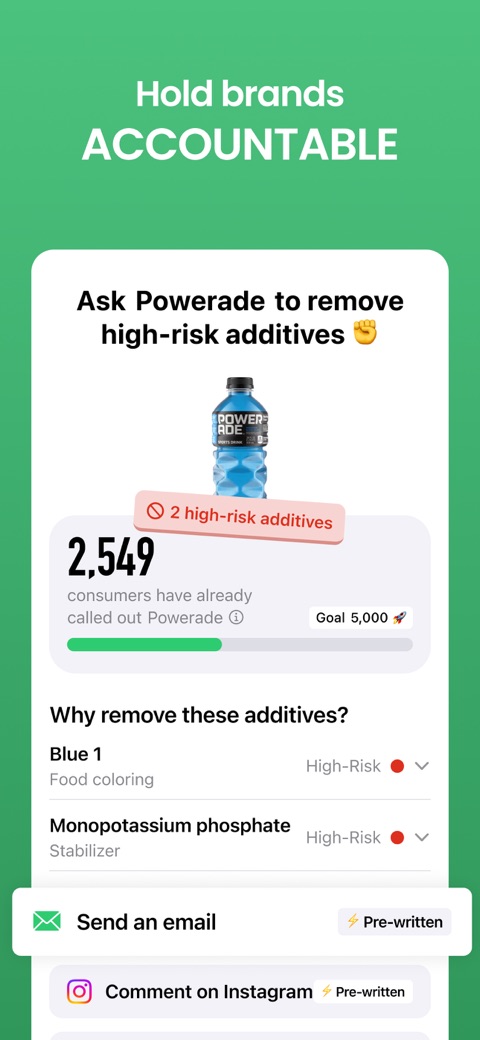
| Core features | Barcode scan; colour grade; additive and cosmetic-ingredient notes; alternatives when a grade is poor; favourites; optional Premium search and alerts. Brand Call-Out tools appear in older version notes. |
| Validation | Method is documented by Yuka. Nutri-Score has a research literature. Yuka’s additive risk dots and organic bonus are the company’s rules. No RCT of “Yuka users lose X kg” is cited here. |
Yuka price and a 12-month bill
This is the simplest year cost on this desk if you want Premium. Help text updated in the months before our 13 September 2026 capture said the annual plan starts at $10 in the US and £10 in the UK. The US store showed three Premium Member tiles. A second help article said the features are identical; the extra tiles are a sliding scale for people who want to pay more.
If you pick $10, 12-month cost is $10. If you pick $20, it is $20. The free scan remains if you pay nothing. That is a different commercial model from Cal AI’s unlabeled Unlimited list.
Cancel in Apple or Google subscriptions if you used the store. Family Sharing is listed as available for some IAP.
How the food score is built
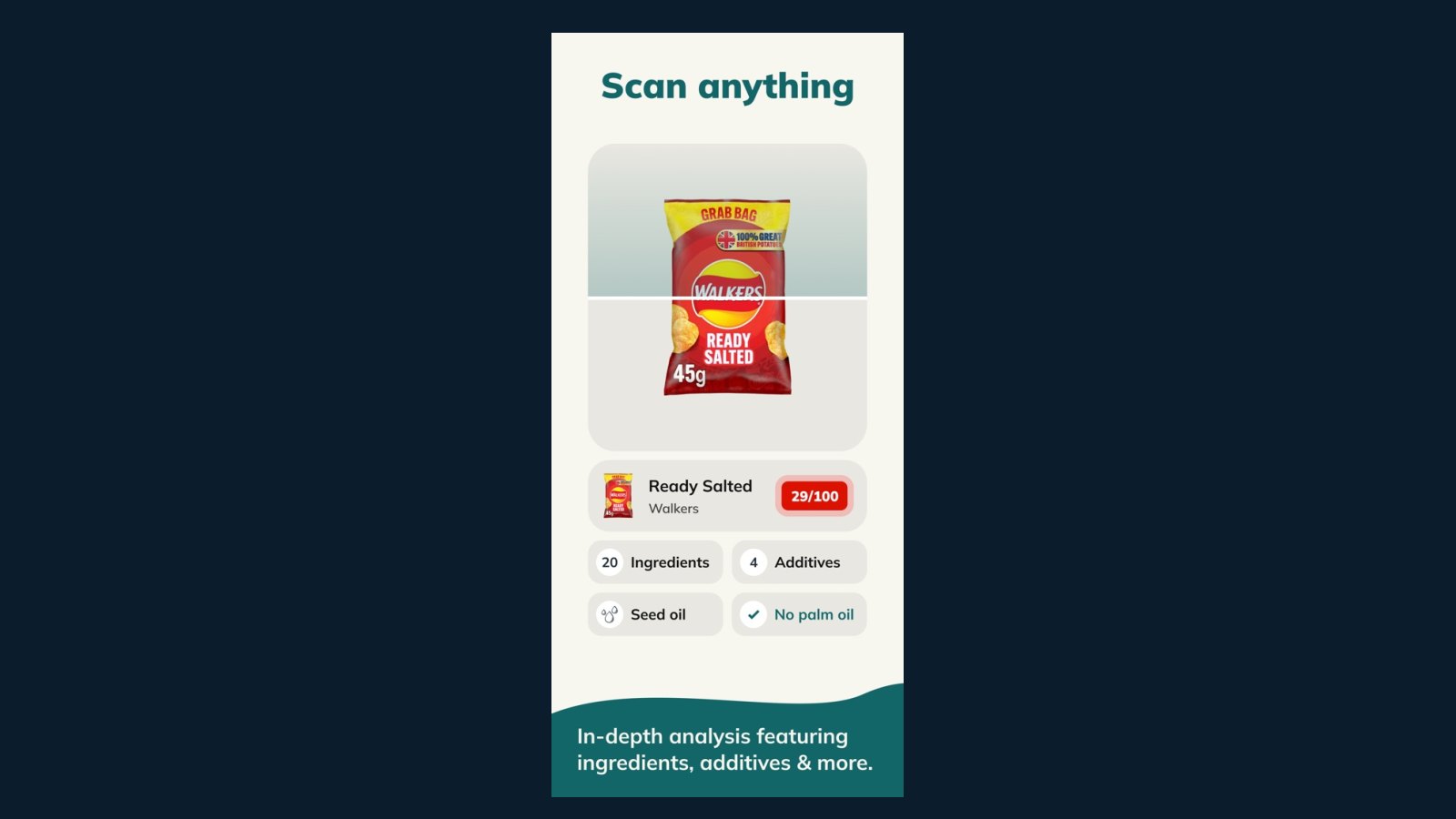
Yuka’s help page, captured 13 September 2026, splits food into three parts.
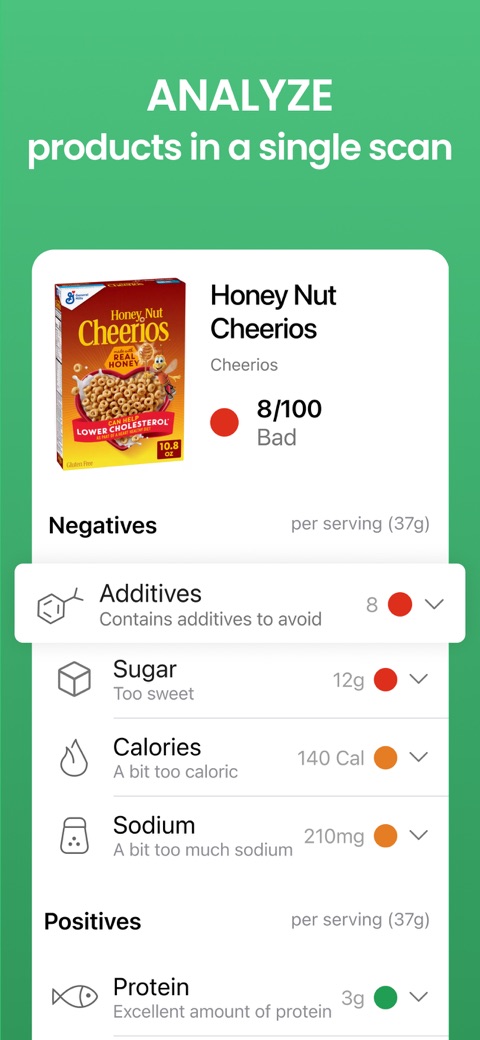
Nutritional quality is 60%. The calculation follows Nutri-Score: energy, sugar, sodium, saturated fat, protein, fibre and fruit or vegetable content, usually per 100 g. Yuka maps the letter grade onto a 0–100 style score and says it adjusts thresholds so a D or E cannot land above 49 for that nutrition slice.
Additives are 30%. Each additive gets a green, yellow, orange or red risk dot. Help text on the additive method assigns 0, −6, −15 or −30 points. If Yuka marks an additive “high-risk” (red), the whole product is capped at 49/100, even when the nutrition slice is strong.
Organic status is 10%, as a bonus for an official organic label. That is a values choice. It is not proof that the organic item has more protein or less salt.
A related help page said that, during a transition, Yuka still uses the original Nutri-Score algorithm, not the latest scientific-committee update. That matters. Later Nutri-Score revisions tried to treat oils, nuts and some other foods more fairly. If Yuka has not switched, those packets may still look worse than the updated label would.
Cosmetics, independence and ads
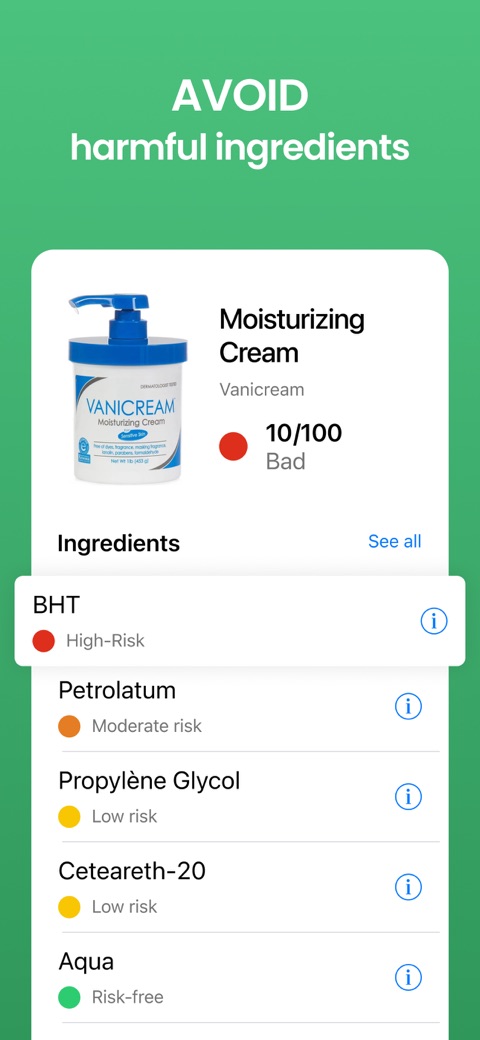
Cosmetic scores, per Yuka, look at every listed ingredient and assign a risk level. The terms say the app does not judge how well a cream works and does not use the dose on the pack. Presence drives the colour.
1 of 5
Download Yuka - Food & Cosmetic Scanner on the App Store · Get Yuka - Food & Cosmetic Scanner on Google Play
Store copy repeats that Yuka is “100% independent,” with no brand influence and no in-app ads. Funding, the listing says, is explained on yuka.io. Premium membership is the commercial path we can see on the store. We did not audit the company’s books.
EU and UK terms, fetched 13 September 2026, say the score “constitutes an opinion” and that the publisher “does not claim to have any scientific authority” on every risk. That sentence should sit next to the red dots.
What independent voices actually argue
Dietitians who have written about Yuka usually accept the Nutri-Score core and then object to the extras. The additive cap can collapse a product for one listed additive, even when the amount is tiny. Labels rarely print that amount. Yuka’s own additive help page admits manufacturers are not required to disclose exact additive doses, then still applies a presence penalty.
Nutri-Score itself has construct limits. A 2026 analysis in the Journal of Medicine, Law & Public Health discussed the per-100 g unit: olive oil and other energy-dense foods can look poor because a 100 g slab is not how people eat them. The 2023 algorithm revision tried to soften some of those cases. Yuka’s help page said it had not yet moved to that update at the time of writing.
IARC support for Nutri-Score, which Yuka quotes, is about a front-of-pack system as a category. It is not an endorsement of Yuka’s 10% organic bonus or of every red additive.
We did not run a store audit of false grades. User reviews describe both helpful catches and database misses that users then report. That is a volunteer correction loop, not a lab.
Privacy compared with photo logs
On the pages we opened, Yuka’s Apple label was lighter than Cal AI’s. We saw linked usage and diagnostics, and no tracking block. Play declared no third-party sharing, while still collecting location, personal info and other types. That is a better-looking box than many food cameras. It is still a developer form.
Preference alerts (for example gluten) sit behind Premium, and Yuka’s own reply to a 2025 review said the alert cannot factor trace allergen amounts. If you have coeliac disease, a label and a clinician still beat a paid toggle.
For everyday protein context while you shop, use food, not a colour. Our protein intake everyday guide stays on portions.
Who should skip Yuka
Skip it if a red cap will make you afraid of one additive in a food you eat twice a year. Skip it if you need a planner or a calorie log. Skip it if you want the latest Nutri-Score revision and Yuka still says it is on the old one.
Keep it if you want a cheap, ad-free barcode explainer and you will read the three-part recipe. Pay $10 or £10 only if search or offline mode is worth that year. The scan itself stays free on the copy we captured.
Medical note. This article is general information, not personal medical advice. A colour score is not a diagnosis, an allergy test or a recall. People with allergies, coeliac disease or disordered eating should use clinical advice and the printed label. Seek urgent care for severe reactions. Talk with a qualified professional before you overhaul your diet because an app turned amber.
Frequently asked questions
Is Yuka free?
How much is Yuka Premium?
Does a low Yuka score mean a food is unsafe?
Can Yuka replace reading a label for allergies?
Is Yuka a meal planner?
Sources
- 1. Yuka - Food & Cosmetic Scanner
- 2. Yuka - Food & Cosmetic Scanner
- 3. How much does membership cost?
- 4. How are food products rated?
- 5. What is the Nutri-Score?
- 6. Terms & Conditions (EU, UK)
- 7. The unit commensurability problem in the Nutri-Score algorithm
Guidance changes. Figures were checked against the sources above at the time of review; always confirm current advice with your GP, pharmacist or clinician.
Image credits
- Photo: Apple / App Store (App Store listing)
- Photo: Photo by Klaus Nielsen on Pexels / Openverse
- Photo: Photo by Jon Sullivan on Wikimedia Commons / Openverse
- Photo: Photo by Daniel Schwen on Wikimedia Commons / Openverse
Was this useful?
Anyone can react — no account needed.

Discussion
0 comments · Name and email only · Email is never shown