Ivy Review Is It Useful for Understanding Processed Foods?
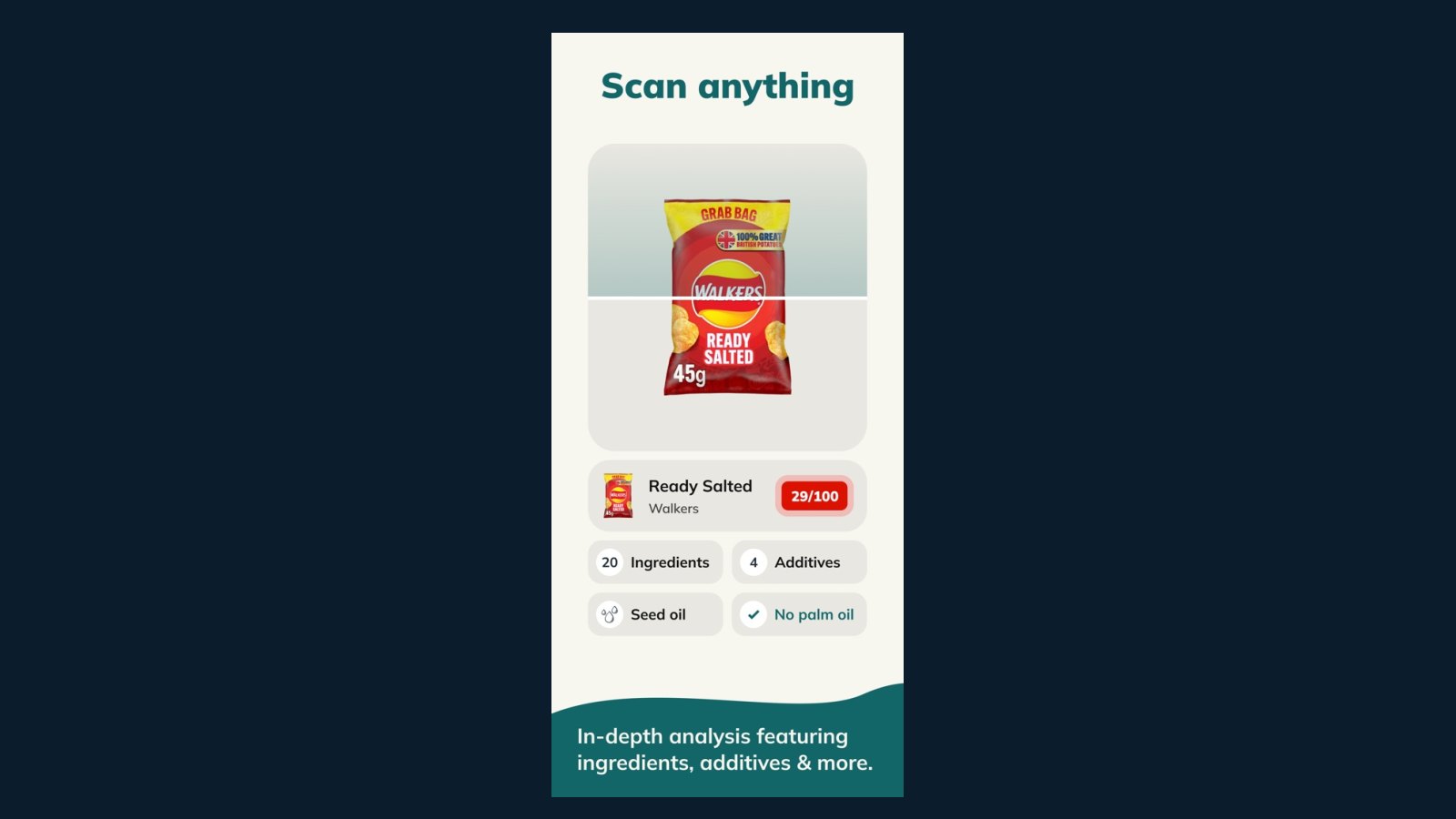
A source-reviewed Ivy Processed Food Scanner review of dated prices, store ratings, privacy labels and what its scores do not prove.
Topic
11 articles
A source-reviewed Ivy Processed Food Scanner review of dated prices, store ratings, privacy labels and what its scores do not prove.
A source-reviewed guide to recovery score interpretation: what wearable composites actually mix, what HRV papers measured, and when to trust how you f...
Food scoring apps accuracy is a design question, not a trophy. A single number can rank sugar and salt while hiding processing, portion and the rest o...
Journaling app privacy is not the same as a clinic file. Entries, mood tags and backups can sit outside HIPAA. Read labels, export paths and deletion...
A source-reviewed look at smart trainer power accuracy: peer-reviewed KICKR and Tacx papers, manufacturer ±1–2% claims, and why two devices disagree.
Walking app calorie accuracy is an estimate stacked on GPS or steps. Distance can look close. Energy figures often wander. Here is what validation stu...
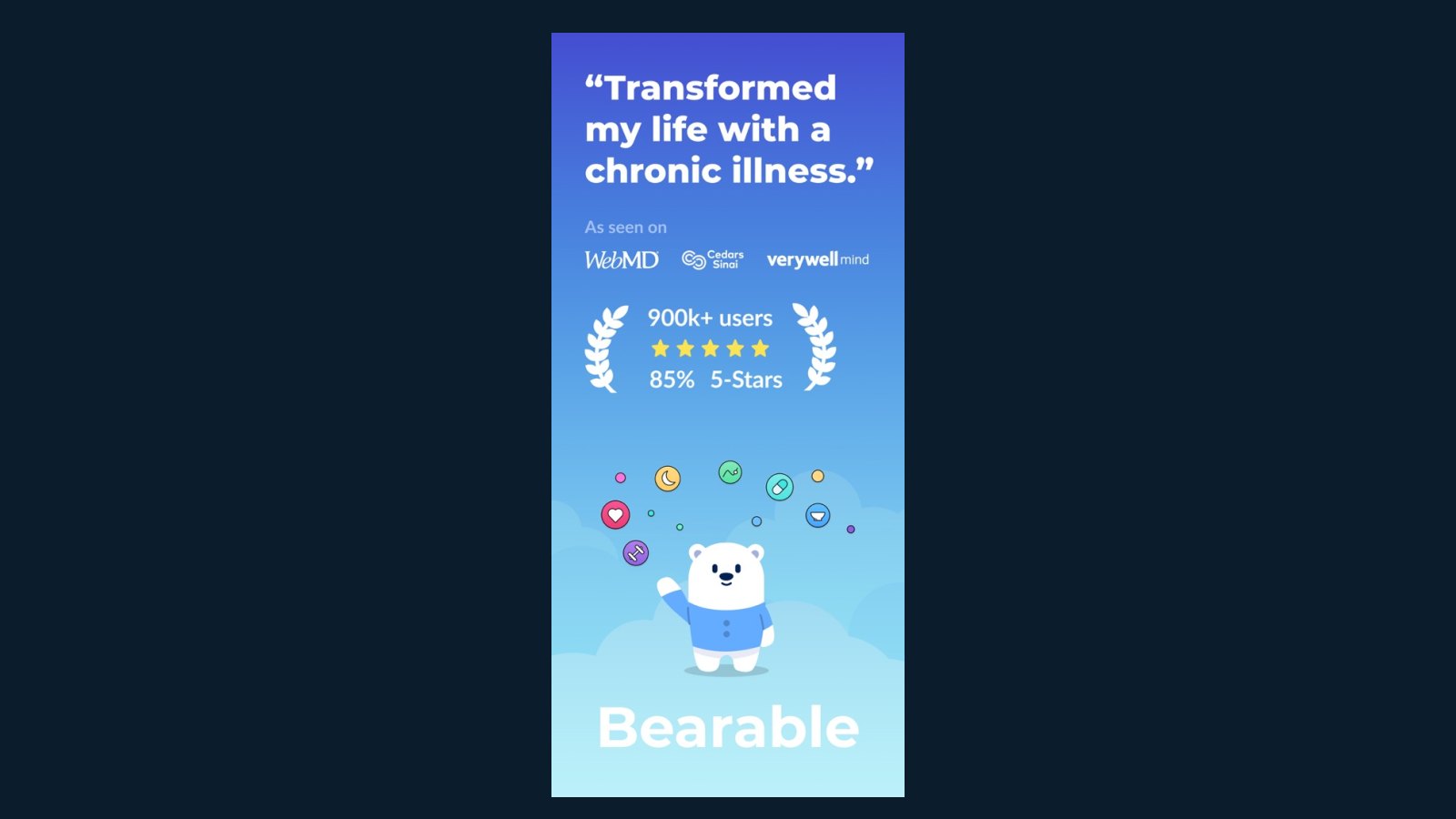
A source-reviewed Bearable review of dated store ratings, listed prices, privacy claims and what remains unverified. Not a hands-on lab test.
Mood tracking evidence is mixed. Logs can aid recall and therapy talk. Alone they rarely treat. For some people, checking can feed rumination.
iOS Screen Time vs Android Digital Wellbeing is a data-method split: what each OS counts, who can see it, and what Apple and Google say they do not co...
Sleep score differences are usually a clash of sensors and score recipes, not proof that one night failed. Here is what lab papers actually compare.
Processed food scanner evidence is thinner than the aisle confidence it sells. NOVA is useful and inconsistent. Additives are not a personal risk colo...