Sleep & Recovery Practical guide
Bedroom Temperature for Sleep: A Practical Range, Not a Perfect Number

There is no single perfect bedroom temperature for sleep. A cooler room often helps, but bedding, health and the night you actually have still matter more than one magic number on the thermostat.
Search results love a precise figure. Real bedrooms do not. CDC sleep pages ask for a quiet, relaxing room at a cool temperature. They do not sell one degree. The Sleep Foundation often points near 65°F (about 18°C), commonly 65 to 68°F. NIOSH sleep tips sit in a similar band and tell you to use covers. NHS insomnia advice is plainer: keep the room comfortable, dark and quiet.
A practical bedroom temperature for sleep range
Start near 16 to 20°C, which is about 60 to 68°F. That band covers the cooler figures people quote and still leaves room for a rented flat that will not go lower. If you wake chilly, add a layer. If you wake damp, remove one. The thermostat is one lever. Sheets, pyjamas and a fan are the others.
The Sleep Foundation’s dedicated page says many doctors like 65 to 68°F. It also says people differ by a few degrees. That is the useful part. A partner who runs hot and a partner who runs cold are not failing the science. They need different covers, not a nightly argument about 17.4°C.
CDC “About Sleep” pages keep the language modest: cool, not icy. Dark. Quiet. Regular bed and wake times. Adults still need enough hours. Our guide to how much sleep by age puts those hours in ordinary language. Temperature will not rescue a 4.5-hour night after a late caffeine hit.
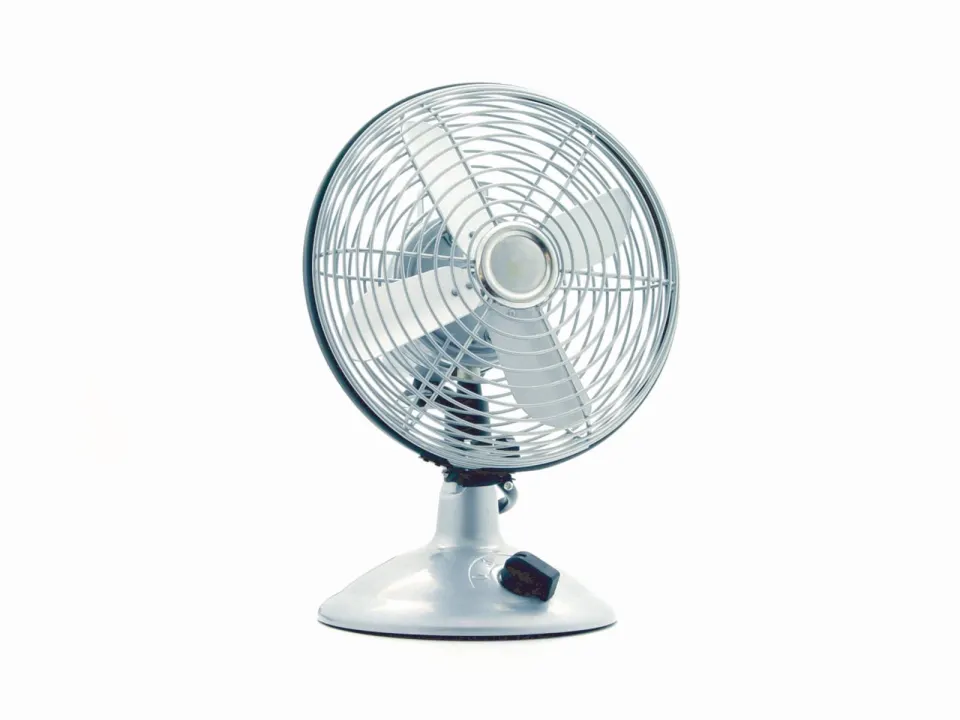
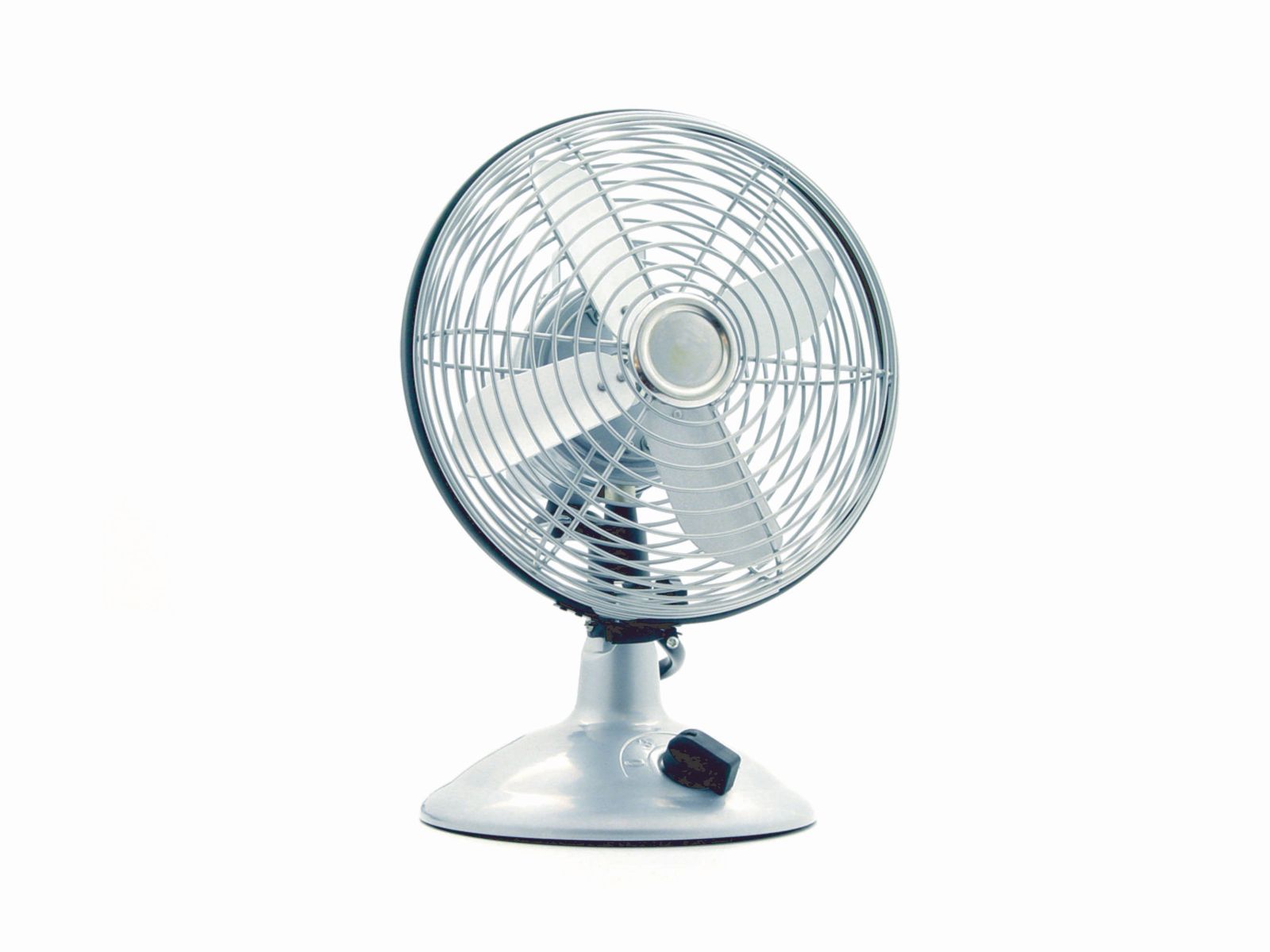
If you have no thermostat, you still have options. Close blinds by day in a heatwave. Open a safe window when the air outside is cooler. A fan moves heat off the skin. A hot-water bottle handles a cold snap. That is ordinary housing, not a medical device.
Why a cooler room often helps
Core temperature falls as you head toward sleep. A warm, still room fights that drift. You toss. You kick the duvet. The Sleep Foundation notes that a drop in body heat is part of the night, and a cooler room can work with that drift rather than against it.
Very hot rooms are the usual complaint. Sweat and a dry mouth after a stuffy night are miserable. They are a cue to cut heat, not to buy a “sleep optimiser”. A cold room can also wake you if you shiver. NIOSH’s note is simple: keep the space comfortably cool and use covers.
| Source | What it says | How to use it at home |
|---|---|---|
| Sleep Foundation | Often near 65°F (18.3°C); many clinicians cite 65 to 68°F | Start there, then move one degree at a time |
| NIOSH sleep tips | About 65 to 68°F for most people, with covers | Cool air plus a layer beats a naked, icy room |
| CDC About Sleep | Quiet, relaxing, cool room; no single number | Protect darkness and quiet as well as heat |
| NHS insomnia pages | Comfortable, dark, quiet bedroom | Fix caffeine, clock-watching and wind-down first |
What to change before you fight the thermostat
Heavy duvets in July are a setup fault. So is a winter sheet and no blanket in a 15°C room. Swap layers before you spend on a gadget. Cotton or linen next to the skin dumps heat faster than a thick fleece onesie. A mattress topper that sleeps hot can undo a perfect thermostat.
Airflow matters. A cheap fan aimed past the bed, not at your face all night, is enough for many people. Keep cables tidy. Do not perch a heater on a pile of clothes. NHS pages on carbon monoxide still apply if you use fuel-burning heaters. Electric fans do not fix a sealed, humid box on their own. Crack a window if it is safe and the street is not roaring.
A warm bath an hour or two before bed can help some people. The body then cools as you get out. Skip scalding water if you are pregnant, unwell, or unsteady.
Caffeine late in the day raises arousal even in a perfect cave. So does a bright phone in bed. Pair the cool room with the short list in our sleep hygiene that actually matters guide. Our caffeine and sleep timing piece is the next lever if 3 p.m. coffee still sits in your system at 11.
When heat or cold is a health signal
Night sweats that soak sheets, drenching heat with weight loss, or fever need a clinician, not a new duvet. Menopause can bring flushes that ignore the thermostat. Some antidepressants, steroids and diabetes medicines change night heat. Ask the prescriber before you stop a drug.
A room that is always too hot can also be housing: poor ventilation or a boiler that will not modulate. No sleep app will cool a sealed box.
If you cannot sleep even when the room feels fine, the next page is insomnia care, not a colder setting. NHS insomnia pages describe leaving bed if you are awake and frustrated. Our guide to nights when sleep will not come covers that rule without turning it into a drill.
How to test a range for a week
Pick one starting point, such as 18°C or 65°F. Keep bed and wake times similar. Change only bedding or the set point, not both on the same night. After three nights, move one step. Note whether you fell asleep faster, woke less, or just felt less clammy. Function at 11 a.m. beats a colour score on a watch.
Partners can split the difference with two duvets on one bed. Shift workers may need a darker, cooler room by day. Illness days are exempt. Do not copy adult “cave” advice onto a baby. Follow current safe-sleep rules in your country.
Stop if you shiver all night, if chest pain appears, or if a heater feels unsafe. Temperature is a comfort tool. It is not treatment for sleep apnoea or depression.
Wind-down timings that protect sleep opportunity
For bedroom temperature for sleep, treat the last 60–90 minutes before your intended lights-out as protected time, not leftover admin. Pick a fixed “screens dim / caffeine closed / bedroom prep” window and keep it even when bedtime shifts by half an hour. A practical UK/US pattern many people can hold is: caffeine cut-off 8–10 hours before lights-out for most adults (earlier if you are caffeine-sensitive), alcohol stopped well before bed because it fragments later sleep, and a wind-down that begins while you still have enough energy to follow it.
Work backwards from wake time, not from when you feel tired. If you need to be up at 06:30, and you usually need about seven and a half hours of opportunity in bed, lights-out near 23:00 means wind-down starting around 21:30–22:00. Put the start time in the same place you keep alarms. If a late meeting steals the window, keep a fifteen-minute compress: lights lower, phone on charge outside the bed, brief stretch or quiet reading, then bed — rather than skipping the whole routine.
| Anchor | Suggested timing | Why it helps |
|---|---|---|
| Last caffeinated drink | 8–10 hours before lights-out (trial earlier if sleep latency stays long) | Caffeine’s half-life varies; afternoon cups still matter for many people |
| Alcohol cut-off | Finish drinks with dinner or earlier; avoid “nightcap” framing | Alcohol can shorten sleep onset then increase awakenings later |
| Wind-down start | 60–90 minutes before lights-out | Gives the body clock and arousal system time to settle |
| Screens / bright overheads | Dim or switch to warmer, lower light in the final hour | Bright light late at night can delay melatonin timing for some people |
Caffeine cut-offs and bedroom setup that support this topic
Whatever your focus within bedroom temperature for sleep, caffeine timing and bedroom cues still matter. Choose a personal cut-off (many adults do well stopping by early afternoon) and test it for a fortnight. Keep the bed for sleep and intimacy where possible; move email, scrolling and work reviews to another chair. If you are awake for a long stretch in the night, leave the bed for a few quiet, dim minutes and return when sleepiness returns — a common behavioural sleep strategy discussed with clinicians for persistent insomnia patterns.
Snoring, gasping, witnessed pauses in breathing, or crushing daytime sleepiness — especially when driving — are reasons to seek medical assessment rather than only optimising pillows. Trackers can show trends in timing and consistency; they do not diagnose sleep apnoea or replace clinical sleep studies when those are indicated.
A two-week sleep trial you can actually run
Change one lever at a time so you can see what helped:
- Days 1–3: Fix wake time (±30 minutes) every day, including the weekend if you can.
- Days 4–7: Enforce your caffeine cut-off and start wind-down 60 minutes before bed.
- Days 8–14: Keep those anchors; only then adjust bedroom light, noise or late meals.
Score each morning with three blunt items (0–2): sleep latency, overnight awakenings, and daytime function. Look for a trend across the fortnight, not a perfect night. If function stays poor despite adequate opportunity, or mood/safety is affected, step into clinical care rather than stacking more gadgets.
UK readers can browse NHS sleep and insomnia advice as a starting point; US readers can use CDC or MedlinePlus sleep pages, then confirm details with a clinician if symptoms persist. This is general education — it cannot examine you, review medicines that affect sleep, or promise a cure for insomnia, apnoea or shift-work disorder.
Medical note. This article is general information, not a diagnosis or a personal treatment plan. It does not replace advice from a GP, pharmacist, registered dietitian, physiotherapist, or other qualified clinician. Seek urgent help for severe, sudden, or rapidly worsening symptoms. UK readers can use NHS 111 for urgent advice; US readers can use local urgent care or emergency services when needed.
Frequently asked questions
Is 18°C the only correct bedroom setting?
Should I sleep with the window open?
Do cooling mattress pads work?
Why do I wake hot at 3 a.m. even in a cool room?
Is a colder room always better for deep sleep?
Sources
Guidance changes. Figures were checked against the sources above at the time of review; always confirm current advice with your GP, pharmacist or clinician.
Image credits
- Photo: Photo by Andrea Piacquadio on Pexels / Openverse
- Photo: Photo by Jean van der Meulen on Pexels / Openverse
- Photo: Photo by Pexels contributor on Pexels / Openverse
Was this useful?
Anyone can react — no account needed.



Discussion
0 comments · Name and email only · Email is never shown