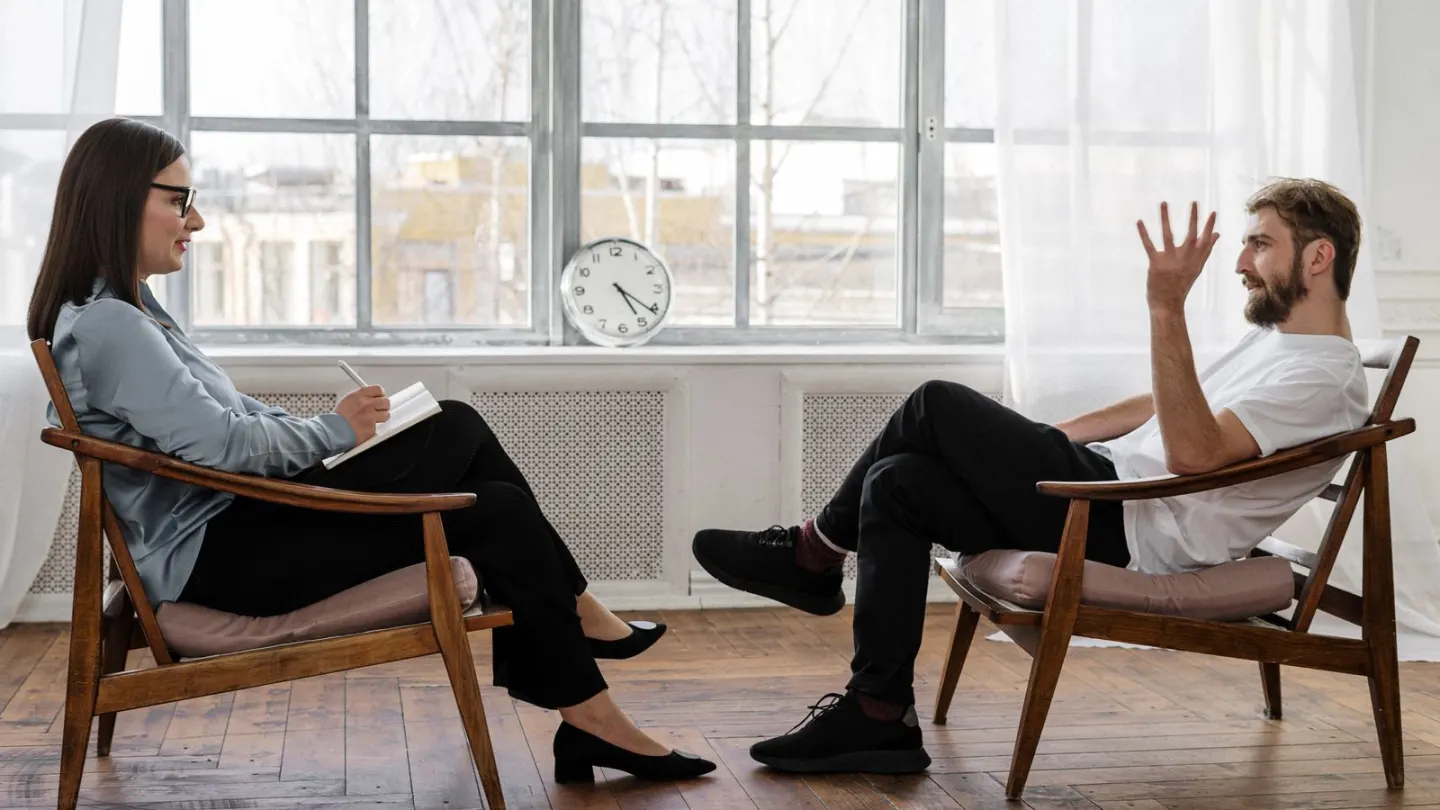
White noise for sleep is a mask, not a cure. A fan, a machine or well-fitted earplugs can blunt a neighbour’s door. They will not fix 4 p.m. espresso or a mind that is still at work.
Light sleepers notice every bin lorry and every corridor laugh. CDC sleep pages still start with a quiet, dark, cool room. National Sleep Foundation tips also name earplugs or white noise, such as a fan, a machine or an app, when you cannot silence the street. Sleep Foundation reviews of the evidence are cautious. Some studies help. Some do not. Volume still matters for hearing.
What white noise for sleep actually does
White noise layers many pitches at once. The result sounds like static or a strong shower. The idea is simple. A steady hiss makes a slammed door less of a spike. Your brain has less of a “new sound” to chase. Pink noise is a close cousin with a slightly softer top end. Some people prefer a fan to either label.
Sleep Foundation pages on white noise say the research is mixed. A review the site cites did not support a blanket recommendation. Hospital studies sometimes look better because wards are harsh. Your flat is not a ward. Treat a machine as a trial for two weeks, not as proof you have a sleep disorder.
CDC “About Sleep” still puts the basics first: regular hours, a cool quiet room, less caffeine late, and fewer large meals near bed. Our sleep hygiene that actually matters guide keeps that list short. Sound tools sit on top of those habits. They do not replace them.
Earplugs, fans and machines: pick the smallest tool
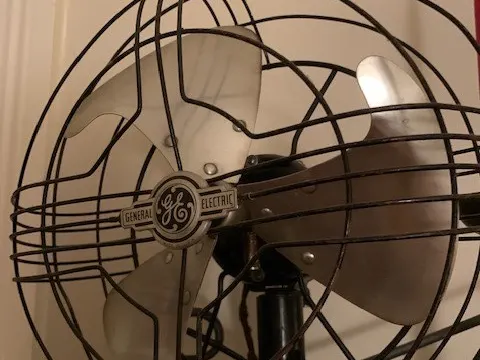
Start with the cheapest quiet you already own. A fan you already use for heat is a white-noise stand-in. Place it so the air does not blast your face all night. Clean the grille. Keep it off damp towels. If the motor ticks, it is a new interruption, not a mask.
Foam earplugs work if they stay put and do not hurt. Roll them, pull the ear up and back, and let them expand. Soft silicone caps are another option. NIOSH sleep tips mention soft earplugs in a noisy room. They are not a reason to miss a fire alarm. If you live alone and worry about that, a loud alarm in the hall plus lighter plugs is a better mix than silence at any cost.
A dedicated machine or app can help on travel nights. A phone on the bedside table is a temptation to check the time. Charge it across the room if you can do so safely. Our screens and blue light at bedtime guide covers why a glowing slab is a poor night-light.
| Tool | What it is for | Main caution |
|---|---|---|
| Fan | Steady broadband-ish sound plus a bit of cooling | Dust, cables, a ticking motor |
| White or pink noise machine | A constant mask when the street is peaky | Keep it well below a shout; place it away from the ear |
| Phone app | Useful on travel nights | Screen light and the urge to tap |
| Foam earplugs | Cuts volume when you cannot change the building | Comfort, alarms, children, ear pain |
| Doing nothing extra | Fine if you already sleep through | Do not buy kit to solve caffeine or worry |
How loud is too loud
There is no official bedtime decibel for consumer machines. Sleep Foundation notes that about 70 dB, like busy city traffic, can become a hearing problem with long exposure. CDC hearing pages make the same point about repeated loud sound. NIOSH’s workplace limit of 85 dBA over eight hours is for jobs. It is not a target for a cot or a pillow.
Use the lowest volume that takes the edge off a slam. A background conversation or light rustle is the usual picture. Put the machine across the room, not under the pillow. If you share a wall, a loud machine can become someone else’s peak. Ask. A timer that fades after you fall asleep is enough for many people. You do not need eight hours of roar.
This article is for adults. Do not park a loud gadget next to a baby’s head.
When noise is not the real problem
If the room is already quiet and you still lie awake, sound is the wrong lever. Racing thoughts, pain, reflux, or a clock you keep checking need other changes. NHS insomnia pages still favour a regular wind-down and leaving bed if you are frustrated. Our insomnia guide walks through that without a stopwatch contest.
Caffeine late in the day makes every van more interesting. So does a 9 p.m. workout that leaves you buzzing. Our caffeine and sleep timing piece is the cheaper experiment. Alcohol can knock you out and then fragment the second half of the night. Do not stack a nightcap with earplugs and call it a plan.
Partners who snore need care, not only your plugs. Heavy snoring, gasping or witnessed pauses can be sleep apnoea. That is a medical path. Plugs can help you survive the wait. They do not treat the airway.
A two-week trial without a shopping spree
Night one: fan only, lowest useful speed, same bed time. Night four: add earplugs if the fan was not enough, or drop the fan if plugs were enough. Night eight: if you still wake to every sound, try a machine or app at conversation-or-quieter volume across the room. Stop any tool that hurts an ear, gives you a headache, or makes you miss a morning alarm you need.
Keep a one-line note: time to fall asleep, wakes you remember, how you felt at 11 a.m. If two weeks of a quieter room change nothing, book a GP or US clinician. Lasting insomnia or breathing pauses are not a speaker problem.
Wind-down timings that protect sleep opportunity
For white noise for sleep, treat the last 60–90 minutes before your intended lights-out as protected time, not leftover admin. Pick a fixed “screens dim / caffeine closed / bedroom prep” window and keep it even when bedtime shifts by half an hour. A practical UK/US pattern many people can hold is: caffeine cut-off 8–10 hours before lights-out for most adults (earlier if you are caffeine-sensitive), alcohol stopped well before bed because it fragments later sleep, and a wind-down that begins while you still have enough energy to follow it.
Work backwards from wake time, not from when you feel tired. If you need to be up at 06:30, and you usually need about seven and a half hours of opportunity in bed, lights-out near 23:00 means wind-down starting around 21:30–22:00. Put the start time in the same place you keep alarms. If a late meeting steals the window, keep a fifteen-minute compress: lights lower, phone on charge outside the bed, brief stretch or quiet reading, then bed — rather than skipping the whole routine.
| Anchor | Suggested timing | Why it helps |
|---|---|---|
| Last caffeinated drink | 8–10 hours before lights-out (trial earlier if sleep latency stays long) | Caffeine’s half-life varies; afternoon cups still matter for many people |
| Alcohol cut-off | Finish drinks with dinner or earlier; avoid “nightcap” framing | Alcohol can shorten sleep onset then increase awakenings later |
| Wind-down start | 60–90 minutes before lights-out | Gives the body clock and arousal system time to settle |
| Screens / bright overheads | Dim or switch to warmer, lower light in the final hour | Bright light late at night can delay melatonin timing for some people |
Caffeine cut-offs and bedroom setup that support this topic
Whatever your focus within white noise for sleep, caffeine timing and bedroom cues still matter. Choose a personal cut-off (many adults do well stopping by early afternoon) and test it for a fortnight. Keep the bed for sleep and intimacy where possible; move email, scrolling and work reviews to another chair. If you are awake for a long stretch in the night, leave the bed for a few quiet, dim minutes and return when sleepiness returns — a common behavioural sleep strategy discussed with clinicians for persistent insomnia patterns.
Snoring, gasping, witnessed pauses in breathing, or crushing daytime sleepiness — especially when driving — are reasons to seek medical assessment rather than only optimising pillows. Trackers can show trends in timing and consistency; they do not diagnose sleep apnoea or replace clinical sleep studies when those are indicated.
A two-week sleep trial you can actually run
Change one lever at a time so you can see what helped:
- Days 1–3: Fix wake time (±30 minutes) every day, including the weekend if you can.
- Days 4–7: Enforce your caffeine cut-off and start wind-down 60 minutes before bed.
- Days 8–14: Keep those anchors; only then adjust bedroom light, noise or late meals.
Score each morning with three blunt items (0–2): sleep latency, overnight awakenings, and daytime function. Look for a trend across the fortnight, not a perfect night. If function stays poor despite adequate opportunity, or mood/safety is affected, step into clinical care rather than stacking more gadgets.
UK readers can browse NHS sleep and insomnia advice as a starting point; US readers can use CDC or MedlinePlus sleep pages, then confirm details with a clinician if symptoms persist. This is general education — it cannot examine you, review medicines that affect sleep, or promise a cure for insomnia, apnoea or shift-work disorder.
Medical note. This article is general information, not a diagnosis or a personal treatment plan. It does not replace advice from a GP, pharmacist, registered dietitian, physiotherapist, or other qualified clinician. Seek urgent help for severe, sudden, or rapidly worsening symptoms. UK readers can use NHS 111 for urgent advice; US readers can use local urgent care or emergency services when needed.
Frequently asked questions
Is white noise safe all night?
Are earplugs bad for my ears?
Is pink noise better than white noise?
Can I use rain sounds instead?
Will noise-cancelling headphones help?
Sources
- 1. What is white noise?
- 2. How noise can affect sleep
- 3. What noises cause hearing loss?
- 4. About sleep
- 5. Tips to improve your sleep
Guidance changes. Figures were checked against the sources above at the time of review; always confirm current advice with your GP, pharmacist or clinician.
Image credits
- Photo: Photo by cottonbro studio on Pexels / Openverse
- Photo: Photo by Pexels contributor on Pexels / Openverse
- Photo: Photo by Melissa Highton / Wikimedia Commons (CC BY-SA 4.0) / Openverse
Was this useful?
Anyone can react — no account needed.




Discussion
0 comments · Name and email only · Email is never shown