Sleep & Recovery Practical guide
Melatonin Supplements in the UK and US: Rules, Evidence and Caution
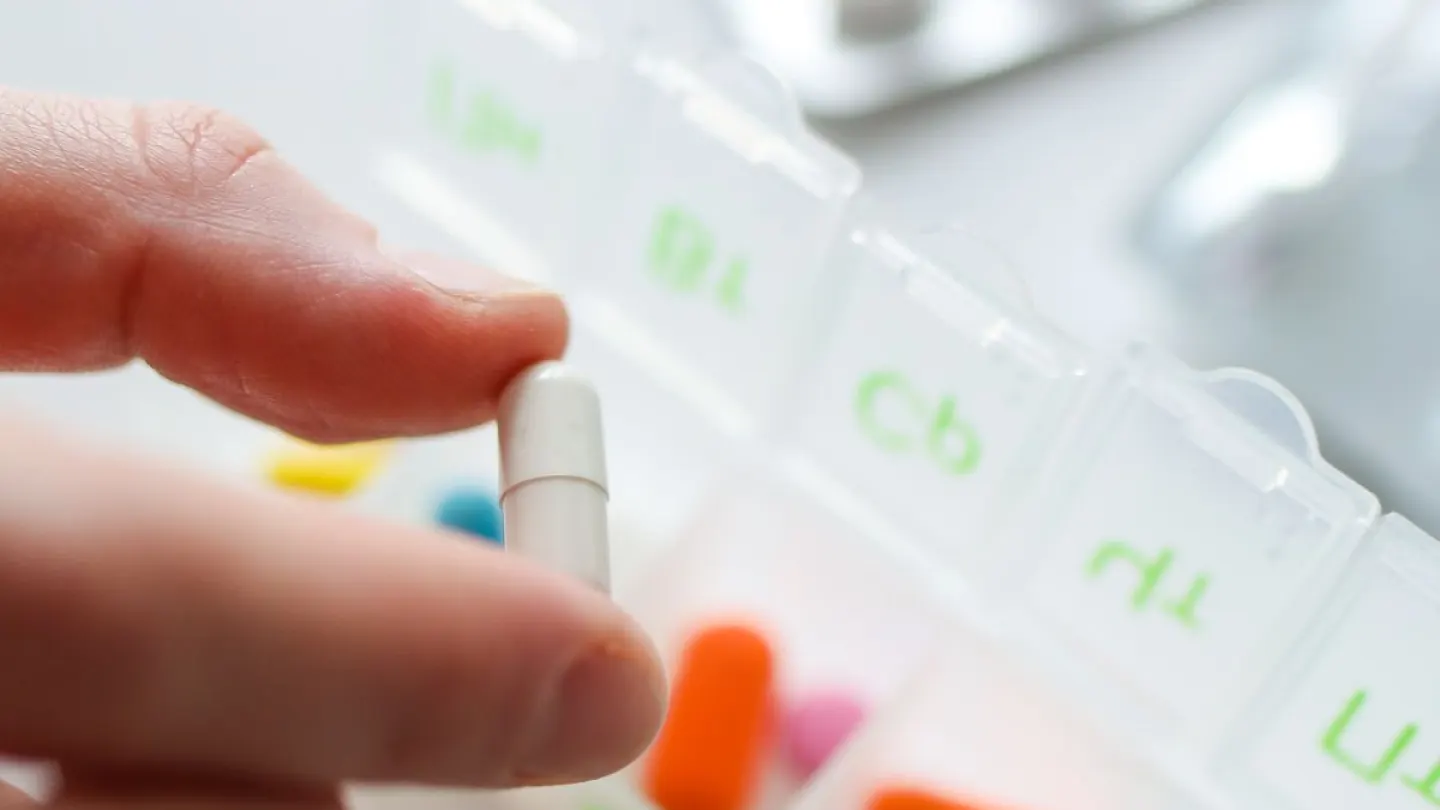
Melatonin supplements are sold as a simple sleep fix in many US shops. In the UK they are a prescription medicine. The same name does not mean the same product, dose, or proof.
Your body already makes this hormone in the dark. A pill is extra. NHS medicine pages treat it as a drug with rules. NIH Office of Dietary Supplements pages treat US bottles as supplements with mixed evidence. This guide is about those rules and limits. It is not a dose chart for you.
Melatonin supplements in the UK and the US
Start with the law, then the science. NHS pages on melatonin describe a prescription medicine. Pharmacies do not treat it like vitamin C. Some slow-release forms are used in adults over 55 with lasting poor sleep, for a limited spell, when a clinician says so. Children may get it for specific problems under specialist care. That is not a green light for a teen to buy a gummy.
In the US, many melatonin supplements are sold as dietary supplements. They do not go through the same tests as a licensed drug. NIH fact sheets note that amounts on the label can differ from what is in the bottle. A “3 mg” gummy may not be 3 mg. That is a safety issue, not a branding quibble.
Sleep Foundation pages on melatonin describe a hormone that helps time sleep. They also warn that more is not always better. A tiny dose can be enough for some clock shifts. A huge dose can leave you groggy at 09:00.

What the evidence can and cannot support
Jet lag and some delayed body-clock patterns are the settings with more research interest. CDC jet lag pages still put light, timing, and caffeine in the first rank. A pill is an extra, not the whole plan. For ordinary long-term poor sleep, talking treatment is the first-line path in NICE summaries. A bottle is not that path.
Do not take a US airport pack to “knock out” a noisy hotel. Drowsiness the next morning is a real risk if you must drive. Do not give a child a gummy because the flight is long. Ask a clinician.
Muscle aches after a hard session are not a reason to start a bottle. Recovery still means sleep, food, and time. See muscle soreness and recovery rather than stacking a new pill.
| Point | UK | US |
|---|---|---|
| How you get it | Prescription medicine | Often an open-shelf supplement |
| Who it is for | Set groups, such as some adults over 55, under a clinician | Marketed widely; that is not the same as proof |
| Dose control | Licensed product with a leaflet | Label amount can differ from the bottle |
| First-line for long-term poor sleep | Talking treatment, not a free sweet | Same idea in clinic guides; the shop still sells bottles |
| With alcohol | Do not mix sedating drugs and drinks | Same warning; the shop will not stop you |
Sources: NHS melatonin; NIH ODS melatonin consumer fact sheet; Sleep Foundation melatonin; MedlinePlus dietary supplements. Educational only; not a personal prescription.
Timing, grogginess, and what else to try first
If a clinician does use melatonin, they set the clock time. Many plans place it about 30 to 60 minutes before bed, or earlier for some clock delays. That is their call. Taking it at 01:00 after a film does not copy a study.
Keep the basics. CDC sleep pages still want a dark, quieter room and less caffeine late. NHS how-to-sleep pages agree. Our caffeine and sleep timing note and screens at bedtime piece are the cheap first steps. A bottle will not beat a 22:40 email binge.
Adults still need a real sleep window most weeks. See how much sleep by age. A pill cannot stretch a 05:00 alarm into a full night if you went to bed at 00:50.

Safety, mixing, and who should pause
Common effects include next-day drowsiness, headache, and vivid dreams. NIH fact sheets also note possible interactions. If you take blood thinners, diabetes drugs, or immune-suppressing drugs, ask a clinician or pharmacist first. Do not guess from a forum.
People who might become pregnant, who are pregnant, or who are breastfeeding need individual advice. So do people with liver disease, depression, or a job that needs a clear head at 06:00. A groggy commute is a safety issue.
Stop and get help if you feel faint, very confused, or short of breath after a dose. Call 999 or 911 if that is severe. For a milder reaction, a pharmacist is a fair first call.
How to talk to a GP or pharmacist
Bring the bottle if you already bought one. Say how many milligrams the label claims, what time you took it, and how you felt at 09:00. Ask whether talking treatment is on offer. Ask whether a licensed UK product is even being considered, and for how many weeks.
If you fly with a US bottle, check both countries’ rules. A legal shop pack in one place can be a problem in the other. Do not hide it. Ask the pharmacist before you pack.
Wind-down timings that protect sleep opportunity
For melatonin supplements, treat the last 60–90 minutes before your intended lights-out as protected time, not leftover admin. Pick a fixed “screens dim / caffeine closed / bedroom prep” window and keep it even when bedtime shifts by half an hour. A practical UK/US pattern many people can hold is: caffeine cut-off 8–10 hours before lights-out for most adults (earlier if you are caffeine-sensitive), alcohol stopped well before bed because it fragments later sleep, and a wind-down that begins while you still have enough energy to follow it.
Work backwards from wake time, not from when you feel tired. If you need to be up at 06:30, and you usually need about seven and a half hours of opportunity in bed, lights-out near 23:00 means wind-down starting around 21:30–22:00. Put the start time in the same place you keep alarms. If a late meeting steals the window, keep a fifteen-minute compress: lights lower, phone on charge outside the bed, brief stretch or quiet reading, then bed — rather than skipping the whole routine.
| Anchor | Suggested timing | Why it helps |
|---|---|---|
| Last caffeinated drink | 8–10 hours before lights-out (trial earlier if sleep latency stays long) | Caffeine’s half-life varies; afternoon cups still matter for many people |
| Alcohol cut-off | Finish drinks with dinner or earlier; avoid “nightcap” framing | Alcohol can shorten sleep onset then increase awakenings later |
| Wind-down start | 60–90 minutes before lights-out | Gives the body clock and arousal system time to settle |
| Screens / bright overheads | Dim or switch to warmer, lower light in the final hour | Bright light late at night can delay melatonin timing for some people |
Caffeine cut-offs and bedroom setup that support this topic
Whatever your focus within melatonin supplements, caffeine timing and bedroom cues still matter. Choose a personal cut-off (many adults do well stopping by early afternoon) and test it for a fortnight. Keep the bed for sleep and intimacy where possible; move email, scrolling and work reviews to another chair. If you are awake for a long stretch in the night, leave the bed for a few quiet, dim minutes and return when sleepiness returns — a common behavioural sleep strategy discussed with clinicians for persistent insomnia patterns.
Snoring, gasping, witnessed pauses in breathing, or crushing daytime sleepiness — especially when driving — are reasons to seek medical assessment rather than only optimising pillows. Trackers can show trends in timing and consistency; they do not diagnose sleep apnoea or replace clinical sleep studies when those are indicated.
A two-week sleep trial you can actually run
Change one lever at a time so you can see what helped:
- Days 1–3: Fix wake time (±30 minutes) every day, including the weekend if you can.
- Days 4–7: Enforce your caffeine cut-off and start wind-down 60 minutes before bed.
- Days 8–14: Keep those anchors; only then adjust bedroom light, noise or late meals.
Score each morning with three blunt items (0–2): sleep latency, overnight awakenings, and daytime function. Look for a trend across the fortnight, not a perfect night. If function stays poor despite adequate opportunity, or mood/safety is affected, step into clinical care rather than stacking more gadgets.
UK readers can browse NHS sleep and insomnia advice as a starting point; US readers can use CDC or MedlinePlus sleep pages, then confirm details with a clinician if symptoms persist. This is general education — it cannot examine you, review medicines that affect sleep, or promise a cure for insomnia, apnoea or shift-work disorder.
Extra detail: matching light, naps and consistency
Morning outdoor light for 10–20 minutes (when safe and practical) helps many people anchor circadian timing. Keep naps earlier and shorter if night sleep is fragile. Consistency beats heroic weekend catch-up that shifts your clock and makes Monday harder. If you use melatonin supplements, treat them as a short-term timing aid only after checking dose, product quality and interactions with a pharmacist or clinician — rules differ between the UK and US, and more is not better.
Medical note. This article is general information, not a diagnosis or a personal treatment plan. It does not replace advice from a GP, pharmacist, registered dietitian, physiotherapist, or other qualified clinician. Seek urgent help for severe, sudden, or rapidly worsening symptoms. UK readers can use NHS 111 for urgent advice; US readers can use local urgent care or emergency services when needed.
Frequently asked questions
Can I buy melatonin supplements over the counter in the UK?
Is a bigger milligram number more effective?
Can I take it every night for months?
Does food-grade chocolate melatonin count as a low dose?
Sources
- 1. NHS: Melatonin
- 2. NIH Office of Dietary Supplements: Melatonin
- 3. Sleep Foundation: Melatonin
- 4. MedlinePlus: Dietary supplements
- 5. CDC Travelers’ Health: Jet lag
Guidance changes. Figures were checked against the sources above at the time of review; always confirm current advice with your GP, pharmacist or clinician.
Image credits
- Photo: Photo by Anna Shvets on Pexels / Openverse
- Photo: Photo by Italo Melo on Pexels / Openverse
Was this useful?
Anyone can react — no account needed.




Discussion
0 comments · Name and email only · Email is never shown