Sleep & Recovery Science explainer
Recovery Scores vs How You Feel: When Data Helps and When It Does Not
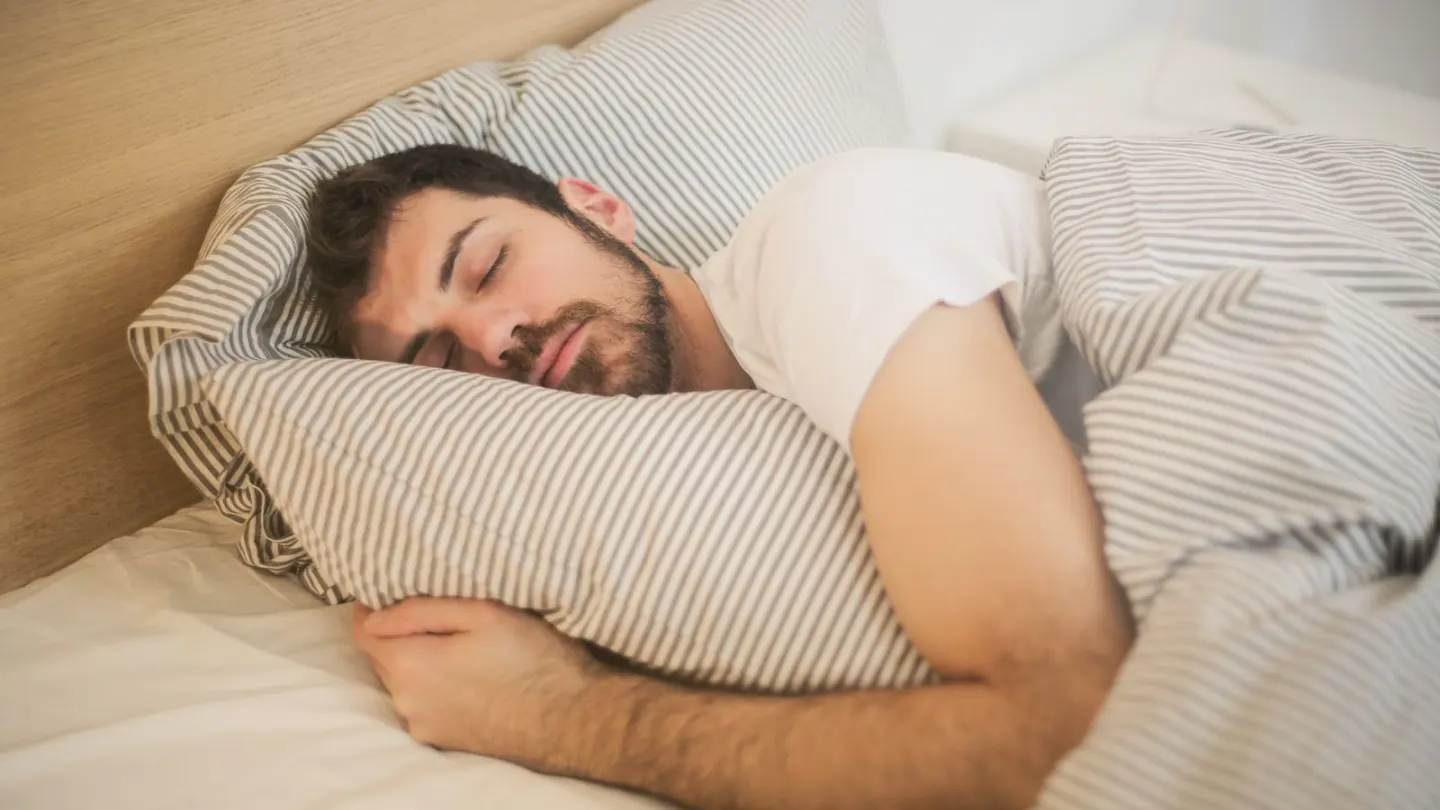
Recovery score interpretation is a trend problem, not a diagnosis. Rings and bands turn heart-rate variability, rest heart rate, and sleep time into a single number. That number is not a lab test. This is a source-reviewed guide, not a hands-on lab test.
How you feel still counts. A sore throat, a heavy mood, or a night that ended at 03:00 is data too. A 1–100 tile cannot replace that. It also cannot replace a clinical exam if something is wrong.
What recovery score interpretation can actually mean
A recovery or readiness score is a composite. Brands fold several signals into one integer. Doherty’s 2025 catalogue found heart-rate variability in 86% of those scores, rest heart rate in 79%, physical activity in 71%, and sleep duration in 71%. Time windows and weights differed. No maker printed the exact recipe.
That is the first rule of recovery score interpretation. Two devices can show different colours on the same morning. They are not measuring the same soup. They are not a referee.
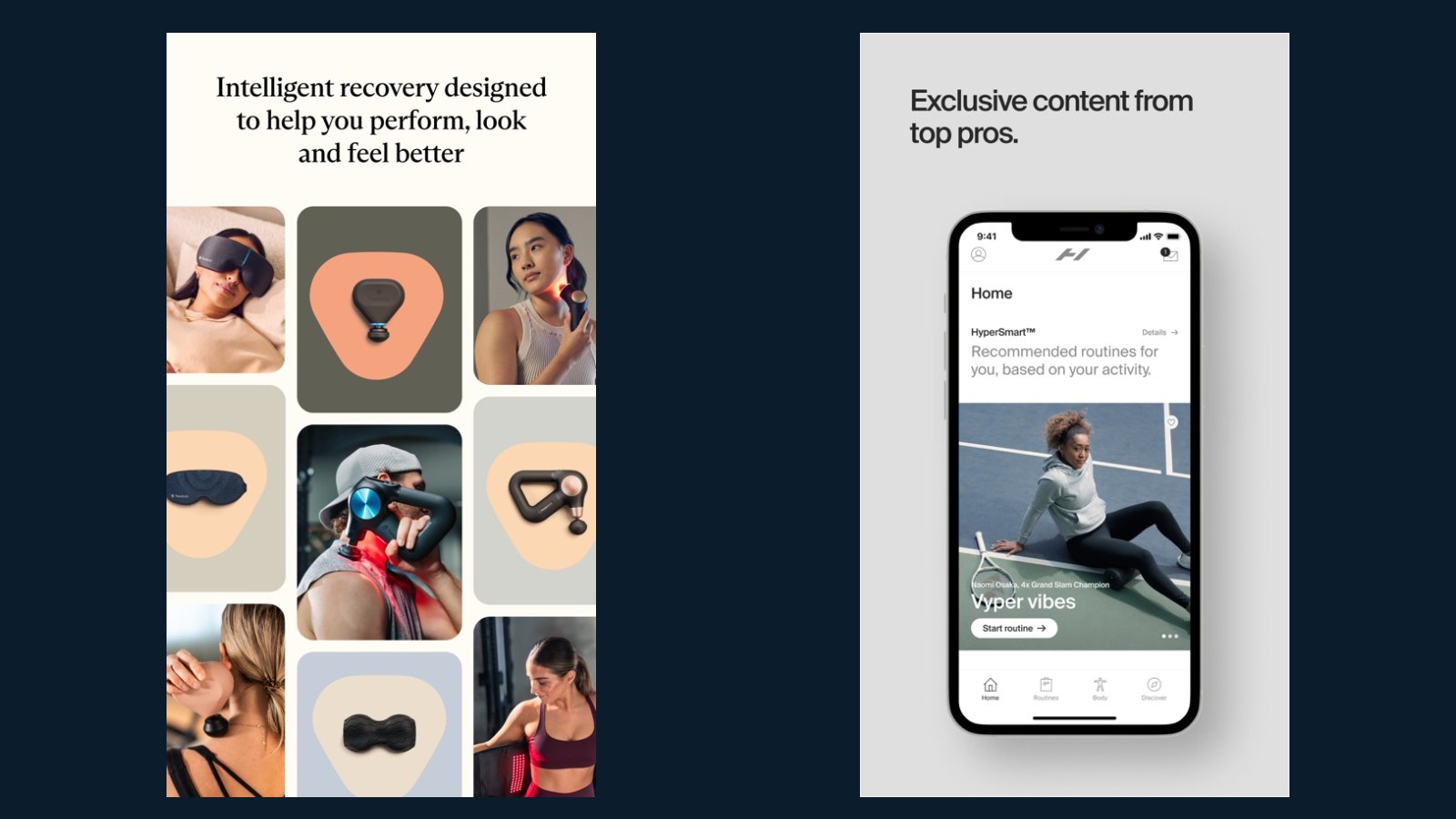
This page is not a shopping list. For kit that claims to “fix” the number, see best recovery tools. A gun or a boot cannot rewrite last night. See massage gun evidence and compression boots evidence if those adverts are the noise.
Inputs can be decent. The mash-up is not validated
Dial, Hollander, Vatne, Emerson, Edwards, Hagen and colleagues (Physiological Reports, 2025) compared nocturnal rest heart rate and HRV from five wearables with an ECG reference in 13 healthy adults (6 women) across 536 nights. Oura Generation 3 and 4 showed the highest concordance for both rest heart rate (CCC 0.97 and 0.98) and HRV (CCC 0.97 and 0.99). WHOOP 4.0 sat in a moderate band (RHR CCC 0.91; HRV CCC 0.94). Polar Grit X Pro was weaker on HRV (CCC 0.82). Garmin Fenix 6 was excluded from the RHR analysis. The authors said the sample was apparently healthy. They also said makers disclose little about how Readiness or Recovery scores weight those inputs, and that algorithms change.
Miller, Sargent, and Roach (Sensors, 2022) put 53 adults (26 women, 27 men; mean age 25.4) in a sleep lab for one 9-hour night. Apple Watch S6, Garmin Forerunner 245 Music, Polar Vantage V, Oura Ring Generation 2, WHOOP 3.0, and Somfit were compared with polysomnography. Two-state sleep versus wake agreement sat in the mid-to-high 80s. Multi-state stage agreement sat near 50–65%. The authors said the devices were usable for field timing of sleep. They said stage labels still needed work.
A living umbrella review in Sports Medicine (Doherty and colleagues, 2024; PMC11560992) went further on the composites. It said Fitbit, Garmin, Oura, and WHOOP-style readiness or body-battery scores had not undergone formal validation. Accuracy work on steps, heart rate, or sleep does not automatically validate the 0–100 layer.
Evidence table
| Question or claim | Evidence source | Study type | Population | Comparator | Outcome | Key finding | Limitation | Applicability |
|---|---|---|---|---|---|---|---|---|
| Are consumer recovery scores transparent and validated? | Doherty et al., TEB 2025 | Methods review of public docs | 14 scores from 10 manufacturers | Not a lab gold standard | Contributors, formulas, validation | HRV, RHR, activity, and sleep dominate. No exact formulas. Little peer-reviewed proof of the composite. | Desk review, not a new trial. | Treat the integer as a brand index, not a biomarker. |
| Do wearables measure nocturnal HRV and RHR? | Dial et al., Physiol Rep 2025 | Device vs ECG nights | 13 healthy adults (6 F); 536 nights | ECG reference | CCC and MAPE | Oura Gen 3/4 highest concordance. WHOOP moderate. Polar weaker on HRV. | Healthy sample. Not a test of the 0–100 score. | A trend in HRV can be useful. The colour tile is still opaque. |
| Do wearables get sleep stages right? | Miller, Sargent, Roach, Sensors 2022 | Lab night vs PSG | 53 healthy adults | Polysomnography and ECG | Sleep/wake and stages | Sleep vs wake ~86–89%. Stages ~50–65%. | One night. Young sample. | Use time asleep. Do not treat REM% as a clinic report. |
| Have readiness scores been formally validated? | Doherty et al., Sports Med 2024 umbrella review | Living umbrella of systematic reviews | Consumer wearable literature | Device- and metric-specific reviews | Accuracy of wearables; note on composites | Readiness / body-battery scores lacked formal validation. | Composites were a gap note, not a dedicated meta-analysis. | Do not let a red tile override symptoms or a clinician. |
| How much sleep do adults need? | CDC About Sleep, 15 May 2024 | Public-health summary | Age-banded populations | AASM / NSF consensus statements | Hours per 24 h | Ages 18–60: 7 or more hours. Ages 61–64: 7–9. Ages 65+: 7–8. | Group ranges, not your score. | Protect the hours. Do not trade them for a green badge. |
When the number helps
A stable device, worn the same way, can show your own trend. If your HRV baseline usually sits in one band and then drops for several nights while rest heart rate rises, that is a prompt to look at load, illness, alcohol, or a short week. It is not a diagnosis of overtraining. It is not a reason to skip a GP if you have chest pain, fainting, or a racing pulse that will not settle.
WHOOP’s own description, summarised in a 2024 systematic review preprint, says Recovery mixes sleep, rest heart rate, and HRV into a readiness-to-perform tile. Strain uses heart rate load. The same review said two-state sleep and heart-rate metrics looked acceptable in several papers, while four-stage sleep and HRV identification still had room to improve. Utility for changing athletic outcomes remained limited.
Use the score as a second opinion after you have already asked: How did I sleep? How do my legs feel? Do I have a fever or a low mood? If those answers are loud, they win.
When the number gets in the way
Recovery score interpretation goes wrong when the tile becomes a permission slip. A green morning after four hours in bed is not a clearance. CDC still lists 7 or more hours for most adults under 61. AASM and the Sleep Research Society’s 2015 adult statement sits behind that line. See sleep and weight regulation if hunger after a short night is the louder problem.
It also goes wrong when you chase the number with gadgets. A Theragun Prime Plus pass, a NormaTec Premier session, or a night in RecoveryAir JetBoots will not recode last night’s HRV. Those tools have their own thin evidence. They are not a score repair kit.
Illness, shift work, alcohol, late caffeine, and a new device firmware can all swing the integer. So can a loose ring or a watch worn on the wrong side. If the number and your body disagree for days, believe the body and, if needed, a clinician. Atrial fibrillation and other rhythm problems scramble HRV. The 2025 Physiological Reports paper said those groups were outside its sample.
A simple reading rule
Look at three nights, not one. Look at the inputs the app will actually show: time asleep, rest heart rate, HRV trend. If those three move together, the composite is just repeating them. If the composite moves and the inputs do not, treat the tile as a black box and ignore it for a week.
Keep a one-line log: hours in bed, how you felt at noon, and whether you trained. That log is cheaper than a second wearable. Public-health pages still care about the hours. They do not grade your readiness colour.
If you want a gun or boots because the tile is red, pause. Read the Hypervolt 3 Pro review only if local percussion was already the job. Do not let a proprietary score upsell you.
What remains thin
We did not find a large independent trial that proves a consumer recovery score predicts injury, illness, or race time better than asking “how do you feel?” plus a sleep diary. White papers on single inputs are not that trial.
Algorithms change without a version stamp you can audit. Last year’s validation may not match this week’s app. Doherty’s 2025 review said Polar even noted there is no gold-standard method for some recharge constructs.
Children, people with sleep apnoea, and people with heart rhythm disease sit mostly outside these healthy-adult papers. Do not export a 25-year-old lab night to those groups.
Frequently asked questions
Is a low recovery score a medical diagnosis?
Should I skip training when the score is red?
Which wearable has the most accurate recovery score?
Can I trust sleep-stage rings on the score?
Will a massage gun or compression boots raise the score?
Sources
- 1. Readiness, recovery, and strain: an evaluation of composite health scores in consumer wearables
- 2. Validation of nocturnal resting heart rate and heart rate variability in consumer wearables
- 3. A validation of six wearable devices for estimating sleep, heart rate and heart rate variability
- 4. Keeping pace with wearables: a living umbrella review
- 5. About Sleep
- 6. Accuracy, utility and applicability of the WHOOP wearable monitoring device
Guidance changes. Figures were checked against the sources above at the time of review; always confirm current advice with your GP, pharmacist or clinician.
Image credits
- Photo: Photo by Andrea Piacquadio on Pexels / Openverse
- Photo: Photo by Marta Branco on Pexels / Openverse
- Photo: Photo by Ella Olsson on Pexels / Openverse
- Photo: Photo by Jean van der Meulen on Pexels / Openverse
Was this useful?
Anyone can react — no account needed.

Discussion
0 comments · Name and email only · Email is never shown