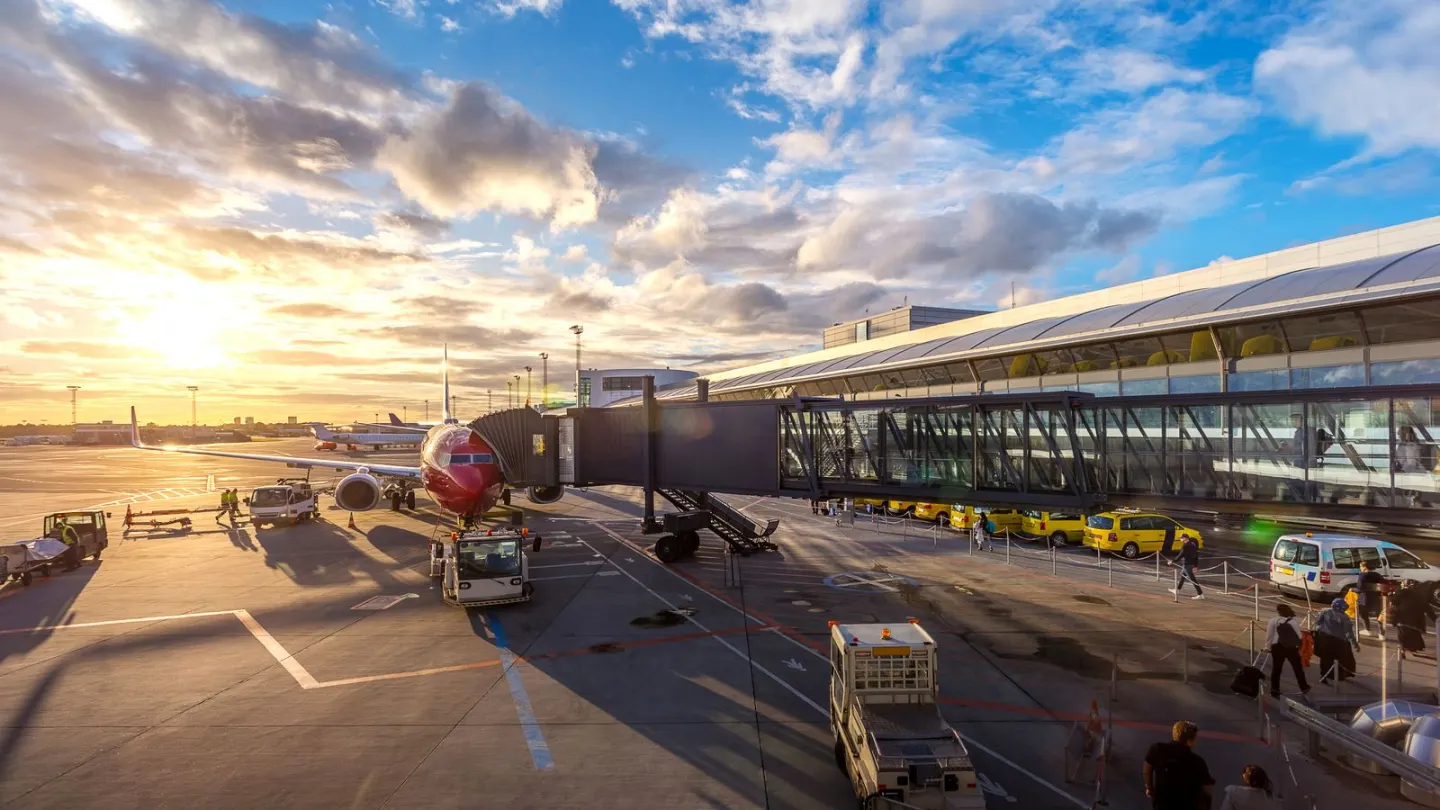
A travel sleep kit is a small set of tools that lives in the bag at your feet. It will not buy you eight hours on a red-eye. It can cut the worst of cabin light, dry air, and a bright hotel room.
CDC pages say most adults still need seven hours or more. A delayed flight will not meet that. The aim is a less broken night, then a safer next day. NHS sleep pages still point to a regular wind-down, less late coffee, and a darker, quieter room when you can get one.
What belongs in a travel sleep kit
Keep the list short. If it does not earn a place in a 7-litre personal bag, leave it at home. The core is simple. An eye mask. Foam earplugs in a case. A thin jumper or wrap. An empty bottle to fill after security. A dry toothbrush. That is the kit.
Add one quiet audio file you already own, downloaded before you leave the house. Flight mode still plays it. Skip a bulky neck pillow if it steals the bag. A rolled jumper can stand in for one night. Skip sprays, oils, and “sleep gummies” bought at the gate. They are not a plan.
Adults still need a real sleep window most weeks. Our guide to how much sleep by age is the home baseline. Travel will miss it. The kit exists so the miss is smaller, not so you can boast about a nap in seat 14C.
Do not pack someone else’s tablets. Do not pack alcohol as a knock-out. NHS sleep pages are blunt: a drink can help you drop off and then fragment the second half of the night. That is a poor trade at 3 a.m. in a hotel.
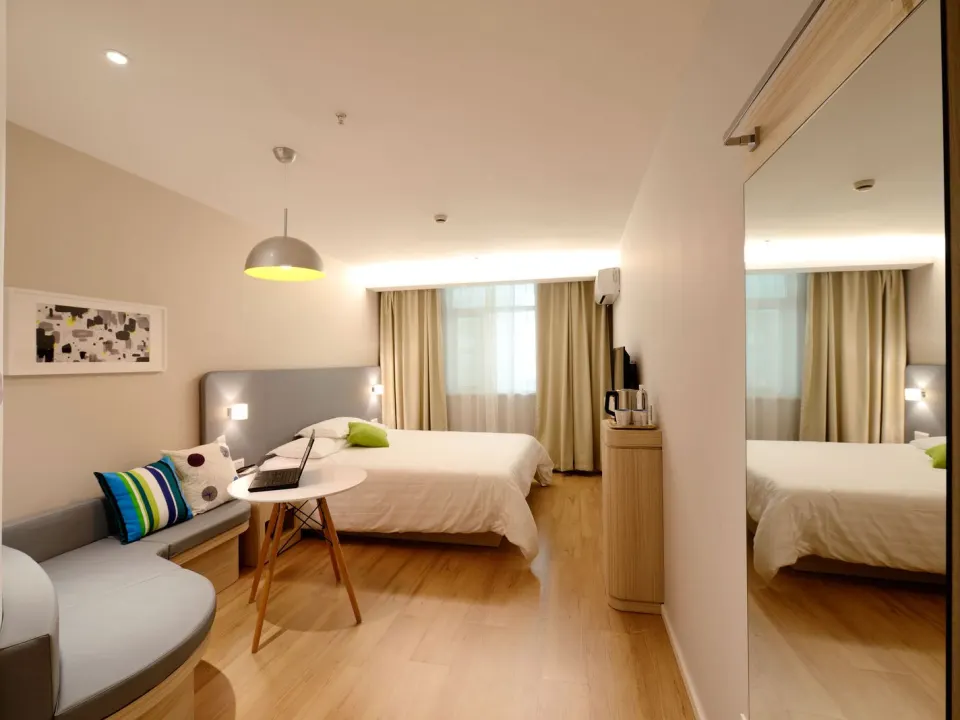
Pack it in the bag you keep at your feet
Hold luggage goes missing. The kit must ride with you. Put it in a clear pouch at the top of the personal bag. You should reach it without standing in the aisle. On a bus or train, the same rule holds. If you cannot touch it from your seat, it will not get used.
Test the mask at home for ten minutes. If the elastic bites, swap it before you fly. Foam plugs need a roll and a pause. Practise that once. Cheap plugs that fall out at 35,000 feet are litter, not a tool.
Clothes matter more than people admit. A light layer beats a heavy coat you then bake in. Planes and hotels swing from cold to hot. You want one thing you can add or peel. Socks you can sleep in are worth more than a second charger.
| Item | Why it is in the bag | Limit |
|---|---|---|
| Eye mask | Blocks cabin LEDs and a hotel bathroom light left on | Wash the lining; it is not treatment |
| Foam earplugs | Cuts engine hum, trolleys, and a loud hall | They do not treat paused breathing |
| Thin jumper or wrap | Cabin air and hotel air-con swing fast | Skip a huge pillow if the bag is tight |
| Empty bottle | Fill after security; dry air wakes many people | Follow any fluid limit your doctor set |
| Quiet audio, already saved | Works in flight mode when the stream dies | Phone face down, brightness low |
Sources: CDC About Sleep; NHS how to get to sleep; CDC Travelers’ Health jet lag. This is a packing list, not a cure.
A night plan for the plane and the hotel
Set a target, then shrink it. If you board at 21:40 and land at 06:10, you will not get a full night. Aim for a protected block: mask on, plugs in, seat belt visible, lights on the screen off. That is the job. A film until 02:00 is a choice, not a need.
Hotel rooms fail on light and noise. Close the blackout if it works. Clip the curtain with a clip from the kit if a gap shines on the pillow. Put the “do not disturb” card out. Charge the phone across the room. The same sleep habits that actually matter still apply. They just have to fit a strange bed.
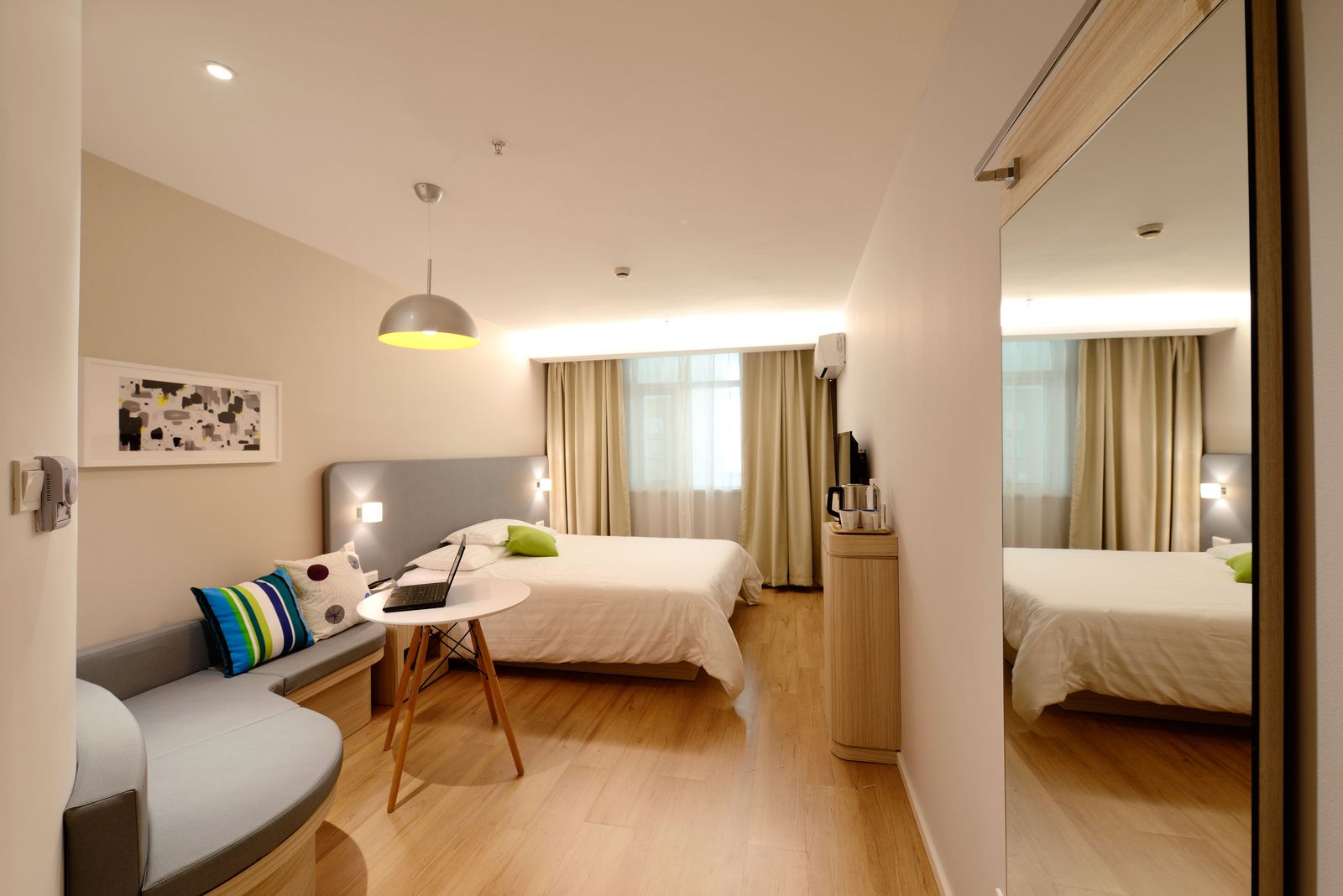
If you lie awake and angry, leave the bed. Sit in the chair. Read a paper book in low light. Go back when sleepy. NHS insomnia pages use that rule at home. It still works in a travel lodge. Do not turn it into a stopwatch contest. For nights that will not start even at home, see what to do when sleep will not come.
Caffeine, light, and the first morning
Coffee is the item that most often wrecks the kit. An 16:30 airport latte can still sit in you at 23:00. CDC sleep pages flag caffeine and alcohol as disruptors. NHS pages say the same in plain words. If you want lights-out at 22:30 local time, make 14:30 the last strong cup. Our caffeine and sleep timing note is the home version of that rule.
CDC jet lag pages treat light as a clock cue. Morning outdoor light on arrival can help you shift east or west. A ten-minute walk outside beats a third espresso in the lobby. Do not stare at a bright phone in bed “to check the gate”. The kit cannot fight a screen at 00:40.
Eat a normal meal. A huge late tray can keep you warm and restless. A skipped meal can wake you at 03:00. Toast, yoghurt, or a simple rice dish is enough. Water in sips beats a litre at 22:00 if you then queue for a tiny toilet.
When a kit is not enough
A travel sleep kit is not care for loud gasping, chest pain, or a faint on the jet bridge. Call local emergency services for those. If you nod off while driving from the airport, do not “push on”. Stop. Nap in a safe car park. Swap drivers if you can.
People with known night breathing problems, heart disease, or a job that needs a clear head the next morning should plan with their own clinician before a long haul. The pouch in your bag is still useful. It is not a stand-in for that talk.
If poor nights last weeks after you get home, stop buying kit. Book a GP or US primary care visit. Packing lists cannot sort that.
Wind-down timings that protect sleep opportunity
For travel sleep kit, treat the last 60–90 minutes before your intended lights-out as protected time, not leftover admin. Pick a fixed “screens dim / caffeine closed / bedroom prep” window and keep it even when bedtime shifts by half an hour. A practical UK/US pattern many people can hold is: caffeine cut-off 8–10 hours before lights-out for most adults (earlier if you are caffeine-sensitive), alcohol stopped well before bed because it fragments later sleep, and a wind-down that begins while you still have enough energy to follow it.
Work backwards from wake time, not from when you feel tired. If you need to be up at 06:30, and you usually need about seven and a half hours of opportunity in bed, lights-out near 23:00 means wind-down starting around 21:30–22:00. Put the start time in the same place you keep alarms. If a late meeting steals the window, keep a fifteen-minute compress: lights lower, phone on charge outside the bed, brief stretch or quiet reading, then bed — rather than skipping the whole routine.
| Anchor | Suggested timing | Why it helps |
|---|---|---|
| Last caffeinated drink | 8–10 hours before lights-out (trial earlier if sleep latency stays long) | Caffeine’s half-life varies; afternoon cups still matter for many people |
| Alcohol cut-off | Finish drinks with dinner or earlier; avoid “nightcap” framing | Alcohol can shorten sleep onset then increase awakenings later |
| Wind-down start | 60–90 minutes before lights-out | Gives the body clock and arousal system time to settle |
| Screens / bright overheads | Dim or switch to warmer, lower light in the final hour | Bright light late at night can delay melatonin timing for some people |
Protecting sleep when the clock and calendar disagree
Shift work, jet lag and weekend “catch-up” all challenge travel sleep kit. Prioritise a stable wake time on work days, then protect a dark sleep opportunity with eye masks, earplugs or white noise if the house is loud. After nights, get daylight when you need to stay awake and use blackout when you need to sleep — even if that sleep sits in the daytime. Avoid stacking caffeine late in the wake period so you can still fall asleep when the opportunity finally arrives.
For eastward travel, slightly earlier bed and wake times for a few days before departure can help some adults; westward travel is often easier because lengthening the day matches many people’s clocks. On arrival, use morning outdoor light to advance the clock and evening light carefully if you need to delay it. Keep naps short (about 20 minutes) and not too late in the local afternoon if night sleep is the priority.
A two-week sleep trial you can actually run
Change one lever at a time so you can see what helped:
- Days 1–3: Fix wake time (±30 minutes) every day, including the weekend if you can.
- Days 4–7: Enforce your caffeine cut-off and start wind-down 60 minutes before bed.
- Days 8–14: Keep those anchors; only then adjust bedroom light, noise or late meals.
Score each morning with three blunt items (0–2): sleep latency, overnight awakenings, and daytime function. Look for a trend across the fortnight, not a perfect night. If function stays poor despite adequate opportunity, or mood/safety is affected, step into clinical care rather than stacking more gadgets.
UK readers can browse NHS sleep and insomnia advice as a starting point; US readers can use CDC or MedlinePlus sleep pages, then confirm details with a clinician if symptoms persist. This is general education — it cannot examine you, review medicines that affect sleep, or promise a cure for insomnia, apnoea or shift-work disorder.
Medical note. This article is general information, not a diagnosis or a personal treatment plan. It does not replace advice from a GP, pharmacist, registered dietitian, physiotherapist, or other qualified clinician. Seek urgent help for severe, sudden, or rapidly worsening symptoms. UK readers can use NHS 111 for urgent advice; US readers can use local urgent care or emergency services when needed.
Frequently asked questions
Can I use melatonin as part of a travel sleep kit?
Should I sleep on the plane no matter what time I land?
Do noise-cancelling headphones replace earplugs?
What if my hotel room never gets dark?
Sources
- 1. CDC: About sleep
- 2. NHS: How to get to sleep
- 3. CDC Travelers’ Health: Jet lag
- 4. Sleep Foundation: How much sleep do we really need?
- 5. Sleep Foundation: Travel and sleep
Guidance changes. Figures were checked against the sources above at the time of review; always confirm current advice with your GP, pharmacist or clinician.
Image credits
- Photo: Photo by Pixabay on Pexels / Openverse
- Photo: Photo by Element5 Digital on Pexels / Openverse
Was this useful?
Anyone can react — no account needed.



Discussion
0 comments · Name and email only · Email is never shown