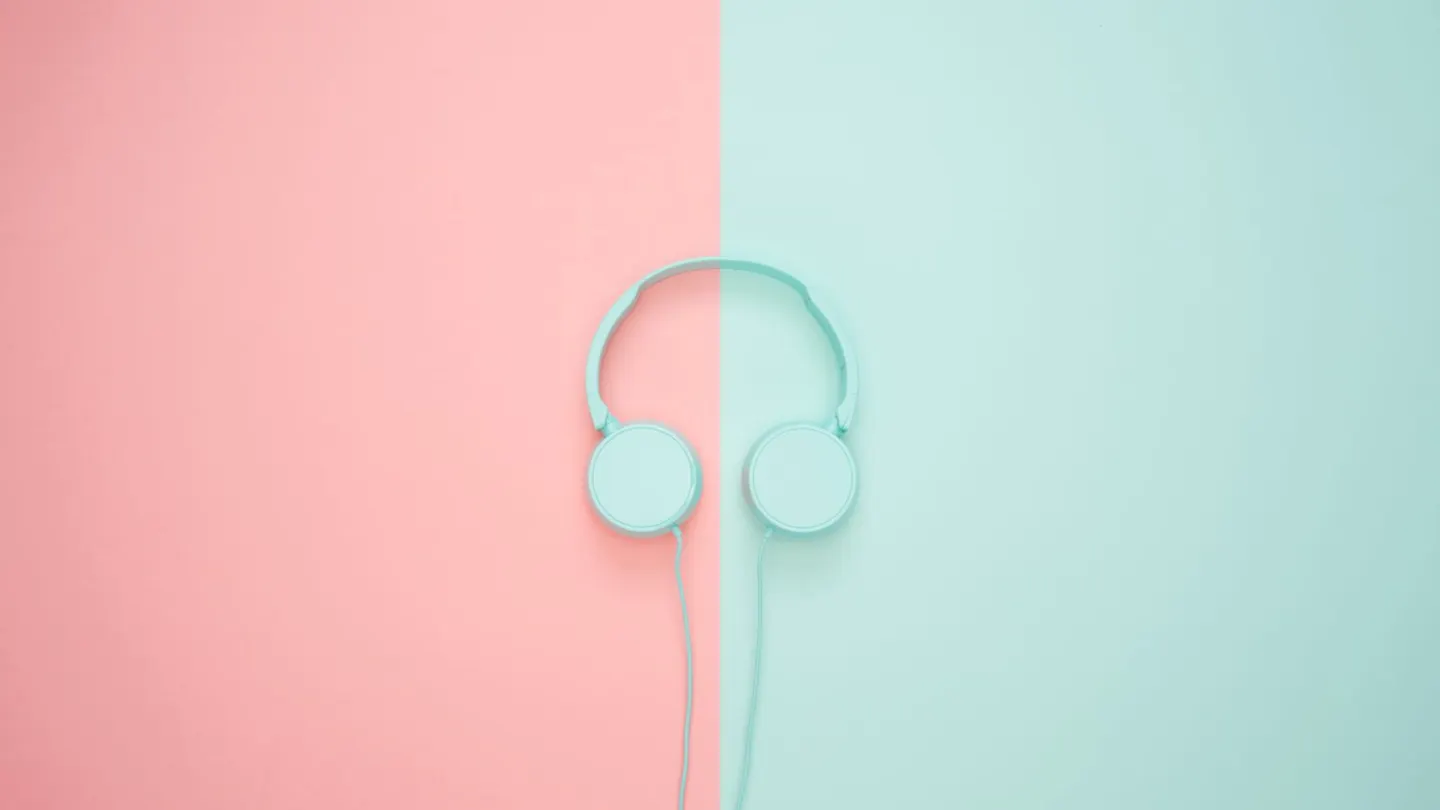
Gym headphones safety is about ears and about the room. Music can help you start. It can also hide a bar, a “spot”, or a fire alarm. Keep the volume in check and keep one way to hear people.
CDC’s noise pages treat 85 A-weighted decibels, averaged over eight hours, as a line where hearing risk rises. Gyms and group classes can sit above that for short bursts. Headphones add more sound on top. This is not a reason to quit training. It is a reason to turn the dial down.
This guide is for adults on the gym floor and in classes. It is not an audiology clinic. It will not rank brands. It will show how to hear the bar, hear the room, and still use a playlist.
Gym headphones safety on the gym floor
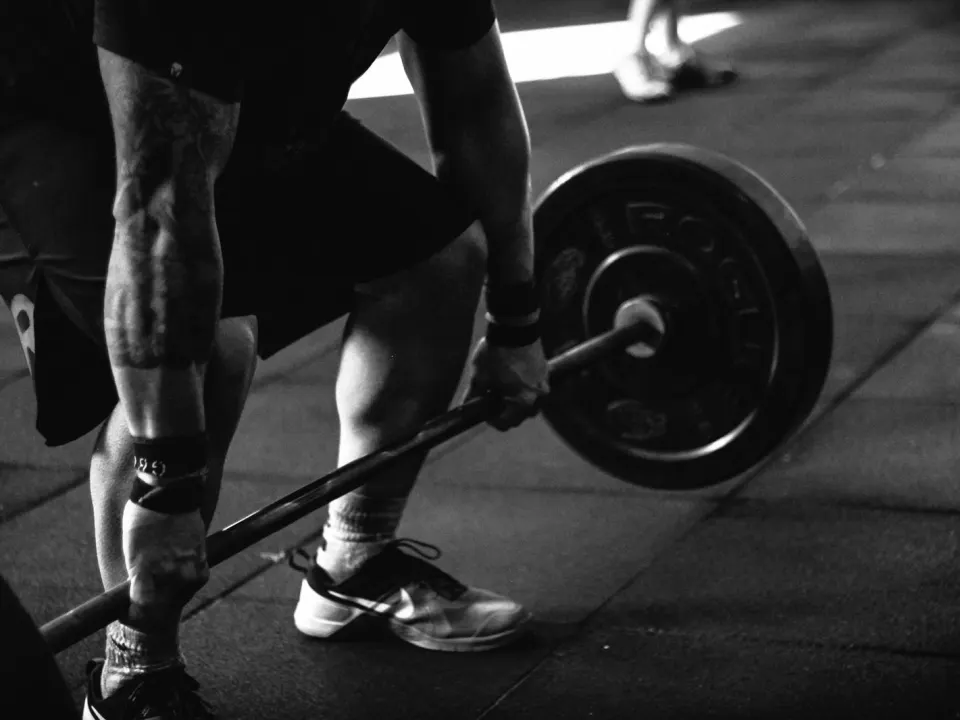
Headphones are a tool. They can make a dull session start. They can also seal you off. On a lifting floor, people call “bar”, “spot”, and “behind”. You need those words. Gym headphones safety starts with that simple test: if someone three metres away would have to shout, your mix is too loud.
NHS hearing-loss pages note that loud sound can damage hearing, sometimes for good. MedlinePlus noise pages say the same in plain words. You will not feel the damage as it happens. Ringing later is a late clue, not a score.
Use a playlist on the bike or a walk. Take the cups off, or drop to one ear, when you unrack a barbell. Our gym safety racks and spotting guide assumes you can hear the person helping you. A sealed ear cup fights that plan. If you share a rack, pause the song before you speak. People hear “your set” better than a nod.
People over 50, or anyone who already struggles in noisy rooms, should be extra strict. See strength training over 50 for a calmer lifting path. You can still train. You do not need concert volume to earn the set.
How loud is too loud for ears
CDC’s NIOSH pages set a recommended exposure limit of 85 dBA as an eight-hour average. For each 3 dB rise, they advise cutting the time in half. That is why a very loud class is not “fine because it was only 45 minutes”. Time and loudness trade.
WHO’s hearing fact sheet says more than 1.5 billion people live with some hearing loss. A large share of that burden is preventable. Gyms are one noisy room among others. Work, traffic, and personal players add up across the day. If you leave a class with muffled speech, drop the headphone volume next time. That is gym headphones safety as a habit, not a gadget upgrade.
| Average sound level | NIOSH recommended daily time | Gym reading |
|---|---|---|
| 85 dBA | 8 hours | A long staff shift at a noisy floor |
| 88 dBA | 4 hours | A loud room for a long afternoon |
| 91 dBA | 2 hours | A loud class plus extra headphone volume |
| 94 dBA | 1 hour | A very loud class; keep personal volume down |
| 97 dBA | 30 minutes | Treat as a short burst, then quiet |
| 100 dBA | 15 minutes | Do not add headphones on top |
Hear the bar, hear the room
A dropped plate is a clue. A clip being missed is a clue. A coach calling your name is a clue. Noise-cancelling is a gift on a treadmill facing a wall. It is a poor fit under a squat bar on a busy Saturday.
Bone-conduction bands and “transparency” modes can help you hear the room. They are not magic. If the playlist still drowns speech, the volume is the problem. CDC’s public hearing pages still say: turn it down, move away, or use protection when you cannot leave the noise.
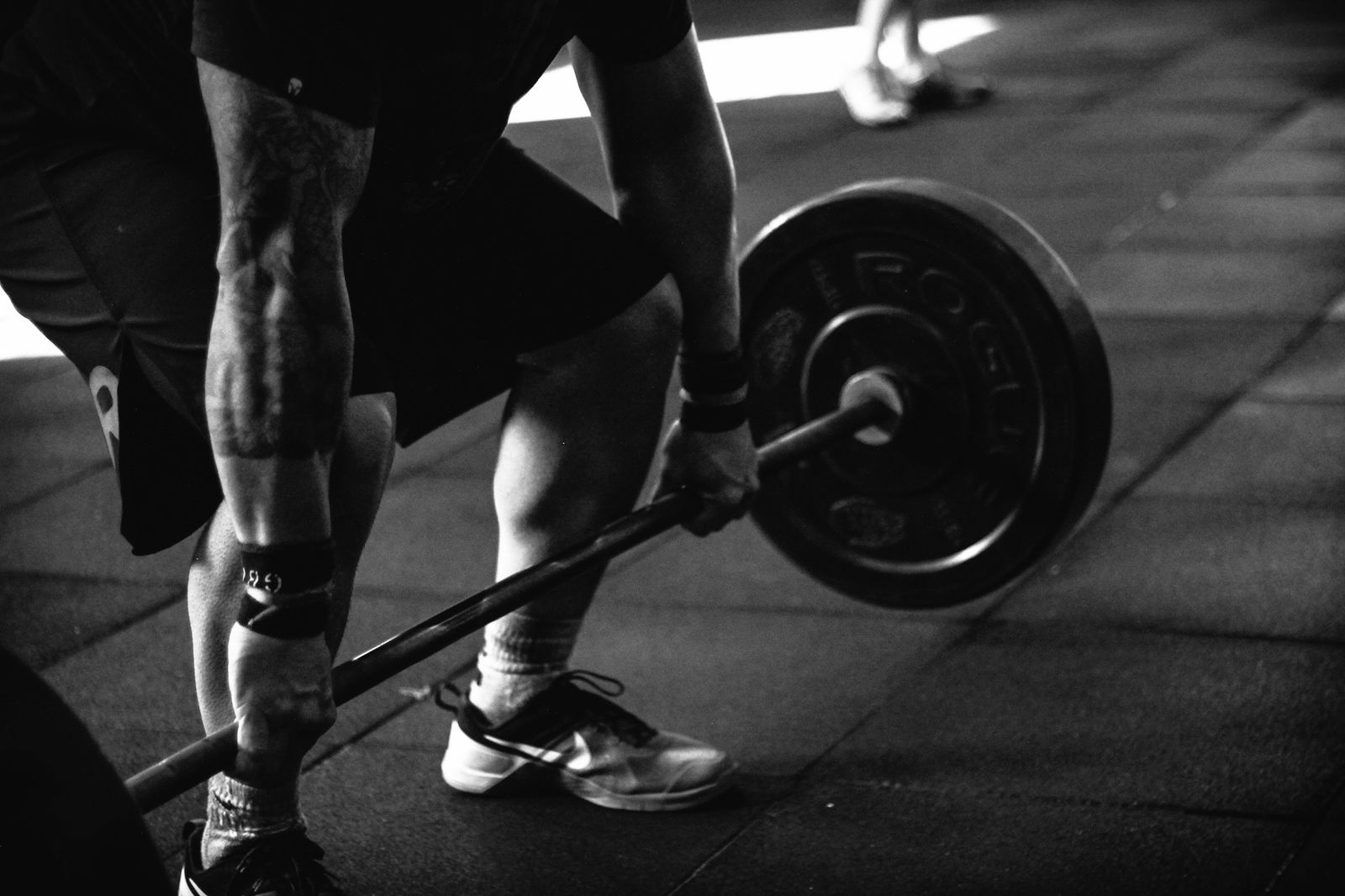
On hard sets, take one cup off. That single habit is gym headphones safety in five seconds. You will still hear the chorus in the other ear. You will also hear “I have it” from a spotter. Pair that with the effort tools in the RPE and reps-in-reserve guide so you are not grinding to failure with both ears sealed. A missed cue is more costly than a missed beat.
Group classes, cancelling noise, and one free ear
Group rooms stack speaker noise and your own buds. If the class is already loud, you do not need a second source. Use the house mix, or use earplugs meant for music if the speaker is the problem. Do not fight a loud room by turning your phone up.
WHO’s “make listening safe” work treats personal players as a real dose across the week. A gym hour is one block in that week. A commute with the same buds is another. Keep some quiet hours. Eat lunch without a podcast if the morning class was a wall of sound.
A hybrid strength and cardio week often mixes floor work and a bike. Use full cups on the bike if you like. Unplug for the barbell. That split is easier than a moral rule about never using headphones.
When to take the headphones off
Take them off to ask for a spot. Take them off to share a rack. Take them off when you walk behind someone with a bar. Take them off if staff need the floor’s attention. Courtesy is part of gym headphones safety. So is not missing an alarm.
Wireless buds fall. Pause the set. Pick them up. Do not crawl under a loaded bar. If a bud dies mid-set, finish the rep and rack. The song can wait.
Warning signs that mean you should get hearing checked
See a clinician or an audiologist if ringing lasts, if speech sounds muffled the next morning, or if one ear is suddenly dull. NHS hearing-loss pages explain how to start that path in the UK. In the US, MedlinePlus points you to a qualified hearing professional.
Do not “train through” ear pain. Do not add more volume to drown the ring. Drop the dose. Get the check. Keep lifting with a quieter plan. Chest pain, faintness, or sudden trouble talking is a different emergency. Headphones off. Call 999 or 911.
A practical volume and awareness checklist on the gym floor
Keep volume at a level where you can still hear a barbell drop, a spotter’s voice, and approaching people. One free ear in busy free-weight zones is a simple habit. Noise-cancelling full isolation is a poor match for crowded platforms.
WHO-style hearing advice commonly cautions against prolonged high volumes — treat painful ringing after sessions as a warning to turn down.
Group classes may demand lower volumes so you can hear coaching cues and emergency stops.
| Zone | Risk | Habit |
|---|---|---|
| Squat rack / platform | Missed spotter cues | One ear / lower volume |
| Cardio line | Lower collision risk | Still watch screens/traffic |
| Car park exit | Traffic | Headphones off |
| Crossing gym floor | Collisions | Eyes up |
Faults
Max volume to drown everything, including your own bar speed awareness.
Answering long calls while resting mid-rack and blocking the only squat station.
Ignoring staff instructions because a podcast was loud.
Volume rules of thumb you can actually use
If someone an arm’s length away cannot get your attention with a normal voice, it is too loud for a busy weights floor.
Take a quiet break between songs on hard sets so you hear the room.
Painful ears or muffled hearing after training means turn down next time and consider a hearing check if it persists.
When to take headphones off and get hearing checked
Off: when spotting, when coaching kids or novices, when staff speak to you, and when wheeling plates near others.
Get hearing checked if you have persistent tinnitus, muffled hearing, or pain after sessions.
People with balance disorders should be careful with full isolation that removes environmental cues.
Coaching cues and checkpoints for gym headphone safety
Return to the key prescriptions for gym headphone safety already set out above and execute them as written for two consecutive sessions before you invent variations.
Use the checkpoints below as a quick pre-set scan for gym headphone safety. If any line fails, fix that line before you add load, speed or volume.
- Squat rack / platform: Missed spotter cues — One ear / lower volume
- Cardio line: Lower collision risk — Still watch screens/traffic
- Car park exit: Traffic — Headphones off
- Crossing gym floor: Collisions — Eyes up
After those two honest sessions, change only one variable in gym headphone safety: a small load jump, one extra repeat, a slightly longer interval, or one fewer accessory set. Write the change in the log before you warm up.
Stop for sharp pain, chest pain, faintness or unusual breathlessness. Call 999 or 911 for sudden severe symptoms. This article is general information, not a diagnosis or a personalised rehab plan.
Frequently asked questions
Is gym headphones safety only about hearing loss?
Are noise-cancelling headphones a bad idea in the gym?
How loud should my phone volume be?
Do earplugs make gym headphones safety worse?
When should I see someone about my ears?
Sources
- 1. Noise-induced hearing loss
- 2. Preventing occupational noise-induced hearing loss
- 3. Noise-induced hearing loss
- 4. Hearing loss
- 5. Deafness and hearing loss
- 6. Noise
- 7. Making listening safe
Guidance changes. Figures were checked against the sources above at the time of review; always confirm current advice with your GP, pharmacist or clinician.
Image credits
- Photo: Photo by Ready Made on Pexels / Openverse
- Photo: Photo by Victor Freitas on Pexels / Openverse
Was this useful?
Anyone can react — no account needed.


Discussion
0 comments · Name and email only · Email is never shown