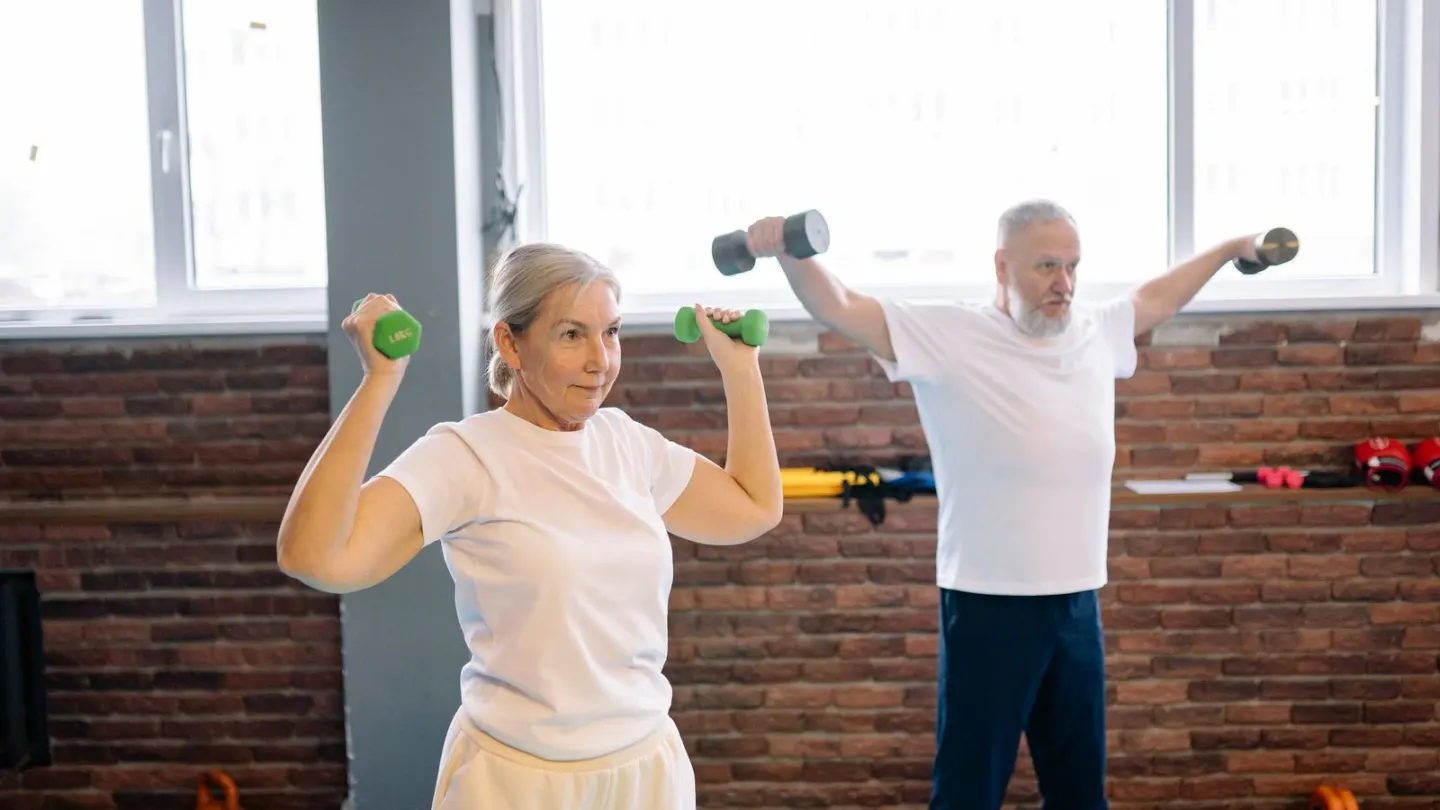
Spotting etiquette is the talk before the bar moves. It is not a silent hover. A clear ask, a clear plan, and a clear “rack” keep bench and squat safer for both people.
You can decline. You can ask. You can set a number of reps and a hand-off before a single plate goes on. ACSM still treats resistance work as a health tool. That tool needs a human plan when the load can pin someone.
This guide is for ordinary gym floors. It is not a coaching licence. It will not teach you to grab a falling max. It will show the manners that stop a failed rep becoming a scramble.
Spotting etiquette before the bar leaves the rack
Spotting is close work. You will be over someone’s face on a bench. You will be behind their hips on a squat. Ask first. “Do you want a spot?” is enough. Wait for the answer. A shrug is not a yes.
If you say yes, agree three things. How many reps. Whether they want a lift-off. What word means take the bar. “Help”, “take it”, or “rack” all work if both of you use the same one. Then stop talking. Mid-set chat is how cues get missed.
NHS and CDC still want adults to do strength work. They do not ask you to grind a max with a stranger. If the load is new, use a rack with arms set, or pick a lighter set. Our beginner gym workout plan is built so most sets do not need a heroic catch.
You can also say no. “I am in the middle of a set” is spotting etiquette too. Point them to staff. Do not take a job you cannot do.
How to ask, how to decline, and how to agree a plan
Ask before you walk into someone’s space. Do not tap the bar. Do not stand over the bench “ready” without a word. If you want a spot, catch a person between sets. Give them time to finish their water. Then ask.
If you are the lifter, make the job small. “Three reps, lift-off, take it if I stall” is a plan. “Just watch me” is not. Say if your left elbow drifts, or if you might dump the last rep. The spotter cannot read your diary.
Leave two reps in reserve on most sets. The RPE and reps-in-reserve guide is the adult way to need a spot less often. A spotter is for a planned hard set, not for every warm-up.
Wipe the bench after. Thank the person. Do not start a form lecture unless they asked. Spotting etiquette is help, not a free coaching session.
| Step | Bench press | Squat |
|---|---|---|
| Ask | Yes or no, then reps and lift-off | Yes or no, then reps and the rack word |
| Stand | At the head, stable feet, hands ready | Close behind, moving with the lifter |
| During good reps | Follow the bar; do not touch it | Hands near the torso; do not yank the ends |
| If it stalls | Help the bar back to the hooks | Support the upper body until the bar is on the safeties |
| Kit | Hooks and arms tested empty first | Hooks and arms tested empty first |
| Stop the session | Chest pain, faintness, odd breathlessness — call 999 or 911 | Same emergency signs; do not keep loading |
Bench press: stand, hands, and the hand-off
Stand at the head of the bench. Plant your feet. If they want a lift-off, help the bar over the shoulders, then let go in a clear way. During reps, keep your hands close. Do not bounce the bar off their chest for them. That is not a spot. That is a different lift.
If the bar stops and starts to drop, take it back to the hooks. Say “I have it” so they stop pushing into your hands. Do not try to curl a loaded bar from the side by yourself. If the load is that heavy, you needed safety arms.
Collars help when plates can slide. Follow gym rules. Set the empty bar first so the arms sit just below chest height for that person. Our gym safety racks and spotting piece covers hook height in more detail. This page is the human side.
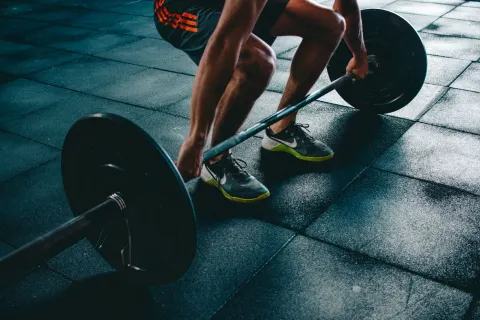
Squat: stay close without grabbing the bar
A single spotter stands close behind. Move with the person. If they stall, you are there to support the upper body so they can dump the bar onto the safeties, not to deadlift the plates from the ends. Grabbing the sleeve from the side is how people get pulled off their feet.
Heavy squats belong in a rack with arms set just below normal depth. Test that with an empty bar. People over 50, or anyone with balance doubts, should prefer the arms even more. See strength training over 50 for a slower load path that still works the legs.
Do not spot a squat in a crowded walkway. Clear plates. Clear bags. If you cannot stand behind without blocking a path, wait.
What spotting is not
It is not a chance to film someone. Ask before you record, and expect no. It is not a chance to correct every inch of their back angle. One cue is plenty if they asked.
Deadlifts, Olympic lifts, and most machines are not conventional spotted lifts. Give space. Do not dive at a falling bumper. A hybrid strength and cardio week still needs the same manners. Tired people miss cues. Keep the talk short.
If something goes wrong
If the bar is on the safeties, stop. Help them out. Do not add another attempt “to finish the set”. If they feel faint, sit them down. If they have chest pressure, sudden severe breathlessness, or they cannot talk sense, call emergency services. NHS heart-attack pages and the American Heart Association list those as stop-now signs.
You are not a clinician. You are a person who can fetch staff and keep the area clear. Do not let them drive themselves. Stay until help takes over.
Ordinary muscle effort includes a red face and heavy breathing that settles. When in doubt, take the bar. Pride is a poor spotter.
A pre-set script for asking, declining and agreeing cues
Ask clearly: “Could you spot my third set of bench at about 80 kg? I’ll say ‘take it’ if I need you.” Accept “no” without drama — not everyone is free or confident. If you decline, say so early so they can wait for another person or lower the load.
Agree lift-off needs, how many reps they plan, and whether you touch only on failure. On squat, stand close without smothering; on bench, use an overhand mixed readiness without ripping the bar sideways.
After the set, help rerack evenly and step out of the next lifter’s path.
| Lift | Do | Don’t |
|---|---|---|
| Bench | Even hand readiness, agreed lift-off | Touch every easy rep |
| Squat | Arms ready near torso/bar path | Yank one side hard |
| Either | Clear cues | Film instead of spotting |
| Either | Collars on | Abandon mid-set for a phone |
Progression notes for spotting etiquette
It is not forced coaching commentary on every rep.
It is not a chance to half-rep the bar for your own pump.
It is not required for every light warm-up — ask for working sets that matter.
Teaching a new gym partner to spot in five minutes
Show safeties first. Demonstrate the lift-off. Practise one light set where they only watch hand position. Then work up.
Agree a single verbal cue for takeovers. Thank them after — civility keeps partners willing.
If they are unsure, choose dumbbells that day. Uncertainty under a heavy bar is unsafe.
Who should modify spotting etiquette
Dump to safeties when available rather than twisting heroically.
If a lifter is injured, stop the set, keep the area safe, and fetch staff or emergency help for serious head, neck or chest trauma.
People uncomfortable spotting heavy singles should say so — machines and lighter loads exist.
Coaching cues and checkpoints for spotting etiquette
Return to the key prescriptions for spotting etiquette already set out above and execute them as written for two consecutive sessions before you invent variations.
Use the checkpoints below as a quick pre-set scan for spotting etiquette. If any line fails, fix that line before you add load, speed or volume.
- Bench: Even hand readiness, agreed lift-off — Touch every easy rep
- Squat: Arms ready near torso/bar path — Yank one side hard
- Either: Clear cues — Film instead of spotting
- Either: Collars on — Abandon mid-set for a phone
After those two honest sessions, change only one variable in spotting etiquette: a small load jump, one extra repeat, a slightly longer interval, or one fewer accessory set. Write the change in the log before you warm up.
Stop for sharp pain, chest pain, faintness or unusual breathlessness. Call 999 or 911 for sudden severe symptoms. This article is general information, not a diagnosis or a personalised rehab plan.
Frequently asked questions
Do I still need spotting etiquette if the rack has safety arms?
Is it rude to say no when someone asks for a spot?
Should I touch the bar on every repetition?
Can two people spot a heavy squat from the sides?
What if I feel unwell while I am being spotted?
Sources
- 1. Physical activity guidelines for adults aged 19 to 64
- 2. Heart attack symptoms
- 3. Warning signs of a heart attack
- 4. Adult physical activity guidelines
- 5. Physical activity guidelines
- 6. Exercise and physical fitness
- 7. Safe use of work equipment
Guidance changes. Figures were checked against the sources above at the time of review; always confirm current advice with your GP, pharmacist or clinician.
Image credits
- Photo: Photo by Yan Krukau on Pexels / Openverse
- Photo: Photo by Victor Freitas on Pexels / Openverse
Was this useful?
Anyone can react — no account needed.


Discussion
0 comments · Name and email only · Email is never shown