Training Practical guide
Beginner Olympic Lifting: Why Coaching Matters Before the Bar Goes Overhead
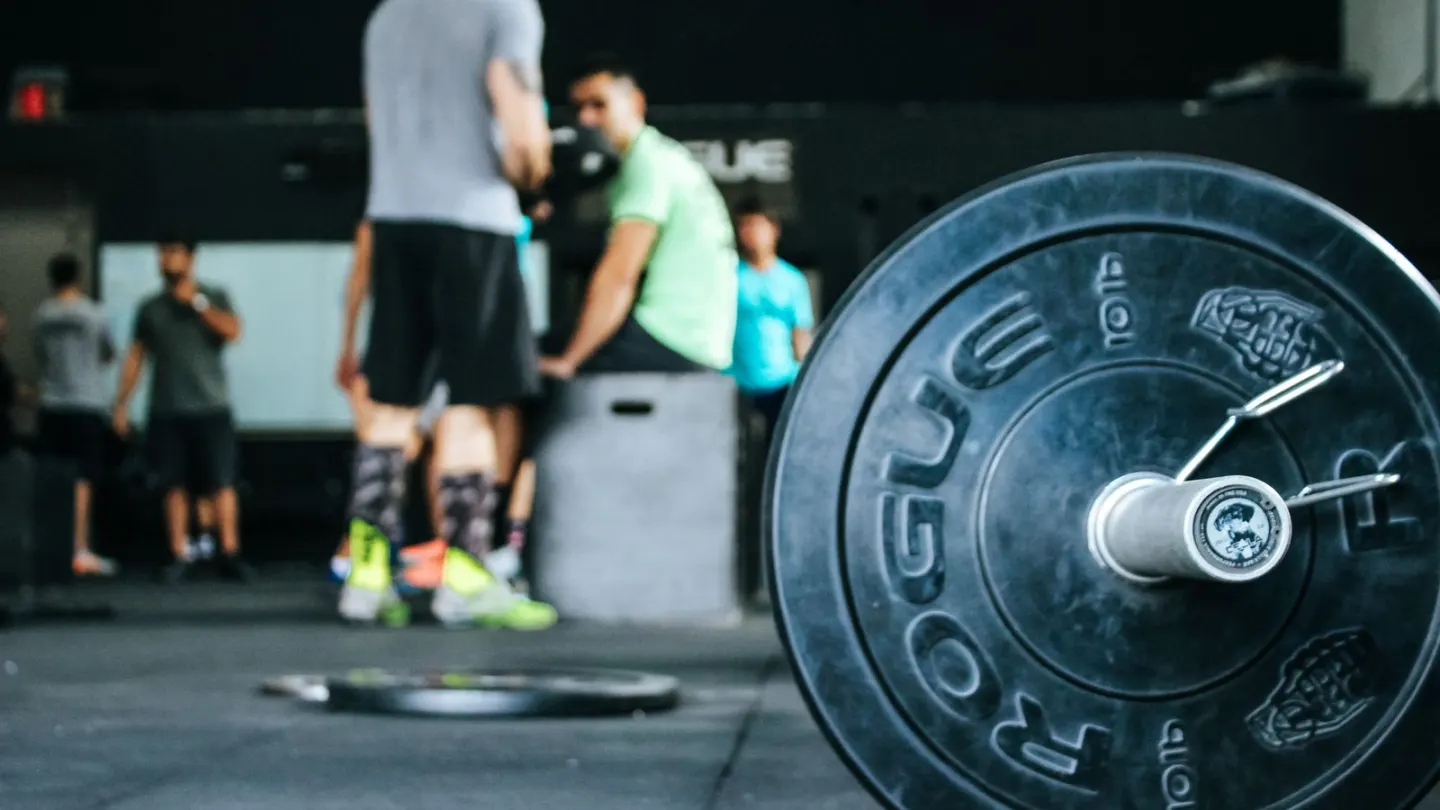
Beginner Olympic lifting is the snatch and the clean and jerk, not a random bar overhead. Learn those lifts with a coach, a stick or empty bar, and a plan to miss safely. Videos cannot catch your elbows in the room.
The lifts are fast. The bar travels from the floor to overhead in one piece of skilled work. That is why national bodies tell novices not to copy a feed. ACSM still wants regular muscle work. It does not ask you to throw a loaded bar overhead on day one.
This guide is for adults who want the Olympic lifts after they can squat, hinge, and press with quiet form. It is not a competition plan. It is not a diagnosis. If a joint already hurts, get that checked before you add speed.
What beginner Olympic lifting actually is
Olympic weightlifting is two competition lifts. The snatch sends the bar from the floor to overhead in one motion. The clean and jerk splits the job: the clean stands you up with the bar on the shoulders, then the jerk drives it overhead.
Gym “Olympic” work often means power cleans, hang snatches, or push presses. Those are cousins. They still need coaching if the bar is going overhead at speed. A slow shoulder press is a different skill. Do not treat them as the same lift.
ACSM’s 2026 review is blunt about methods. Complex extra tactics are optional for general fitness. The win for most adults is regular resistance work they will repeat. Beginner Olympic lifting is a sport skill on top of that base. It is optional health work, not a required badge.
If you mainly want stronger legs and a safer back, a squat, a hinge, and a press already cover a lot. A beginner gym workout plan can build that base first. Add the Olympic lifts later if you enjoy them and have a coach in the room.
Why coaching comes before the bar goes overhead
Speed hides errors. A squat that is a little high is ugly. A snatch that is a little early can dump the bar behind you. You cannot see your own hips in real time. A coach can.
ACSM asks programmes to fit the person, with safety as part of the design. CDC adult pages still want muscle-strengthening on two or more days a week. They also expect you to start at a level you can control. Overhead speed with load is not that starting level.
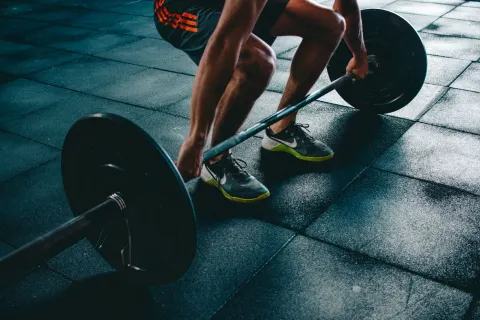
A first block is usually a stick, a plastic pipe, or an empty bar. You learn the pull to the hip, the turnover, and a stable catch. You also learn to miss. Dropping the bar in front is a skill. Frozen elbows under a falling bar are not.
Look for a coach with a known weightlifting award and first aid. Ask how they teach misses. Ask how they progress load. A guide to racks and spotting covers general barbell safety. Olympic platforms add bumper plates, space behind you, and a clear dump zone.
| Stage | What you practise | Load and volume cue |
|---|---|---|
| 0. Base | Squat, hinge, press, and pull with quiet form | 2 muscle days a week; several clean reps left |
| 1. Pattern | Stick or empty bar; hang positions; how to miss | Many easy reps, few in a set, coach in the room |
| 2. Slow load | Light bumper plates; same positions as stage 1 | Stop a set while the bar path still matches |
| 3. Speed under control | Power variants or full lifts as the coach sets | Low reps, long rests, no last-rep grind |
| Do not skip to | Heavy overhead work copied from a video | Load without a miss plan or a clear platform |
Positions, mobility and the empty-bar months
You need enough ankle, hip, and shoulder range to sit in the catch. If a front squat already rounds or a press already shrugs into the ears, overhead speed will not fix that. Slow the catch. Raise the start. Use blocks. A coach should change the lift to the body you have today.
Wrist position in the front rack can feel odd at first. That is common. Pain is not. Numb fingers, a sharp front-shoulder pinch, or a low-back stab are stop signs. Reduce range. Reduce load. Get a person, not a comment thread, to look at the pattern.
Keep reps low on the skill work. Three tidy singles beat eight messy ones. Rest well between attempts. This is not a circuit. The aim is the same bar path, not a sweat score. Our progressive overload guide still applies: change one thing, then wait.
How to miss, and what kit actually matters
Learn the dump before the heavy day. For a failed snatch, push yourself away and let the bar fall in a clear space. For a failed jerk, the same idea applies: get out, do not freeze under it. Practise with a light bar on a platform with bumper plates.
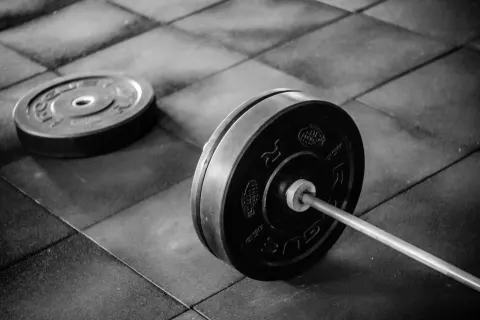
You want space behind you and to the sides. Other people’s walking lanes are not a dump zone. Collars should be tight. A mixed gym with hard floors and no bumpers is a poor classroom. Ask staff where Olympic work is allowed.
Shoes with a small heel can help some lifters sit in the catch. They are not magic. Flat shoes plus a shorter catch also work if a coach sets that plan. Lifting straps are not a beginner need. Gloves that fight the hook grip often get in the way.
MedlinePlus strength pages still stress slow progress and control. That advice holds when the lift is fast. Speed is the skill. Load is the last dial. If you are over 50 and new to overhead work, the same rule is stricter. See our note on strength training over 50 before you add a jerk.
Where Olympic lifts fit in a health week
NHS adults still need about 150 minutes of moderate activity a week, or 75 minutes vigorous, plus muscle work on two or more days. CDC and WHO use the same aerobic floor. Olympic sessions can be one of those muscle days. They do not replace a walk.
Keep a simple second day: squat or sit-to-stand, a row, a press, and a carry. That covers people who only lift twice. Skill work does not need to fill the diary. Two coached hours a week is already a lot of nervous-system work.
Sleep and food still do the boring job. A meal with protein and carbohydrate around training is enough for most adults. Extra unlicensed powders are not part of learning a snatch. If you take blood-pressure tablets or have a heart history, ask a clinician before first attempts at speed under load.
Red flags that mean you stop the overhead plan
Sharp pain in a shoulder, elbow, wrist, or the low back is a stop. So is dizziness, chest pain, or unusual breathlessness. Call 999 or 911 if those signs are sudden. Do not “push through” a miss that tweaked a joint.
Copying a maximal attempt from a champion’s video is another red flag. Their positions were built over years. Yours were not. If a class treats every clean as a test of character, leave. Skill sports reward patience. They punish pride.
If you cannot find a coach, stay with slower lifts. You will still meet NHS and CDC muscle-day advice. The Olympic lifts can wait. They are not a moral requirement. They are one way to train, and only when the room is set up to miss.
What beginners should master first
Before a snatch or clean and jerk appears in a programme, you should already own a strong hinge, a confident front rack, and an overhead position that does not force the ribs to flare. For most adults that means months of goblet squats, Romanian deadlifts, push presses and pull-ups or rows — not a weekend course and a maximal lift on Monday.
A sensible gate is simple: you can front squat a load that feels challenging for five controlled repetitions with elbows high, and you can park a light barbell overhead for twenty seconds without shrugging or bending the elbows. If either test fails, keep building those positions. Olympic lifts amplify what you already have; they do not create it.
Coaching and loading rules that keep people safe
Learn the lifts with a coach who watches from the side and the front, ideally with video. Online tutorials help with vocabulary, but they cannot catch an early arm bend or a cut-off pull in real time. Keep every teaching set light enough that footwork stays quiet and the bar path looks like a straight-ish vertical line on film.
Progress with consistent positions, not weekly maxes. Many beginners do well with three technique sessions a week, each ending far from failure. Add load only when the last warm-up set looked identical to the first. Pain in the wrists, elbows or lower back that lingers overnight is a stop signal, not a badge of work rate.
| Checkpoint | Pass look like | If you fail |
|---|---|---|
| Hinge pattern | Soft knees, long spine, bar close | Keep Romanian deadlifts and kettlebell swings |
| Front rack | Elbows up, wrists calm, ribs down | Use push press and front-loaded squats |
| Overhead | Biceps by ears, ribs stacked | Landmine presses and wall slides first |
| Landing | Quiet feet, knees track over toes | Drop jump height and practise tall cleans with PVC |
Frequently asked questions
Can I learn beginner Olympic lifting from videos at home?
Do I need Olympic lifting to get stronger?
How light should the bar be at the start?
Are hang snatches safer than lifts from the floor?
What if I am over 50 and new to these lifts?
Sources
- 1. ACSM publishes updated resistance training guidelines
- 2. ACSM position stand on resistance training prescription
- 3. Physical activity guidelines for adults aged 19 to 64
- 4. Adult activity guidelines
- 5. Strength training: how to get started
- 6. Physical activity fact sheet
- 7. Strength exercises
Guidance changes. Figures were checked against the sources above at the time of review; always confirm current advice with your GP, pharmacist or clinician.
Image credits
- Photo: Photo by Victor Freitas on Pexels / Openverse
- Photo: Photo by Ivan Samkov on Pexels / Openverse
Was this useful?
Anyone can react — no account needed.


Discussion
0 comments · Name and email only · Email is never shown