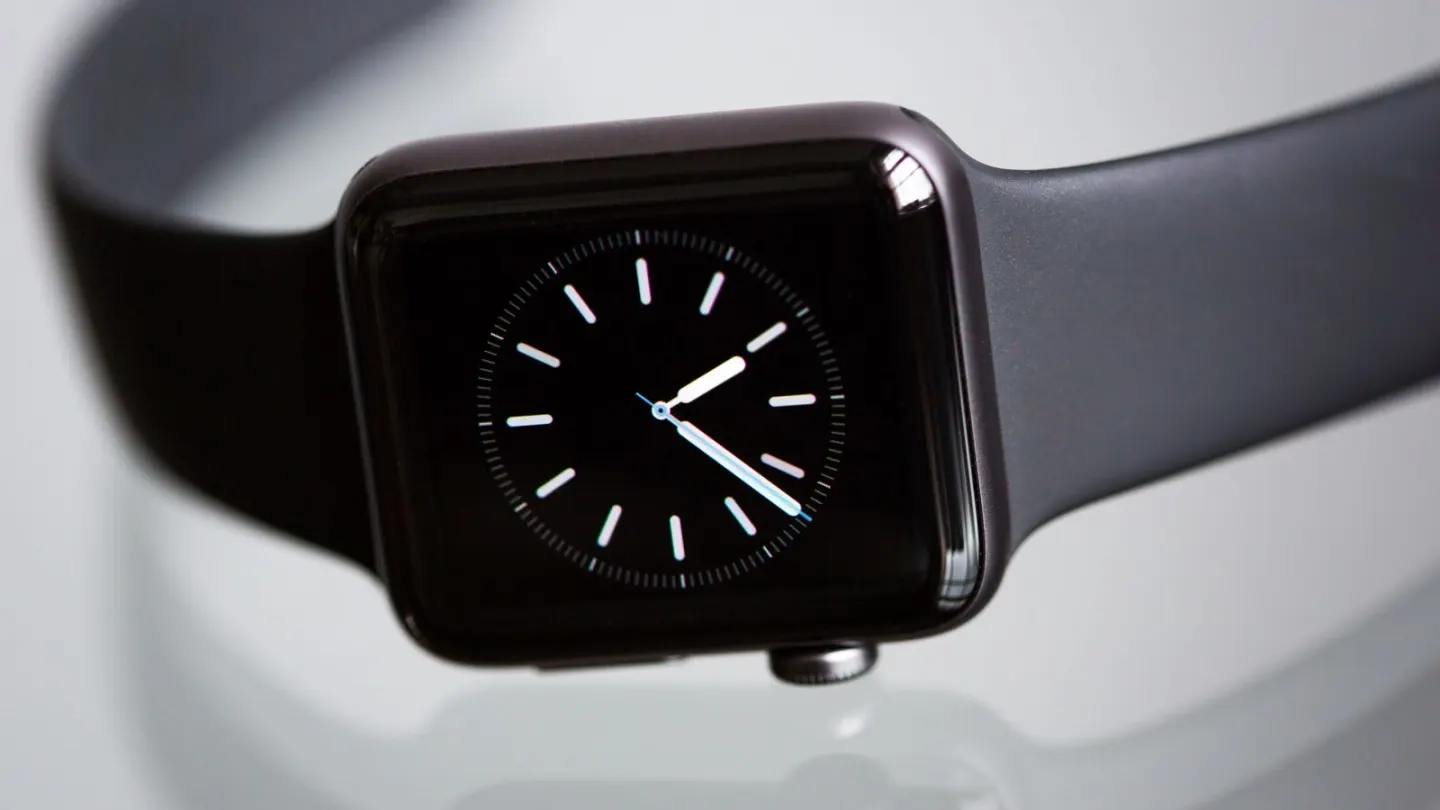
Sleep tracker accuracy is a measurement question, not a shopping trophy. Wristbands, rings and nightstand phones guess from motion, heart-rate signals or sound. A clinic night records brain waves. This is a source-reviewed guide, not a hands-on lab test.
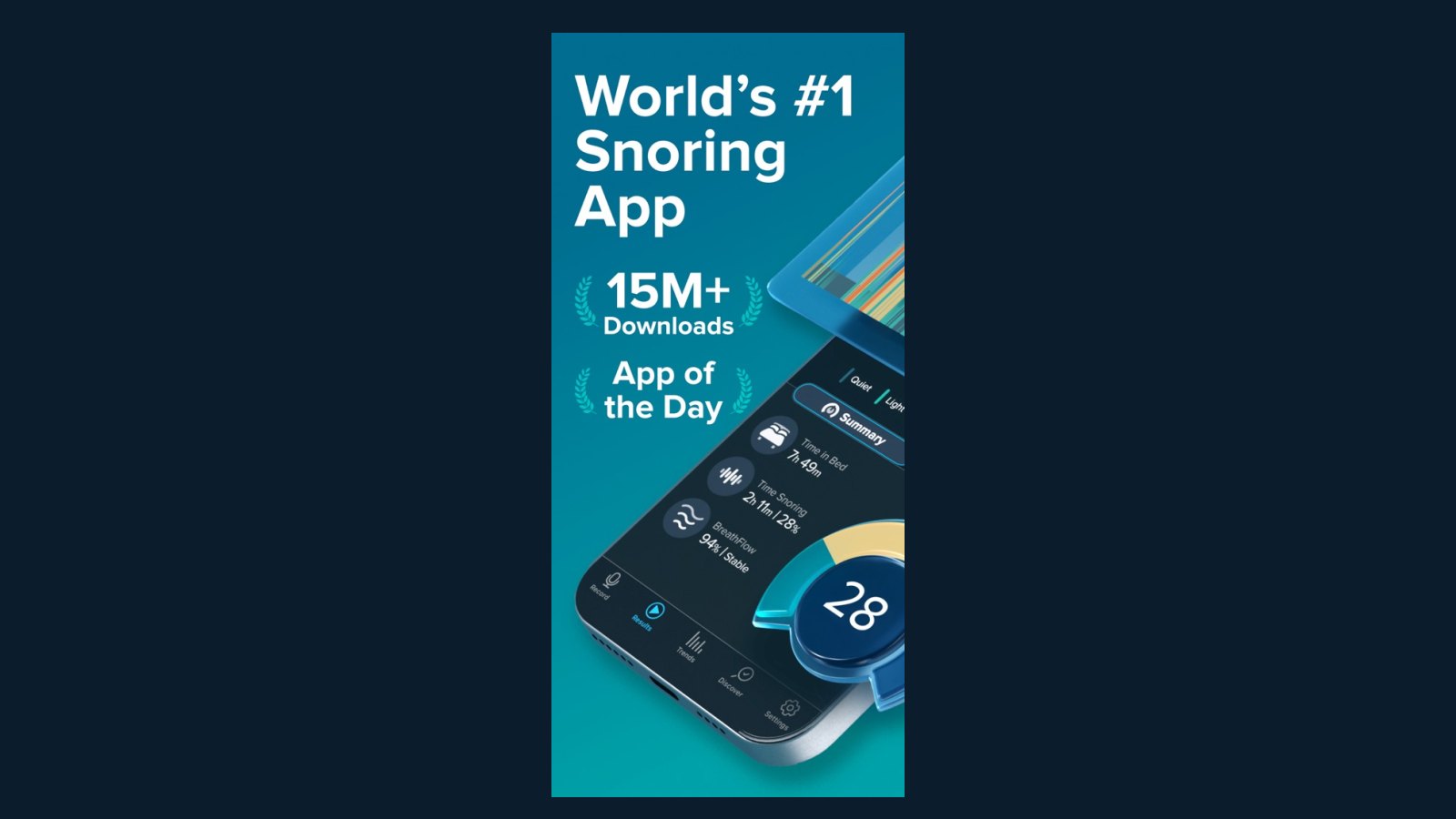
Product pages on the best sleep trackers hub sell a nightly score. This page asks what published nights actually measured. Entity write-ups of SleepScore, Sleep as Android and SnoreLab stay on features and prices. They are not a validation certificate.
What sleep tracker accuracy actually means
A useful paper names the device, the firmware era, the people and the reference. The usual reference is expert-scored PSG. Actigraphy is a weaker comparator. A store star is not a comparator at all.
Two numbers matter first. Sensitivity is the share of true sleep epochs the device also calls sleep. Specificity is the share of true wake epochs it calls wake. High sensitivity with low specificity is the usual consumer pattern: the gadget is good at saying you are asleep and poor at catching quiet wake.
That pattern inflates total sleep time. It shrinks wake after sleep onset. It can make a broken night look tidy. Sleep tracker accuracy for “how long was I out?” is therefore a different claim from “which stage was that minute?”
Sleep versus wake: the stronger claim
Chinoy, Cuellar, Huwa and colleagues (SLEEP, 2021) brought 34 healthy young adults (22 women; mean age 28.1) into a lab for three nights. One night was disrupted. They wore or placed a subset of seven consumer tools plus a Philips Actiwatch 2, all against PSG.
Five devices — Fatigue Science Readiband, Fitbit Alta HR, EarlySense Live, ResMed S+ and SleepScore Max — matched or beat actigraphy on sleep/wake summary metrics. Two Garmin watches did worse. Across devices, epoch sensitivity stayed at or above 0.93. Specificity sat between 0.18 and 0.54. Performance slipped when sleep efficiency was already poor.
Haghayegh’s 2019 Fitbit review is older hardware, but the direction is the same. Motion-only bands overestimated total sleep time and sleep efficiency and underestimated wake after sleep onset. Later models that added heart-rate variability did better on those totals. They still missed a large share of wake epochs.
| Question or claim | Evidence source | Study type | Population | Reference standard | Outcome | Key finding | Limitation | Applicability |
|---|---|---|---|---|---|---|---|---|
| Newer consumer devices match PSG for sleep and wake | Chinoy et al., SLEEP, 2021 | Lab validation vs PSG and actigraphy | 34 healthy adults; three nights, one disrupted | PSG; Actiwatch 2 | Epoch sensitivity / specificity; summary bias | Sensitivity ≥0.93; specificity 0.18–0.54; five of seven devices ≥ actigraphy on sleep/wake; stages mixed | Young, healthy sample; lab nights; 2019-era firmware | Healthy lab sleep, not insomnia or apnoea clinics |
| Fitbit wristbands can replace PSG for totals | Haghayegh et al., JMIR, 2019 | Systematic review; 8-study meta-analysis | 22 papers; mixed Fitbit generations | Mostly PSG | TST, SE, WASO, SOL; epoch stats | Older models overestimated TST (~7–67 min) and SE (~2–15%). Staging models closer on TST/SE/WASO; wake specificity 0.58–0.69 | One brand family; firmware ages fast | Useful for rough trends, not a clinic night |
| 2024 rings and watches match PSG sleep duration | Robbins et al., Sensors, 2024 | Single-night inpatient PSG | 35 healthy adults, ages 20–50, no known sleep disorder | PSG | Sleep/wake sensitivity; stage sensitivity; minute bias | Sleep/wake sensitivity ≥95%. Stage sensitivity 50–86%. Duration close for all three. Deep-sleep minute errors were large on Apple Watch (−43 min) | One night; healthy sleepers; some missing device files | Healthy adults in a lab, not your 2026 firmware |
| A phone app can score sleep-wake like PSG | Fino et al., J Sleep Res, 2020 | Home portable PSG vs four iPhone apps | 21 healthy adults | Home PSG | Sleep-wake reliability | Sleep Cycle sound and motion modes failed the authors’ reliability bar. Time in bed still correlated | Small n; older app builds | Nightstand phones, not wrist PPG |
| Clinicians can use a consumer score as a diagnosis | Khosla et al., AASM position, 2018 | Professional position statement | Clinical care | PSG / clinic evaluation | Permitted use | Uncleared consumer sleep technology cannot diagnose or treat sleep disorders. It may support a conversation | Statement age; some later clearances exist for other products | Still the default clinic line unless a named clearance exists |
Phone apps versus wearables
A wrist photoplethysmography band sees pulse and motion on one body. A microphone hears the room. Sonar hears reflections from the bed. Those are not interchangeable instruments. Sleep tracker accuracy claims should name the sensor.
Zaffaroni and colleagues (IEEE EMBC, 2019) compared smartphone sonar with expert PSG in 38 lab nights. That paper belongs to the SleepScore / ResMed sonar family, not to every nightstand app. Fino’s 2020 home study is the caution for microphone and accelerometer apps, including Sleep Cycle.
Audio-only tools such as Pzizz do not claim epoch scoring in the papers we opened. Do not borrow a wearable kappa and paste it onto a soundtrack.
When nights get messy
Chinoy’s disrupted night is the practical warning. Devices that look tidy on a solid lab sleep lose ground when sleep fragments. Quiet wake, a partner, alcohol, a fever or a new baby can all move the error. Most validation samples excluded people with diagnosed sleep disorders.
Robbins 2024 enrolled healthy adults only. Screening tools for insomnia, apnoea and narcolepsy were used to keep those people out. A good-looking mean in that group does not travel to a clinic waiting room.
A 2025 six-wearable PSG paper in Nature and Science of Sleep (PMC12038347) reported the same shape in 62 participants: sleep-epoch detection above 90%, wake specificity 29–52%, Cohen’s kappa 0.21–0.53 (fair to moderate). Totals for light sleep, efficiency and wake after sleep onset often differed from PSG.
What clinic guidance says
AASM 2018 is still the short rule. Consumer sleep technology that lacks FDA clearance is not a diagnostic or treatment device. It may start a talk. It does not close a case.
NHS insomnia pages point to habits and a GP, not a store graph. CDC adult pages still describe a regular opportunity for at least seven hours for most people aged 18–60. A tracker cannot mint those hours. Short sleep also sits beside appetite; see sleep and weight regulation.
If you gasp, stop breathing or nod off while driving, skip the accuracy debate. Ask for the clinic test the pathway already names.
How to read a nightly score
Use a week of time-in-bed and a simple sleep-wake sketch as a diary. Compare nights to yourself, not to a stranger’s 94. Treat a 10-minute stage swing as noise. Treat a two-hour collapse in time asleep as a prompt to look at caffeine, light, pain or mood — or to see a clinician if symptoms sit with it.
Do not chase deep-sleep minutes. Robbins 2024 showed large deep-sleep biases on at least one popular watch even while total sleep looked close. Stage claims belong on the companion page about sleep stage tracker accuracy.

What remains unverified
We did not re-run these protocols. Firmware, straps and phone models move. A 2019 Fitbit is not a 2026 Fitbit. A 2021 Max unit is not every 2026 Play sonar build.
Independent branded PSG papers are still scarce for many store apps. Until a named build sits in a registered study against PSG, the fair sentence is short. Sleep tracker accuracy is good enough for a diary of sleep versus wake in healthy lab samples. It is not a substitute for a sleep study.
Frequently asked questions
Are consumer sleep trackers accurate?
Which device type is most accurate?
Can a tracker replace a sleep study?
Why does my watch say I slept when I was awake?
Should I trust a 0–100 sleep score?
Do phone apps match wearables?
Sources
- 1. Performance of seven consumer sleep-tracking devices compared with polysomnography
- 2. Accuracy of Wristband Fitbit Models in Assessing Sleep: Systematic Review and Meta-Analysis
- 3. Accuracy of Three Commercial Wearable Devices for Sleep Tracking in Healthy Adults
- 4. (Not so) Smart sleep tracking through the phone
- 5. Consumer Sleep Technology: An American Academy of Sleep Medicine Position Statement
- 6. About Sleep
Guidance changes. Figures were checked against the sources above at the time of review; always confirm current advice with your GP, pharmacist or clinician.
Image credits
- Photo: Photo by Torsten Dettlaff on Pexels / Openverse
- Photo: Photo by Jean van der Meulen on Pexels / Openverse
- Photo: Photo by Pixabay on Pexels / Openverse
- Photo: Photo by KATRIN BOLOVTSOVA on Pexels / Openverse
Was this useful?
Anyone can react — no account needed.
Discussion
0 comments · Name and email only · Email is never shown