
Fibre for fullness is a quieter tool than a crash diet. Oats, beans, and potatoes with skins add bulk. They slow the meal. They do not melt fat. This guide turns NHS and US fibre figures into swaps you can cook on a weeknight.
Many adults eat less fibre than public-health pages ask for. Doubling overnight often brings wind and a bad mood. One extra portion of vegetables, or a swap to wholemeal bread, is a kinder start. Keep water nearby as you add plant foods.
Why fibre for fullness belongs in a weight plan
Fibre is the part of plant foods that mostly leaves the small gut undigested. Some types add bulk. Some form gels. Many feed gut bacteria. CDC pages on fibre say it moves slowly through the stomach. That can help you feel full for longer. It can also help bowel regularity.
Fullness is not a promise of weight change. A large bowl of chilli with beans can still be a high-energy meal if the toppings are heavy. The useful trick is volume. Vegetables, pulses, and wholegrains take up space. Sugary drinks do not.
CDC fruit and vegetable advice is blunt on juice. Eat whole fruit when you can. Juice has little fibre, so it fills you less. That matters if you are using fibre for fullness rather than chasing a smoothie advert.
Energy still counts. Our guide to daily calorie needs explains the wider budget. Fibre sits inside that budget. It does not sit above it.

UK and US fibre numbers in plain English
NHS fibre pages say government guidelines ask adults to reach 30 g a day. They also say most adults average about 20 g. The gap is real. It is not a reason to eat a box of bran at midnight.
US figures look slightly different because they scale with energy and age. CDC fibre guidance, drawing on the Dietary Guidelines, puts adult needs around 22 to 34 g a day. The Nutrition Facts Daily Value is 28 g. Do not treat 30 versus 28 as a transatlantic fight. Both point to more plants.
| Source and topic | Figure | What it means this week |
|---|---|---|
| NHS adult fibre target | 30 g a day | Most adults average about 20 g, so the gap is roughly one extra plant-rich meal |
| NHS “high fibre” label | 6 g or more per 100 g | A pack claim you can check in the shop |
| US adult range (CDC / Dietary Guidelines) | About 22 to 34 g a day | Varies with age and sex; spread it across meals |
| US Nutrition Facts Daily Value | 28 g | The percentage on a US label uses this as 100% |
A tape measure still beats a panic weigh-in if clothes feel different. See BMI and waist circumference for why one number is a blunt tool. Fibre is a plate habit. It is not a grade.
Swaps that add bulk without a fibre pill
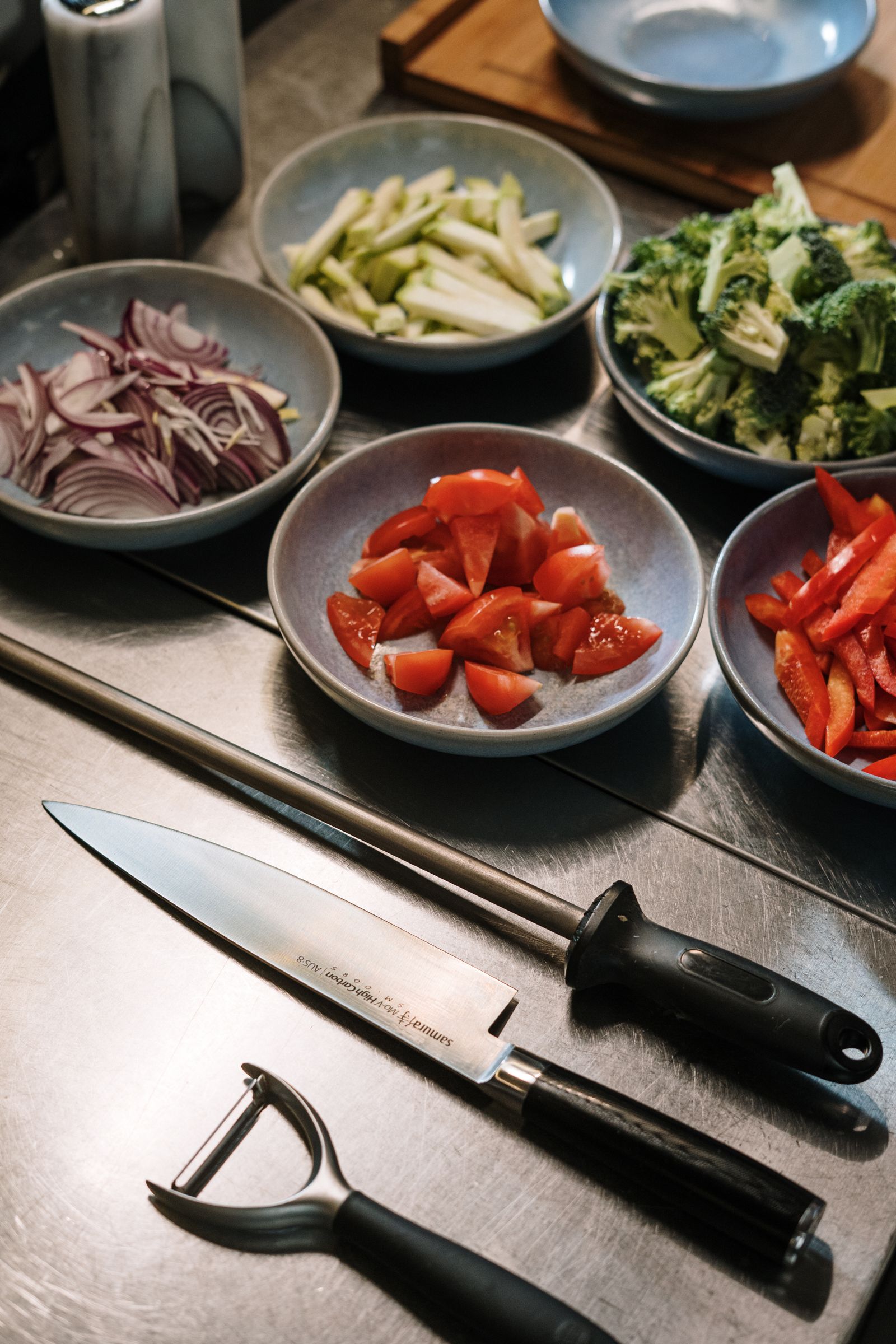
Breakfast: porridge or plain wholewheat biscuits instead of a sugary flake. Add fruit. Lunch: wholemeal bread, or leftover barley with chickpeas. Dinner: keep skins on potatoes. Stir a mug of frozen mixed vegetables into a jar sauce. Add a drained tin of lentils to mince.
NHS snack ideas transfer well: fruit, vegetable sticks, oatcakes, rye crackers, unsalted nuts, and seeds. A small handful of nuts is enough. Nuts are filling and energy-dense. Eat them from a dish, not from the bag at the sink.
Protein still helps the same plate. Beans already bring both. Eggs or yoghurt can sit beside oats. For a wider gram map, use our everyday protein intake guide. Fibre for fullness works better when the meal also has a protein food and some fat, such as olive oil on vegetables.
A fibre bar is not the same as beans on toast. Isolated powders can raise a label number. They do not bring the same mix of vitamins and food structure. Use food first. Ask a pharmacist before a supplement if you take medicines, because some fibres change absorption.
Increase slowly, and keep a drink nearby
A sudden jump can cause gas, bloating, or urgency. Change one thing every few days. Swap the bread. Then add beans twice a week. Then keep the skins on. Chew well. Sit down for the meal so you notice fullness.
NHS fluid advice is about 6 to 8 cups or glasses a day. Water, lower-fat milk, and unsweetened tea and coffee count. Fibre holds water in the gut. If you add bran without drinks, constipation can worsen. That is a plumbing issue, not a willpower issue.
Some people with irritable bowel syndrome react to certain high-fibre foods. That does not make fibre the enemy. A dietitian can change the type and amount. Do not copy a strict online list without support.
Fibre, walking, and the rest of the week
Movement helps bowel habits for many people. A 20-minute walk after dinner is a simple add-on. Strength work twice a week helps muscle while you change how you eat. See strength training over 50 if you want a cautious plan and it is safe for you.
Seek medical care for blood in stools, black stools, unexplained weight loss, or a lasting change in bowel habit. Those are clinic problems. They are not a cue to buy another cereal. People with bowel strictures or a prescribed low-fibre diet should not raise fibre without their team.
Behaviour examples you can try without miracle claims
Approaches related to fibre for fullness are more useful when they name behaviours, not guaranteed kilogram outcomes. Weight changes slowly for most people, fluctuates with fluid and hormones, and responds differently across ages, medicines and health conditions. Aim for patterns you can repeat on an ordinary Tuesday — not a transformation promise.
Concrete behaviour examples (pick one or two, not all):
- Protein-forward breakfast: eggs on toast, Greek yoghurt with fruit, or tofu scramble — then notice afternoon snack urgency for a week.
- Fibre swap: keep the meal you already like; add beans, veg or whole grains so the plate is more filling without a dramatic “diet overhaul.”
- Liquid audit: list weekday drinks; replace one sugary or alcoholic item with water, tea or a smaller pour, three days this week.
- Walk anchor: ten minutes after lunch or dinner on workdays; mark it on the calendar like a meeting.
- Kitchen default: put washed fruit or pre-cut veg at eye level; move ultra-palatable snacks out of easy reach if that reduces autopilot eating.
None of these “melt fat” on a schedule. They change the environment and the average day, which is how sustainable weight-related habits usually work.
How to judge progress without chasing the scale alone
| Signal | What to notice | Caution |
|---|---|---|
| Weekly average weight | Trend over 3–4 weeks if you choose to weigh | Daily swings are mostly fluid; do not punish a single morning |
| Waist or how clothes fit | Same method, same time of day | Not everyone should focus on measurements — skip if it harms mood |
| Energy and training | Can you complete planned walks or sessions? | Persistent exhaustion means the plan may be too aggressive |
| Hunger and mood | Manageable appetite, not constant preoccupation | Obsession, secrecy or compensatory purging needs clinical help |
If you have a history of disordered eating, are pregnant, underweight, frail, or living with a condition where weight loss is not appropriate, do not start a deficit because an article suggested it. Ask a clinician what “healthy” means for you. Stigma in healthcare is real — you can ask for respectful, behaviour-focused care and a second opinion if needed.
Food and drink levers with realistic expectations
Protein and fibre often help fullness; liquid calories and alcohol are easy to under-count. Read UK front-of-pack traffic lights or US Nutrition Facts with portion size in mind — the package is rarely the portion you pour. Meal replacements can be a short structured tool under professional guidance for some people; they are not required for health and are a poor forever plan if they leave you without cooking skills or social flexibility.
Very low calorie approaches and aggressive deficits need medical oversight because of nutrient risk, gallstones, lean-mass loss and rebound. If a product or influencer promises rapid permanent loss without behaviour change, treat that as marketing, not evidence.
Safety boundaries for any weight-related plan
Stop and seek care if you notice fainting, chest pain, severe dizziness with exertion, signs of an eating disorder, or mood collapse tied to restriction. Children, teens, and people with certain chronic illnesses need specialist guidance — adult internet plans do not transfer safely. No article can guarantee weight loss, a clothing size, or disease reversal.
A fortnight experiment without all-or-nothing rules
Choose one behaviour from this article related to fibre for fullness. Run it for fourteen days. Keep meals socially normal enough that you could tell a friend what you are doing without embarrassment. At day 14, keep, adjust, or drop based on hunger, mood, and whether the behaviour survived two busy weekdays — not based on a single weigh-in.
Medical note. This article is general information, not a diagnosis or a personal treatment plan. It does not replace advice from a GP, pharmacist, registered dietitian, physiotherapist, or other qualified clinician. Seek urgent help for severe, sudden, or rapidly worsening symptoms. UK readers can use NHS 111 for urgent advice; US readers can use local urgent care or emergency services when needed.
Frequently asked questions
Can I reach 30 g of fibre from fruit and vegetables alone?
Does fibre cancel calories?
Is a smoothie a good way to get fibre for fullness?
Should I take a fibre supplement for weight?
Sources
- 1. How to get more fibre into your diet
- 2. Fiber: The Carb That Helps You Manage Diabetes
- 3. Tips for Increasing Vegetables and Fruits in Your Diet
- 4. SACN Carbohydrates and Health report
- 5. Water, drinks and hydration
Guidance changes. Figures were checked against the sources above at the time of review; always confirm current advice with your GP, pharmacist or clinician.
Image credits
- Photo: Photo by Klaus Nielsen on Pexels / Openverse
- Photo: Photo by Mikhail Nilov on Pexels / Openverse
Was this useful?
Anyone can react — no account needed.




Discussion
0 comments · Name and email only · Email is never shown