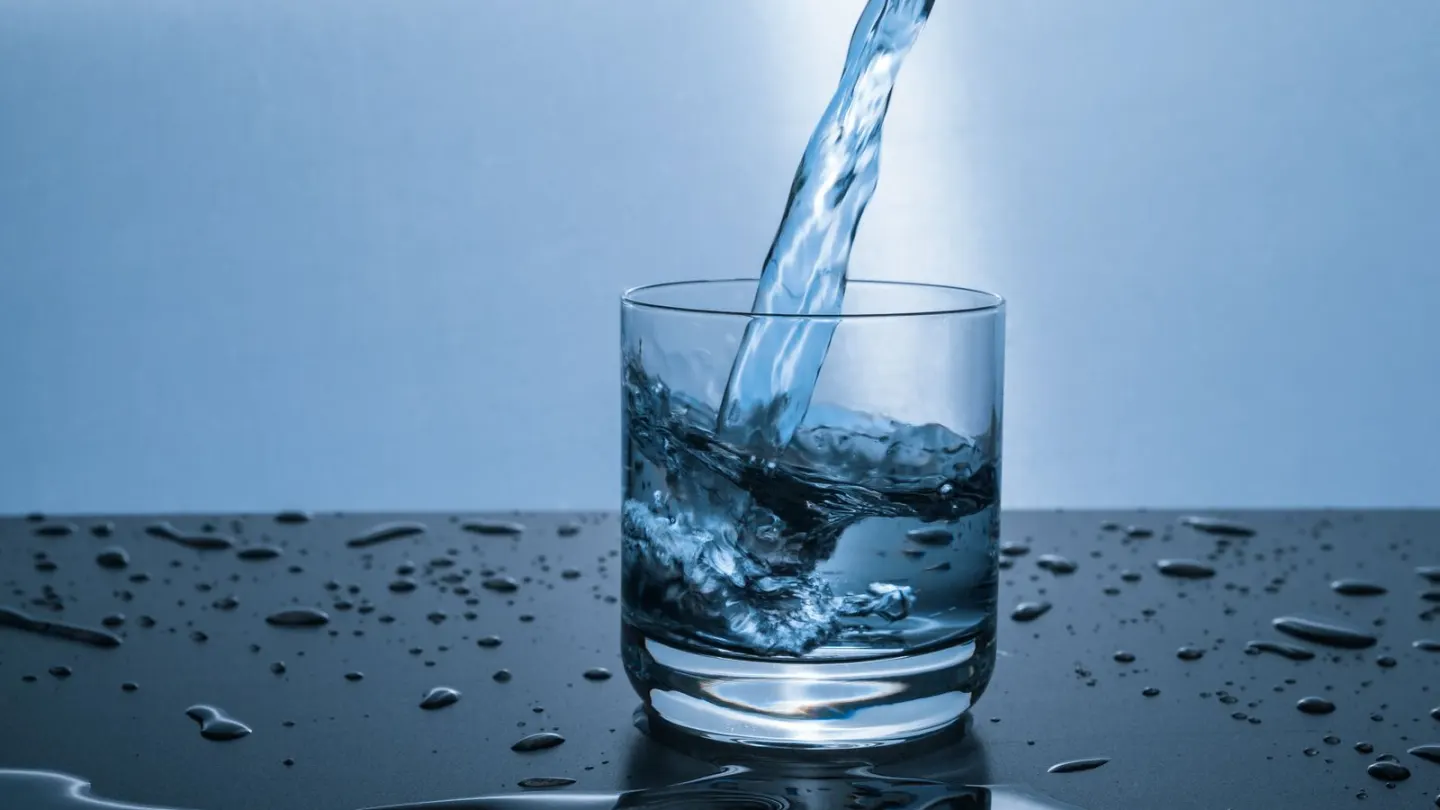
Hydration and appetite are often sold as one trick: drink water and hunger vanishes. Thirst and habit are real. Water still cannot cancel a large energy gap on its own. This guide splits what fluid can do from what it cannot.
NHS advice is modest. Aim for pale yellow urine. Six to eight cups or glasses of fluid a day is a government guide, not a personal prescription. CDC adds a calorie point. Water has none, so swapping it for sugary drinks can cut energy intake. That is a drink swap. It is not an appetite switch.
Hydration and appetite are not the same signal
Thirst is a water request. Hunger is a food request. They can arrive together after a hot walk or a salty lunch. They are still different jobs. Sipping water because your mouth is dry is sensible. Sipping water because a social feed told you that “hunger is thirst” is a guess.
Mild dehydration can leave you foggy, constipated, or headachy. CDC lists unclear thinking, mood change, overheating, constipation, and kidney stones among problems linked to not getting enough water. Those symptoms can feel a little like “I need a snack.” A glass of water is a fair first test. A skipped lunch is not the test.
Research on whether extra water reliably lowers meal size is mixed. Some people feel fuller with a glass before soup or stew. Others eat the same. Public-health pages do not promise that hydration and appetite will move as a pair. They promise that water hydrates and that sugary drinks add energy.
Protein and fibre do more for staying power than another pint of water. Yoghurt at breakfast, beans at lunch, and a palm of fish or tofu at dinner are food. The everyday protein guide lists ordinary portions. Water sits beside them.
| Drink | About this much | What it does |
|---|---|---|
| Plain water | A 250–300 ml glass; 0 kcal | Hydrates. Does not add energy. |
| Regular soda | 12 oz / 355 ml; about 150 kcal and >10 tsp sugar (CDC) | Thirst plus a large sugar load |
| Fruit juice | 150 ml; NHS max once a day, with a meal | Counts once toward 5 A Day; still sugary |
| Lower-fat milk | A mug; protein plus fluid | Useful at breakfast; still has energy |
| Syrup coffee | A large high-street cup; often 200 kcal or more | Habit drink, not a thirst signal |
What water can do in a normal day
Water replaces fluid lost in urine, breath, and sweat. You need more in heat, during illness with fever or diarrhoea, and after a sweaty session. NHS says water is the best way to replace those losses. Sports drinks are for long, hard efforts for most people, not for a 25-minute walk.
Carry a bottle if that cue helps. CDC suggests freezing a bottle, choosing water when you eat out, and serving water at meals. A wedge of lemon is optional flavour. The win is the swap from a second cola.
Tea and coffee count toward the NHS fluid total if you drink them without lots of sugar. Caffeine sensitivity varies. Late cups can still spoil sleep, and short sleep can raise snack drive. Hydration and appetite both get worse after a 5 a.m. finish to a 1 a.m. scroll.
Food also brings water. Stew, fruit, yoghurt, and vegetables add fluid. You do not need to drink 4 litres on a cool rest day because an app said so. Pale yellow urine is a kinder guide than a heroic litre count.
What water cannot do for hunger
Water cannot turn a 900 kcal takeaway into a light meal. It cannot fix a day of skipped food and a night of grazing. It cannot treat binge-eating. If you are using pints of water to postpone meals, stop and speak to a clinician. That pattern is not a hydration win.
Hunger after a short night, a hard session, or a low-protein lunch is often food hunger. Check the last meal. A palm of protein, a fist of starch, and two handfuls of vegetables is a plate you can still take to work. Our portion-size guide uses those kitchen cues so you are not weighing lettuce at 10 p.m.
Liquid calories still count when you are “being good” with food. Two colas at 150 kcal each are 300 kcal you barely notice. CDC’s rethink-your-drink page is about that arithmetic. Hydration and appetite myths hide it by treating all drinking as virtuous.
Energy needs still vary by size, sex, activity, and health. Water does not change that maths. The calorie needs guide is a better planning conversation than a “drink eight glasses to lose weight” slogan. Waist and BMI are context, not a scoreboard; see the BMI and waist guide.
A simple check before you open a snack
Pause for two minutes. Drink a glass of water if your mouth is dry or your urine has been dark. Then ask whether you have eaten a meal in the last four hours. If not, eat. If you have, decide whether the snack is planned, social, or a habit loop. All three can be allowed. Pretending they are thirst does not help.
At meals, serve water by default. Keep juice to the NHS 150 ml cap if you use it. Dilute squash. Choose sugar-free fizz if that is the swap that sticks, knowing it is a taste habit, not a health halo. Milk can be the protein drink at breakfast rather than a dessert coffee.
In heat or during illness, do not wait on appetite. Sip. Use oral rehydration if a pharmacist or clinician advises it. Older adults and people on some medicines can have a blunted thirst signal. That is a medical issue, not a willpower issue.
When extra fluid is the wrong project
Some heart, kidney, and liver conditions need fluid limits. Do not run a gallon challenge if you have one of those, or if you take medicines that change salt and water. Ask the clinician who knows your notes.
Stick to thirst, urine colour, and official ranges unless you have a personal plan. Extreme water contests are unsafe.
Behaviour examples you can try without miracle claims
Approaches related to hydration and appetite are more useful when they name behaviours, not guaranteed kilogram outcomes. Weight changes slowly for most people, fluctuates with fluid and hormones, and responds differently across ages, medicines and health conditions. Aim for patterns you can repeat on an ordinary Tuesday — not a transformation promise.
Concrete behaviour examples (pick one or two, not all):
- Protein-forward breakfast: eggs on toast, Greek yoghurt with fruit, or tofu scramble — then notice afternoon snack urgency for a week.
- Fibre swap: keep the meal you already like; add beans, veg or whole grains so the plate is more filling without a dramatic “diet overhaul.”
- Liquid audit: list weekday drinks; replace one sugary or alcoholic item with water, tea or a smaller pour, three days this week.
- Walk anchor: ten minutes after lunch or dinner on workdays; mark it on the calendar like a meeting.
- Kitchen default: put washed fruit or pre-cut veg at eye level; move ultra-palatable snacks out of easy reach if that reduces autopilot eating.
None of these “melt fat” on a schedule. They change the environment and the average day, which is how sustainable weight-related habits usually work.
How to judge progress without chasing the scale alone
| Signal | What to notice | Caution |
|---|---|---|
| Weekly average weight | Trend over 3–4 weeks if you choose to weigh | Daily swings are mostly fluid; do not punish a single morning |
| Waist or how clothes fit | Same method, same time of day | Not everyone should focus on measurements — skip if it harms mood |
| Energy and training | Can you complete planned walks or sessions? | Persistent exhaustion means the plan may be too aggressive |
| Hunger and mood | Manageable appetite, not constant preoccupation | Obsession, secrecy or compensatory purging needs clinical help |
If you have a history of disordered eating, are pregnant, underweight, frail, or living with a condition where weight loss is not appropriate, do not start a deficit because an article suggested it. Ask a clinician what “healthy” means for you. Stigma in healthcare is real — you can ask for respectful, behaviour-focused care and a second opinion if needed.
Food and drink levers with realistic expectations
Protein and fibre often help fullness; liquid calories and alcohol are easy to under-count. Read UK front-of-pack traffic lights or US Nutrition Facts with portion size in mind — the package is rarely the portion you pour. Meal replacements can be a short structured tool under professional guidance for some people; they are not required for health and are a poor forever plan if they leave you without cooking skills or social flexibility.
Very low calorie approaches and aggressive deficits need medical oversight because of nutrient risk, gallstones, lean-mass loss and rebound. If a product or influencer promises rapid permanent loss without behaviour change, treat that as marketing, not evidence.
Safety boundaries for any weight-related plan
Stop and seek care if you notice fainting, chest pain, severe dizziness with exertion, signs of an eating disorder, or mood collapse tied to restriction. Children, teens, and people with certain chronic illnesses need specialist guidance — adult internet plans do not transfer safely. No article can guarantee weight loss, a clothing size, or disease reversal.
Medical note. This article is general information, not a diagnosis or a personal treatment plan. It does not replace advice from a GP, pharmacist, registered dietitian, physiotherapist, or other qualified clinician. Seek urgent help for severe, sudden, or rapidly worsening symptoms. UK readers can use NHS 111 for urgent advice; US readers can use local urgent care or emergency services when needed.
Frequently asked questions
Can drinking water before meals cause weight loss?
How much should I drink each day?
Is tea as good as water for hydration?
Why am I still hungry after lots of water?
Sources
- 1. NHS: Water, drinks and hydration
- 2. CDC: Water and healthier drinks
- 3. CDC: Rethink your drink
- 4. MedlinePlus: Water in diet
Guidance changes. Figures were checked against the sources above at the time of review; always confirm current advice with your GP, pharmacist or clinician.
Image credits
- Photo: Photo by Pixabay on Pexels / Openverse
- Photo: Photo by rawpixel on Pexels / Openverse
Was this useful?
Anyone can react — no account needed.




Discussion
0 comments · Name and email only · Email is never shown