Weight Maintenance After Loss: Habits That Survive Real Life
After loss, the body needs less energy. NIDDK, CDC and NICE describe weekly checks, repeatable meals, and more walking—not a second crash diet.
Section
Energy balance, body composition and what actually sticks
Calorie needs, deficits, plateaus, body-composition measures and the behavioural side of keeping weight off, without crash-diet promises. Includes sourced reviews of tracking apps and programmes.
After loss, the body needs less energy. NIDDK, CDC and NICE describe weekly checks, repeatable meals, and more walking—not a second crash diet.
NHS and CDC describe about 0.5–1 kg, or 1–2 pounds, a week as a usual planning pace. Translate that into meals, walks, and a 12-week review—not a cras...
A source-reviewed Fastic review of dated prices, store ratings and privacy labels. Not a lab test.
NHS-style weekly weighing reduces noise from water and salt. Use the same morning routine, then judge four readings together—not one dramatic morning.
Physical hunger builds and many foods would do. Emotional eating often arrives fast and wants one food. Use a 15-minute HALT check, not shame.
Stress eating is a coping habit, not a character flaw. Keep regular meals, use an 8-minute pause, and skip the shame spiral.
Alcohol adds liquid calories, can raise hunger after drinks, and can fragment sleep. Use NHS drink figures and small swaps, not a promised result.
Liquid calories from soda, juice, lattes and alcohol can raise energy intake without filling you. See NHS and CDC figures and simpler everyday swaps.
Fibre for fullness is a food-first habit: oats, beans, and vegetables with skins. See NHS and US figures, slow swaps, and when to get clinical advice.
Protein for weight management can aid fullness without giant gram targets. See UK and US figures, ordinary plates, and when a powder is optional.
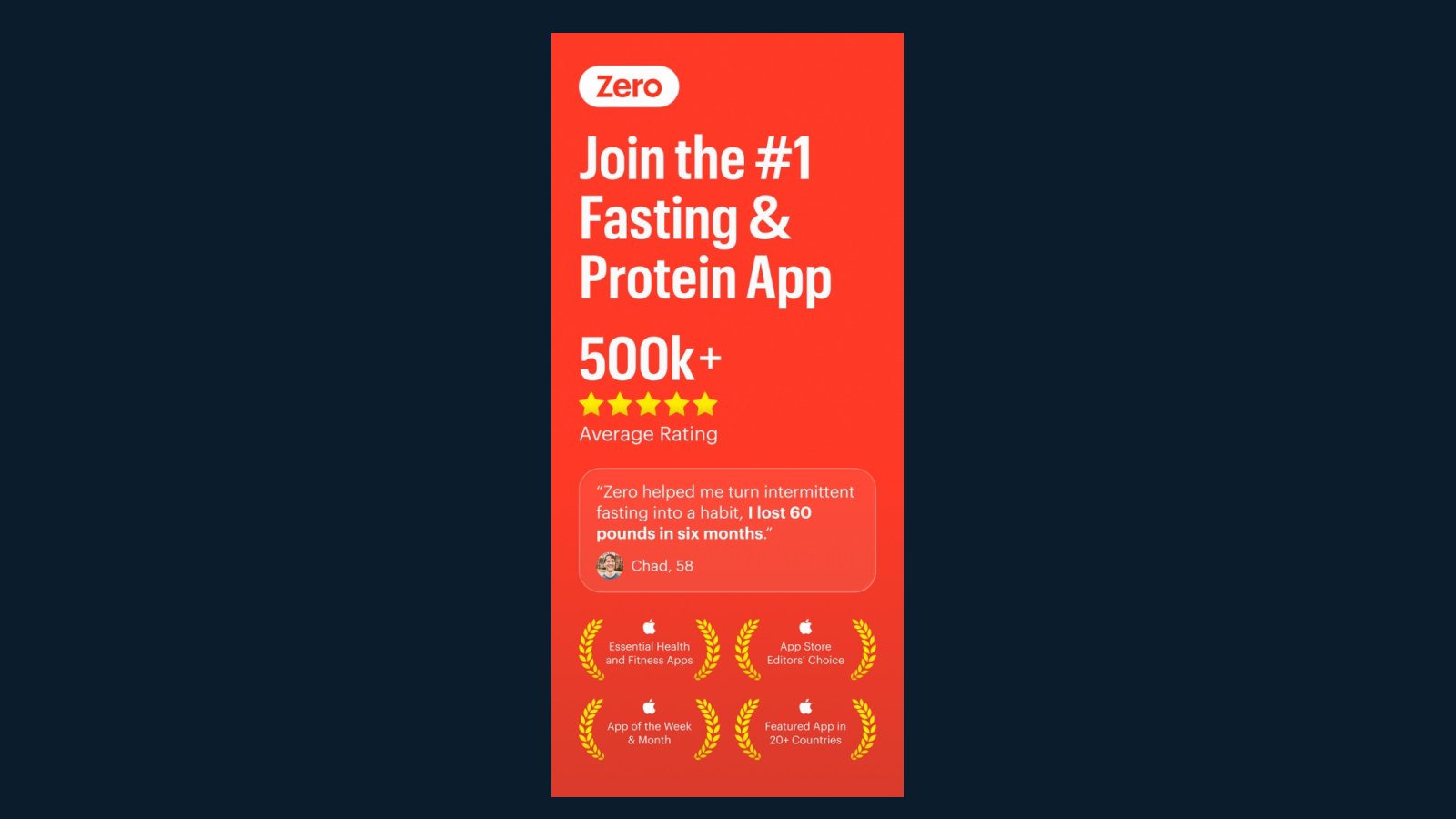
A source-reviewed Zero fasting app review of dated prices, store ratings and privacy labels. Not a lab test.