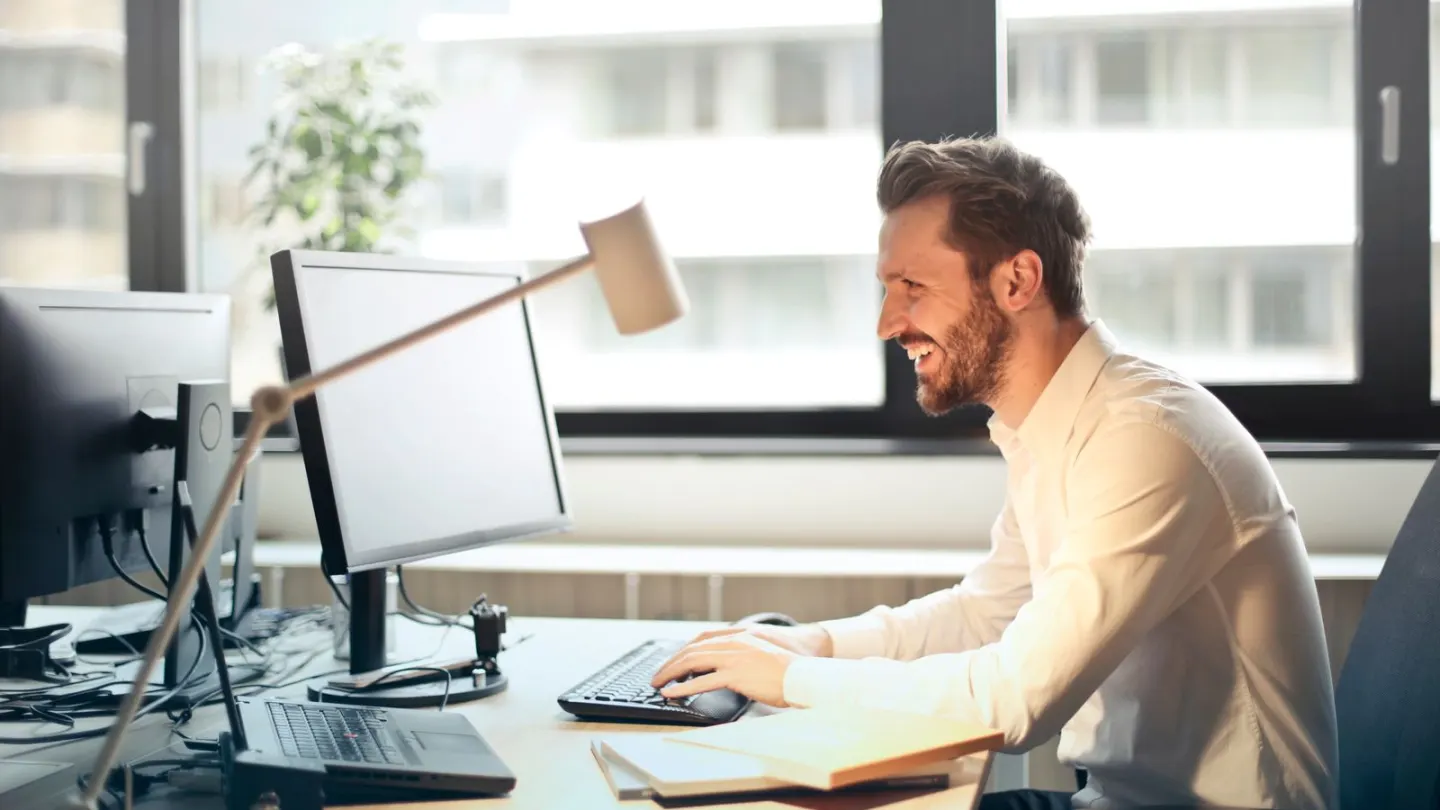
An afternoon slump desk day is often biology, not a character flaw. Light, food, a walk and a short nap are the tools that usually help.
Many desk workers hit a wall between about 2pm and 4pm. Eyes feel heavy. Clicks get sloppy. Coffee starts to look like a personality. An afternoon slump desk pattern is common because the body clock’s wake signal dips while sleep pressure from the morning is already building. CDC’s NIOSH training for long hours describes that dip in plain terms.
This guide is for ordinary days at a screen. It is not a test for illness. If you fall asleep in meetings, snore loudly, or cannot stay awake while driving, that is a different problem. See a GP in the UK or a primary care clinician in the US.
What an afternoon slump desk dip actually is
You run two sleep systems at once. Sleep pressure builds the longer you have been awake. A body-clock wake signal rises and falls across the day. In the afternoon those curves can meet in an unhelpful way. NIOSH notes a secondary pressure for sleep around 2pm to 4pm. The NIH describes circadian rhythms as internal timing, strongly set by light. Desk work makes the dip obvious: you sit still, the room may be dim, and your eyes stay on a near screen.
Light, walks and the 20-20-20 pause
Light has a direct alerting effect. NIOSH lists bright light as a practical step after lunch. You do not need a clinic lamp for a normal slump. Open blinds. Face a window for a few minutes. Step outside if you can. Outdoor daylight is usually stronger than office LEDs.
Keep the screen from becoming the only bright thing in a dark cave. Match display brightness to the room. Glare that makes you squint is tiring in a different way. For the look-away rhythm, use the 20-20-20 screen-break routine: every 20 minutes, look at something about 20 feet (6 metres) away for 20 seconds.
A brief bout of movement helps next. NIOSH suggests a brisk walk or a few flights of stairs. That is light activity, not a workout. The NHS also asks adults to break up long sitting with at least light movement. Two minutes of walking after a dull meeting is a fair start. Build more with the ideas in movement snacks across the work day.
If you have a sit–stand desk, a short standing block after lunch can feel useful. Do not lock your knees and freeze. Standing still is still static. Use the gradual approach in the standing desk transition plan. Sit again before discomfort builds.
| Lever | What to try | Watch-outs |
|---|---|---|
| Light | Face a window or step outside for 5–10 minutes | Do not stare at the sun. Use shade if light is harsh |
| Movement | A 5–10 minute easy walk or a few flights of stairs | Stop for chest pain, faintness or new severe breathlessness |
| Lunch size | A moderate meal with some protein and plants | A huge, heavy plate can worsen sleepiness for some people |
| Nap | 15–20 minutes before late afternoon, alarm set | Longer naps can leave you groggy and may disturb night sleep |
| Caffeine | A modest cup earlier in the slump if you use caffeine | Late cups can delay sleep. CDC links poor sleep to next-day fog |
Food at lunch and the 3pm snack
NIOSH’s day-shift notes suggest avoiding a high-carbohydrate-only lunch if you crash afterwards. Include some protein and plants. Eggs on toast, yoghurt and fruit, or leftover chicken and rice all fit. A huge plate can add sleepiness. If 3pm is brutal after a heavy canteen meal, test a slightly smaller serving for a week. Keep water in reach. Alcohol at lunch is a poor alertness plan.
Naps that help, and naps that steal the night
If your workplace allows it, a short nap can lift alertness for a couple of hours. NIOSH’s practical advice for a daytime schedule is a brief nap, under about 20 minutes, with an alarm. Sleep inertia — that groggy feeling — is more likely if you drop into deeper sleep. Set the alarm for 15 to 30 minutes from when you lie down. Sit up if you cannot lie down. Skip long late-afternoon sleeps if night sleep is already fragile. Night-shift workers need a different plan; this article is for typical day hours.
When the slump is a setup problem, not a clock problem
Check the chair before you blame your character. Feet unsupported and a low laptop drain you. Run through the HSE and OSHA desk ergonomics checklist. Look at last night too. One short sleep can explain a brutal afternoon. Some medicines cause sleepiness. So can low mood, anaemia, thyroid problems and sleep apnoea. The afternoon slump desk pattern here is the ordinary dip. It should not include nodding off at the wheel.
Warning signs that need a person, not a hack
See a clinician if daytime sleepiness is new, heavy, or unexplained. Loud snoring, witnessed pauses in breathing, morning headaches, and falling asleep without meaning to all need proper assessment. So does low mood that lasts weeks, or fatigue with weight change, thirst, or breathlessness.
Stop and seek urgent help for chest pain, sudden severe headache, one-sided weakness, or collapse. Call 999 in the UK or 911 in the US. Online advice cannot examine you.
A desk-side afternoon protocol
Between 14:00 and 16:00, try: 5-minute daylight walk if safe, glass of water, protein-and-fibre snack if hungry, two minutes of mobility, and a task switch from deep creative work to lighter admin if your brain has stalled. Save hard HIIT for another hour if sleep is fragile.
Light, caffeine and naps
Bright outdoor light can help alertness. Late large coffees may cost sleep; experiment with earlier cut-offs. Short naps (about 10–20 minutes) help some people; longer naps can cause grogginess. Workplace norms and safety roles matter — do not nap where it creates risk.
| Label | Value | Unit |
|---|---|---|
| Typical dip window | 14:00–16:00 | hours, NIOSH secondary sleep pressure |
| Brief nap | 20 | minutes maximum for a daytime schedule |
| Walk or stairs | 8 | minutes of light movement after lunch |
Sleep debt reality
No desk hack fully replaces short sleep. If slumps are severe daily, look at bedtime, medical factors and workload with appropriate support.
Workday application notes for afternoon slump desk
Tie afternoon slump desk to a visible cue you already have: a kettle boil, the end of a recurring meeting, or plugging in a laptop at the start of deep work. Keep a one-line prompt on a sticky note near the screen with the first move and hold time so you do not renegotiate the routine mid-afternoon.
If symptoms during afternoon slump desk include numbness, progressive weakness, chest pain, or pain that wakes you at night, stop self-managing and speak with a clinician or occupational-health service. Comfort drills support ordinary stiffness; they do not replace assessment.
Revisit your desk height, screen position and break timing whenever you change chairs, monitors or work locations. A routine built for one setup can feel oddly hard in another — adjust the environment before you assume you need more aggressive stretching.
A 12-minute slump-breaker you can repeat
2 minutes daylight or bright indoor light exposure near a window, 5 minutes brisk corridor walk, 2 minutes water and a planned snack if hungry, 3 minutes mobility (hip flexor 30s/side, scapular squeezes ×10, calf raises ×12). Then pick a single next task no longer than 10 minutes to regain momentum.
If slumps include snoring-level sleepiness while driving or dangerous work, treat that as a safety issue — nap policy, shift design or medical review may matter more than snacks.
One more concrete week of practice
Schedule two appointments with yourself for the skills in this article. Session one copies the doses exactly. Session two adjusts a single cue that felt weakest — depth, quiet footfall, hold time, or screen height — and keeps everything else identical.
After those two sessions, keep what was sustainable. Discard any add-on that only worked once. That is enough experimentation for one week.
Desk-day choreography for afternoon slump desk
Anchor afternoon slump desk to breakpoints you already have: ending a call, sending a calendar invite, boiling a kettle, or standing to collect printing. Write the first action and timing on a sticky note near the monitor — for example “30s doorway stretch each side” or “60s walk after every second meeting.” If the note needs a paragraph of explanation, simplify the action until it fits one line.
Batch similar resets so you are not context-switching endlessly: eye breaks can be ultra-short and frequent; mobility snacks can cluster at mid-morning, lunch and mid-afternoon; workstation tweaks belong at the start of a work block rather than during deep focus. Different tools should not all scream with the same alarm sound.
When the calendar collapses, keep a minimum version of afternoon slump desk: stand and change gaze, or do the shortest stretch sequence already listed. Protecting the minimum on chaotic days prevents the all-or-nothing pattern where one busy Thursday erases the whole week’s intention.
Environment checks that multiply the routine
- Screen height near eye level for your main sitting posture.
- Keyboard and pointing device close enough that shoulders stay quiet.
- Feet supported; avoid long periods perched on a chair edge.
- A clear two-metre path for a micro-walk without tripping on cables.
- Water bottle placement that forces a brief stand when empty.
Re-run this checklist when you change rooms, laptops, or chairs. A routine for afternoon slump desk that felt easy at the office can feel awkward on a kitchen stool — fix the surface before you assume you need longer stretches.
Symptoms that mean stop self-managing
Seek appropriate care for night pain that wakes you, progressive numbness or weakness, unexplained swelling, chest symptoms, or headaches with visual changes. Desk routines and microbreaks support ordinary stiffness from static work; they are not a diagnosis pathway. Occupational-health or a GP/primary care clinician can advise on adjustments, display-screen assessments, and referrals.
Review afternoon slump desk every fortnight with one question: did the planned breaks or drills happen on most workdays? If not, reduce the ask until it fits the real meeting load, then rebuild. Sustainable beats elaborate.
Frequently asked questions
Is an afternoon slump desk crash a sign I am unwell?
How long should a work-day nap last?
Does sugar cause the slump?
Should I drink more coffee at 3pm?
What if I cannot leave my desk?
Sources
- 1. Afternoon dip in wakefulness
- 2. Nap duration
- 3. To increase alertness after lunch
- 4. Tiredness and fatigue
- 5. Circadian rhythms fact sheet
- 6. Fatigue
Guidance changes. Figures were checked against the sources above at the time of review; always confirm current advice with your GP, pharmacist or clinician.
Image credits
- Photo: Photo by Andrea Piacquadio on Pexels / Openverse
- Photo: Photo by Ken Tomita on Pexels / Openverse
- Photo: Photo by Christina Morillo on Pexels / Openverse
Was this useful?
Anyone can react — no account needed.




Discussion
0 comments · Name and email only · Email is never shown