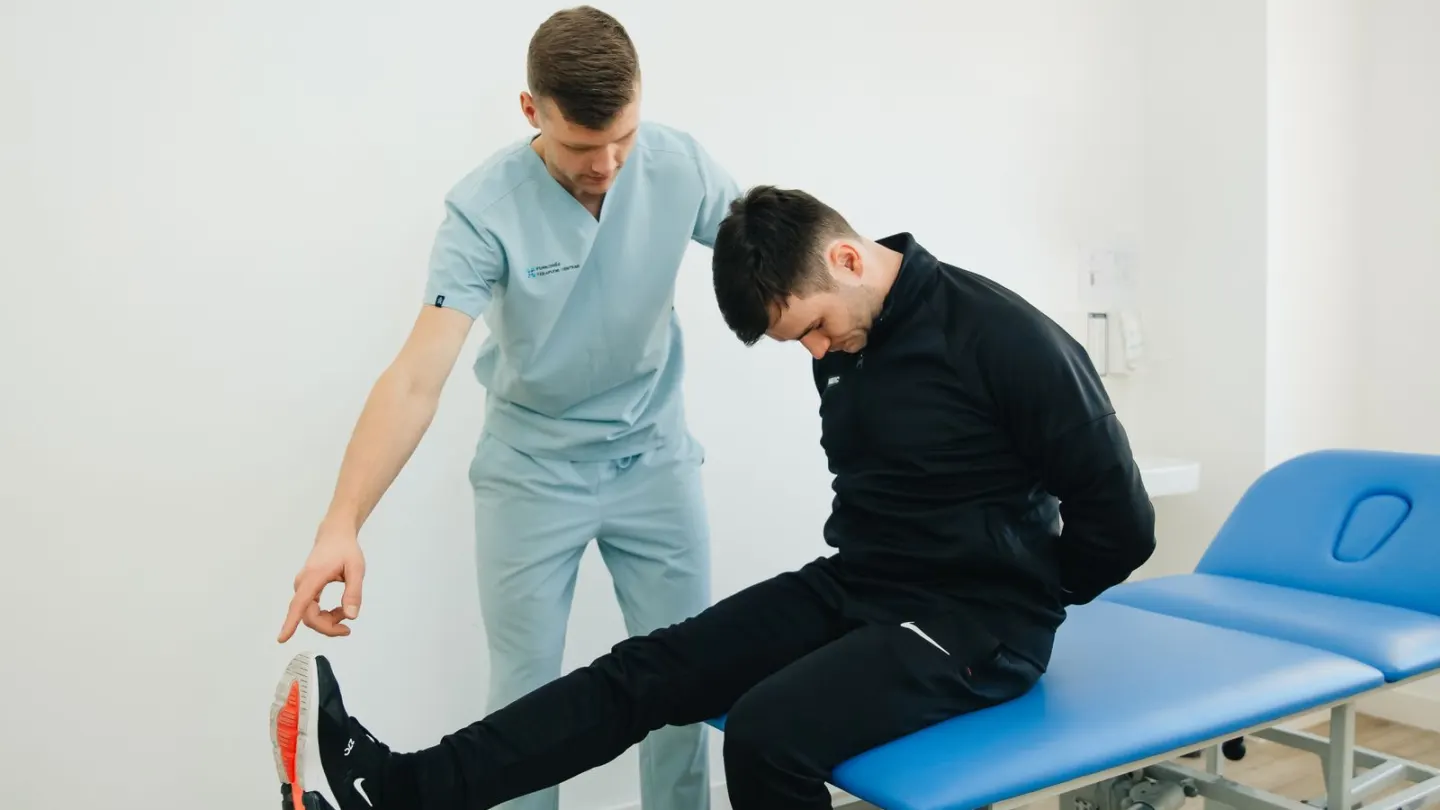
The weeks before a planned operation are not empty time. Small, agreed movement can be part of getting ready.
Prehab before surgery means building a little fitness, strength and daily routine before the date. NHS teams often pair that with smoking support, food, and a pre-operative assessment. It is not a promise that recovery will be easy. It is not a reason to ignore the surgeon’s rules on fasting or medicines.
NICE tells services to give tailored pre-operative rehabilitation advice when they list someone for hip or knee replacement. Other pathways use similar language. The useful picture is ordinary: a daily walk, sit-to-stand practice, and a bag packed early. This guide stays in that lane. It does not set a personal training plan.
What prehab before surgery actually means
Prehab is short for prehabilitation. In plain words, it is getting your body and home as ready as you can before a planned operation. NHS hospital pages describe walking, cycling or swimming, light strength, stretching, and breathing practice. They also talk about alcohol, smoking, food, and mood. The mix depends on the operation and on you.
NICE quality standard QS206 is specific for hip and knee replacement. Adults should get advice on exercises before and after surgery, lifestyle including smoking, and what recovery may look like. NICE NG157 sits behind that. Other operations may use a “waiting well” or prehab clinic. Ask what your hospital actually runs. Names vary. The walking still counts.
You may have weeks on a waiting list. Use them. You do not need a new identity as an athlete. Ten minutes to the corner shop and back is a start. If you have been inactive for years, keep the first sessions even shorter. Our starting exercise after years inactive guide matches that pace.

Walking and strength you can do in a normal week
Turn 150 minutes into walks you can picture. Five days of 30 minutes is the textbook split. Three days of 20 minutes plus extra loops on errands also works. If 30 minutes feels far, use 10-minute blocks. Making tea, making the bed, and slow walking around the house still count as light movement on NHS older-adult pages. Build from there.
NHS and WHO adult guidance points to at least 150 minutes of moderate activity a week, or 75 minutes of vigorous activity, plus muscle-strengthening on two or more days. Moderate means you can talk but not sing. A brisk walk to the post box can qualify. So can pushing a lawn mower if your joints allow it.
Strength can be sit-to-stand from a firm chair, heel raises at the kitchen counter, and wall press-ups. Some NHS leaflets use about 10 repeats, one to three times a day, then a light band if that feels easy. That is a template, not a prescription. Joint-replacement teams often send specific hip or knee drills. Do those instead of copying a gym video.
Our UK and US physical activity guidelines put the same minutes beside US adult advice. The numbers are a ceiling to grow toward, not a pass mark for theatre. If your anaesthetist has set limits, those limits win.
| Type | Public target | Home example |
|---|---|---|
| Moderate aerobic | 150 minutes a week (NHS / WHO) | Five 30-minute walks, or ten 15-minute loops |
| Vigorous aerobic | 75 minutes a week as an alternative mix | Only if you already do this and the team agrees |
| Muscle strength | At least two days a week | Sit-to-stand, counter heel raises, shopping-bag carries |
| Balance and function | Extra focus if you are 65 or over, or fear falling | Heel-to-toe steps beside a wall, as NHS balance pages show |
| Breathing and rest | As taught by physio or prehab staff | Slow nasal breaths sitting upright; naps do not replace walks |
Smoking, blood pressure and the pre-op letter
NHS quit-smoking pages treat stopping as one of the highest-value health steps you can take. Surgical teams often ask you to stop before the date because wounds and lungs cope better. Use the free NHS quit tools or a US quitline rather than a crash attempt with unlicensed products. Tell the pre-op nurse what you actually smoke. Honesty helps them plan.
Blood pressure belongs in the same folder. High readings can delay some operations. Our UK and US blood pressure numbers guide shows how clinics write the two figures. Take your home monitor list if you have one. Take the tablets as instructed unless the letter says to pause them.
NHS preparation pages also cover fasting, piercing removal, and a lift home. You will not drive yourself after anaesthetic. Pack glasses, a medicine list, and daytime clothes. Tell the hospital if you develop a cough, cold, or high temperature in the days before. They may postpone. That is safety, not a failed prehab week.

How to progress without turning the waiting list into a boot camp
Stay near a worktop for the first balance drills. Wear shoes that grip. If a joint replacement team gave you a booklet, use that booklet. A social-media challenge is not a prehab plan. Pain that is sharp, new, or linked with swelling needs a call, not another set.
Tell the surgical team if you fall, if a wound appears, or if a new medicine starts. Also tell them if you cannot get upstairs at home. Discharge plans depend on that. A grab rail or a downstairs bed can be the difference between going home and a longer stay.
Pick one walking cue and one strength cue. Example: a 15-minute loop after lunch, and sit-to-stand during the kettle boil. Add five minutes to the loop every few days if you feel stable. Add a repeat to the chair work when ten feels easy. Write it on a card. Apps are optional.
When to stop, and when the operation date itself must wait
Prehab before surgery will not cancel every risk. Use the waiting weeks to arrive a little stronger and a little more organised. Then let the theatre team do their job.
Stop prehab exercise and seek urgent help for chest pain, sudden breathlessness, fainting, or a calf that swells and hurts. Our exercise warning signs guide lists those stops in one place. Call 999 in the UK or 911 in the US for a life-threatening emergency. Do not “work through” those symptoms to protect the theatre slot.
Concrete checklist before you change anything
Use this checklist so prehab before surgery turns into actions you can finish, not only information you recognise:
- Clarify the decision. Write one sentence: what you will start, stop, or ask a clinician at the next appointment.
- Gather your numbers. Latest BP, HbA1c, cholesterol, resting heart rate, medicines list, or clinic letter with dates and units.
- Match UK vs US labels. Confirm whether thresholds use mmol/L or mg/dL, mmHg categories, or local screening ages before you compare yourself to a chart from another country.
- Pick one behaviour. Examples: book the screening, ask for a medicine review, schedule two 20-minute walks, or practise the warning-sign stop rule at the next session.
- Set a review date. Put a 7- or 14-day reminder to check what happened.
If any item on the list needs a clinician’s interpretation, stop guessing from forums. Bring the checklist to the appointment.
Appointment or self-check script
Copy and adapt:
- “I read about prehab before surgery and want to know what applies to me given my history.”
- “Here are my latest results and medicines — can we confirm targets and follow-up timing?”
- “Which symptoms mean I should seek urgent care rather than waiting for the next review?”
- “What activity or daily habits are safe to trial before we meet again?”
UK readers often start with a GP, practice nurse, pharmacist, or NHS page for the condition; US readers often start with primary care, a patient portal message, or CDC/MedlinePlus summaries, then confirm locally. Emergency numbers remain 999 (UK) and 911 (US).
Activity safety checklist
- Warm up for 5 minutes; end if chest pain, sudden severe breathlessness, or one-sided weakness appears — seek urgent care.
- Progress one variable at a time (minutes, then intensity, then load).
- Include balance or strength work if falls risk or age 65+ is relevant — as advised clinically.
- After illness or surgery, get clearance timelines rather than copying a generic online plan.
- Pregnancy and postpartum return-to-exercise need condition-specific guidance (pelvic floor, bleeding, blood pressure).
Write your personal stop-rules next to prehab before surgery so you are not negotiating them mid-session.
Seven-day action card
| Day | Action | Done? |
|---|---|---|
| 1 | Complete the five-item checklist above | |
| 2 | Gather results, letters or device readings into one note | |
| 3 | Book or message the relevant clinician / start the single behaviour | |
| 4–5 | Practise the behaviour or safety rule twice | |
| 6 | Note barriers (time, pain, confusion about numbers) | |
| 7 | Review: keep, adjust, or escalate to professional help |
Tick boxes beat vague intention. If day 3 requires an appointment that is weeks away, keep the interim safety behaviours and prepare questions while you wait.
Medical note. This article is general information, not a diagnosis or a personal treatment plan. It does not replace advice from a GP, pharmacist, registered dietitian, physiotherapist, or other qualified clinician. Seek urgent help for severe, sudden, or rapidly worsening symptoms. UK readers can use NHS 111 for urgent advice; US readers can use local urgent care or emergency services when needed.
Frequently asked questions
Is prehab before surgery only for joint replacement?
How soon before the date should I start?
Do I need 10,000 steps a day?
Can I keep smoking if I walk every day?
What if I am too sore or too unwell to walk?
Sources
- 1. Before surgery — having an operation
- 2. QS206: Preoperative rehabilitation advice for hip and knee replacement
- 3. NG157: Joint replacement (primary): hip, knee and shoulder
- 4. Physical activity guidelines for adults aged 19 to 64
- 5. Quit smoking
- 6. Physical activity fact sheet
- 7. Physical activity guidelines resources
Guidance changes. Figures were checked against the sources above at the time of review; always confirm current advice with your GP, pharmacist or clinician.
Image credits
- Photo: Photo by moona.lt on Pexels / Openverse
- Photo: Photo by Karolina Grabowska on Pexels / Openverse
Was this useful?
Anyone can react — no account needed.




Discussion
0 comments · Name and email only · Email is never shown