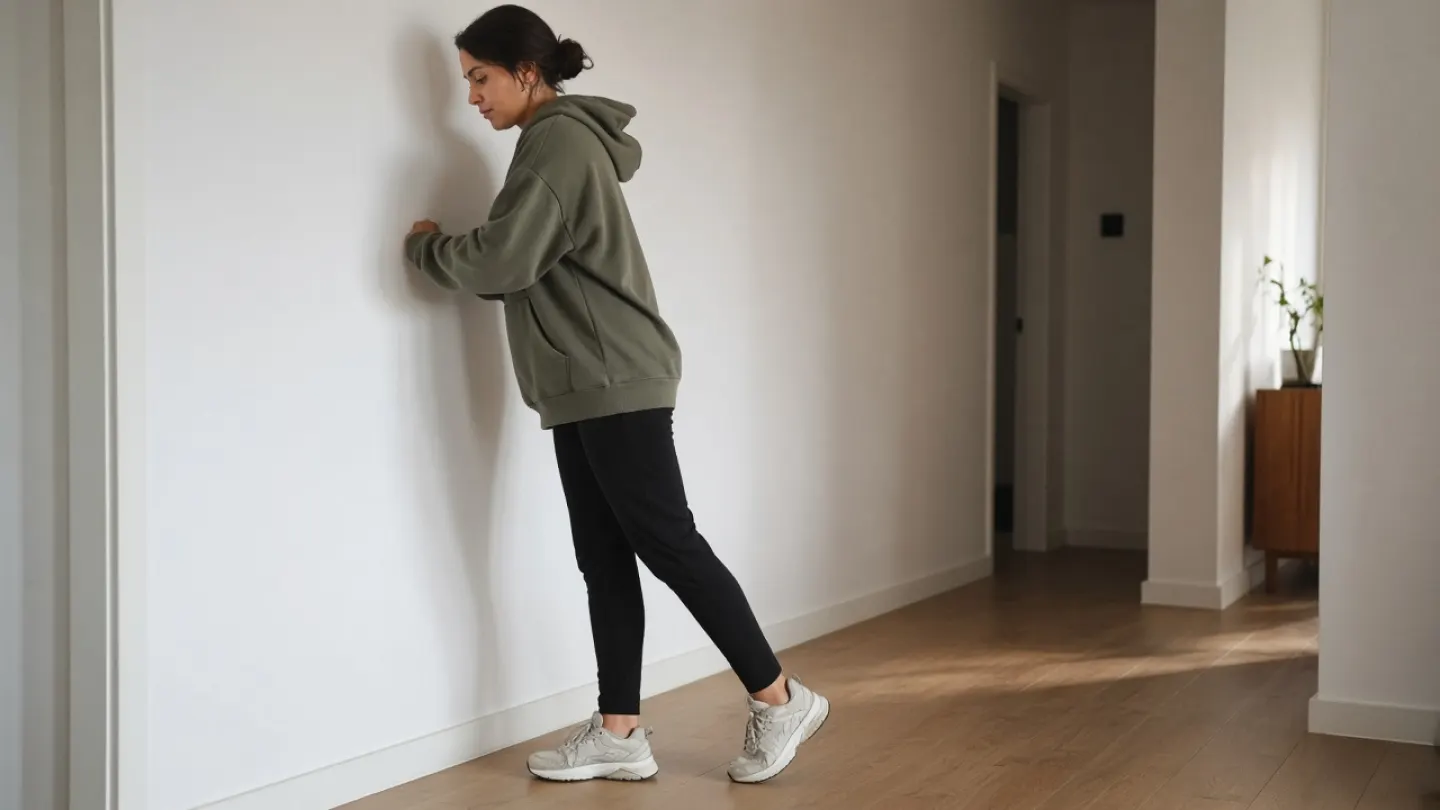
Static vs dynamic stretching is a job split, not a feud. Holds change range over weeks. Moving drills prepare you to sprint or lift today. This is a source-reviewed guide, not a hands-on lab test.
Gyms used to start every session with a long toe-touch. Then performance papers made coaches nervous. Then social video swung the other way and banned all static work. The literature is narrower than either fashion.
This page stays with named reviews. It does not sell a brand. If you want a timer, see best stretching apps. Product notes on Pliability (more holds) or GOWOD (mixed activations) describe libraries, not lab wins.
What each method is
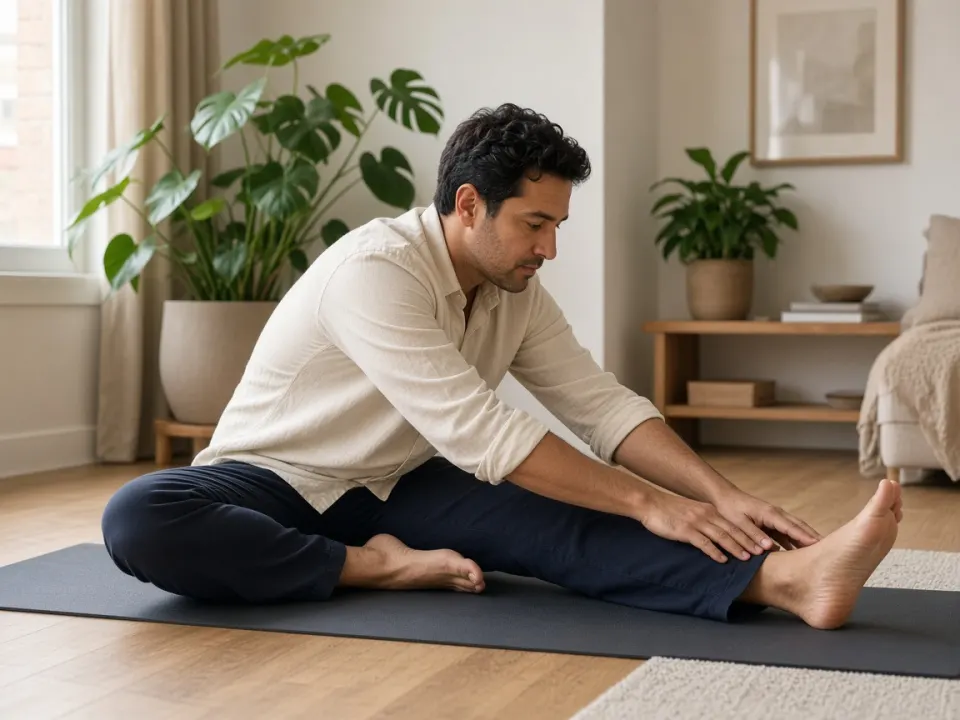
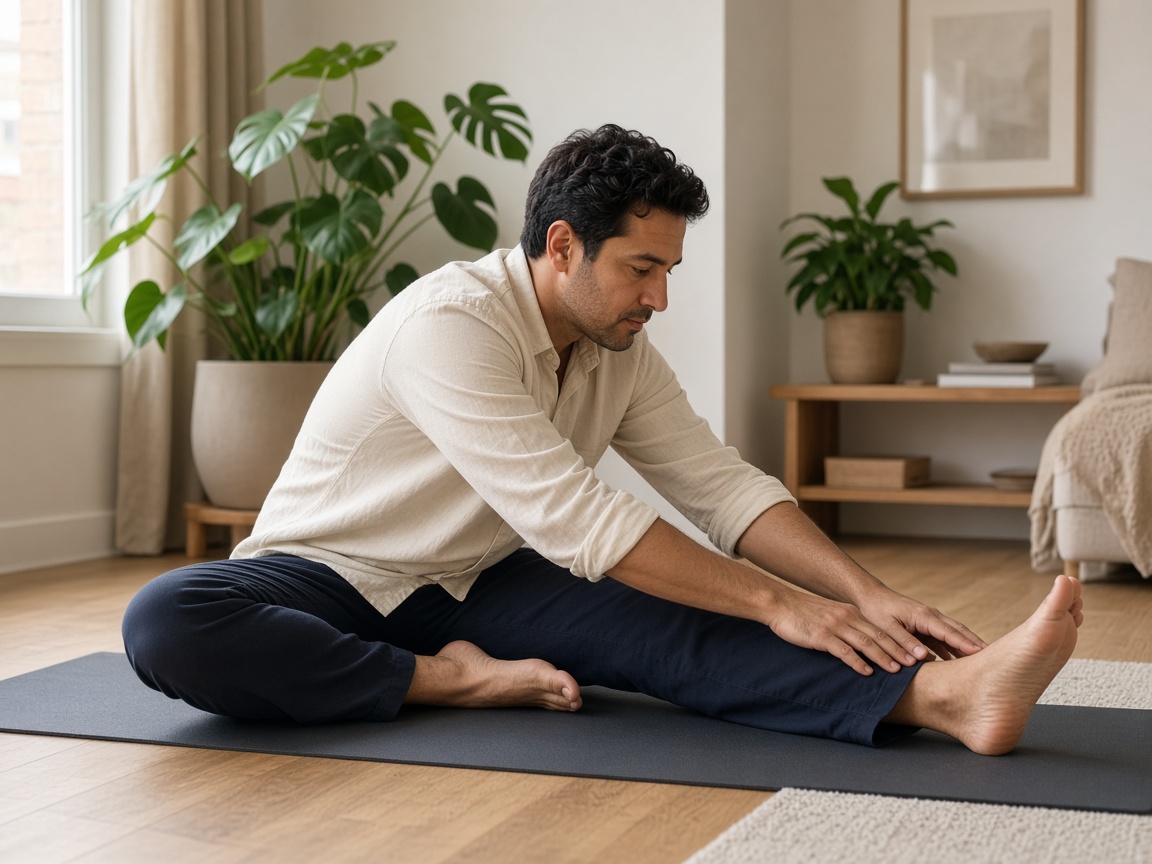
Static stretching is a still position. You ease to tightness or slight discomfort and breathe. Passive static work may use a strap or a wall. Active static work uses your own muscles to hold the shape.
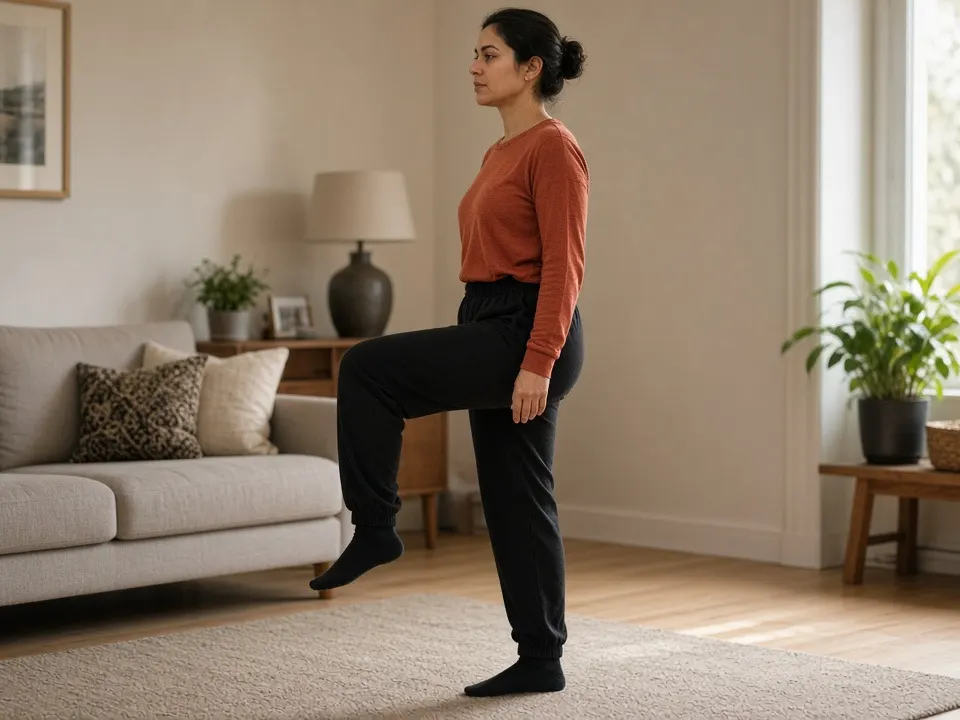
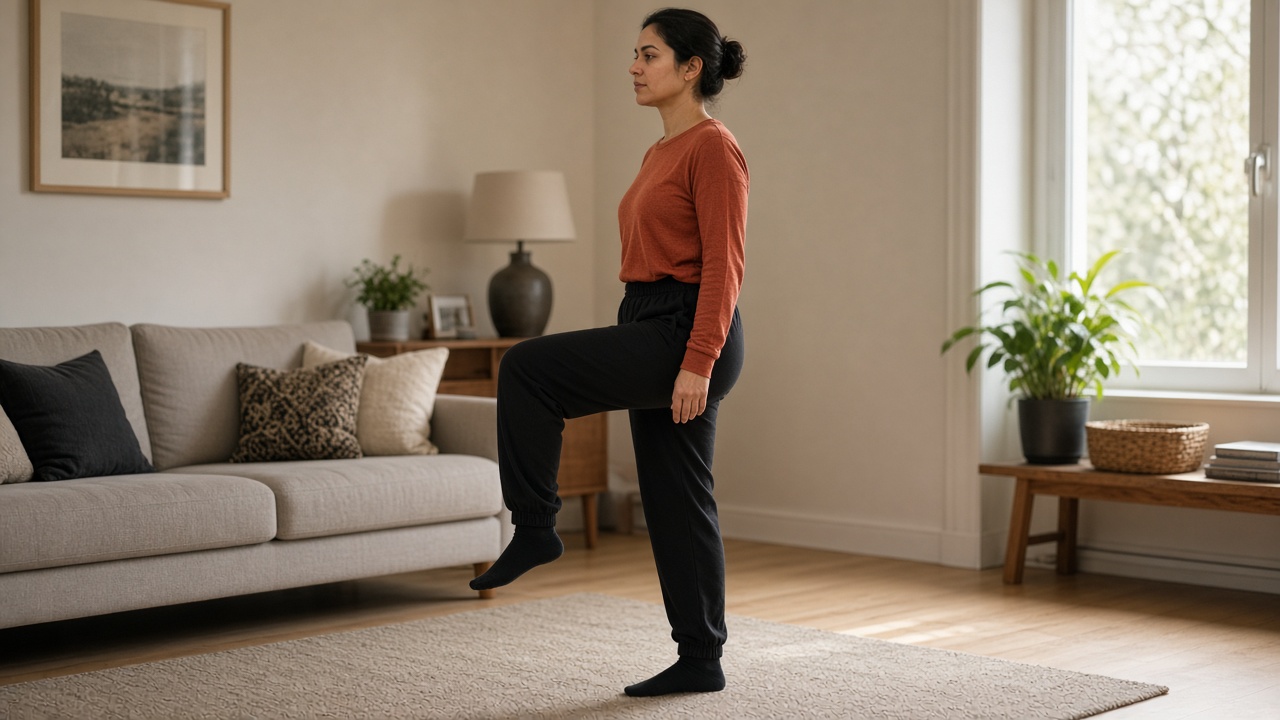
Dynamic stretching is controlled movement into range: leg swings, walking lunges, arm circles. You do not park at the end. Ballistic stretching is a faster cousin. It uses momentum. ACSM’s 2011 stand says ballistic work can raise range when done well, and may fit bounce-heavy sports. It is easy to overdo.
PNF stretching pairs a short contraction with a stretch. It can match or beat static work for range. It often needs a partner. Home apps rarely teach it cleanly. We mention it only as a third column in the reviews.
Long-term range: who wins the static vs dynamic stretching comparison
Konrad and colleagues (Journal of Sport and Health Science, 2023) pooled 77 stretch-training studies in healthy people. Stretching beat control groups for range. Subgroup analysis favoured PNF and static methods over ballistic or dynamic methods. Static and PNF did not differ much from each other.
The authors suggested a simple mechanical reason. Static and PNF keep the joint near end range. Swinging drills spend less time there. If your only goal is a bigger angle in eight weeks, holds are the more efficient tool in that dataset.
Thomas and colleagues (2018) also saw static protocols beat ballistic or PNF for range in a smaller synthesis. Reviews do not agree on every ranking. They do agree that doing some stretch training, for weeks, changes range more than doing none.
| Question or claim | Source | Study type | Population | Comparator | Outcome | Key finding | Limitation | Applicability |
|---|---|---|---|---|---|---|---|---|
| Static training builds more lasting ROM than dynamic training | Konrad et al., J Sport Health Sci, 2023 | Meta-analysis, 77 studies | Healthy participants | Controls; static vs PNF vs ballistic/dynamic | Joint ROM after ≥2 weeks | Static and PNF > ballistic/dynamic; overall moderate ROM effect | High heterogeneity; fewer dynamic trials | Healthy adults chasing range |
| Long static holds before sport hurt power | Behm and Chaouachi, Eur J Appl Physiol, 2011 | Narrative review of acute trials | Mostly young, trained samples | No stretch or dynamic protocols | Strength, jump, sprint, balance | Prolonged static stretching can impair subsequent force and power tests; dynamic stretching is often a better warm-up match | Dose and timing vary; not every short hold is equal | Power sessions and testing days |
| A general plan should include static and/or dynamic work | ACSM 2011 position stand (Garber et al.) | Position stand | Apparently healthy adults | Various methods in cited trials | ROM and programme design | 2–3 d/week; 10–30 s static holds; PNF 6 s contraction then 10–30 s stretch; daily may add more ROM | Not a head-to-head mega-trial | General fitness, not peak sport testing |
| Either style removes next-day soreness | Herbert et al., Cochrane 2011 | Systematic review of RCTs | Mostly young adults | No stretch | Delayed-onset muscle soreness | No clinically important effect | Many lab protocols | Do not pick a style for DOMS control |
| NHS after-exercise stretches are static cool-downs | NHS how-to-stretch page; flexibility exercises reviewed 20 Nov 2023 | Public guidance | General readers | None | Practical home routine | Gentle holds after activity; about five minutes; twice-weekly flexibility set | Not a performance trial | Everyday training, not a meet warm-up |
Before training: why dynamic work usually fits
Warm-ups raise temperature and rehearse the pattern you are about to load. Dynamic drills do that. A marching pattern, a hip swing, or an easy lunge looks like the sport. A three-minute hamstring hang does not.
Behm and Chaouachi collected years of acute tests. Long static stretches — often well beyond a 15-second NHS hold — showed drops in isometric force, jump height, and some sprint or agility scores. Dynamic stretching was less likely to show that dip and sometimes helped.
The practical rule is modest. Keep pre-lift static holds short, or park them after. If you need a position for Olympic lifting, you can still visit it. Then do specific warm-up sets. Do not replace the barbell warm-up with a ten-minute split attempt.
After training or on rest days: why static work still belongs
When the session is over, you no longer need peak jump height. You may still want a longer calf or hip angle for life or for next month’s squat depth. That is where static vs dynamic stretching flips.
NHS cool-down pages use still holds of about 15–20 seconds. ACSM’s longer 10–30 second prescription, repeated to about 60 seconds per exercise, is the range-building dose. Older adults may sit in the 30–60 second band.
Rest-day static work should follow a little heat: a walk, a shower, or the last easy set. Cold tissue plus a hard yank is a poor mix. Pair range days with a no-equipment full-body home workout so new angles meet some strength.
What apps actually deliver
Pliability and Bend spend most of their libraries on static or slow holds. StretchIt mixes flexibility classes with some strength at end range. GOWOD’s activate flows are closer to dynamic prep. Those are product descriptions from public listings, not outcomes we measured.
If your goal is a warmer run, open a dynamic set. If your goal is a longer hamstring angle, open a static set after you are warm. The label on the icon is less important than the method on the mat.
Injury, soreness, and other myths
People stretch “so they will not get hurt.” Behm and Chaouachi note that stretching has not been shown to prevent injury in a simple, reliable way. Some older papers even found very flexible people getting hurt more often. We do not treat flexibility as a shield.
Soreness is the other myth. Herbert’s Cochrane review (2011) pooled pre- and post-exercise stretching. Average changes on a 100-point soreness scale were about half a point to one point. One large field trial found a four-point drop that was still tiny in practice.
Bounce stretching into pain is not “dynamic.” It is poor control. Stop if a joint swells, locks, or shoots.
A simple decision rule
Pick dynamic if the next 20 minutes are jumps, lifts, or a fast run. Pick static if the work is done and you want range. Use both across the week if you like. ACSM never asked you to choose a religion.
Two or three flexibility days still meet the usual floor. More days are optional. Technique choice will not rescue a week with no walking and no strength.
When evidence is thin — youth sport, clinical rehab, late pregnancy — ask the person who can examine you. Reviews of healthy adults do not travel everywhere.
Frequently asked questions
Should I do static or dynamic stretching before a workout?
Which is better for flexibility?
Is ballistic stretching safe?
Will stretching after training stop soreness?
How long should a static hold last?
Can I mix both in one session?
Sources
- 1. A review of the acute effects of static and dynamic stretching on performance
- 2. Chronic effects of stretching on range of motion
- 3. Quantity and quality of exercise (ACSM position stand, 2011)
- 4. Stretching to prevent or reduce muscle soreness after exercise
- 5. How to stretch after exercising
- 6. Flexibility exercises
Guidance changes. Figures were checked against the sources above at the time of review; always confirm current advice with your GP, pharmacist or clinician.
Image credits
- Photo: Editorial photograph / Openverse
Was this useful?
Anyone can react — no account needed.


Discussion
0 comments · Name and email only · Email is never shown