
Anxiety and physical activity can ease tension for some people. They do not replace care for an anxiety disorder.
Most adults already move in scraps: stairs, shopping, a walk to the bus. The live question is how to use those scraps when worry is loud, without pretending a jog will cure panic.
What anxiety and physical activity can change
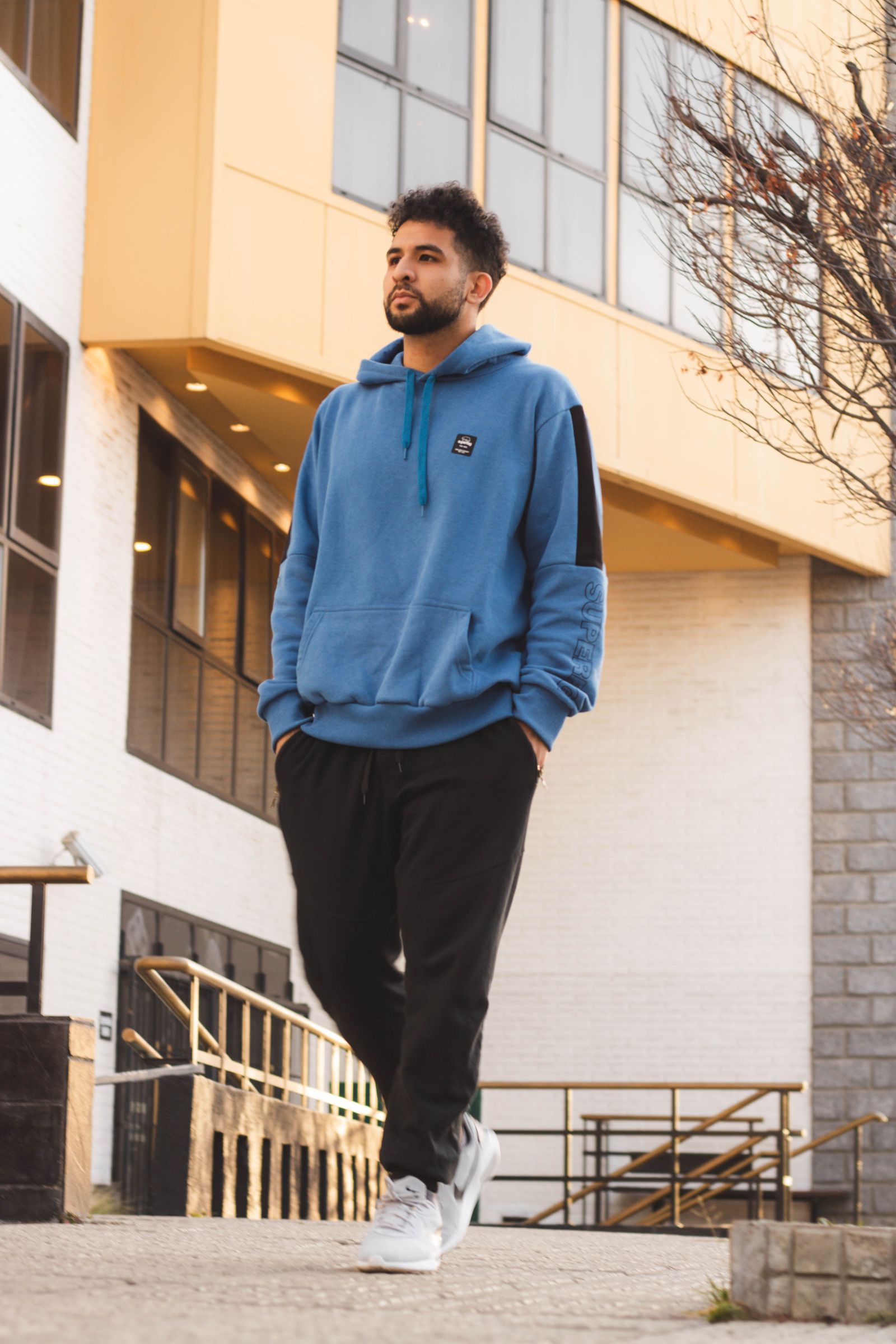
Anxiety and physical activity often meet in ordinary places. A ten-minute walk after lunch. A slow cycle to the shop. A set of sit-to-stands while the kettle boils. These bouts will not wipe out a diagnosis. They can still shift how tense the body feels for a stretch of the day.
NHS Every Mind Matters says being active can reduce tension, anxiety and mental fatigue. It can also help some people sleep. The page is a wellbeing tip, not a clinic. CDC adult activity guidance says movement supports mental health as well as heart health. WHO says adults should do regular activity, and that some is better than none.
Think of a Tuesday that already exists. You eat a cheese sandwich and an apple at 1:10pm. You walk around the block for ten minutes at a pace that still lets you talk. That is one dose, not a personality change.
If you want a fuller plan for mood, see our guide to exercise for mental wellbeing. If you want the body side of stress, see the stress response body guide.

What movement cannot do on its own
Anxiety and physical activity are not a swap for care. NHS advice on fear and panic still lists talking with someone, regular meals, and help from a GP or talking therapies. Movement sits in that list. It does not sit above it.
A panic attack can make you feel you cannot breathe. A brisk hill can also raise your pulse. Those two facts can tangle. If chest pain, faintness or a new severe symptom appears, stop and get urgent help. Do not use a fitness watch score as a diagnosis.
Avoidance is a common trap. Skipping the shop because your heart might race can shrink life. Walk to the end of the street on Monday. Add one lamp-post on Wednesday.
Alcohol, cigarettes and extra caffeine can all feed jumpiness. NHS anxiety pages warn against using them as a calm-down tool. A last mug of tea at 3pm is a clearer rule than “cut caffeine sometime”. Pair that rule with food, not with empty willpower.
A week of minutes that fits ordinary days
NHS and CDC adult guides both use 150 moderate minutes a week. That can be five 30-minute walks. It can also be ten 15-minute walks. WHO allows 150 to 300 moderate minutes, or 75 to 150 vigorous minutes. Muscle work on two days is the shared extra.
If 150 minutes feels far away, ignore the round number for week one. Pick a floor you can repeat when you slept badly. Eight to twelve minutes is a fair floor. NHS depression pages note that even a brisk ten-minute walk can clear the mind. The same short bout is a sane start for tense days.
Here is one week that uses meals as cues. Monday: ten-minute walk after lunch. Tuesday: eight minutes of sit-to-stands while pasta boils. Wednesday: twelve minutes of slow stretching after porridge. Thursday: walk to the shop for oats, milk and bananas, about 14 minutes each way. Friday: repeat Tuesday. Saturday: a 20-minute park loop if the weather allows.
Strength can be dull and still count. Carry shopping bags. Climb the stairs you already have. Sit to stand from a kitchen chair ten times. CDC and NHS both count muscle work that uses the legs, hips, back, chest, shoulders and arms. You do not need a gym selfie.
If company helps, invite one person for the Saturday loop. If company makes you more tense, go alone and keep the route boring on purpose. For a calmer breath pattern after you get home, use our breathing exercises for stress.
Food, caffeine and timing around tense days
NHS anxiety advice includes regular meals so energy does not swing. That is not a diet plan. It is a buffer against shakiness that can mimic fear. A useful default is three meals you can name. Breakfast: porridge with a banana. Lunch: a cheese or hummus sandwich, an apple, and water. Evening: a baked potato with beans and a side salad, or rice with frozen mixed vegetables and tinned fish.
On a high-anxiety workday, keep cooking under 20 minutes. Tinned soup plus toast is enough. A skipped lunch plus three coffees is a poor experiment.
Caffeine timing matters more than a perfect brand of tea. NHS insomnia pages ask people not to drink tea or coffee for at least six hours before bed. If you aim to be in bed at 11pm, make 5pm the last caffeinated cup. Switch to water or a caffeine-free drink after that.
Finish harder movement at least one to two hours before bed. NHS Every Mind Matters makes that point for sleep. A 9pm HIIT class can leave you wired at midnight. A 1:15pm walk is easier to place. If your mind is still loud after the walk, a short beginner mindfulness practice can sit beside movement. It does not have to replace it.
When to speak with a professional
Book a GP in the UK, or a primary care clinic in the US, if anxiety is running your diary. Red flags include panic that is new or worse, avoidance that grows each week, and sleep that collapses for many nights. Also get help if you use alcohol or drugs to get through the day.
If you have thoughts of harming yourself, or you are in immediate danger, use emergency routes. Call 999 in the UK or 911 in the US. In the US, 988 is the Suicide and Crisis Lifeline. A walk cannot hold that load.
Tell the clinician what you already tried. “I walked ten minutes after lunch on four days. My pulse still races in meetings.” That note is more useful than a vague claim that exercise did not work.
| Source | Moderate aerobic minutes a week | Vigorous aerobic minutes a week | Muscle-strengthening days |
|---|---|---|---|
| NHS adults aged 19 to 64 | At least 150 | 75 as an alternative | At least 2 |
| CDC adults | At least 150, for example 30 minutes on 5 days | 75 as an alternative | At least 2 |
| WHO adults | 150 to 300 | 75 to 150 | 2 or more |
Sources: NHS physical activity guidelines for adults aged 19 to 64; CDC Adult Activity; WHO physical activity fact sheet.
Practical coping steps you can use the same day
Supportive practices around anxiety and physical activity work best when they are specific and short enough to use on a difficult afternoon — not only on a calm Sunday. Start with a body-first step (slow breathing, a brief walk, water, food if you have skipped meals), then a thought-labelling step (name the worry in one sentence), then one tiny action that moves life forward by five minutes. The order matters: high arousal makes clever planning harder.
- 90-second settle: Longer exhale than inhale (for example breathe in for 4, out for 6) while feeling your feet on the floor. Stop if you feel dizzy and return to normal breathing.
- Name and narrow: Write one line — “I am worried about X before Friday” — then ask whether the next useful step is information, a conversation, or rest.
- Move for mood, not punishment: Ten minutes of easy walking or gentle mobility often softens stress physiology without demanding a full workout.
- Contact cue: Send one message to a person who usually responds kindly, or sit in a shared space if silence is feeding rumination.
These steps are coping skills and habit supports. They are not a diagnosis, not exposure therapy on their own, and not a replacement for treatment when anxiety, depression, trauma symptoms, or substance use are disrupting work, relationships, sleep or safety.
Help-seeking: when self-help should hand over
Decide your hand-over rules in advance, while you are relatively steady:
- Mood, worry or sleep problems lasting more than a couple of weeks and limiting daily life
- Panic-like symptoms that keep recurring, or fear of exercise sensations that stops you moving
- Thoughts of self-harm, feeling unsafe, or using alcohol/drugs to get through the day
- Grief, burnout or body-image distress that is getting heavier despite routines
UK: start with a GP, NHS talking therapies referral routes where available, NHS 111 for urgent advice, or 999 if there is immediate danger. US: primary care, employee assistance programmes where offered, the 988 Suicide & Crisis Lifeline for crisis support, or 911 for emergencies. Local crisis lines and trusted people remain part of a safety plan.
When you book help about anxiety and physical activity, bring three concrete examples from the last fortnight (what happened, how long it lasted, what you tried). That helps a clinician faster than a vague “I feel stressed.” Ask about options: watchful waiting, guided self-help, therapy, medicine review, or combined approaches — and about expected follow-up.
Daily structure that supports mood without rigid perfection
On harder weeks, protect four anchors: a wake time, a daylight break, one nourishing meal you actually eat, and one human contact. Add the topic-specific practice from this article beside those anchors rather than instead of them. Shrink the plan when energy is low; expand when stability returns. Rigid all-or-nothing streaks often increase shame when life intervenes.
Limit late-night comparison scrolling if it reliably worsens mood or body image. Replace the last scroll with a short wind-down so sleep can support emotional regulation the next day. Sleep loss and low mood reinforce each other — treat both kindly.
A calm review after seven days
Once a week, ask only:
- Which coping step did I actually use when stress rose?
- Did I avoid something important (work, people, movement) because of how I felt?
- Is it time to contact a professional based on my pre-agreed hand-over rules?
Keep notes factual and brief. Share them in appointments. If someone you trust notices withdrawal, irritability or exhaustion you are minimising, take that observation seriously.
Medical note. This article is general information, not a diagnosis or a personal treatment plan. It does not replace advice from a GP, pharmacist, registered dietitian, physiotherapist, or other qualified clinician. Seek urgent help for severe, sudden, or rapidly worsening symptoms. UK readers can use NHS 111 for urgent advice; US readers can use local urgent care or emergency services when needed.
Frequently asked questions
Can a walk replace treatment for an anxiety disorder?
How much activity do UK and US guides suggest for adults?
What if my heart races when I walk and I fear a panic attack?
Is yoga better than running for anxiety?
When should I stop self-managing and get help?
Sources
- 1. NHS: Be active for your mental health
- 2. NHS: Get help with anxiety, fear or panic
- 3. CDC: Adult physical activity
- 4. WHO: Physical activity fact sheet
- 5. NIMH: Anxiety disorders
Guidance changes. Figures were checked against the sources above at the time of review; always confirm current advice with your GP, pharmacist or clinician.
Image credits
- Photo: Photo by Isaac Mitchell on Pexels / Openverse
- Photo: Photo by Juan Vargas on Pexels / Openverse
- Photo: Photo by Malen Almonacid Trossi on Pexels / Openverse
Was this useful?
Anyone can react — no account needed.



Discussion
0 comments · Name and email only · Email is never shown